Running a busy auto repair workshop means handling many tasks every day. Mechanics inspect vehicles, service advisors speak with customers, parts are arranged, estimates are prepared, repairs are completed, and invoices need to be created before the vehicle is delivered. When these tasks are handled manually, billing can take more time than expected.
Mechanic Estimate Invoice Software can help workshops connect the repair, estimate, and billing process in one organized workflow. Instead of entering the same customer, vehicle, parts, and labor details multiple times, the team can keep important information together.
Faster billing does not mean skipping important checks. It means reducing repeated work while keeping invoices accurate and easy for customers to understand. In this guide, we will look at eight simple ways to speed up repair billing and make workshop operations easier.
Table of Contents
Why Faster Repair Billing Matters
After a vehicle repair is completed, the customer usually wants to collect the vehicle as soon as possible. If the repair is finished but the invoice is still being prepared, the customer may have to wait.
Manual billing can become especially difficult when an invoice includes several spare parts, labor charges, taxes, discounts, and additional services.
Mechanic Estimate Invoice Software can help organize these details and make the move from approved estimate to final invoice smoother.
A better billing process can save time for service advisors and help mechanics focus on vehicle repairs instead of paperwork.

8 Ways to Speed Up Repair Billing
1. Keep Customer and Vehicle Details Ready
Every repair invoice needs basic customer and vehicle information. This may include the customer’s name, contact details, vehicle registration number, model, mileage, and other relevant details.
Entering this information manually on every estimate and invoice takes extra time. It can also create mistakes if details are typed differently in different records.
With Mechanic Estimate Invoice Software, customer and vehicle details can be kept in an organized record and used during different stages of the repair process.
When a returning customer arrives, the service advisor can find the existing vehicle record instead of starting from zero.
This makes check-in easier and gives the workshop a better starting point for creating a repair job and estimate.
2. Create Estimates Quickly
An estimate gives customers an idea of what a repair may cost before the workshop starts the work. It can include parts, labor, services, taxes, discounts, and the expected total.

Creating estimates manually can take time, especially when the repair requires many items.
Mechanic Estimate Invoice Software can help service advisors prepare estimates using information already available in the repair job.
For example, if a technician finds that a vehicle needs brake pads, brake discs, and related labor, the service advisor can add these items to the estimate and present the expected cost to the customer.
A clear estimate also helps customers make an informed decision before approving the repair.
3. Connect Approved Estimates With the Repair
Once the customer approves an estimate, the workshop needs to make sure the technician knows what work has been approved.
If the approved information is kept separately, employees may need to check emails, paper notes, messages, or printed estimates before starting the repair.
A connected system can keep the approved work with the repair job.
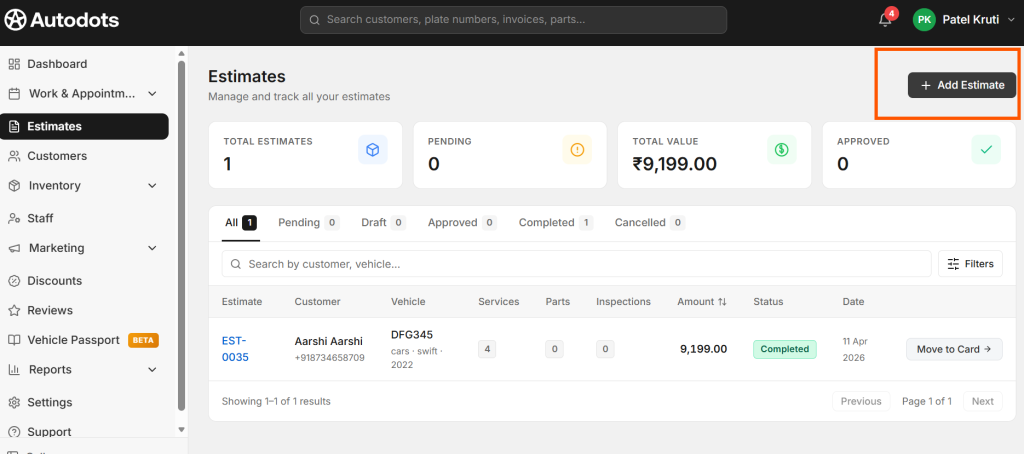
Using Mechanic Estimate Invoice Software can help the team maintain a clearer connection between the estimate and the actual repair. This makes it easier to know what work was approved and what needs to be completed.
If additional problems are found, the workshop can explain the new repair requirement and cost to the customer before doing extra work.
4. Record Parts and Labor During the Repair
Parts and labor are two of the most important items on a repair invoice. Waiting until the end of the day to collect this information can slow down billing.
Technicians or service advisors should record parts used and labor performed as the repair progresses.
Mechanic Estimate Invoice Software can help keep these details connected with the correct repair job.
For example, if a technician replaces an air filter and completes a related service, the part and labor information can be recorded against the vehicle’s job. When the repair is complete, the service advisor can review the information before preparing the invoice.
This reduces the need to ask technicians for details again after the vehicle is finished.
5. Turn Completed Repair Details Into an Invoice
The final invoice should represent the actual work completed on the vehicle. It may be different from the original estimate if some work changed or additional repairs were approved.
Creating a new invoice from scratch can lead to repeated data entry and missed items.
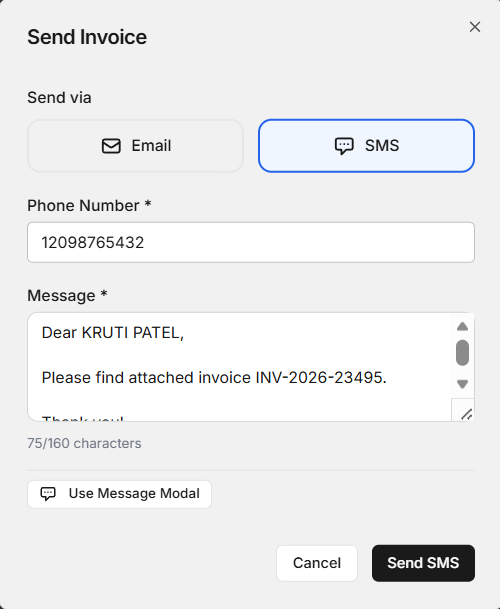
Mechanic Estimate Invoice Software can help use existing repair information when preparing the final invoice.
The service advisor can review the parts, labor, services, taxes, and discounts before finalizing the bill.
This can make invoice preparation faster while still giving the employee an opportunity to check the information carefully.
6. Use Clear Invoice Descriptions
A fast invoice is useful, but customers also need to understand it. A bill with unclear descriptions can lead to questions and delays at the payment counter.
Use simple names and descriptions for parts and services. Separate parts and labor where appropriate, and clearly show the total amount.
Mechanic Estimate Invoice Software can help workshops create organized invoices that show important billing information in a clear format.
Customers should be able to see what work was completed and what they are paying for without needing a long technical explanation.
Clear invoices can make payment discussions easier and help create a more professional customer experience.
7. Record Payments Immediately
After an invoice is prepared, the workshop needs to record the customer’s payment. If payment information is written down later, employees may forget to update the correct invoice.
This can make it difficult to know which invoices are paid and which amounts are still outstanding.
With Mechanic Estimate Invoice Software, payment information can be kept connected with the related invoice, depending on the features available in the system.
Updating the payment record immediately can help keep workshop accounts more accurate.
It can also make daily payment reviews easier for garage owners and managers.
8. Keep Previous Repair and Invoice History
Customers often return to the same workshop for future services. Previous invoices and repair records can help the team understand the vehicle’s history.
The service advisor may want to know what parts were replaced during the last visit, when the vehicle was serviced, or which repairs were previously completed.
Mechanic Estimate Invoice Software can help keep estimates, invoices, and repair information organized with customer and vehicle records.
This makes it easier to find previous information when a customer returns.
A useful repair history can also help service advisors answer customer questions and make future service discussions more informed.
Build a Simple Estimate-to-Invoice Workflow
A workshop can make billing faster by following a consistent process for every repair.
- Check-In: Record customer and vehicle details.
- Job Creation: Add the customer’s repair request.
- Inspection: Record technician findings.
- Estimate: Add recommended parts, services, and labor.
- Approval: Get customer approval before starting the approved work.
- Repair: Complete the work and record actual parts and labor.
- Invoice: Review completed work and prepare the final bill.
- Payment: Record payment and complete vehicle delivery.
This workflow helps everyone understand what needs to happen at each stage. It also reduces the need to search for information in different places.
Reduce Repeated Data Entry
One of the easiest ways to improve billing speed is to reduce repeated typing. Customer and vehicle details should not have to be entered again every time a new document is created.
A connected digital system can allow the same information to be used across the customer record, job card, estimate, and invoice.
Mechanic Estimate Invoice Software can help reduce unnecessary data entry by keeping related information connected throughout the repair process.
This can save time for service advisors, especially in workshops that handle many vehicles every day.
Check the Invoice Before Sending It
Speed should never come at the cost of accuracy. Before sending an invoice to the customer, the service advisor should review the important details.
- Customer name and contact details
- Vehicle information
- Repair and service details
- Parts and quantities
- Labor charges
- Taxes and discounts
- Final total
- Payment status
A short review can help catch missing parts, incorrect prices, or other simple mistakes before the customer receives the bill.
Benefits of Faster Repair Billing
- Faster invoice preparation
- Less paperwork
- Reduced repeated data entry
- Better estimate tracking
- Clearer parts and labor records
- Easier payment tracking
- Better customer communication
- Organized repair history
- Smoother vehicle delivery
- More organized workshop operations
How AutoDots Can Help Your Workshop
AutoDots provides digital tools designed to help automotive businesses manage important workshop activities. These can include customer management, vehicle records, appointments, job cards, inspections, spare parts, estimates, invoices, payments, and other daily workshop tasks.
Mechanic Estimate Invoice Software can help create a more connected workflow between repair jobs, estimates, completed work, invoices, and payments.
For example, the workshop can create a customer and vehicle record, open a repair job, record inspection findings, prepare an estimate, track approved work, add parts and labor, and then use the completed job information when preparing the final invoice.
This can help service advisors reduce repeated work and give workshop owners a clearer view of repair and billing activity.
If you are interested in automotive business partnerships, you can explore the AutoDots partner program.
For more practical guides about workshop management, automotive technology, and repair businesses, visit the AutoDots blog.
Tips to Make Repair Billing Faster Every Day
Start by finding the slowest part of your current billing process. It may be creating estimates, collecting technician information, entering parts, preparing invoices, or recording payments.
Once you identify the problem, look for ways to reduce repeated work. Keep customer and vehicle information organized and make sure technicians record repair details while the job is in progress.
Use consistent descriptions for common services and parts. This can make invoice creation easier and help customers understand their bills.
Also, make invoice checking part of the normal workflow. A quick review before payment can prevent problems that may take much longer to correct later.
Common Billing Problems to Avoid
One common problem is waiting until the repair is completely finished before collecting parts and labor information. This can make the final billing process slower.
Another issue is creating estimates and invoices as completely separate documents. This increases repeated data entry and may create differences between approved work and final billing.
Workshops should also avoid adding extra repair work without customer approval. If the technician finds another issue, the customer should be informed about the reason and expected cost before the additional work is completed.
Finally, avoid unclear invoices. A customer should be able to understand the major services, parts, labor, taxes, discounts, and total amount.
Frequently Asked Questions
What is Mechanic Estimate Invoice Software?
Mechanic Estimate Invoice Software is a digital solution that helps automotive workshops manage repair estimates, job details, parts, labor, invoices, payments, and customer and vehicle records.
Can software create an invoice from an estimate?
Yes. A connected workshop system can use estimate and completed repair information as a starting point for the final invoice. The service advisor can review and update the details before sending the bill.
Can it help mechanics track parts and labor?
Yes. Digital workshop systems can help record parts and labor against individual repair jobs, making this information easier to use during billing.
How does digital billing save time?
It can reduce repeated data entry, keep repair information organized, simplify estimate and invoice creation, and make payment records easier to manage.
Can customers get clearer repair invoices?
Yes. A digital billing workflow can help workshops organize services, parts, labor, taxes, discounts, and totals in a clear invoice format.
Can previous invoices be used for future visits?
Yes. Keeping invoice and repair history with customer and vehicle records can help the workshop quickly review previous work when a customer returns.
Conclusion
Repair billing becomes easier when the estimate, repair, invoice, and payment stages are connected. Instead of entering the same information multiple times, workshops can create a simple process where important details move from one stage to the next.
Mechanic Estimate Invoice Software can help workshops prepare estimates faster, track approved work, record parts and labor, create invoices, manage payments, and maintain useful repair history.
The eight improvements covered in this guide are simple: keep customer and vehicle details ready, create estimates quickly, connect approved estimates with repairs, record parts and labor during the job, turn completed work into invoices, use clear descriptions, record payments immediately, and maintain repair history.
When these steps become part of your daily workflow, your workshop can reduce paperwork, spend less time on billing, and provide customers with a smoother vehicle collection experience.