Billing is one of the most important daily tasks in an auto repair workshop. A repair job may start with a customer complaint and continue through inspection, parts selection, labor, estimate approval, repair, invoicing, and payment. When all of this is handled manually, the team can spend a lot of time entering information, checking calculations, and searching for old records.
Auto Repair Billing Software can help make this process simpler. It can keep customer details, vehicle information, repair jobs, parts, labor, estimates, invoices, and payments organized in one connected workflow.
Better billing is not only about creating an invoice quickly. It is also about making sure the bill is accurate, easy for customers to understand, and connected to the repair work completed. In this guide, we will look at six easy ways to improve billing in your workshop.
Table of Contents
Why Better Billing Matters in an Auto Repair Workshop
Imagine a customer brings a car for a routine service. During the inspection, the technician finds that the brake pads also need replacement. The workshop now needs to add the extra repair, prepare an updated estimate, get approval, complete the work, and create the final bill.
If these details are recorded in different places, the process can become difficult to manage. An employee may forget to add a part, enter the wrong labor amount, or spend extra time checking the original estimate.
Auto Repair Billing Software can help connect the different stages of the repair process and reduce unnecessary manual work.
6 Easy Ways to Improve Workshop Billing
1. Create Invoices From Repair Job Details
A repair job contains many details that are useful for billing. These can include customer information, vehicle details, service requests, inspection findings, spare parts, labor, and completed work.
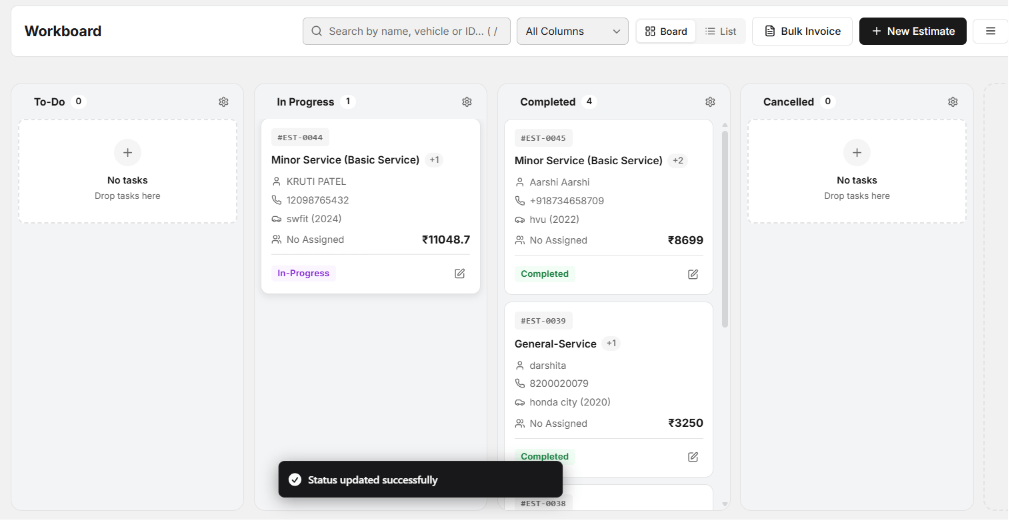
Instead of creating a completely new invoice after the repair, the workshop can use the information already recorded in the job.
Auto Repair Billing Software can help connect job cards with billing information. This means the service advisor can review the completed work and use the available details to prepare the invoice.
For example, if a technician records an oil change, oil filter replacement, and labor on the repair job, those details can be reviewed before the final bill is created.
This can reduce repeated data entry and help the workshop complete billing faster.
2. Keep Parts and Labor Clearly Separated
Auto repair invoices often contain several different charges. Customers may pay for spare parts, labor, inspections, maintenance services, taxes, discounts, and other approved repairs.
If these charges are not organized clearly, customers may not understand the final amount. The service advisor may then need to spend additional time explaining every item.
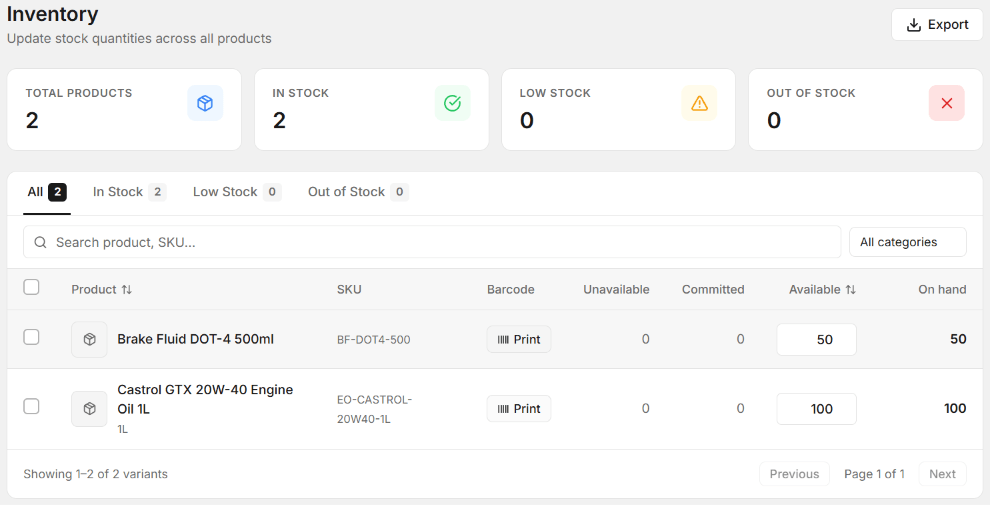
With Auto Repair Billing Software, workshops can organize parts, labor, and services as separate invoice items.
A clear bill can show the name of the part, quantity, price, labor charge, applicable taxes, discounts, and total amount. This gives the customer a better understanding of what was done to the vehicle.
Simple billing can also make the payment process smoother when the customer comes to collect the vehicle.
3. Connect Estimates With Final Invoices
Many repair jobs start with an estimate. After checking the vehicle, the workshop prepares an expected cost for the recommended parts and services. The customer can review the estimate and approve the repair.
Once the work is completed, the final invoice should reflect the actual repair.
Auto Repair Billing Software can help keep estimates and invoices connected. This allows the workshop to use the approved estimate as a starting point for the final bill instead of entering every item again.
If the technician finds another issue during the repair, the additional work can be explained to the customer and added to the repair process after approval.
This creates a simple flow from inspection to estimate, approval, repair, invoice, and payment.
4. Reduce Manual Calculations
Calculating invoice totals manually can become difficult when a repair includes many parts and services. Employees may need to add labor, taxes, discounts, and other charges before finding the final amount.
Digital billing can simplify these calculations based on the information entered into the system.
Auto Repair Billing Software can help reduce the amount of manual calculation required during invoice preparation. This can save time and reduce the chance of simple calculation mistakes.
Even with digital tools, the service advisor should review the final invoice before sharing it with the customer. Check the services, parts, quantities, prices, taxes, discounts, and total amount.
5. Record Payments With the Correct Invoice
Creating an invoice is only one part of the billing process. The workshop also needs to know whether the customer has paid and how much was received.
Payments should be connected with the correct invoice so the team can easily see which bills are paid and which amounts are still pending.
Auto Repair Billing Software can help keep invoice and payment information organized. After receiving payment, the service advisor can update the payment record and complete the billing process.
For workshop owners, accurate payment records can also make it easier to review daily collections and outstanding amounts.
This is especially useful for busy workshops where many vehicles may be completed and billed on the same day.
6. Keep Customer and Vehicle Billing History
Customers often return to the same workshop for future services. Previous invoices and repair records can be useful when they come back.
For example, the service advisor may want to know when the vehicle was last serviced, which parts were replaced, or what repair work was completed during the previous visit.
Auto Repair Billing Software can help keep billing information connected with customer and vehicle records. This makes it easier to find previous invoices and understand the vehicle’s service history.
A complete history can also help the workshop answer customer questions faster. Instead of searching through paper files, employees can access the relevant record when needed.
Build a Simple Repair-to-Billing Workflow
A good workshop billing process should be easy for the entire team to follow. A simple workflow can look like this:
- Customer Check-In: Record customer and vehicle information.
- Job Card: Add the customer’s complaint and requested service.
- Inspection: Record problems and recommended repairs.
- Estimate: Add parts, labor, and expected costs.
- Approval: Get customer approval before additional work.
- Repair: Complete the approved work and record actual parts and labor.
- Invoice: Prepare the final bill using completed repair details.
- Payment: Record payment and complete vehicle delivery.
When these steps are connected, the workshop can reduce repeated work and make it easier to see what is happening with every repair.
Make Your Invoices Simple and Clear
A professional invoice should be easy for customers to read. Avoid unnecessary technical language and use clear descriptions for parts and services.
Show the important information in an organized way, including parts, labor, taxes, discounts, and the final amount.
If the final amount is different from the original estimate, the workshop should be able to explain the reason clearly. Additional repairs should be discussed and approved before they are completed.
A simple invoice can make customers feel more comfortable about the charges and reduce confusion during payment.
Reduce Repeated Data Entry
Repeated data entry is a common problem in manual workshop billing. Employees may enter customer details during check-in, copy them into a job card, add them to an estimate, and then type them again on the invoice.
This takes time and can create opportunities for mistakes.
A connected digital system can allow the workshop to reuse information that has already been entered.
Auto Repair Billing Software can help keep customer and vehicle details linked with repair and billing records. This can save time and allow employees to focus on more useful workshop tasks.
Improve Customer Experience With Better Billing
Customers want a simple repair experience. They want to know what is wrong with their vehicle, what work is being recommended, how much it may cost, and what they need to pay at the end.
Clear estimates and invoices can help provide this information.
When the workshop can quickly access previous repair and billing records, it can also answer customer questions more easily.
Better billing can therefore support both workshop efficiency and customer satisfaction.
Benefits of Improved Workshop Billing
- Faster invoice creation
- Less manual data entry
- Reduced calculation mistakes
- Clear parts and labor charges
- Better estimate tracking
- Easier payment management
- Organized customer records
- Easy access to vehicle history
- Less paperwork
- Smoother vehicle delivery
How AutoDots Can Help Your Workshop
AutoDots provides digital tools designed to help automotive businesses manage important workshop activities. These can include customer management, vehicle records, appointments, job cards, inspections, spare parts, estimates, invoices, payments, and other daily operations.
Auto Repair Billing Software can help connect repair information with estimates, invoices, and payments. This can give workshops a more organized way to manage billing from the beginning of a repair to final payment.
For example, the workshop can record the customer’s vehicle, create a repair job, add inspection findings, prepare an estimate, track approved work, and use completed repair details when preparing the final invoice.
This connected approach can reduce repeated data entry and help service advisors manage billing more efficiently.
If you are interested in automotive business partnerships, you can explore the AutoDots partner program.
For more useful guides about automotive businesses, workshop management, and digital solutions, visit the AutoDots blog.
Tips to Make Billing Easier Every Day
Start by checking how your workshop currently handles billing. Find out where employees spend the most time and where information is entered repeatedly.
Make sure technicians record parts and labor during the repair instead of waiting until the vehicle is ready for delivery. This gives the service advisor better information for the final invoice.
Keep estimates connected with repair jobs and communicate any additional work to customers before completing it.
Before sending an invoice, quickly check the customer name, vehicle details, services, parts, labor, taxes, discounts, and total amount. This small check can prevent many common billing problems.
Common Billing Mistakes to Avoid
One common mistake is creating the final invoice without checking the actual work completed. The invoice should match the repair performed on the vehicle.
Another mistake is adding extra repairs without clear customer approval. If the repair changes, explain the reason and expected cost before continuing.
Workshops should also avoid unclear descriptions. Customers should understand what each important charge represents.
Finally, make sure payment records are updated after the customer pays. This helps the workshop keep accurate information about paid and outstanding invoices.
Frequently Asked Questions
What is Auto Repair Billing Software?
Auto Repair Billing Software is a digital tool that helps auto repair shops manage invoices, repair charges, spare parts, labor, estimates, taxes, discounts, and customer payments.
Can billing software create invoices from job cards?
Yes. A connected workshop system can use information from job cards, including services, parts, and labor, to help prepare the final invoice. This can reduce repeated data entry.
Can repair shops connect estimates with invoices?
Yes. A digital workflow can connect estimates with final billing. This makes it easier to compare approved work with the actual repair completed.
Can billing software track payments?
Yes. Payment information can be recorded against the correct invoice so the workshop can identify paid and pending amounts more easily.
How can digital billing improve customer service?
Digital billing can help shops provide clearer invoices, find previous records faster, reduce manual mistakes, and make the payment process smoother for customers.
Conclusion
Good billing is an important part of running an efficient auto repair workshop. When estimates, repairs, invoices, and payments are handled separately, employees may spend more time on paperwork and repeated data entry.
Auto Repair Billing Software can help simplify this process by connecting repair jobs, estimates, parts, labor, invoices, payments, and customer records.
The six simple improvements are to create invoices from repair details, keep parts and labor organized, connect estimates with final invoices, reduce manual calculations, record payments correctly, and maintain customer and vehicle billing history.
A simple digital workflow can help your workshop save time, reduce billing confusion, and provide customers with clearer information. The goal is not just to bill faster, but to make the complete repair and payment process easier for your team and your customers.