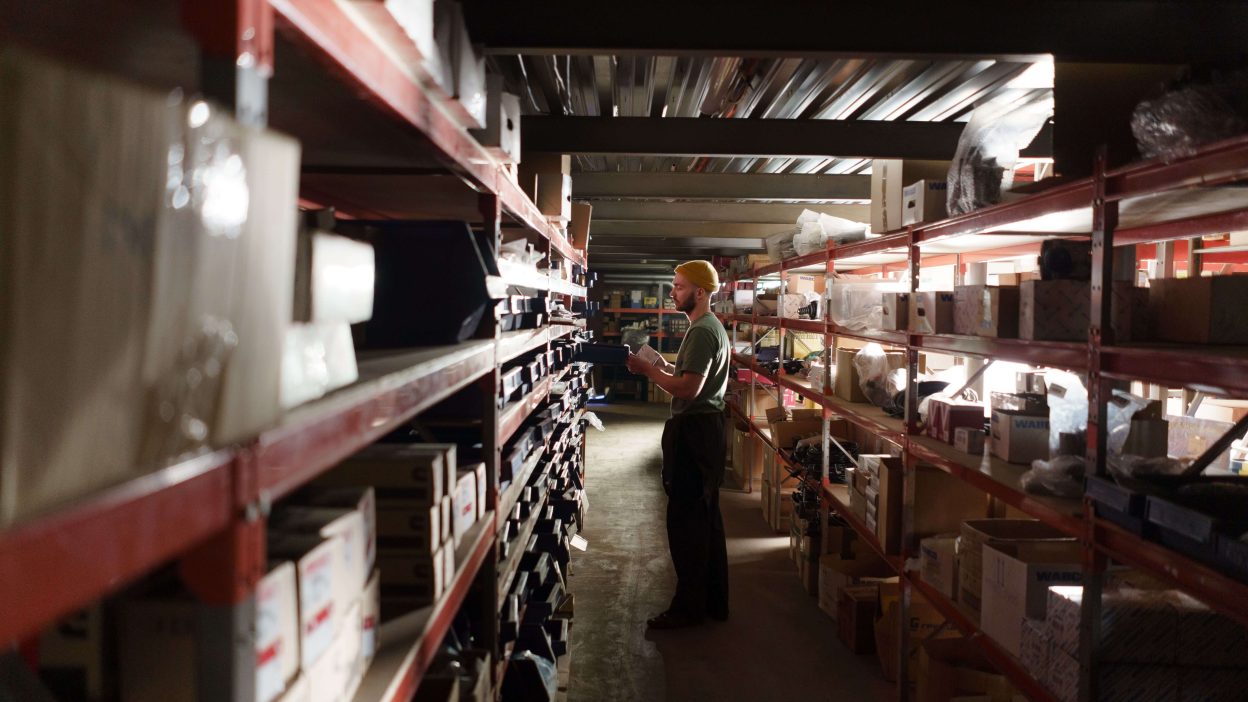
Managing spare parts is one of the most important jobs in an automotive workshop. A garage may have hundreds of filters, brake parts, belts, batteries, oils, sensors, and other items in stock. Without proper control, parts can get misplaced, damaged, over-ordered, or used without being recorded.
Automotive Parts Inventory Tracking helps workshops keep a clear record of what comes into the garage, what goes out, and what is still available. Better tracking can reduce stock loss, avoid unnecessary purchases, and help technicians find the right parts faster.
Table of Contents
Why Automotive Parts Inventory Tracking Matters
Inventory loss does not always happen because of theft. A workshop can also lose stock because of incorrect entries, damaged parts, expired products, wrong quantities, duplicate purchases, or parts being used on a repair order without updating the inventory.
When stock records are not accurate, workshop owners may think a part is available when it is actually missing. This can delay repairs and create extra costs. Good inventory control gives the team a clearer view of the stock and helps prevent these problems.

5 Smart Ways to Improve Automotive Parts Inventory Tracking
1. Keep a Record of Every Part
The first step is to record every part that enters and leaves the workshop. This includes new purchases, parts used for repairs, returned items, damaged products, and stock adjustments.
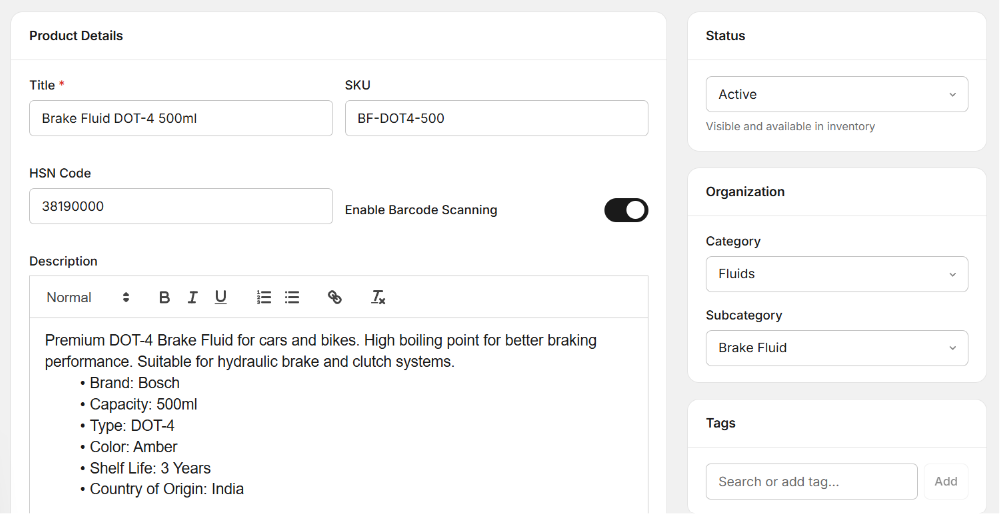
A simple record should include the part name, part number, quantity, purchase cost, selling price, supplier, and current stock level. When every movement is recorded, it becomes easier to identify where stock is going.
Automotive Parts Inventory Tracking becomes much more useful when the information is updated regularly instead of being entered only at the end of the week or month.
2. Set Minimum Stock Levels
Not every part needs to be kept in large quantities. Some items are used every day, while others may only be needed occasionally.

Workshops can set minimum stock levels for commonly used parts. For example, if a garage regularly uses oil filters, brake pads, spark plugs, or engine oils, it can set a minimum quantity for these products.
When stock reaches the minimum level, the team can order more before the part runs out. This helps avoid emergency purchases and repair delays.
3. Organize Parts by Category and Location
A messy parts room makes inventory control difficult. Staff may spend too much time looking for items, and some parts may remain unused because nobody knows where they are stored.
Organize parts into clear categories such as filters, brakes, electrical parts, engine parts, suspension parts, fluids, and accessories. Each shelf, rack, or storage area can also have a clear label.
It is also useful to record the storage location of each item. With proper Automotive Parts Inventory Tracking, staff can quickly check where a part is stored before starting a search around the workshop.
4. Connect Parts With Repair Jobs
One common reason for stock differences is that parts are removed from the shelf but never recorded as being used. A technician may take a part for a repair job, but the inventory record may still show the old quantity.
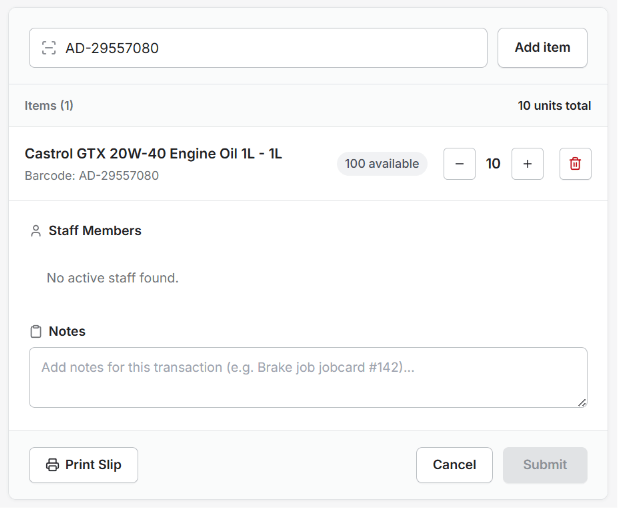
Connecting parts with repair orders can solve this problem. When a part is added to a job, the system can record its usage and update the available stock.
This also creates a useful history. Workshop owners can see which parts were used for a particular vehicle and understand which products are being consumed most often.
5. Perform Regular Stock Checks
Even with a digital system, physical stock checks are important. A workshop should regularly compare the quantity on the shelf with the quantity shown in its inventory records.
If there is a difference, staff can investigate the reason. It may be caused by an incorrect entry, damaged stock, a return that was not recorded, or a part that was used without being added to a repair job.
Regular checks make Automotive Parts Inventory Tracking more reliable and help workshops identify small problems before they become large losses.
Common Causes of Stock Loss in Auto Workshops
Understanding the reasons behind stock loss can help workshop owners create better processes. Some common causes include:
- Parts being used without updating stock records.
- Incorrect quantities entered during purchase.
- Damaged parts not being removed from available stock.
- Returned parts not being recorded correctly.
- Duplicate purchases caused by poor stock visibility.
- Parts being stored in the wrong location.
- Old or expired products being forgotten in storage.
- Manual records containing calculation or entry mistakes.
Finding these issues early can help a workshop reduce unnecessary costs and maintain more accurate inventory records.
How Digital Tools Improve Inventory Control
Manual spreadsheets and paper registers can work for a very small garage, but they become difficult to manage as the workshop grows. More customers mean more repair jobs, more parts, and more inventory movements.
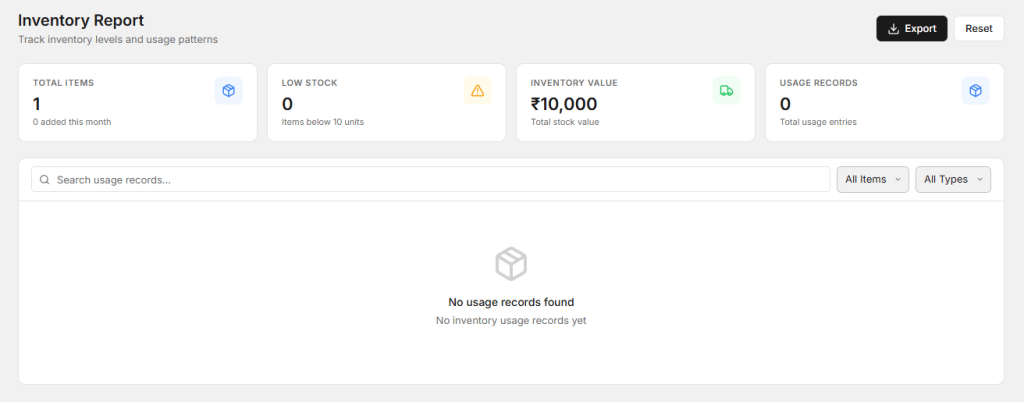
A digital inventory system can provide a central place for tracking parts. Staff can check current quantities, add purchases, record usage, monitor low-stock items, and review inventory history.
This can make Automotive Parts Inventory Tracking faster and more organized. It can also reduce the amount of manual work required from service advisors and workshop staff.
Benefits of Better Inventory Tracking
Good inventory control can create several benefits for an automotive workshop. First, it can reduce unnecessary stock purchases. When owners know what is already available, they are less likely to order the same part twice.
Second, it can reduce repair delays. Staff can quickly check whether the required part is available before promising a completion time to the customer.
Third, accurate stock information can improve financial control. Workshop owners can better understand how much money is tied up in spare parts and which products are moving quickly.
Finally, better stock records can improve customer service because technicians can spend less time searching for parts and more time completing repair work.
How AutoDots Can Help Your Workshop
AutoDots provides digital tools that can help automotive businesses manage important workshop activities in an organized way. Workshops can manage customer information, vehicle records, repair jobs, appointments, invoices, and inventory through digital processes.
For a garage that wants to improve Automotive Parts Inventory Tracking, using a structured digital system can make it easier to monitor parts and connect inventory activity with workshop operations.
Workshops can explore the AutoDots partner program to learn more about digital solutions for automotive businesses.
Tips for Keeping Your Parts Room Organized
Good inventory tracking works best when the physical storage area is also organized. Make sure every item has a fixed location and clear label.
- Keep frequently used parts in easy-to-reach locations.
- Separate new, returned, and damaged parts.
- Use clear labels for shelves and storage boxes.
- Review slow-moving stock regularly.
- Keep similar parts together where possible.
- Check stock before placing large orders.
- Train staff to record every inventory movement.
These simple habits can make daily stock management easier and reduce the chance of parts being lost or forgotten.
How to Choose the Right Inventory Process
Every workshop has different inventory needs. A small garage may have a limited number of parts, while a large service center may manage thousands of products.
The right process should be simple enough for staff to use every day. If inventory updates take too much time, employees may stop maintaining accurate records.
Look for a process that makes it easy to add parts, record usage, check stock levels, identify low-stock items, and review inventory history. The goal is not to create more paperwork. The goal is to make stock control easier.
Workshop owners can also follow the AutoDots automotive blog for more information about workshop management, automotive technology, and digital solutions.
Frequently Asked Questions About Automotive Parts Inventory Tracking
What is Automotive Parts Inventory Tracking?
Automotive Parts Inventory Tracking is the process of recording, monitoring, and managing spare parts used or stored by an automotive workshop. It helps owners know what parts are available, what has been used, and what needs to be reordered.
How can inventory tracking reduce stock loss?
It creates a record of parts entering and leaving the workshop. This makes it easier to find differences between physical stock and recorded stock and identify problems before they become expensive.
How often should a garage check its inventory?
It depends on the size and activity of the workshop. Frequently used or high-value parts can be checked more often, while a complete inventory review can be performed regularly according to the garage’s needs.
Can inventory software help a small garage?
Yes. Even a small garage can benefit from organized digital records. It can help staff track commonly used parts, avoid duplicate purchases, and understand which products need to be reordered.
Why should parts be connected to repair orders?
Connecting parts to repair orders helps show which products were used for specific jobs. It also makes it easier to update inventory when a part is consumed during a repair.
Conclusion
Spare parts are an important investment for every automotive workshop. Without proper control, small inventory mistakes can turn into significant financial losses. Organized storage, accurate records, regular stock checks, minimum stock levels, and digital tools can help garages control these risks.
Automotive Parts Inventory Tracking gives workshop owners better visibility into their stock and helps staff manage parts more efficiently. When inventory is connected with repair jobs and other workshop activities, the entire operation can become more organized.
By improving stock control today, garages can reduce waste, avoid unnecessary purchases, complete repairs more smoothly, and create a stronger foundation for future business growth.