Car inspections are an important part of every workshop service process. Before starting a repair, technicians need to understand the condition of the vehicle, identify visible problems, check important components, and record their findings. When inspections are handled using paper forms or simple notes, important details can sometimes be missed or become difficult to find later.
A vehicle inspection app can make this process more organized by helping technicians record inspection information digitally. Instead of depending on handwritten forms, teams can capture vehicle details, inspection findings, photos, recommendations, and other useful information in one place.
A better inspection process can save time, improve communication between technicians and service advisors, and help customers understand what is happening with their vehicle. In this guide, we will discuss eight easy ways to improve car inspections and make workshop operations smoother.
Table of Contents
Why Vehicle Inspection Is Important
A proper inspection helps technicians understand the actual condition of a vehicle before repair work begins. A customer may come to the workshop for one issue, but the inspection can sometimes reveal other maintenance or repair requirements.
Using a vehicle inspection app can help technicians record these findings in a structured way. This makes it easier for the service team to review the information and explain the vehicle condition to the customer.
Good inspection records can also be useful later. When a customer returns for another service, the workshop can review previous inspection information and understand what was checked or recommended during an earlier visit.
8 Easy Ways to Improve Car Inspections
1. Create a Standard Inspection Checklist
A standard checklist helps technicians follow the same inspection process for every vehicle. Without a checklist, technicians may focus mainly on the customer’s complaint and accidentally miss other important areas.
A checklist can include tyres, brakes, lights, engine fluids, battery, suspension, steering, belts, filters, exterior condition, and other relevant components. The exact checklist can be adjusted according to the type of service.
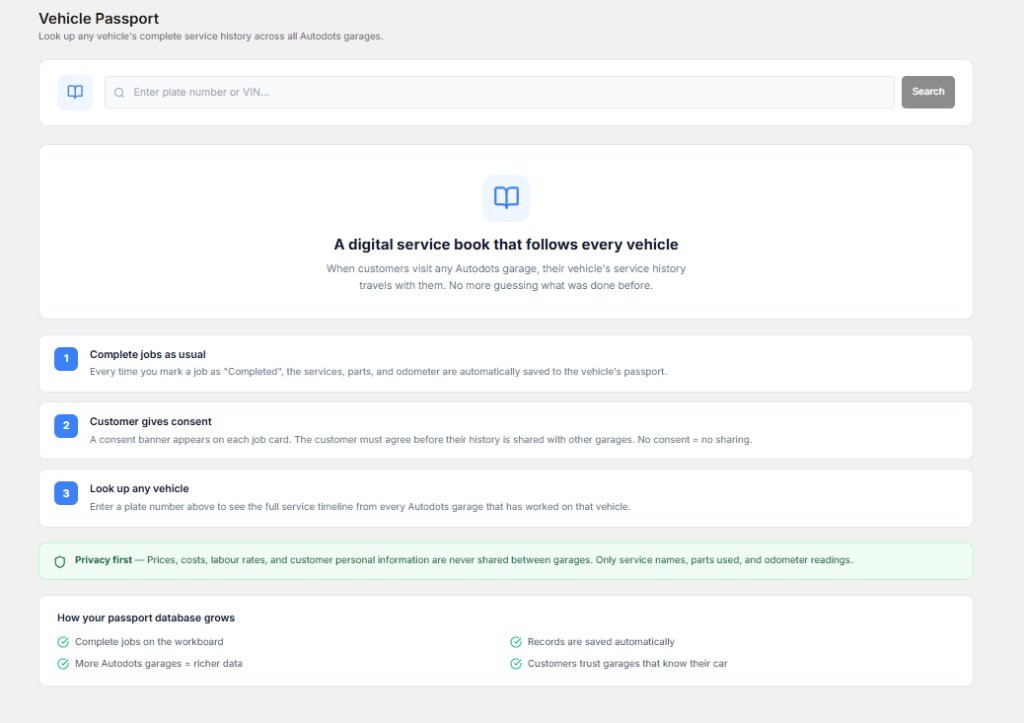
A vehicle inspection app can help technicians follow digital checklists and record the condition of different vehicle components in a structured format. This can make inspections more consistent across the workshop.
2. Record Vehicle Details Before Inspection
Before starting the inspection, make sure the correct customer and vehicle information is available. Useful details may include customer name, registration number, vehicle model, mileage, contact information, and service request.
Accurate vehicle information is important because inspection findings should be connected to the correct vehicle. This becomes especially useful when the customer visits the workshop again in the future.
Digital records can reduce the need to repeatedly write the same information. Service advisors can use existing customer and vehicle details while creating the inspection record.
3. Capture Photos of Vehicle Problems
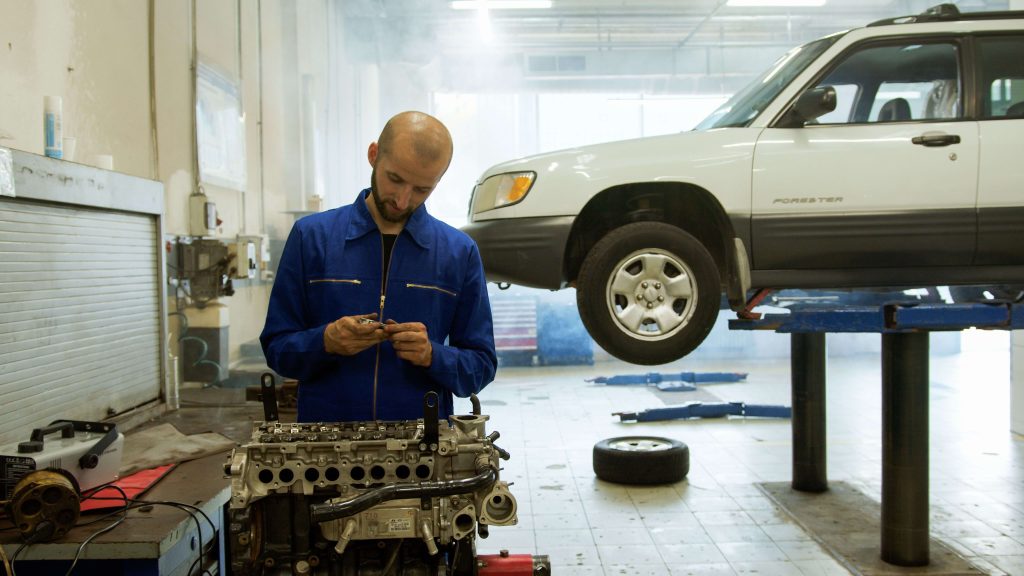
Photos can make inspection reports much easier to understand. A technician may identify a damaged tyre, worn brake component, oil leak, cracked part, scratch, dent, or another visible issue.
Instead of explaining everything only with words, the technician can capture a photo and attach it to the inspection record. This gives the service advisor and customer a clearer view of the problem.
A vehicle inspection app can support digital inspection records where photos and findings can be kept together. This can be particularly useful when the workshop needs customer approval for additional repair work.
4. Use Clear Inspection Statuses
Inspection results should be easy to understand. Instead of writing long notes for every item, workshops can use clear statuses such as good, needs attention, or urgent repair where appropriate.
Simple status options can help technicians complete inspections faster and make reports easier for service advisors to review. Customers can also understand the overall condition of their vehicle more easily when the information is presented clearly.
The workshop should still allow technicians to add notes when additional explanation is required. The goal is to make the process simple without losing useful information.
5. Connect Inspection With the Job Card
The inspection is usually one part of a larger repair process. After checking the vehicle, the technician may recommend services or repairs that need to be added to the job.
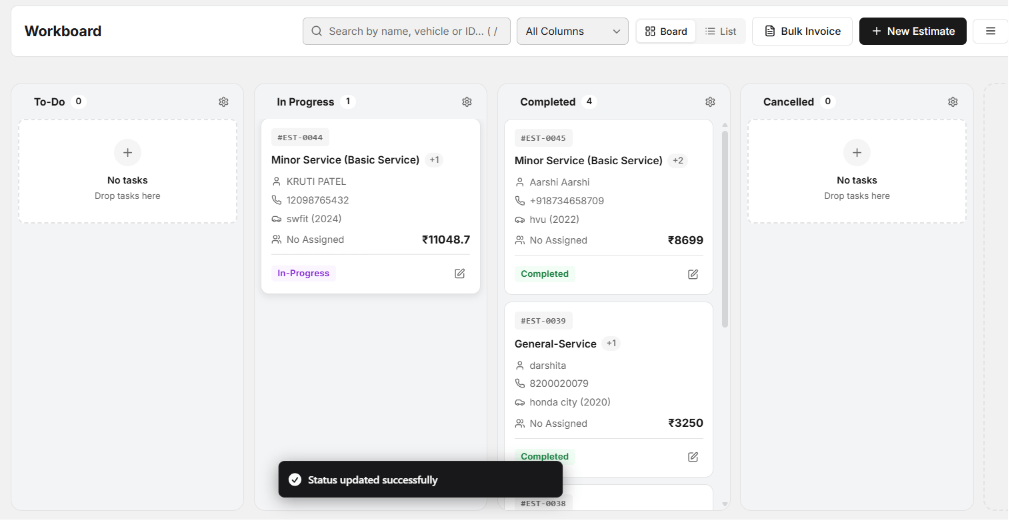
Connecting inspection findings with the job card can help the service team understand what work is required. This reduces the need to copy information from one record to another.
A vehicle inspection app can support a connected workflow where inspection information is available alongside the vehicle’s service and repair details. This can help the workshop move from inspection to repair planning more smoothly.
6. Share Inspection Results With Customers
Customers usually want to understand why a repair is recommended. Simply telling a customer that a part needs replacement may not be enough if they do not know what the problem looks like.
Inspection reports with clear notes and photos can help service advisors explain the issue. Customers can better understand the condition of the vehicle and make informed decisions about additional work.
Clear inspection information can also improve transparency. When customers can see the reason for a recommendation, they may feel more confident about approving the repair.
7. Track Recommended Repairs
Not every issue found during an inspection needs to be repaired immediately. Some problems may require attention soon, while others may simply need to be monitored during future services.
The workshop should keep a record of recommendations so important items are not forgotten. When the customer returns later, the service advisor can review previous recommendations and check whether the issue has already been resolved.
This creates a better service history and can help the workshop provide more useful maintenance suggestions during future visits.
8. Review Inspection Reports Regularly
Inspection data can provide useful information for both technicians and workshop managers. By reviewing reports, managers can identify common vehicle problems, frequently recommended repairs, and areas where technicians may need additional training.
Regular reviews can also help the workshop improve its inspection checklist. If certain problems are repeatedly found but are not included in the existing checklist, the workshop can update the process.
A vehicle inspection app can make inspection information easier to organize and review, helping managers improve the overall workshop process.
How Digital Inspections Save Time
Paper-based inspections require technicians to write information manually and service advisors may later need to enter the same information into another system. This can create extra work and increase the possibility of missing details.
Digital inspection forms can reduce repeated data entry. Technicians can select inspection items, add notes, capture photos, and submit the report from a digital device.
This can help the service team receive inspection information faster and begin the next step without waiting for paperwork to be completed or transferred.
How Better Inspections Improve Customer Trust
Trust is important when customers are asked to approve vehicle repairs. Customers may not have technical knowledge about cars, so they depend on the workshop to explain problems honestly and clearly.
A detailed inspection report can make this conversation easier. Photos, notes, and simple condition statuses give customers more information before they decide whether to approve additional work.
When workshops communicate inspection findings clearly, customers can better understand what is recommended and why the work may be necessary.
Benefits of a Better Vehicle Inspection Process
- More consistent inspections
- Faster inspection reporting
- Less paperwork
- Better vehicle records
- Easier communication with customers
- Clearer repair recommendations
- Better job card information
- Useful inspection history
- Better workshop organization
- Reduced repeated data entry
These benefits can help workshops create a smoother inspection process while giving technicians and service advisors better information to work with.
Keep Inspection Language Simple
Inspection reports should be understandable to both workshop employees and customers. Technical terms may be useful for technicians, but customers usually need simple explanations.
For example, instead of only writing a technical component name, the service advisor can explain what the component does and why its condition matters. This makes the conversation easier and can help customers make better decisions.
A simple inspection report can also reduce questions during billing and vehicle delivery because customers have already received information about the work performed and recommended.
Connect Inspections With Service History
A vehicle’s inspection history can become valuable over time. When a customer returns for another service, the workshop can review previous inspection findings and recommendations.
This can help technicians understand how the vehicle’s condition has changed. It can also help service advisors discuss previous recommendations and check whether they were completed.
Keeping inspection information as part of the vehicle’s service history creates a more complete picture of the vehicle and its maintenance journey.
How AutoDots Can Help Modern Workshops
AutoDots provides digital solutions designed to help automotive businesses organize their daily workshop operations. Modern tools can help teams manage customer information, vehicle services, appointments, job cards, inspections, inventory, billing, and other important activities.
A vehicle inspection app can be useful for workshops that want to reduce paper-based inspection work and create a more organized process for recording vehicle conditions, recommendations, and inspection details.
Businesses interested in automotive technology and partnership opportunities can explore the AutoDots partner program to learn more.
For more automotive business guides, workshop tips, and useful technology information, visit the AutoDots blog.
Simple Tips for Better Car Inspections
Start by creating a checklist that matches the services your workshop commonly provides. Keep the checklist practical so technicians can complete it without unnecessary steps.
Make sure technicians know how to record findings correctly. If photos are required for certain issues, include this as part of the inspection process.
Service advisors should also review inspection results before speaking with customers. This helps them explain problems clearly and answer basic questions about recommended repairs.
Finally, keep inspection records connected with the vehicle’s service history. This allows the workshop to use previous information during future visits instead of starting from zero every time.
Common Inspection Mistakes to Avoid
One common mistake is checking only the problem mentioned by the customer. A complete inspection should look at other important vehicle components as well.
Another mistake is writing unclear notes. Short but useful descriptions can help other employees understand what the technician found.
Workshops should also avoid losing inspection photos or keeping them separately from the vehicle record. When photos are connected with the correct inspection, they become much more useful.
Finally, avoid ignoring previous recommendations. Reviewing earlier inspection records can help the workshop identify issues that still need attention.
Frequently Asked Questions
What is a vehicle inspection app?
A vehicle inspection app is a digital tool that helps technicians and workshops record vehicle inspection results, notes, photos, condition details, recommendations, and other inspection information.
How can a vehicle inspection app improve car inspections?
A vehicle inspection app can help standardize checklists, reduce paperwork, capture photos, record findings faster, connect inspections with job cards, and make inspection information easier to share with customers.
Can small garages use digital inspection tools?
Yes. Small garages can use digital inspection tools to reduce paper-based work, create consistent inspection reports, store vehicle history, and communicate repair recommendations more clearly.
Why are photos useful during vehicle inspections?
Photos provide visual evidence of vehicle problems such as damage, wear, leaks, or other visible conditions. They can make it easier for customers and service advisors to understand why a repair may be recommended.
Can inspection results be connected with job cards?
Yes. Connecting inspection findings with job cards can help the workshop move from vehicle inspection to repair planning without repeatedly entering the same information.
Conclusion
A good vehicle inspection process helps workshops identify problems, plan repairs, communicate clearly with customers, and maintain useful service records. Paper-based methods can work for very small operations, but they can become difficult to manage as the number of vehicles increases.
A vehicle inspection app provides a practical way to organize digital checklists, inspection notes, photos, recommendations, and vehicle history. It can also help connect inspection information with job cards and the wider workshop workflow.
The goal is simple: make inspections consistent, record useful information, explain vehicle problems clearly, and keep customers informed. With a structured inspection process and suitable digital tools, workshops can save time, improve communication, and create a better service experience for both technicians and customers.