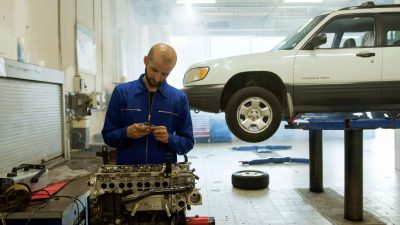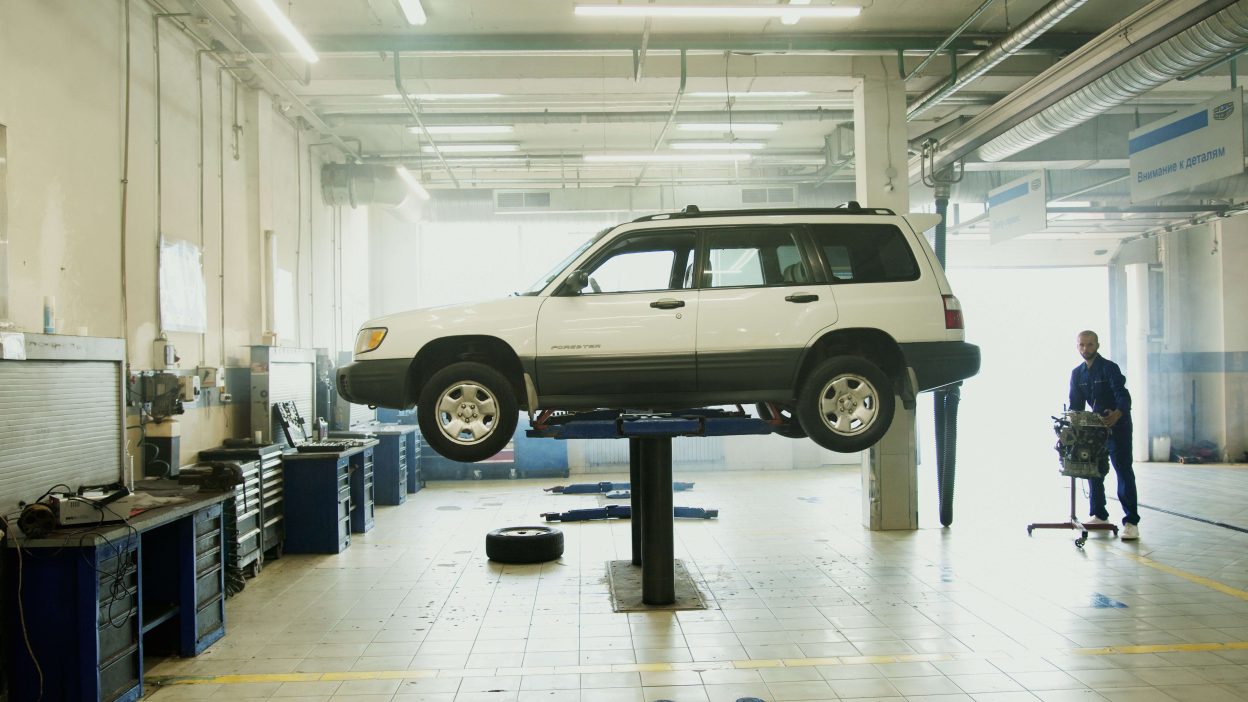
Good communication is an important part of running a successful automotive workshop. Customers want to know what is happening with their vehicle, what repair is required, how much the service may cost, and when the vehicle will be ready. When customers do not receive timely updates, they may feel confused or uncertain about the service.
Automotive Service Communication helps workshops keep customers informed throughout the repair process. From appointment confirmation to final vehicle delivery, simple and timely updates can make the customer experience much better.
A workshop does not need complicated messages to communicate well. The main goal is to provide the right information at the right time. In this guide, we will discuss seven simple ways to keep customers updated and build better relationships.
Table of Contents
Why Customer Communication Matters in a Workshop
A vehicle repair can involve several steps. The vehicle may need inspection, an estimate, customer approval, spare parts, repair work, testing, billing, and final delivery. Customers may not know what is happening during these stages unless the workshop provides updates.
Automotive Service Communication gives customers better visibility into the service process. When people understand the progress of their vehicle, they are more likely to feel comfortable and confident about the workshop.

Clear communication can also reduce repeated phone calls because customers do not have to contact the workshop every time they want to know the status of their vehicle.
7 Ways to Keep Customers Updated
1. Confirm Appointments Clearly
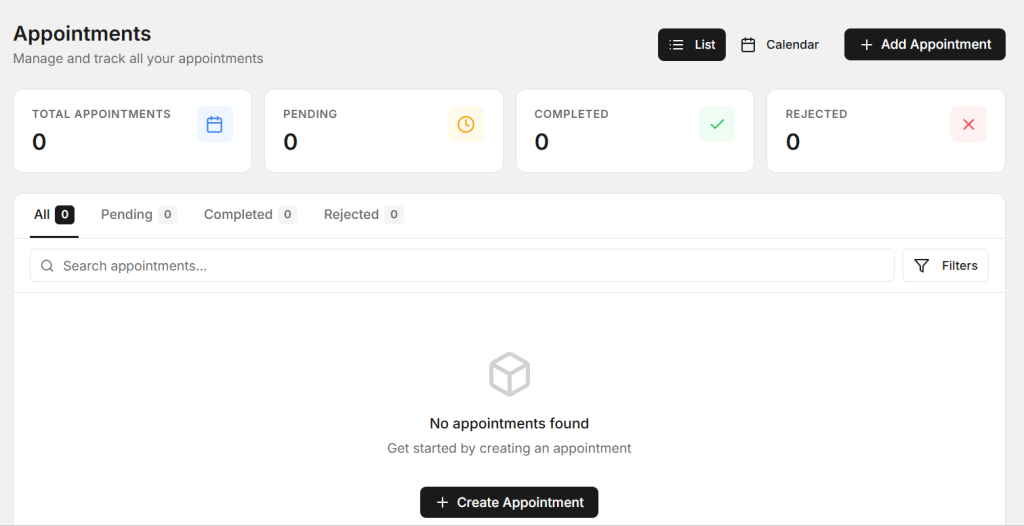
The first communication with a customer can happen before the vehicle reaches the workshop. Once an appointment is created, send a clear confirmation with the date, time, vehicle details, and requested service.
A simple confirmation helps customers remember their appointment and gives them an opportunity to contact the workshop if any information needs to be changed.
Automotive Service Communication should begin before the customer arrives because a well-organized appointment process creates a positive first impression.
2. Share Vehicle Check-In Information
When the vehicle arrives at the workshop, customers should know that their vehicle has been checked in. The service advisor can confirm the vehicle details and briefly explain the next step.
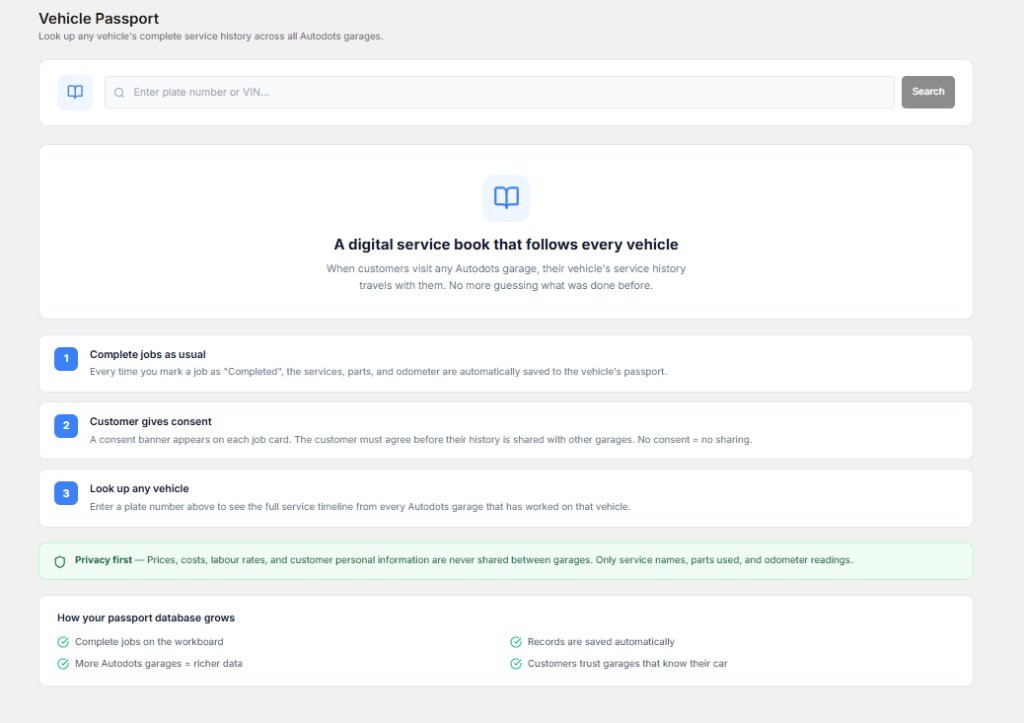
This is also a good time to confirm the customer’s main complaint or requested service. Recording this information properly helps technicians understand what needs to be checked.
A clear check-in process reduces confusion and gives customers confidence that their vehicle is now being handled by the workshop team.
3. Provide Updates After Inspection
The inspection stage is important because technicians may find additional issues that were not mentioned during the original booking. Customers should be informed before extra repair work begins.
Explain the problem in simple language and provide the expected cost or estimate where appropriate. If additional work requires customer approval, make sure approval is received before continuing.
Automotive Service Communication helps workshops make this process more transparent. Customers can understand why additional work is needed instead of receiving unexpected charges at the end.
4. Give Regular Repair Status Updates
Customers do not always need constant messages, but they should receive useful updates when the vehicle moves through important stages.

For example, the workshop can inform the customer when the repair has started, when a required part is being arranged, when the work is nearly complete, or when the vehicle is ready for final inspection.
These updates help customers understand the current status without needing to call the workshop repeatedly.
5. Inform Customers About Delays
Sometimes a repair takes longer than expected. A required spare part may be unavailable, a technician may discover another issue, or additional testing may be necessary.
When a delay occurs, customers should be informed as soon as possible. Explain the reason clearly and provide a realistic revised timeline instead of allowing the customer to wait without information.
Good communication during a delay can protect customer trust. Even when the repair takes longer, customers are more likely to appreciate a workshop that keeps them informed.
6. Send a Clear Billing and Delivery Update
Once the repair is completed, the customer should know that the vehicle is ready for the next step. The workshop can confirm that the repair is complete and explain when the vehicle can be collected.
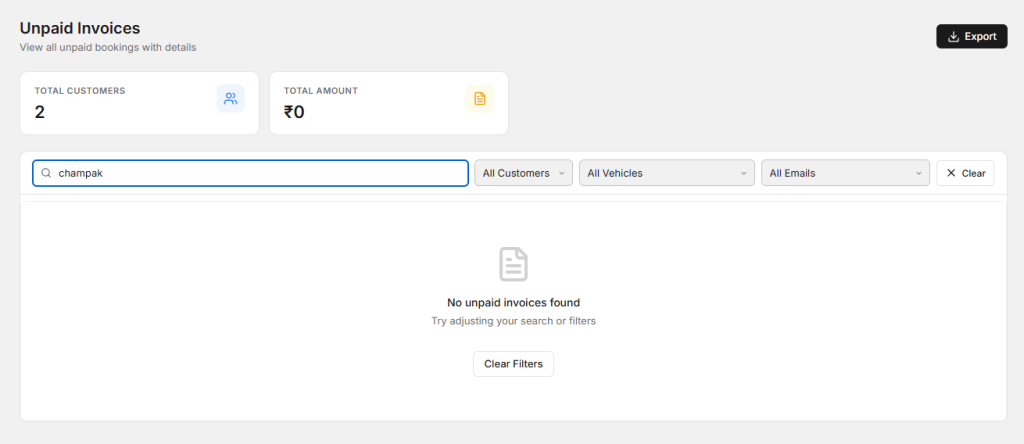
The final invoice should clearly show services, labor, spare parts, taxes, discounts if applicable, and the total amount.
Automotive Service Communication should continue until the vehicle is delivered. A clear final update can make the last part of the service process smoother.
7. Follow Up After Vehicle Delivery
Communication should not stop when the customer leaves the workshop. A simple follow-up message after service can show that the garage cares about the customer’s experience.
The workshop can ask whether the vehicle is working properly and whether the customer is satisfied with the service. If there is an issue, the customer gets an opportunity to report it quickly.
A post-service follow-up can also help the workshop collect useful feedback and maintain a long-term relationship with the customer.
How Digital Communication Makes Workshop Service Easier
Managing customer updates manually can become difficult when a workshop handles many vehicles every day. Service advisors may need to remember which customers require updates and when those updates should be sent.
A digital process can help organize customer information, vehicle details, appointments, job cards, repair status, and other service information. This gives employees a better view of each customer’s service journey.
Automotive Service Communication becomes easier when important information is available in an organized system. Employees can spend less time searching for records and more time helping customers.
Keep Messages Simple and Easy to Understand
Customers do not need complicated technical explanations for every repair. If a technician identifies a problem, the service advisor should explain it in simple language whenever possible.
For example, instead of using highly technical terms, explain what the problem means, why the repair is needed, and what may happen if the issue is ignored.
Simple communication can reduce misunderstandings and make customers more comfortable when approving additional repairs.
Use the Right Communication at the Right Time
Not every customer needs the same number of updates. Sending too many messages can become annoying, while sending too few can leave customers uncertain.
The best approach is to communicate around important stages of the repair. Appointment confirmation, inspection results, additional repair approval, major progress changes, delays, completion, billing, and follow-up are useful points for communication.
Automotive Service Communication works best when every message provides useful information instead of simply sending repeated updates.
Benefits of Better Customer Communication
- Better customer confidence
- Fewer repeated status calls
- Clearer repair approvals
- Better understanding of service costs
- Faster communication about delays
- Improved customer satisfaction
- Stronger customer relationships
- Better service transparency
- More professional workshop operations
These benefits can help a workshop create a smoother experience from the first appointment to final vehicle delivery.
Connect Communication With Job Cards
A job card contains important information about a vehicle and its repair. It may include customer complaints, inspection findings, technician notes, required parts, approved work, and job status.
When customer communication is connected with job information, service advisors can provide more accurate updates. They can check the current repair stage before contacting the customer instead of asking technicians for information each time.
This creates a more organized workflow and helps ensure that customers receive information based on the actual status of their vehicle.
Use Customer History for Better Service
Customer and vehicle history can also improve communication. When a customer returns, employees can review previous services and understand what work was completed earlier.
This can help service advisors have more useful conversations with customers. For example, they can review previous repairs, maintenance records, or recommendations before discussing the current service.
Keeping useful records makes the customer feel that the workshop understands their vehicle rather than treating every visit as a completely new case.
How AutoDots Can Help Modern Workshops
AutoDots provides digital solutions designed to help automotive businesses organize important workshop activities. Modern tools can help teams manage customer information, vehicle services, appointments, job cards, inventory, billing, and other daily operations.
Automotive Service Communication can become more organized when customer and vehicle information is maintained properly. A connected workshop process can help service teams provide better updates and manage customer interactions more efficiently.
Businesses interested in automotive technology and partnership opportunities can explore the AutoDots partner program to learn more.
For more automotive business guides, workshop tips, and useful technology information, visit the AutoDots blog.
Simple Tips to Improve Workshop Communication
Start by listing the main points where customers need information. These may include appointment confirmation, vehicle check-in, inspection, repair approval, repair progress, delays, completion, billing, and post-service follow-up.
Create simple message formats for each stage. This can help employees communicate consistently and reduce the time required to write every message from the beginning.
Make sure customer contact details are correct and updated. An organized customer database is important because even a good communication process will not work if messages are sent to incorrect contact information.
Most importantly, train employees to communicate honestly. If the repair is delayed, tell the customer. If the estimated cost changes because of a new issue, explain why before continuing with the additional work.
Common Communication Mistakes to Avoid
One common mistake is waiting for customers to call before providing an update. Customers should not always have to ask for basic information about their vehicle.
Another mistake is using difficult technical language. Simple explanations are usually easier for customers to understand and can reduce confusion.
Workshops should also avoid promising delivery times that are not realistic. It is better to provide a reasonable estimate and update the customer if something changes.
Finally, avoid sending too many promotional messages during an active repair. Service-related information should remain the main priority while the customer’s vehicle is in the workshop.
Frequently Asked Questions
What is automotive service communication?
Automotive service communication is the process of keeping vehicle owners informed about appointments, inspections, repair approvals, service progress, delays, billing, vehicle delivery, and post-service follow-ups.
How can Automotive Service Communication improve customer satisfaction?
Automotive Service Communication can improve customer satisfaction by giving customers timely information, reducing uncertainty, explaining repairs clearly, and helping them understand the progress of their vehicle.
How often should a workshop update customers?
There is no single number of updates that works for every repair. Workshops should provide useful information at important stages such as appointment confirmation, inspection, additional repair approval, major delays, repair completion, and delivery.
Why is repair approval communication important?
Repair approval communication helps customers understand additional work and its expected cost before the workshop continues. This can reduce unexpected charges and improve transparency.
Can digital tools improve workshop communication?
Yes. Digital tools can help organize customer records, vehicle information, job cards, repair status, appointments, and billing details, making it easier for service teams to provide accurate updates.
Conclusion
Keeping customers updated is an important part of providing professional automotive service. Customers want to know what is happening with their vehicle, especially when repairs take time or additional work is required.
Automotive Service Communication gives workshops a simple way to improve customer relationships through appointment confirmations, inspection updates, repair progress messages, delay notifications, billing information, and post-service follow-ups.
The goal is not to communicate more just for the sake of communication. The goal is to provide useful information at the right time, use simple language, and keep customers informed throughout the service journey. With a clear communication process and suitable digital tools, workshops can reduce confusion, improve trust, and create a better experience for every customer.