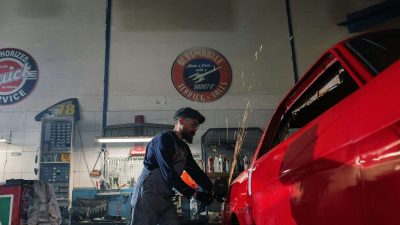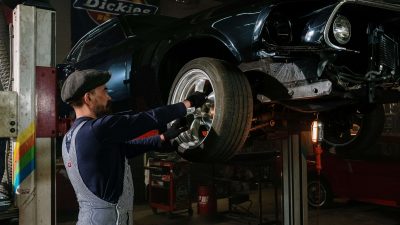
Running a successful workshop requires more than skilled technicians and quality service. Daily operations such as job tracking, customer communication, invoicing, and record management play a major role in overall performance. Unfortunately, many workshops still rely heavily on paperwork, manual processes, and disconnected systems that slow down operations. This case study shows how a garage achieved significant workshop efficiency improvement by moving from paper-based processes to a digital workflow.
Within just three months, the workshop reduced administrative bottlenecks, improved team coordination, and increased operational productivity by approximately 40%. While every business is different, the lessons learned from this workshop efficiency improvement journey can help other garage owners modernize their operations and achieve similar results.
Table of Contents
The Challenge: Too Much Paperwork, Too Little Visibility
Like many growing workshops, the business relied on handwritten job cards, paper invoices, physical customer records, and manual follow-ups. While these methods worked initially, they became increasingly difficult to manage as the number of customers grew.
Common problems included:
- Lost or misplaced job cards
- Delayed customer updates
- Difficulty tracking repair progress
- Time-consuming invoice creation
- Limited visibility into daily operations
- Inefficient communication between staff members
These challenges prevented meaningful workshop efficiency improvement and created unnecessary administrative workload for the team.
The Turning Point: Moving to a Digital Workflow
The workshop owner realized that continuing to rely on paper-based processes would make it difficult to scale the business. Instead of hiring additional administrative staff, the workshop decided to digitize key operational processes.
The goal was simple: reduce manual work, improve visibility, and create a smoother experience for both employees and customers.
Step 1: Replacing Paper Job Cards
One of the first changes involved moving from handwritten job cards to digital job management. Technicians could now access repair information more easily, while service advisors gained better visibility into ongoing work.
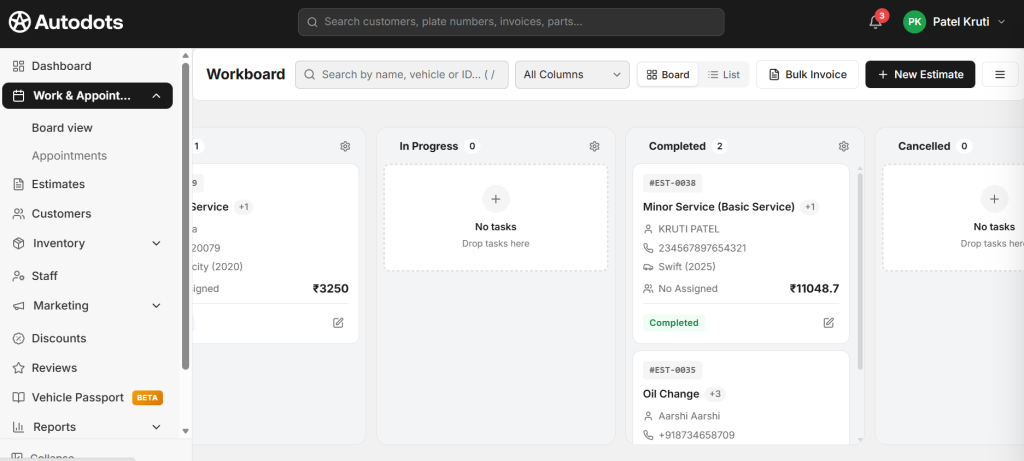
This change alone contributed significantly to workshop efficiency improvement because it reduced delays caused by missing or incomplete paperwork.
Step 2: Centralizing Customer Information
Previously, customer records were stored across multiple files and folders. Finding service history often required searching through paper documents, which wasted valuable time.
By organizing customer data digitally, the workshop improved response times and created a more professional service experience. This became another major contributor to overall workshop efficiency improvement.
Step 3: Streamlining Invoicing and Documentation
Manual invoice preparation consumed considerable administrative time. Digital invoicing helped reduce repetitive tasks while improving accuracy and record management.
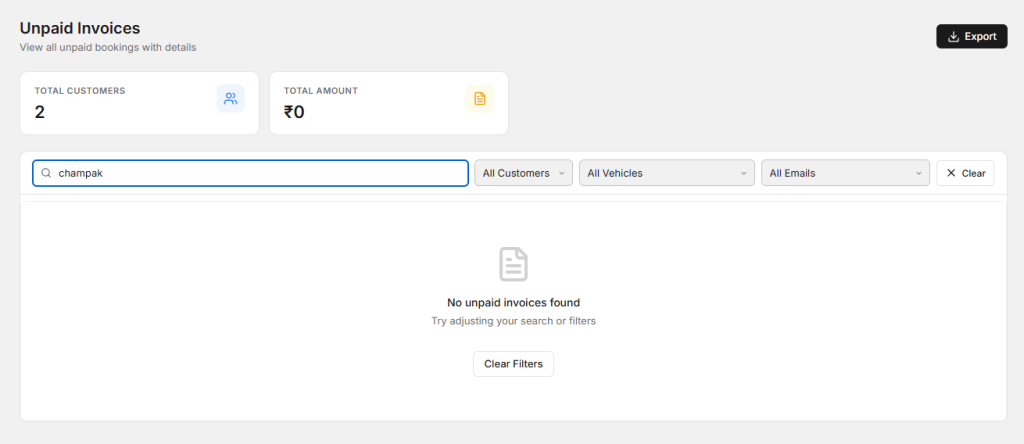
Faster invoicing meant employees could spend more time assisting customers and coordinating repairs rather than managing paperwork.
Step 4: Improving Team Communication
Before digitization, technicians, service advisors, and management often relied on verbal updates. This sometimes resulted in misunderstandings and delays.
Digital workflows created greater transparency across the workshop. Everyone could access the information they needed, supporting further workshop efficiency improvement.
The Results After Three Months
Although the workshop did not change its technician headcount or facility size, operational performance improved noticeably.
- Faster job processing
- Reduced administrative workload
- Improved customer communication
- Better workflow visibility
- More accurate record management
- Higher staff productivity
Most importantly, the business achieved measurable workshop efficiency improvement by eliminating many of the delays associated with manual processes.
Why Digital Workflows Matter in 2026
Customer expectations continue to evolve. Vehicle owners increasingly expect quick updates, digital documentation, and efficient service experiences. Workshops that rely entirely on traditional paperwork may struggle to meet these expectations.
Investing in workshop efficiency improvement through digital tools helps businesses remain competitive while preparing for future growth.
How Autodots Supports Workshop Efficiency Improvement
Autodots provides modern garage management tools designed to help workshops reduce paperwork and improve operational control.
Features such as digital job cards, customer management, service tracking, invoicing, workflow monitoring, and reporting help support ongoing workshop efficiency improvement without adding unnecessary complexity.
By centralizing workshop information and automating routine tasks, businesses can spend less time managing paperwork and more time focusing on customers and repairs.
You can also explore additional workshop growth strategies on the Autodots Blog.
Key Lessons for Garage Owners
Small Changes Can Create Big Results
Not every improvement requires major investment. Replacing inefficient processes often delivers meaningful benefits quickly.
Visibility Drives Better Decisions
Access to accurate information helps managers identify bottlenecks and improve workflow performance.
Customer Experience Matters
Faster communication and organized service records contribute to stronger customer relationships.
Digital Transformation Is an Ongoing Process
Successful workshops continuously refine their operations to improve productivity and service quality.
Frequently Asked Questions (FAQs)
What is workshop efficiency improvement?
Workshop efficiency improvement involves optimizing processes, reducing wasted time, and increasing productivity across daily operations.
How does a paperless workshop improve productivity?
Digital workflows reduce administrative tasks, improve information access, and streamline communication between team members.
Can digital job cards save time?
Yes. Digital job cards make repair information easier to access, update, and manage throughout the service process.
Why is workflow visibility important?
Greater visibility helps managers monitor progress, identify delays, and improve operational performance.
Do customers benefit from digital workshop systems?
Yes. Customers often receive faster updates, more accurate records, and a smoother service experience.
How long does it take to see results from digital transformation?
While results vary, many workshops begin seeing measurable improvements within the first few months of implementation.
Conclusion
This workshop’s journey demonstrates that operational growth does not always require additional staff or larger facilities. By focusing on workshop efficiency improvement and replacing manual processes with digital workflows, businesses can increase productivity, improve customer service, and create a stronger foundation for future success.
If you’re ready to reduce paperwork and modernize your workshop operations, explore Autodots Garage Management Solutions and discover how digital tools can support your business growth.