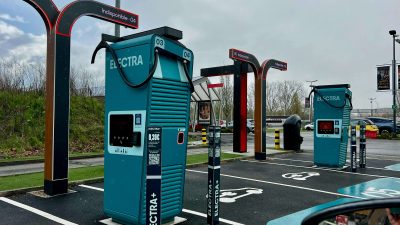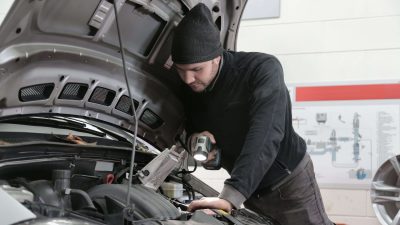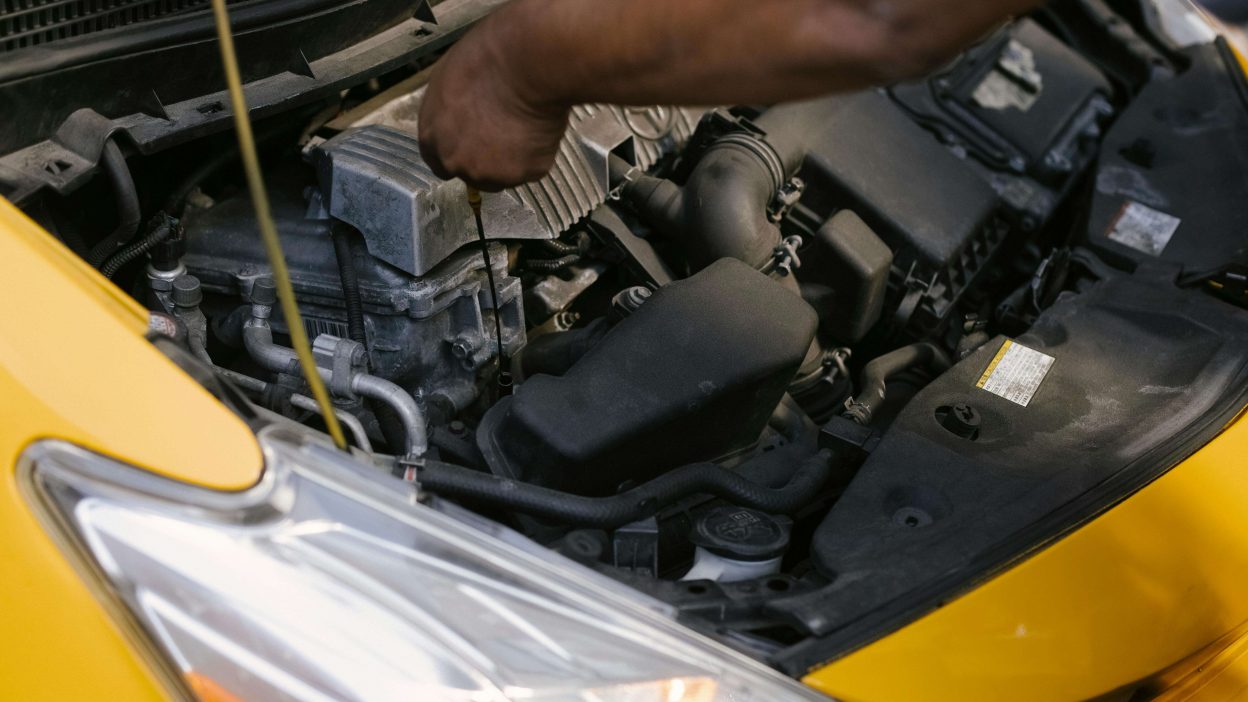
Hybrid vehicles are becoming increasingly common in workshops around the world. As fuel efficiency remains a priority for many drivers, hybrids continue to bridge the gap between traditional internal combustion engines and fully electric vehicles. For mechanics, this means developing the knowledge and skills required for effective hybrid vehicle maintenance, especially during the summer months when high temperatures can affect vehicle performance.
Summer conditions place additional stress on batteries, cooling systems, tires, and air conditioning components. Understanding how seasonal factors influence hybrid systems can help technicians provide better service, prevent breakdowns, and improve customer satisfaction through proactive hybrid vehicle maintenance.
Table of Contents
Why Summer Maintenance Is Important for Hybrid Vehicles
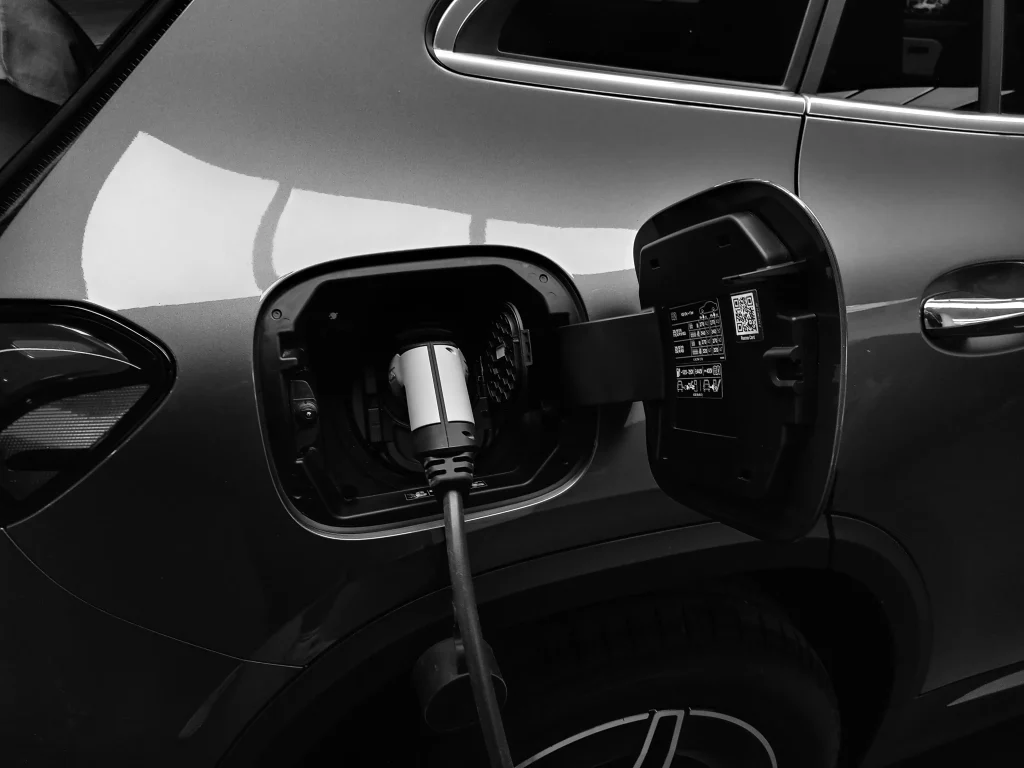
Hybrid vehicles combine an internal combustion engine with an electric motor and high-voltage battery system. While this technology offers excellent efficiency, it also introduces additional components that require regular inspection.
Hot weather can increase battery temperatures, place extra demand on cooling systems, and affect overall vehicle efficiency. Proper hybrid vehicle maintenance helps identify potential issues before they become costly repairs.
- Protect battery performance
- Improve system efficiency
- Reduce unexpected breakdowns
- Enhance vehicle reliability
- Extend component lifespan
- Improve customer confidence
1. Inspect the Hybrid Battery Cooling System
One of the most important aspects of hybrid vehicle maintenance during summer is ensuring that the battery cooling system operates correctly. Hybrid batteries generate heat during charging and discharging cycles, and excessive temperatures can negatively impact performance and longevity.
Technicians should inspect cooling fans, air ducts, filters, and ventilation pathways to ensure proper airflow around the battery pack.
2. Check Battery Health and Performance
Summer temperatures can place additional stress on battery systems. Monitoring battery condition helps identify early signs of degradation before they affect vehicle operation.
As part of routine hybrid vehicle maintenance, workshops should evaluate battery performance data, charging behavior, and any diagnostic trouble codes related to the hybrid system.
3. Inspect the Engine Cooling System
Although hybrid vehicles rely on electric power, they still contain conventional engine components that require attention. Cooling systems must operate efficiently to prevent overheating during hot weather conditions.
Technicians should inspect coolant levels, hoses, radiators, and water pumps while performing seasonal hybrid vehicle maintenance.
4. Evaluate Air Conditioning Performance
Air conditioning systems work harder during summer months, and in many hybrid vehicles, they play a role in overall energy management. Poor AC performance can reduce comfort and place additional load on vehicle systems.
Checking refrigerant levels, cabin filters, and cooling performance should be part of every comprehensive hybrid vehicle maintenance inspection.
5. Monitor Tire Condition and Pressure
Tire pressure naturally changes as temperatures rise. Underinflated or overinflated tires can affect handling, efficiency, and tire wear.
Routine tire inspections remain an important component of hybrid vehicle maintenance, helping improve safety and fuel economy.
Common Summer Problems Found in Hybrid Vehicles
Battery Overheating
Restricted airflow, clogged cooling vents, or excessive heat can cause battery temperatures to rise beyond optimal operating ranges.
Reduced Fuel Efficiency
Increased air conditioning usage and poor tire conditions may reduce overall efficiency.
Cooling System Issues
Low coolant levels or worn components can increase the risk of overheating during extreme weather.
Air Conditioning Failures
High summer demand often exposes weaknesses in aging AC systems.
Why Preventive Maintenance Matters
Many hybrid vehicle issues develop gradually and may not immediately trigger warning lights. Preventive inspections help identify potential concerns before they become major repairs.
Consistent hybrid vehicle maintenance helps customers avoid unexpected expenses while improving vehicle reliability and long-term ownership satisfaction.
How Autodots Helps Workshops Manage Hybrid Vehicle Maintenance
Autodots helps workshops organize service records, track inspections, manage customer communication, and monitor repair workflows through a centralized platform.
As hybrid vehicles become more common, maintaining accurate service histories and inspection records becomes increasingly important. Digital tools help workshops deliver more efficient and professional hybrid vehicle maintenance services.
By reducing paperwork and improving visibility across operations, workshops can focus more on vehicle care and customer satisfaction.
You can also explore additional workshop insights on the Autodots Blog.
Best Practices for Mechanics This Summer
- Inspect battery cooling systems regularly
- Monitor battery health during routine services
- Check coolant condition and levels
- Test air conditioning performance
- Verify tire pressure specifications
- Perform complete diagnostic scans
- Educate customers about seasonal maintenance needs
Frequently Asked Questions (FAQs)
Why is hybrid vehicle maintenance important during summer?
High temperatures can affect battery performance, cooling systems, tire pressure, and overall vehicle efficiency.
Can heat damage a hybrid battery?
Excessive heat can accelerate battery wear and reduce long-term performance if cooling systems are not functioning properly.
How often should hybrid batteries be inspected?
Battery condition should be evaluated during regular service intervals and whenever performance concerns arise.
Do hybrid vehicles require special cooling system checks?
Yes. Both engine cooling systems and battery cooling systems should be inspected regularly to ensure proper operation.
Can air conditioning affect hybrid vehicle efficiency?
Heavy AC usage can increase energy demand and impact overall efficiency, particularly during hot weather.
What should mechanics focus on during summer hybrid inspections?
Battery cooling, engine cooling, air conditioning, tire condition, and diagnostic system health should all be carefully evaluated.
Conclusion
As hybrid vehicles continue to grow in popularity, workshops must be prepared to provide specialized care throughout the year. Summer conditions create unique challenges that make proactive hybrid vehicle maintenance more important than ever.
By focusing on battery health, cooling systems, tire performance, and preventive inspections, mechanics can help customers maintain reliability, efficiency, and long-term vehicle performance.
To streamline service tracking and workshop operations, explore Autodots Garage Management Solutions and support smarter vehicle maintenance workflows.