Every workshop owner dreams of running a business where jobs flow smoothly, customers stay happy, technicians remain productive, and profits grow consistently. However, for many garages, reality often looks very different. Missed appointments, lost paperwork, communication breakdowns, delayed repairs, and administrative chaos can quickly turn even a busy workshop into a stressful environment.
This workshop automation success story highlights how one independent automotive workshop transformed its operations by embracing automation and digital tools. Within months, the business reduced inefficiencies, improved customer satisfaction, increased technician productivity, and significantly boosted profitability.
While the workshop had skilled technicians and a loyal customer base, its outdated processes were limiting growth. The turning point came when the owner realized that working harder was no longer the solution—working smarter was.
Table of Contents
The Situation: Busy But Barely Profitable
Three years ago, the workshop was handling a steady stream of vehicles every week. On the surface, the business looked successful. The service bays were full, technicians were busy, and customers kept arriving.
However, behind the scenes, the workshop was struggling with operational inefficiencies that were quietly reducing profits.
The Biggest Challenges
- Paper-based job cards
- Missed customer follow-ups
- Appointment scheduling conflicts
- Limited workflow visibility
- Slow administrative processes
- Poor communication between staff
The owner estimated that several hours every day were being lost to unnecessary administrative work.
The Hidden Cost of Chaos
The workshop’s biggest problem wasn’t a lack of customers—it was a lack of operational control.
Employees spent valuable time searching for paperwork, updating customers manually, checking vehicle histories, and managing appointment schedules. These inefficiencies created delays that affected both customer satisfaction and revenue.
This workshop automation success story demonstrates how small operational problems can create significant financial consequences over time.
Warning Signs
- Technician downtime
- Missed service opportunities
- Delayed customer responses
- Inconsistent workflows
- Growing administrative workload
Despite increasing sales, profitability remained disappointing.
The Decision to Embrace Automation
After reviewing operational performance, the owner recognized a clear pattern: too much time was being spent on manual tasks that added little value.
The workshop decided to implement a digital workflow system focused on automation, visibility, and efficiency.
The goal was simple: eliminate unnecessary administrative work and allow the team to focus on serving customers.
Step 1: Replacing Paper Job Cards
The first change involved replacing paper-based job cards with digital records.
Before automation, technicians often struggled to access information quickly, while managers spent time tracking job progress manually.
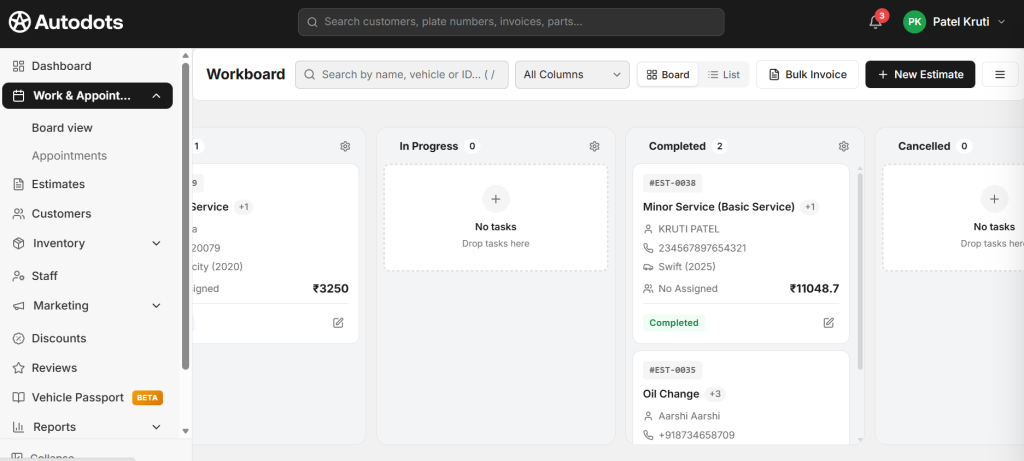
As part of this workshop automation success story, digital job cards immediately improved organization and visibility.
Results
- Faster information access
- Reduced paperwork
- Improved job tracking
- Better team coordination
Within weeks, administrative delays began to decline.
Step 2: Automating Customer Communication
The next challenge involved customer engagement. Staff members were spending hours every week making follow-up calls and sending service reminders manually.
Automation allowed the workshop to maintain regular communication without increasing workload.

Automated Communication Included
- Appointment confirmations
- Service reminders
- Repair status updates
- Maintenance notifications
- Follow-up messages
Customers appreciated the improved communication and professionalism.
Step 3: Improving Scheduling and Workflow Management
Scheduling conflicts had previously created bottlenecks that slowed operations.
By implementing digital scheduling tools, the workshop gained greater visibility into technician workloads and service capacity.
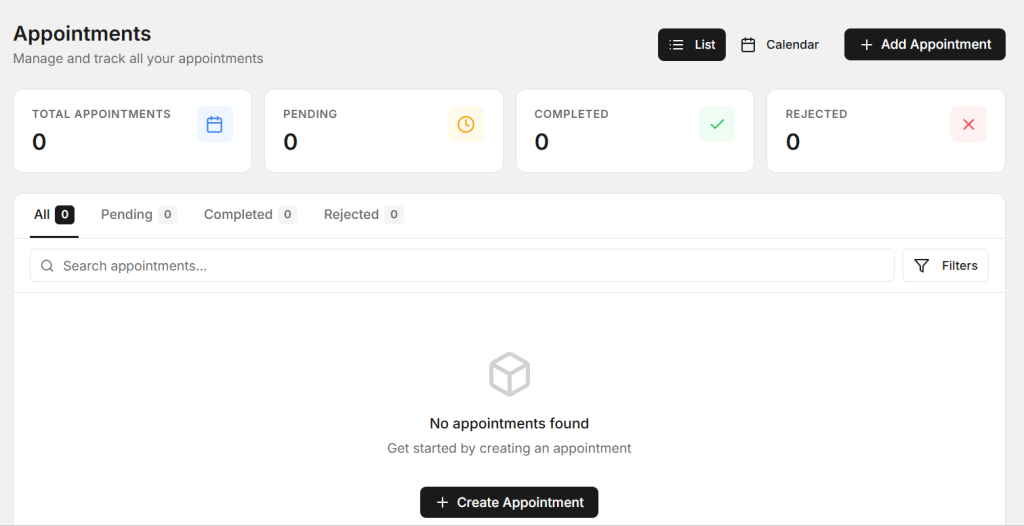
This stage of the workshop automation success story delivered immediate productivity improvements.
Benefits
- Balanced technician workloads
- Reduced scheduling errors
- Improved job prioritization
- Faster vehicle turnaround
The workshop was now able to handle more vehicles without increasing staff numbers.
Step 4: Using Data to Drive Better Decisions
Before automation, the owner relied heavily on instinct and experience when making business decisions.
Once digital reporting became available, performance trends became much easier to identify.
Key Metrics Tracked
- Technician productivity
- Vehicle turnaround times
- Appointment completion rates
- Customer retention
- Service volume trends
Access to reliable data helped the business continuously improve operations.
The Results After Six Months
The transformation was dramatic.
This workshop automation success story illustrates how operational improvements can directly impact financial performance.
Key Improvements
- Significant reduction in paperwork
- Faster repair workflows
- Improved customer retention
- Better technician utilization
- Higher appointment efficiency
- Greater operational visibility
Most importantly, the workshop experienced substantial profit growth without expanding its facility or workforce.
Why Automation Delivered Such Strong Results
The success was not caused by a single technology feature. Instead, it came from removing friction throughout the business.
Every small improvement created additional efficiency, and those efficiencies accumulated over time.
This workshop automation success story demonstrates that profitability often increases when businesses eliminate waste rather than simply increasing workload.
The Biggest Gains Came From
- Reduced administrative tasks
- Better communication
- Improved scheduling
- Enhanced workflow visibility
- Stronger customer retention
Lessons Every Workshop Owner Can Learn
Many workshops face challenges similar to those described in this story. Owners often believe they need more customers, more technicians, or larger facilities to increase profits.
In reality, operational efficiency frequently provides the greatest opportunity for growth.
Important Takeaways
- Paperwork slows growth
- Automation improves consistency
- Communication drives retention
- Data supports better decisions
- Efficiency improves profitability
Small improvements implemented consistently can create major business results.
How Autodots Helps Workshops Achieve Similar Results
Autodots provides modern workshop management tools designed to help garages eliminate inefficiencies and improve performance.
Through digital job cards, appointment scheduling, workflow tracking, customer management, service histories, automated reminders, and reporting tools, Autodots supports the same operational improvements featured in this workshop automation success story.
By reducing administrative burdens and improving visibility, workshops can focus on delivering better customer experiences while increasing productivity and profitability.
For additional workshop growth strategies and industry insights, visit the Autodots Blog.
Frequently Asked Questions (FAQs)
What is a workshop automation success story?
It is a real-world example of how automation and digital tools help workshops improve efficiency, productivity, and profitability.
Can automation really increase workshop profits?
Yes. Automation reduces administrative workload, improves workflows, and helps businesses operate more efficiently.
What processes should workshops automate first?
Digital job cards, appointment scheduling, customer communication, and workflow tracking are often excellent starting points.
Do small workshops benefit from automation?
Absolutely. Workshops of all sizes can improve efficiency through automation.
How long does it take to see results?
Many workshops begin seeing productivity improvements within weeks of implementation.
Is automation replacing employees?
No. Automation helps employees spend less time on repetitive tasks and more time delivering valuable services.
Conclusion
This workshop automation success story proves that profitability is not always about working harder—it is often about eliminating inefficiencies that hold a business back.
By replacing manual processes with automation, improving communication, streamlining workflows, and using data to guide decisions, workshops can transform chaos into control and unlock new levels of growth.
If you’re ready to modernize your workshop and improve profitability, explore Autodots Garage Management Solutions and discover how automation can help your business thrive in 2026 and beyond.