Running a modern automobile workshop involves much more than repairing vehicles. Garage owners need to manage customers, job cards, technicians, spare parts, service appointments, invoices, payments, and vehicle records every day. When these activities are handled manually, it can become difficult to keep everything organized and provide fast service.
garage management system helps workshops bring important daily operations into one organized digital process. It can reduce paperwork, improve communication, save time, and help garage teams manage more vehicles without creating unnecessary confusion.
For workshops that want to improve efficiency and provide a better customer experience, moving from manual processes to digital management can be a practical step. In this guide, we will look at six smart ways technology can help you run a better workshop.
Table of Contents
Why Modern Garages Need Better Management
A busy workshop can receive many vehicles in a single day. Every vehicle may require different repairs, spare parts, technician tasks, and delivery times. Without proper organization, important information can easily be missed.
A garage management system gives workshop owners a better way to organize these activities. Instead of keeping information in different registers, files, or spreadsheets, teams can manage important details through a more connected process.
This can make everyday work easier for service advisors, technicians, managers, and garage owners.

6 Smart Ways to Run a Better Workshop
1. Manage Job Cards Digitally
Job cards are an important part of vehicle servicing. They contain customer requirements, vehicle information, repair details, technician tasks, and service updates. When job cards are created and maintained manually, there is a higher chance of missing or incorrect information.
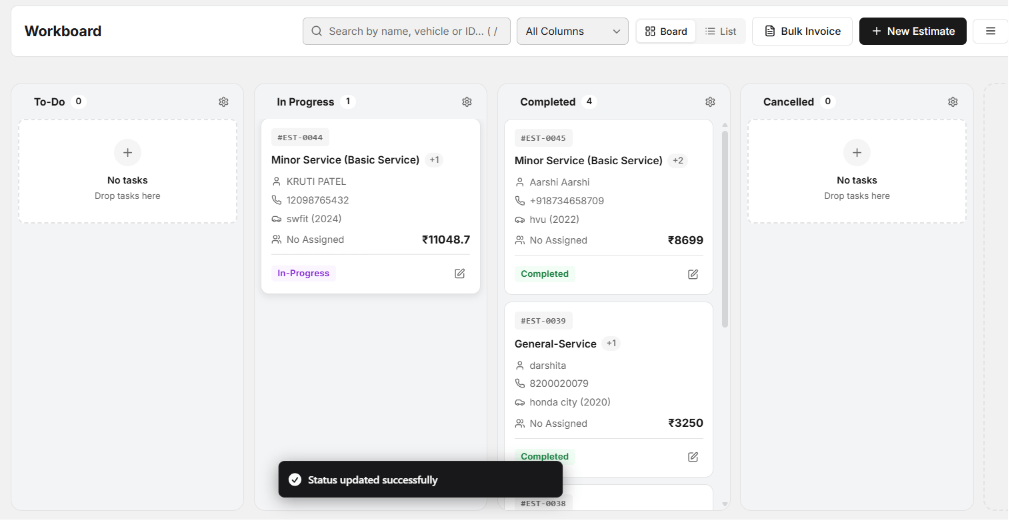
A garage management system helps workshops create and manage digital job cards. Service teams can record the customer’s requirements and provide technicians with clear information about the work that needs to be completed.
Digital job cards also make it easier to check the status of a vehicle. Managers can see which jobs are pending, in progress, or completed without searching through multiple files.
2. Improve Service Appointment Management
Managing appointments properly can help workshops reduce waiting time and avoid scheduling problems. Customers want convenient service timings, while garages need enough time and resources to complete every job.
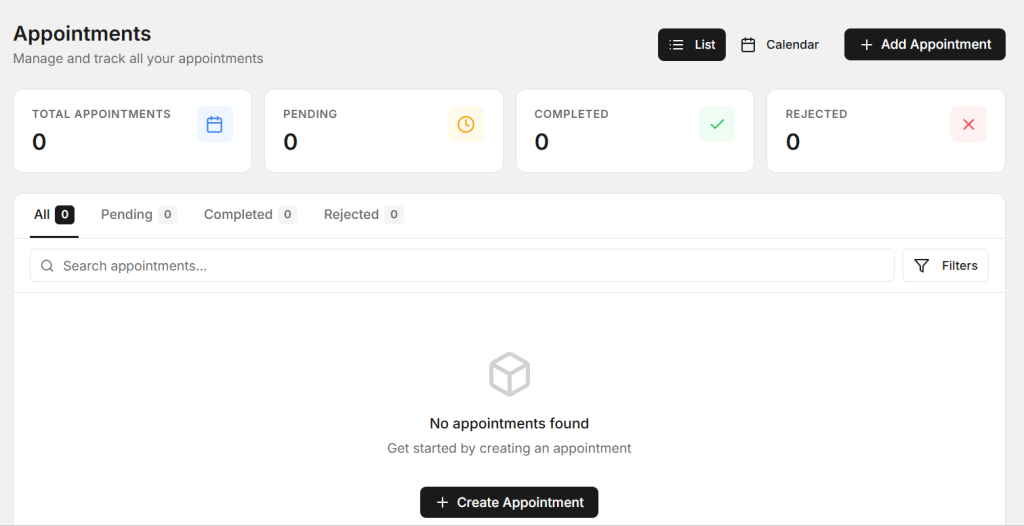
A digital system helps workshops organize upcoming appointments and understand their daily workload. This allows managers to plan technicians and service bays more effectively.
When appointments are properly managed, customers can receive a smoother experience and workshop teams can avoid unnecessary pressure during busy hours.
3. Keep Customer and Vehicle Records Organized
Customer and vehicle information is valuable for any workshop. Details such as vehicle history, previous repairs, customer contact information, and service records can help technicians understand what work may be required.
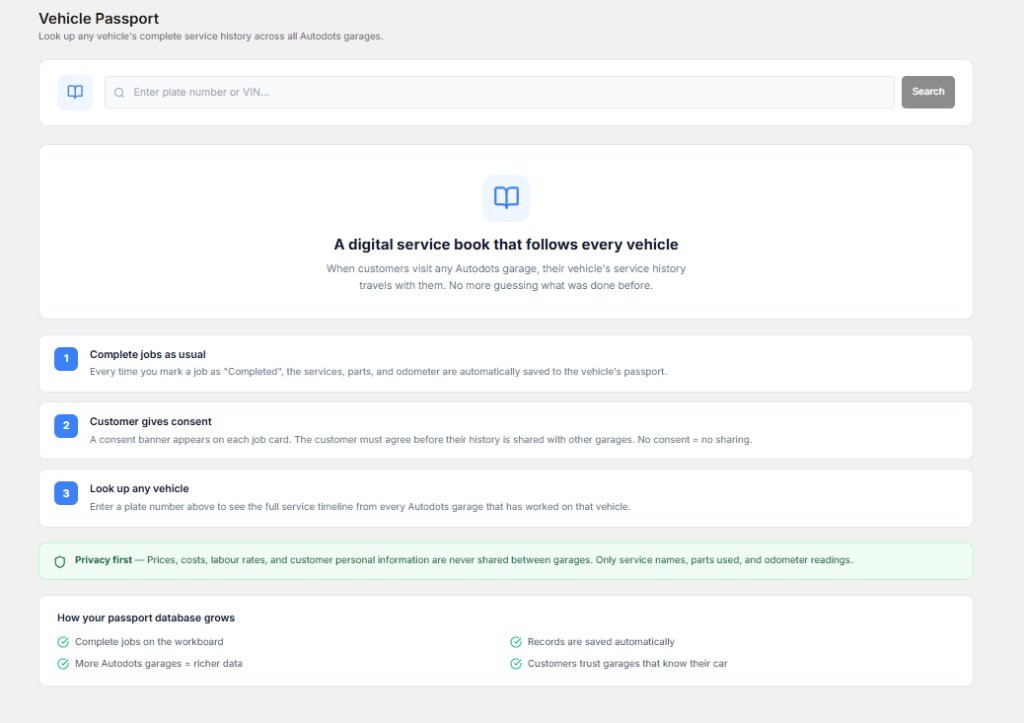
A garage management system keeps these records organized and easier to access. Instead of looking through old paper files, service teams can find relevant information more quickly.
Maintaining proper records also helps workshops provide a more personalized experience. When customers return, the team can understand their previous service history and respond to their requirements more effectively.
4. Track Spare Parts and Workshop Inventory
Spare parts are an important part of workshop operations. If the required part is not available when a vehicle is being repaired, the service can be delayed.
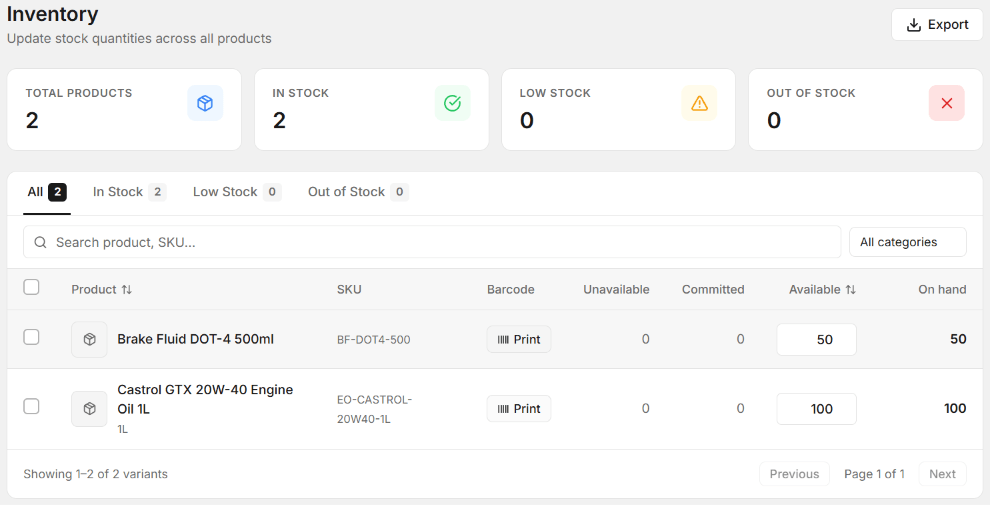
Digital inventory management helps workshops keep better track of parts and their availability. Teams can monitor frequently used items and reduce the chances of running out of important stock.
A garage management system can connect service activities with parts usage, making it easier to understand which items are being used during vehicle repairs.
Better inventory control can also reduce unnecessary purchases and help businesses manage their working capital more effectively.
5. Improve Technician and Work Management
Technicians are at the center of every workshop. When tasks are not assigned clearly, work can become delayed and employees may not know which vehicle should be handled first.
A digital workshop process can help managers assign tasks and monitor repair progress. Technicians can receive clearer information about the required work, while managers can check the status of different jobs.
This creates better coordination between service advisors and technicians. It also helps the workshop manage its daily workload more efficiently.
6. Make Billing and Customer Communication Easier
The final stage of a service process is just as important as the repair itself. Customers want clear invoices and proper information about the work completed on their vehicles.
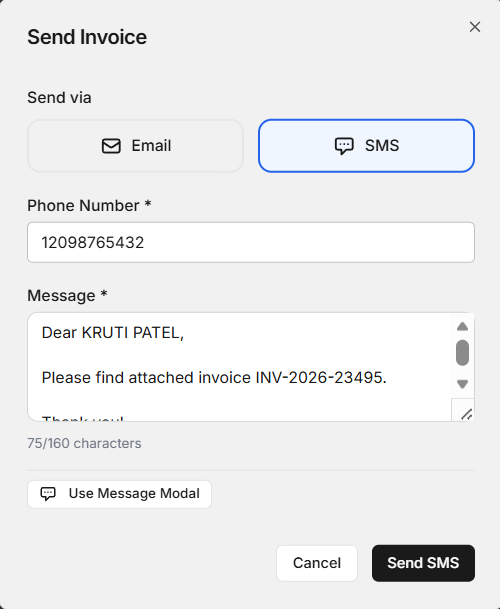
A garage management system helps workshops keep service information organized before preparing the final bill. This can make invoice preparation easier and reduce confusion about completed work and parts used.
Better records also help service advisors explain the work to customers. Clear communication can improve customer trust and increase the chances of repeat business.
How Digital Garage Management Saves Time
Manual processes often require employees to enter the same information multiple times. They may write details in a register, update a spreadsheet, create a job card, and later prepare a separate invoice.
A digital approach can reduce this repetitive work. Information can be organized in a connected workflow, allowing employees to spend less time on paperwork.
For a growing workshop, even a few minutes saved on every vehicle can make a noticeable difference over a full working day.
How Better Management Improves Customer Experience
Customers judge a workshop by more than the quality of the repair. They also notice how quickly they receive updates, how clearly the service is explained, and how easily they can get information about their vehicle.
A garage management system helps service teams access customer and vehicle information more easily. This allows them to answer questions faster and provide more accurate service updates.
A smoother customer journey can build trust and encourage customers to return for future maintenance and repairs.
What Should You Look for in Garage Software?
Every workshop has different requirements, but there are some important features to consider when selecting a digital solution.
- Easy customer and vehicle record management
- Digital job card management
- Service appointment scheduling
- Technician task tracking
- Spare parts and inventory management
- Billing and invoice management
- Service history tracking
- Simple reporting and business insights
The software should be simple enough for employees to understand and use during their daily work. Complicated tools can make adoption difficult, so ease of use should always be considered.
Why AutoDots Can Be Useful for Modern Workshops
AutoDots provides digital solutions designed for automotive businesses that want to improve their workshop operations. The platform helps businesses move away from disconnected manual processes and work in a more organized way.
A garage management system can help workshops manage different parts of their operations while reducing unnecessary paperwork. Better organization allows teams to focus more on customers and vehicle service quality.
Businesses interested in automotive technology partnerships can explore the AutoDots partner program to learn more about available opportunities.
For more useful automotive business guides, workshop tips, and technology updates, visit the AutoDots blog.
Tips for Moving Your Workshop to Digital Management
Moving from manual records to a digital process does not have to happen all at once. Start by identifying the areas that take the most time, such as job cards, appointments, customer records, or billing.
Train your employees properly and make sure everyone follows the same process. Keep customer, vehicle, and product information updated so that the system remains useful.
It is also important to review your workshop process regularly. As your business grows, you may find new ways to use digital tools to improve productivity and customer service.
Frequently Asked Questions
What is a garage management system?
A garage management system is a digital solution that helps automobile workshops manage customer records, vehicle services, job cards, appointments, inventory, technicians, billing, and other daily activities.
How can a garage management system improve workshop efficiency?
It can reduce paperwork, organize important information, improve task management, simplify appointments, and help teams track vehicle service progress more efficiently.
Can small garages use digital workshop software?
Yes. Small and growing garages can use digital solutions to organize their daily activities, reduce manual work, and create better customer experiences.
Can garage software help manage spare parts?
Yes. Digital workshop solutions can help businesses maintain parts information, track usage, and improve inventory planning.
Does digital garage management improve customer service?
Yes. Better access to customer and vehicle information can help service teams provide faster updates, clearer communication, and a more organized service experience.
Conclusion
Running a successful workshop requires good management as well as good technical skills. Manual processes can become difficult to handle as the number of customers and vehicles increases.
A garage management system provides a smarter way to manage job cards, appointments, customer records, inventory, technician tasks, and billing. These improvements can help workshops save time and operate more efficiently.
With the right digital tools, garages can create a smoother workflow, improve customer satisfaction, and prepare their business for future growth. Moving towards organized digital management can be a valuable step for any workshop that wants to work smarter.