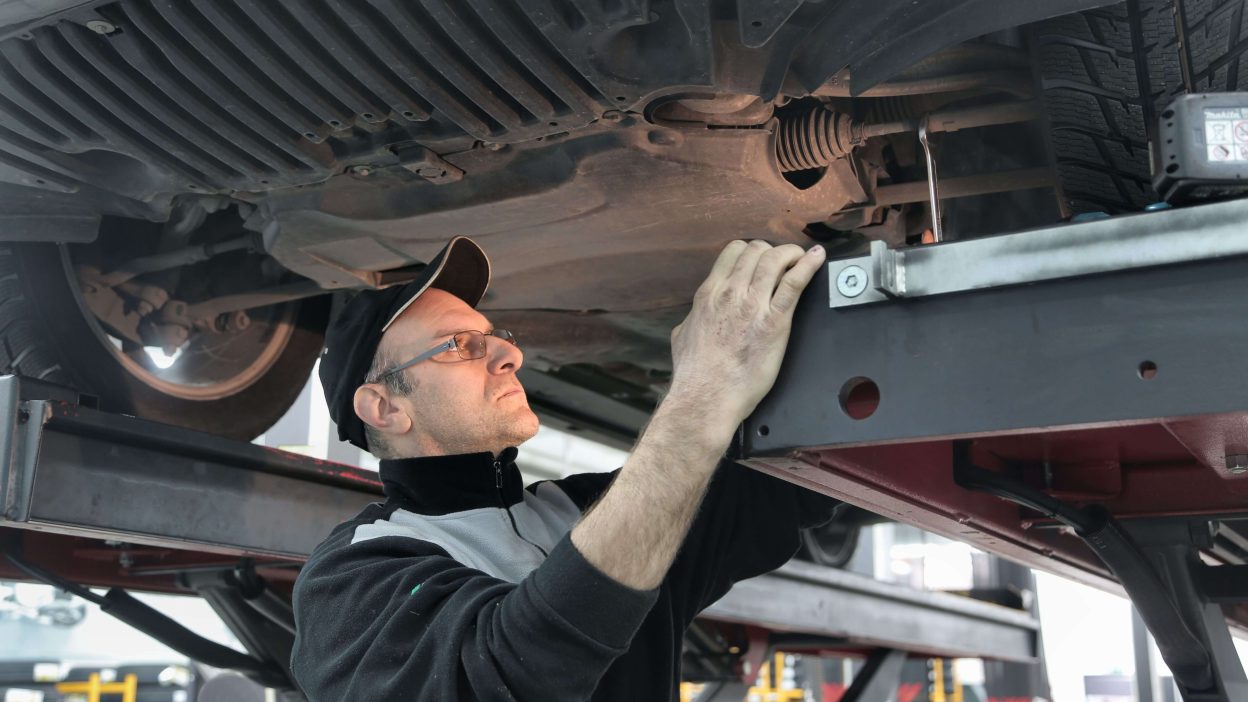
Running an automotive business involves many daily tasks. From handling customers and vehicles to managing job cards, technicians, spare parts, appointments, and billing, every activity needs proper planning. When these tasks are managed manually, it can become difficult to keep the shop organized as the number of customers grows.
Automotive Shop Management helps businesses create a more organized workflow for handling daily operations. A proper management process can reduce paperwork, save time, improve communication, and help employees provide better service to customers.
Whether you run a small automotive shop or a growing workshop, working smarter can help you handle more work without adding unnecessary complexity. In this guide, we will discuss eight practical ways to improve your shop and make everyday operations easier.
Table of Contents
Why Better Shop Management Matters
An automotive shop may have several vehicles at different stages of service. One customer may be waiting for an inspection, another vehicle may need spare parts, while a third may be ready for delivery. Without proper organization, employees can lose track of important details.
Automotive Shop Management provides a structured way to manage these activities. When customer information, vehicle details, job cards, appointments, and billing records are organized, employees can work with less confusion.
Better management can also help shop owners understand their daily workload and identify areas where time and resources are being wasted.
8 Proven Ways to Work Smarter
1. Keep Customer and Vehicle Records Organized
Customer and vehicle information is one of the most useful resources for an automotive shop. Details such as vehicle number, model, customer contact information, service history, and previous repair work can help the team understand each customer’s requirements.
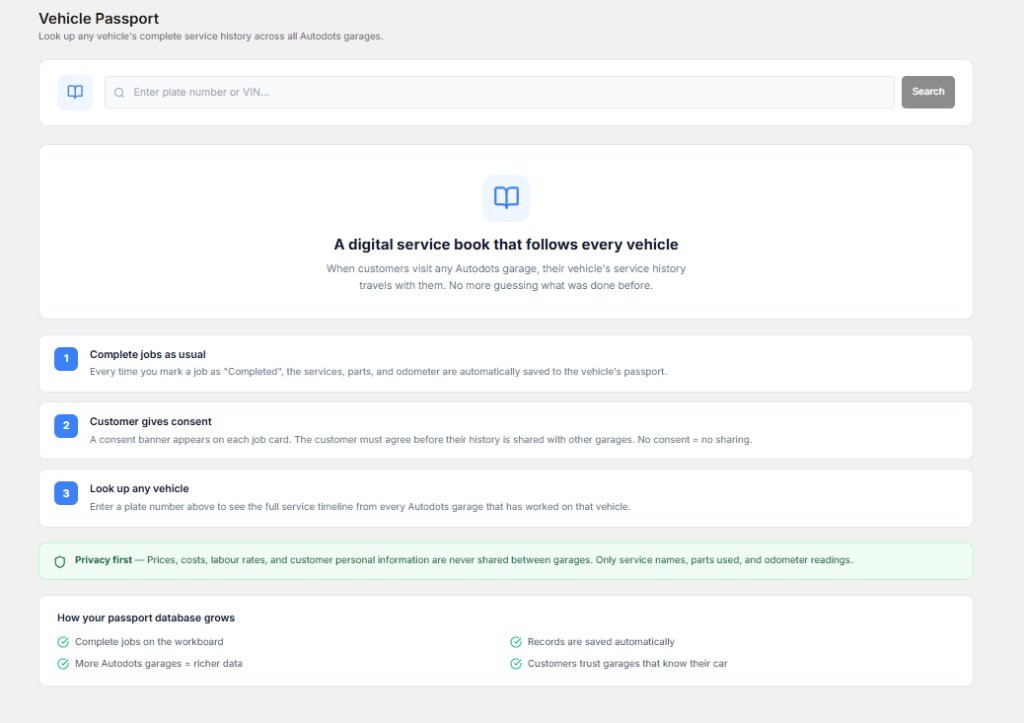
Automotive Shop Management becomes easier when these records are maintained in one organized place. Employees can find information quickly instead of searching through paper files or different spreadsheets.
When a customer returns, the team can review previous service information and provide more informed support. This can also help build customer trust and encourage repeat visits.
2. Manage Job Cards Digitally
Job cards help service teams understand what work needs to be completed on a vehicle. They can include customer complaints, inspection details, repair instructions, parts required, technician notes, and job status.
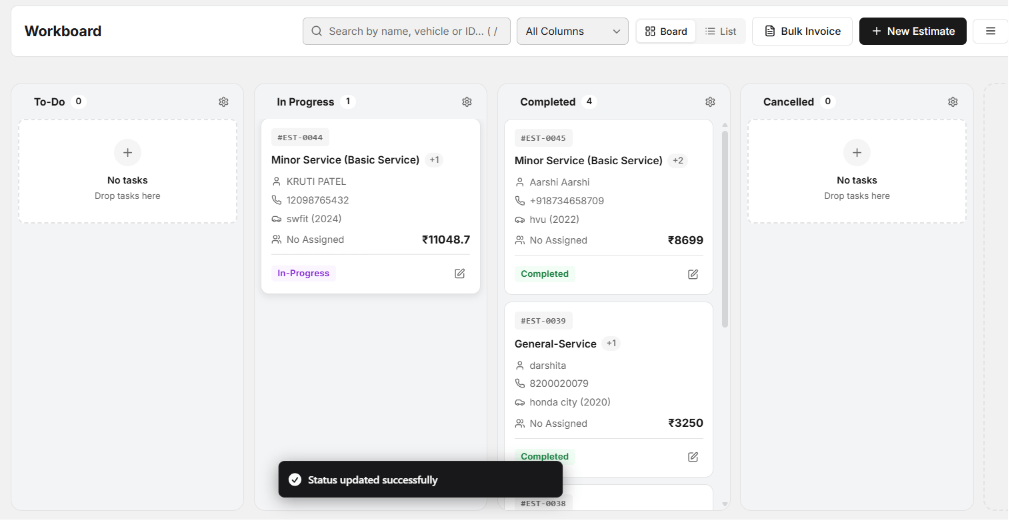
A digital job card process can make this information easier to create, update, and review. Technicians can receive clear instructions, while service advisors can track the progress of different vehicles.
This reduces the need for repeated paperwork and helps the shop maintain better control over its daily repair activities.
3. Improve Appointment Scheduling
A busy automotive shop needs proper appointment planning. If too many vehicles arrive at the same time, technicians may become overloaded and customers may have to wait longer.
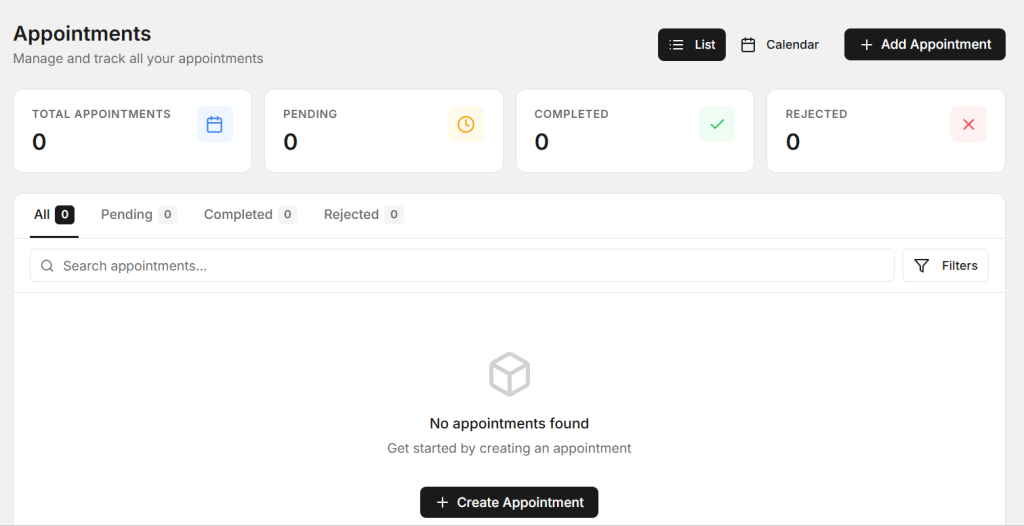
A structured appointment process helps the team understand how many vehicles are expected and what type of service each vehicle requires. This allows managers to plan resources more effectively.
Good appointment scheduling is an important part of Automotive Shop Management because it helps balance customer demand with available technicians and workshop capacity.
4. Track Spare Parts Properly
Spare parts can have a major impact on repair time. If a required part is not available, the vehicle may remain in the shop longer than expected.
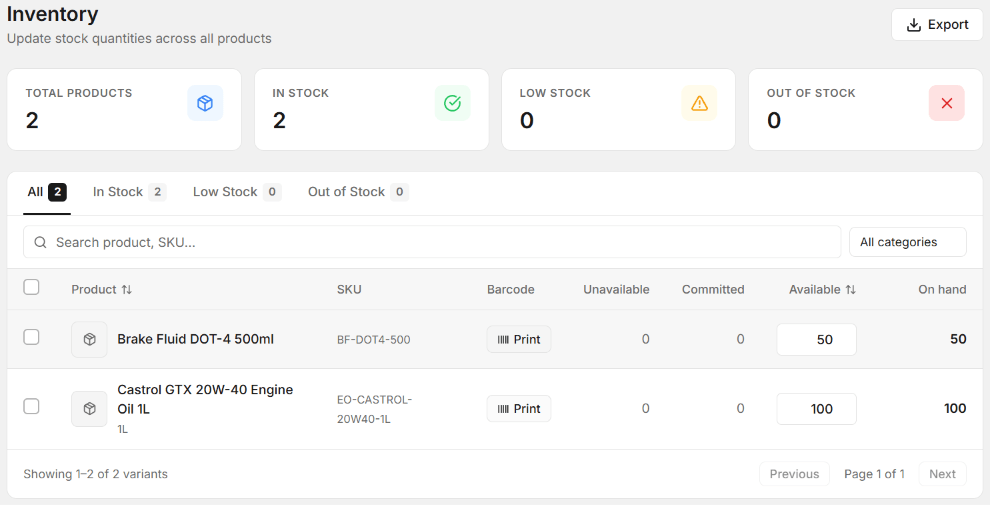
Keeping proper information about parts, quantities, and usage can help shops plan their inventory better. Employees can identify frequently used items and avoid unnecessary shortages.
Better parts tracking also makes it easier to understand which items are being used during specific repairs. This can support more accurate billing and better cost control.
5. Assign Technician Tasks Clearly
Technicians need clear instructions to complete repairs efficiently. When tasks are not assigned properly, employees may spend extra time asking questions or deciding which vehicle should be handled first.
A better management process allows shop managers to assign tasks according to technician availability, skills, and workload. Managers can also monitor the progress of ongoing repairs.
This creates better coordination between technicians and service advisors and helps the shop complete jobs in a more organized manner.
6. Make Billing Faster and More Accurate
Billing is an important part of the customer experience. Customers want a clear invoice that explains the services completed, parts used, labor charges, discounts, and final amount.
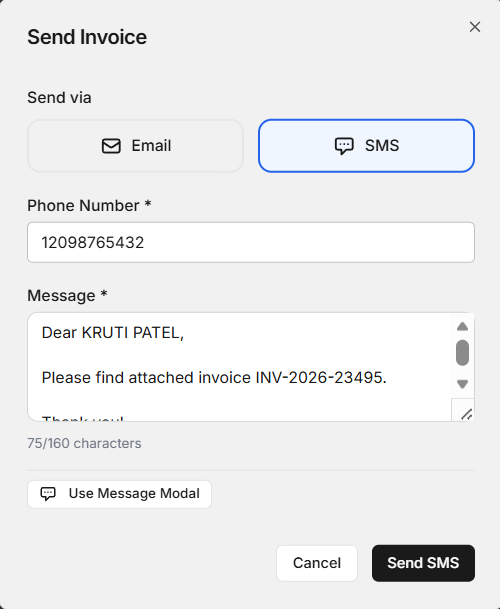
A digital billing process can reduce repetitive calculations and make invoice preparation easier. It also helps employees find information about the work completed before preparing the final bill.
Automotive Shop Management should include a clear billing process because accurate invoices can reduce confusion and improve customer confidence.
7. Improve Customer Communication
Good communication can make a major difference in how customers view an automotive shop. Customers want to know what is wrong with their vehicle, what repairs are required, how long the work may take, and what the expected cost is.
Service advisors should provide clear updates when the repair status changes or when additional work is required. Keeping customers informed can reduce misunderstandings and create a more professional experience.
Better communication also helps customers understand why a particular repair or replacement is recommended.
8. Use Reports to Understand Your Business
Shop owners need to understand how their business is performing. Looking at sales, completed jobs, service types, parts usage, and customer activity can provide useful information.
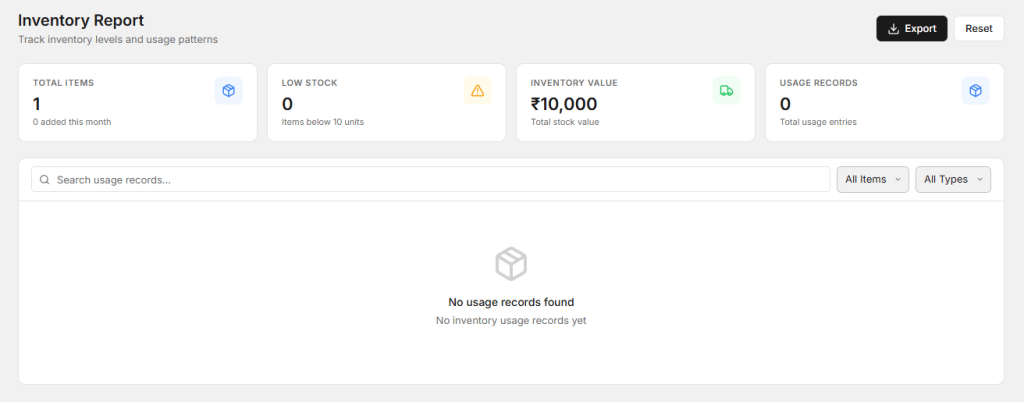
Reports can help identify busy periods, frequently requested services, popular parts, and areas where the shop may be losing time or money.
Using information to make decisions is another important part of Automotive Shop Management. Instead of relying only on assumptions, owners can use business records to plan improvements.
How Digital Tools Help Automotive Shops
Manual records can become difficult to maintain when the business grows. Employees may need to enter information in multiple places, search through old documents, or spend time preparing reports manually.
Digital tools can simplify these activities by keeping important information organized. Customer records, vehicle details, job cards, appointments, inventory, and billing can be managed through a more connected workflow.
This can reduce repetitive tasks and give employees more time to focus on customers and vehicle service.
Benefits of Smarter Shop Management
Improving your management process can provide several practical benefits. A well-organized shop can handle daily work more smoothly and reduce unnecessary delays.
- Less paperwork
- Faster job card creation
- Better appointment planning
- Easy access to customer records
- Improved vehicle service tracking
- Better spare parts control
- Faster billing
- Clearer customer communication
- Better business reporting
These improvements can help employees work more efficiently while giving customers a smoother service experience.
How AutoDots Can Help Your Automotive Business
AutoDots provides digital solutions designed to help automotive businesses improve their daily operations. Modern tools can help shops organize customer information, vehicle services, job cards, appointments, and other important activities.
Automotive Shop Management becomes easier when technology is used to reduce manual work and improve coordination between service advisors, technicians, and business owners.
Businesses interested in automotive technology and partnership opportunities can explore the AutoDots partner program to learn more.
For more automotive business guides, workshop tips, and useful industry information, visit the AutoDots blog.
Simple Tips to Improve Your Shop Every Day
You do not need to change everything at once. Start with the processes that create the most problems in your shop. If employees spend too much time searching for records, improve record management first. If customers wait too long, focus on appointments and job scheduling.
Train your team to follow the same process for every vehicle. Keep customer and vehicle information updated, record repair details properly, and make sure every completed job is closed correctly.
Regularly review your shop’s performance as well. Small improvements made consistently can create a noticeable difference over time.
Common Problems to Avoid
One common problem is keeping information in different places. Customer details may be stored in one file, job card information in another, and billing records somewhere else. This can make daily work slower.
Another problem is poor communication between service advisors and technicians. Clear instructions should be given before repair work starts, and important changes should be communicated quickly.
Shops should also avoid relying completely on memory. Important customer, vehicle, and repair information should always be recorded properly.
Frequently Asked Questions
What is automotive shop management?
Automotive shop management is the process of organizing customer records, vehicle services, job cards, appointments, technicians, spare parts, billing, and other daily activities in an automotive business.
How can Automotive Shop Management improve efficiency?
Automotive Shop Management can improve efficiency by reducing manual work, organizing important information, improving repair tracking, and helping teams manage daily activities more effectively.
Can small automotive shops use digital management software?
Yes. Small automotive shops can use digital solutions to reduce paperwork, organize customer information, improve service processes, and prepare their business for future growth.
Why are digital job cards useful?
Digital job cards make it easier to record customer requirements, assign repair tasks, track progress, and review completed work without depending on physical paperwork.
Can better shop management improve customer satisfaction?
Yes. Better organization can help shops provide faster service, clearer communication, accurate billing, and timely updates, which can improve customer satisfaction.
Conclusion
Running an automotive business efficiently requires more than quality repair work. Proper organization is important for managing customers, vehicles, technicians, spare parts, appointments, and billing.
Automotive Shop Management provides a smarter way to organize these activities and reduce unnecessary manual work. By improving job cards, appointment scheduling, customer records, inventory, technician tasks, billing, communication, and reporting, automotive shops can create a more efficient workflow.
The goal is simple: work smarter, reduce confusion, and provide better service. With the right processes and digital tools, automotive shops can save time, improve customer trust, and build a stronger foundation for long-term growth.