Running a car repair shop involves many daily activities. You need to manage customers, vehicles, job cards, technicians, spare parts, appointments, invoices, and service updates. When all of these tasks are handled manually, it can become difficult to stay organized and provide fast service.
Car Repair Shop Management helps workshops create a more organized process for handling their daily operations. With the right system and simple working methods, a repair shop can reduce paperwork, save time, improve communication, and provide a better experience for customers.
Whether you run a small local garage or a growing repair workshop, staying organized can make your daily work easier. In this guide, we will look at five simple ways to improve your workshop workflow and keep important information under control.
Table of Contents
Why Staying Organized Matters in a Car Repair Shop
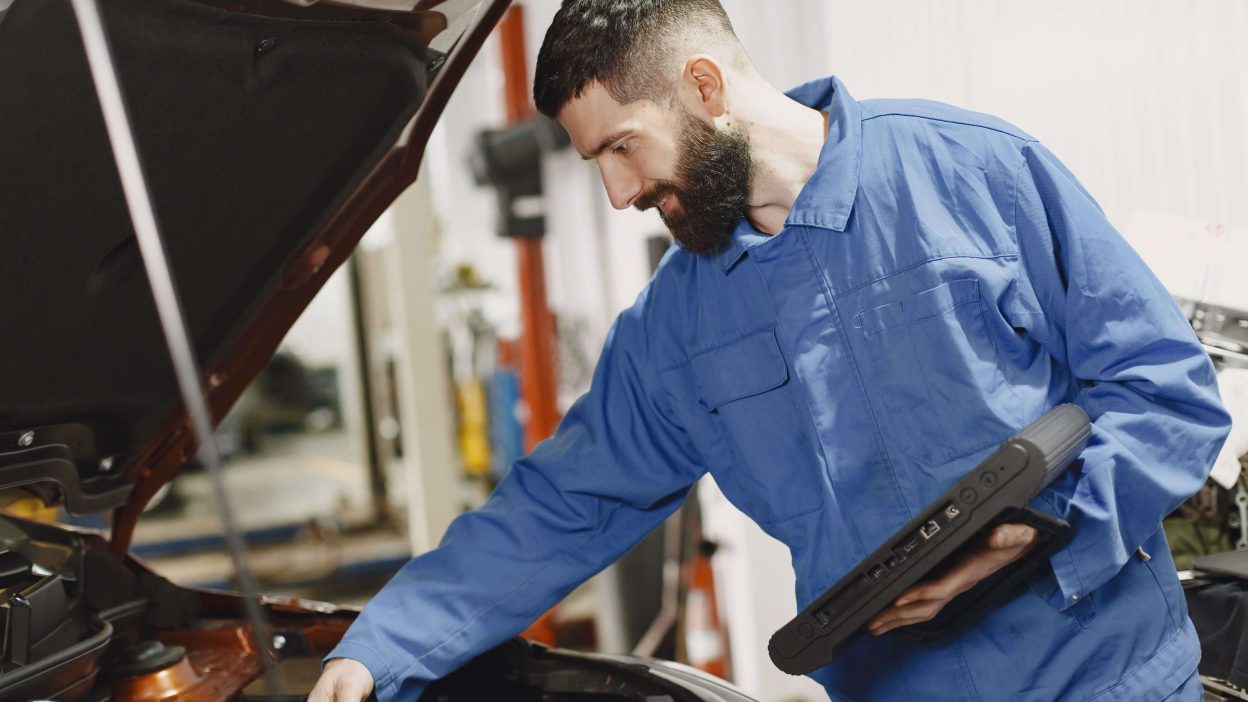
A busy repair shop may handle several vehicles at the same time. One car may be waiting for inspection, another may be under repair, and another may be ready for delivery. If vehicle information and repair tasks are not properly tracked, employees can easily miss important details.
Car Repair Shop Management gives workshop owners a structured way to manage customer information, repair activities, job status, and daily tasks. It helps the team understand what needs to be done and when it needs to be completed.
Better organization also helps create a professional customer experience. When customers receive clear updates and accurate bills, they are more likely to trust the workshop and return for future services.
5 Easy Ways to Stay Organized
1. Keep Customer and Vehicle Records in One Place
Customer and vehicle information is important for every repair shop. Details such as customer contact information, vehicle model, registration number, previous repairs, and service history can help the team understand what the vehicle needs.
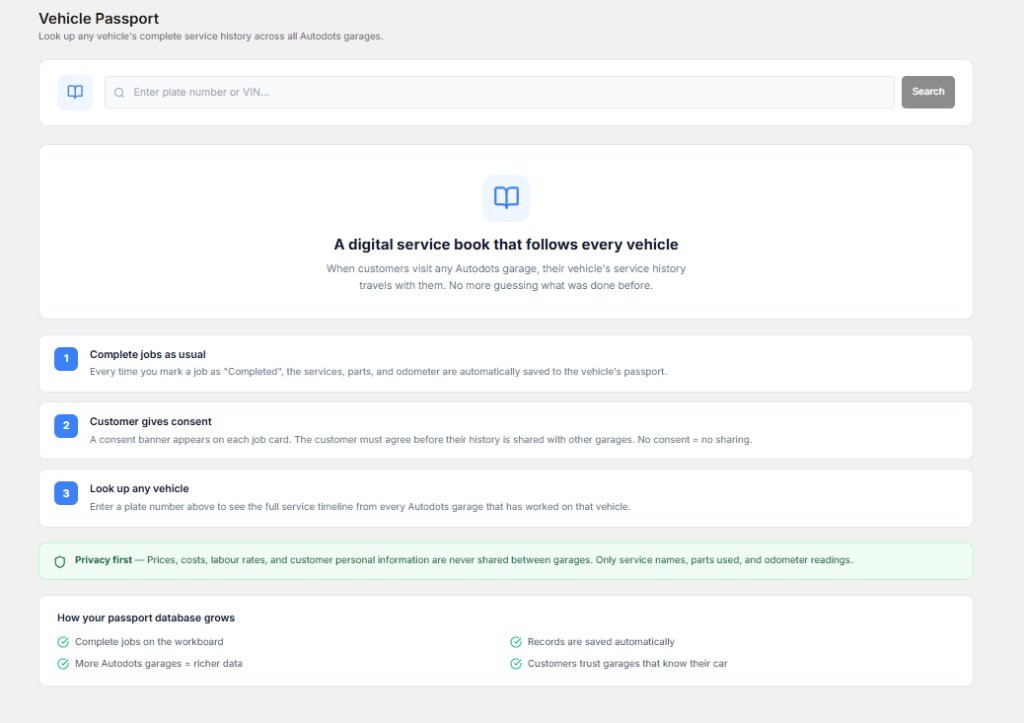
Car Repair Shop Management becomes easier when these details are stored in an organized system. Employees can find the required information quickly instead of searching through paper files or different spreadsheets.
When a customer returns for another service, the team can check previous repair information and provide more informed assistance. This can also help build long-term customer relationships.
2. Use Clear Job Cards for Every Vehicle
A job card is one of the most useful records in a repair workshop. It can include customer complaints, vehicle details, inspection results, repair requirements, parts used, technician notes, and job status.
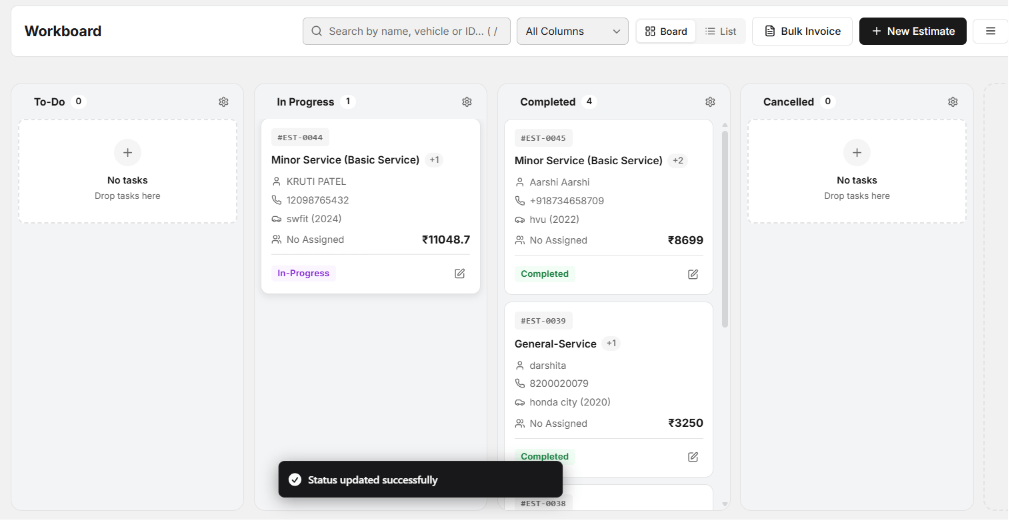
Creating a clear job card for every vehicle helps technicians understand exactly what work needs to be completed. Service advisors can also use it to track the progress of the repair.
Digital job cards can make this process even easier because information can be updated as the repair moves forward. This reduces paperwork and makes it easier for managers to see which jobs are pending or completed.
3. Plan Appointments and Daily Work Properly
Good appointment planning can help a workshop avoid unnecessary crowding and long customer waiting times. If too many vehicles arrive at once, technicians may become overloaded and service quality can be affected.
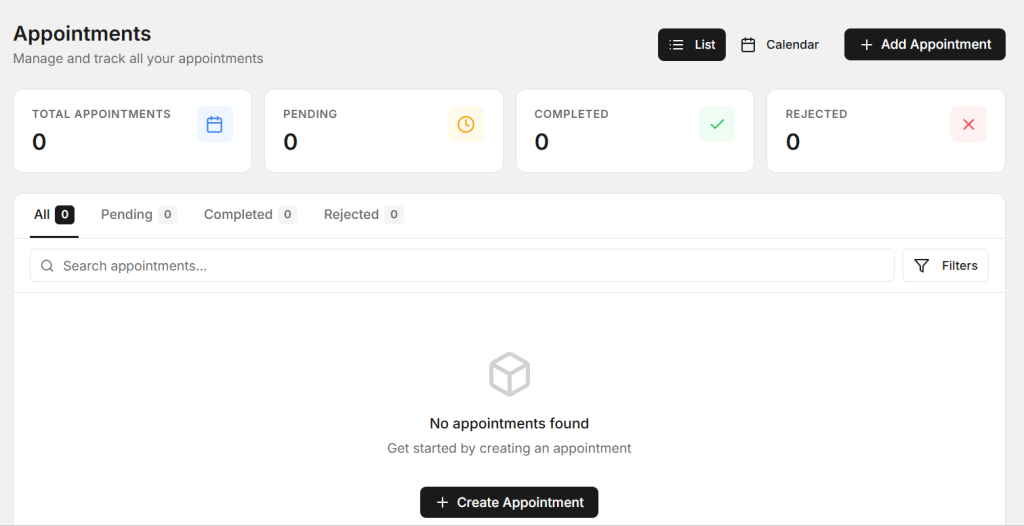
A structured booking process helps the team understand the day’s expected workload. Managers can then plan technicians, service bays, and other resources according to the number and type of vehicles scheduled.
Car Repair Shop Management also becomes more effective when the team reviews the next day’s appointments in advance. This gives employees time to prepare for special repairs or parts requirements.
4. Track Spare Parts and Repair Materials
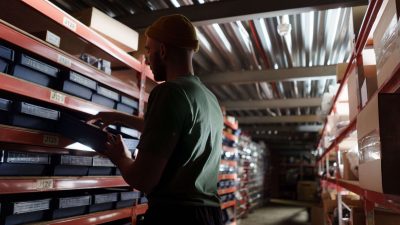
Spare parts are an important part of vehicle repair. A workshop may use many different filters, brake components, oils, batteries, belts, sensors, and other parts during daily operations.
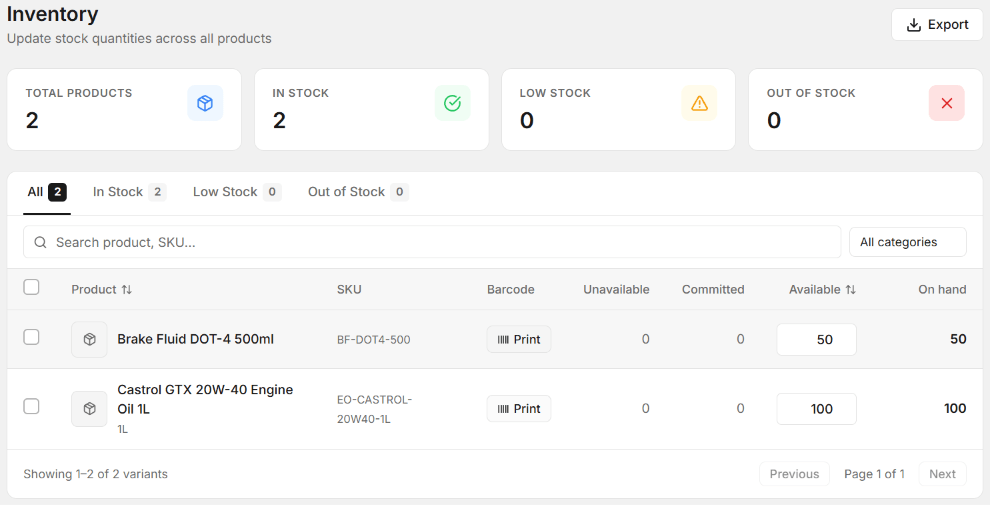
Without proper tracking, a shop may run out of important items or purchase more stock than required. Both situations can increase costs or delay repairs.
Keeping product information and parts usage organized helps the team understand what is available and what needs to be reordered. This can support better planning and reduce avoidable repair delays.
5. Make Billing and Customer Communication Simple
The repair process does not end when the technician finishes the job. Customers also need a clear explanation of the work completed and an accurate invoice.
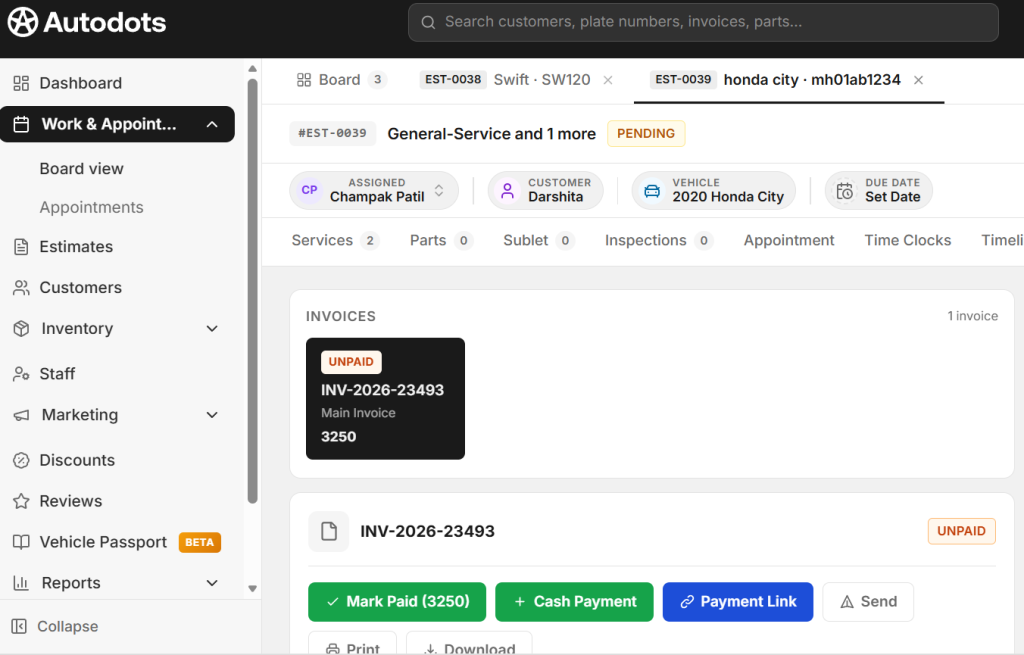
A structured billing process helps service advisors prepare invoices with details such as labor charges, parts, services, discounts, taxes, and the final amount. Clear invoices make it easier for customers to understand their bills.
Car Repair Shop Management should also include regular customer communication. If an additional repair is discovered, the customer should be informed before the work is completed. Clear communication can reduce confusion and improve trust.
How Digital Tools Can Help Your Repair Shop
Many workshops still depend on notebooks, paper job cards, spreadsheets, and separate records. These methods may work when the number of vehicles is small, but they can become difficult to manage as the business grows.

Digital tools can bring customer records, vehicle information, job cards, appointments, inventory, and billing into a more organized workflow. This reduces the need to search through multiple records and can save valuable time.
For growing workshops, Car Repair Shop Management can help create a smoother process where employees can access important information when they need it.
Benefits of Staying Organized
An organized repair shop can work more efficiently and provide a more consistent customer experience. Simple improvements in daily processes can create several useful benefits.
- Less paperwork and repetitive work
- Faster access to customer information
- Better job card tracking
- Improved appointment planning
- Better spare parts control
- Clearer technician instructions
- Faster invoice preparation
- Better customer communication
- Reduced chances of missing important tasks
These benefits can help workshop owners and employees manage daily work with less confusion and more confidence.
How AutoDots Can Support Modern Workshops
AutoDots provides digital solutions designed to help automotive businesses improve their daily operations. Modern workshop tools can help teams organize customer information, vehicle services, job cards, appointments, and other important activities.
Car Repair Shop Management becomes easier when technology is used to reduce manual work and improve coordination between service advisors, technicians, and workshop owners.
Businesses interested in automotive technology and partnership opportunities can explore the AutoDots partner program to learn more.
For more automotive business guides, workshop tips, and useful technology information, visit the AutoDots blog.
Simple Tips to Keep Your Shop Organized Every Day
Staying organized does not require complicated changes. Start by making sure every vehicle has a proper job record. Keep customer details updated and make sure technicians receive clear instructions before starting repair work.
Review upcoming appointments regularly and check whether required spare parts are available. At the end of every job, make sure the repair status and billing information are updated correctly.
Car Repair Shop Management works best when every employee follows the same process. A consistent workflow reduces confusion and makes it easier for managers to identify problems.
Common Organization Problems to Avoid
One common problem is keeping customer information in different places. When employees have to search through multiple notebooks or files, simple tasks can take much longer.
Another problem is failing to update job status. If a vehicle is completed but the record still shows it as pending, service advisors may provide incorrect information to the customer.
Workshops should also avoid depending on memory for important repair details. Customer complaints, technician notes, parts used, and additional repair approvals should be recorded properly.
Frequently Asked Questions
What is car repair shop management?
Car repair shop management is the process of organizing customer records, vehicle services, job cards, appointments, technicians, spare parts, billing, and other daily workshop activities.
How can Car Repair Shop Management improve efficiency?
Car Repair Shop Management can improve efficiency by reducing manual work, organizing important information, improving repair tracking, and helping teams manage their daily activities more effectively.
Can small car repair shops use digital management tools?
Yes. Small repair shops can use digital solutions to organize their operations, reduce paperwork, improve customer communication, and prepare their business for future growth.
Why are digital job cards useful?
Digital job cards make it easier to record customer complaints, assign repair tasks, track service progress, and review completed work without depending on physical paperwork.
Can better workshop organization improve customer satisfaction?
Yes. Better organization can help workshops provide faster service, clearer communication, accurate billing, and timely updates, which can improve customer satisfaction.
Conclusion
A successful repair shop needs good organization along with skilled technicians and quality repair work. As the number of customers and vehicles increases, manual processes can become difficult to maintain.
Car Repair Shop Management provides a smarter way to organize customer records, job cards, appointments, spare parts, technician tasks, billing, and customer communication. These improvements can help workshops save time and reduce daily confusion.
By following simple processes and using suitable digital tools, repair shops can improve productivity and provide a more professional service experience. Staying organized today can help your workshop handle more customers and support steady business growth in the future.