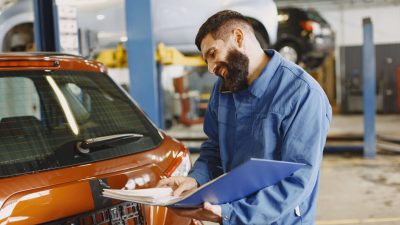
Payments are an important part of every automotive business. Whether you run a garage, service center, repair shop, or automotive parts business, customers expect the payment process to be simple and clear. Long payment steps, manual invoices, and unclear charges can create frustration for both customers and workshop staff. An Automotive Checkout Solution can help make the payment process more organized and convenient.
A modern checkout process should do more than simply collect money. It should connect services, parts, invoices, customer information, and payment records in a simple workflow. This can help businesses save time, reduce mistakes, and provide a better customer experience.
In this blog, we will explore six smart ways an Automotive Checkout Solution can improve payments and make everyday automotive business operations easier.
Table of Contents

What Is an Automotive Checkout Solution?
An Automotive Checkout Solution is a digital payment and checkout system designed for automotive businesses. It can help manage the final stage of a service or repair transaction by connecting the customer’s job, invoice, services, parts, and payment information.
Instead of handling invoices and payments separately, a digital checkout process can bring important information together. This makes it easier for staff to understand the final bill and for customers to see what they are paying for.
Depending on the system, checkout tools may support invoice management, payment tracking, digital records, customer information, and other workshop processes.
1. Make the Payment Process Faster
Customers usually want a quick and simple experience when collecting their vehicles. If staff need to calculate charges manually, search through paper records, and prepare an invoice from scratch, checkout can take longer.
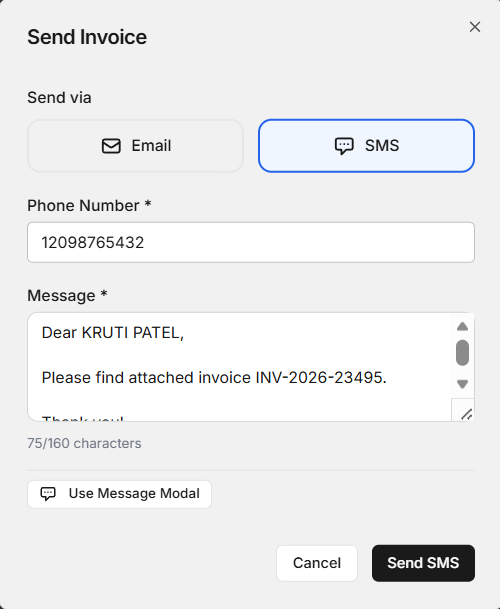
An Automotive Checkout Solution can help bring service charges, labour, parts, and other costs together before the customer reaches the payment stage.
This means staff can spend less time checking different records and more time helping customers. A more organized process can also reduce waiting time at the front desk.
For busy workshops, even small improvements in the checkout process can make daily operations smoother. When several customers arrive around the same time, having a clear digital process can help the team handle payments more efficiently.
2. Create Clear and Accurate Invoices
A clear invoice helps customers understand exactly what they are paying for. Automotive repair bills can include many different items, such as labour, spare parts, inspections, maintenance services, and additional work.
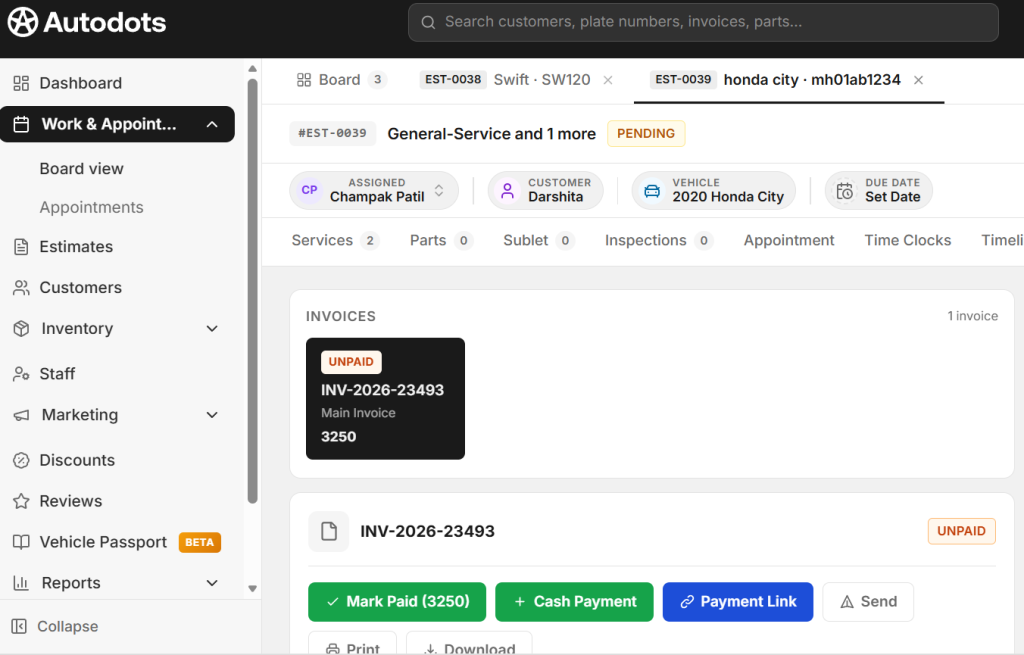
With an Automotive Checkout Solution, these items can be organized into a digital invoice. Staff can review the completed job and make sure the relevant services and parts are included before payment.
Clear invoices can reduce confusion and help customers understand the value of the work completed on their vehicle. They also provide useful records for future reference.
For workshop owners, organized invoice records can make it easier to review previous transactions and maintain better business documentation.
3. Give Customers a Better Payment Experience
Customers expect payment to be simple. They do not want to deal with confusing bills or unnecessary steps after their vehicle repair is finished.
A digital checkout process can create a smoother customer journey. The customer can review the invoice, understand the charges, and complete the payment using the available payment method supported by the business.
An Automotive Checkout Solution can also help make the final interaction more professional. When the payment process is organized, customers may feel more confident about the overall service experience.
A good payment experience is especially important for customers who return to the same workshop regularly. Simple and consistent checkout can become part of a positive customer relationship.
4. Reduce Manual Payment Errors
Manual payment and billing processes can create opportunities for mistakes. A staff member may forget to add a part, enter the wrong amount, or record a payment incorrectly.
Digital systems can reduce some of these manual steps by connecting job information with billing and payment records.
Using an Automotive Checkout Solution can help your team follow a more consistent process from completed repair to final invoice and payment record.
This does not mean every error will disappear. Staff still need to check information carefully. However, reducing repeated manual data entry can make the process easier to manage and help lower the risk of common mistakes.
5. Keep Payment Records Organized
Payment records are important for every automotive business. Workshop owners need to know which jobs have been paid, which invoices are still open, and how much revenue has been generated.
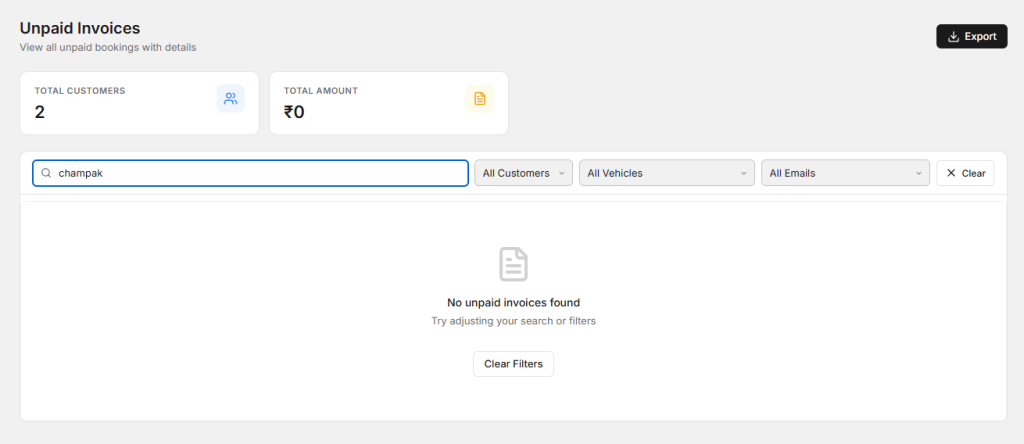
An Automotive Checkout Solution can help keep payment information connected with customer and job records. Instead of searching through multiple files, staff can use digital records to find transaction information more easily.
Organized records can also help when customers have questions about previous payments or invoices. Your team can review the relevant information and provide a clearer answer.
Better records can also make routine business review easier. Owners can understand payment activity and identify areas where the checkout process may need improvement.
6. Connect Checkout With Workshop Management
The checkout process should not exist separately from the rest of the workshop. It is connected to everything that happens before the customer pays.
A vehicle comes into the workshop. Customer and vehicle information is recorded. A job is created. Services and repairs are added. Technicians complete the work. Parts and labour are recorded. Then the final invoice is prepared and payment is collected.
An Automotive Checkout Solution can help connect these stages into one smoother workflow.
When workshop information is connected, staff do not need to repeatedly enter the same information in different places. This can save time and make it easier to follow the complete history of a job.
Why a Simple Checkout Process Matters
It is easy to focus on the repair itself and forget about the final payment experience. However, checkout is often the last major interaction between the customer and the workshop during a service visit.
If the repair was completed well but the customer faces a confusing invoice or slow payment process, the overall experience can still be disappointing.
A simple checkout process can help create a smoother ending to the customer’s visit. It can also help staff complete their work without unnecessary paperwork or repeated calculations.
Important Features to Look For
When choosing an Automotive Checkout Solution, look for features that match the real needs of your automotive business. The system should be easy for your staff to use and simple enough for customers to understand.
- Digital invoice creation
- Clear service and parts breakdown
- Payment tracking
- Customer and vehicle records
- Job and repair information
- Easy access to previous transactions
- Simple checkout workflow
- Useful business reports
The right features will depend on your business size and workflow. A small independent garage may need a simple system, while a larger service center may require more advanced management tools.
How AutoDots Can Help Your Workshop
AutoDots provides digital tools that can help automotive workshops manage different parts of their daily operations. These tools can support areas such as customer records, vehicle information, services, technicians, job cards, inventory, and invoices.
If you are looking for an Automotive Checkout Solution as part of a wider digital workshop process, exploring a connected platform can help you understand how checkout fits with your other daily operations.
You can learn more about opportunities for workshops through the AutoDots partner program. For more useful automotive and workshop management information, visit the AutoDots blog.
Tips for Improving Your Workshop Payment Process
Improving payments does not always require a complicated change. Start by looking at the steps your staff follow today and identify where customers or employees face delays.
- Keep customer and vehicle details updated.
- Record all services and parts correctly.
- Review invoices before presenting them to customers.
- Keep payment records connected with the correct job.
- Train staff on the checkout process.
- Use clear communication when discussing charges.
- Review payment records regularly.
A consistent process can make it easier for every team member to handle checkout in the same way.
Common Payment Problems to Avoid
One common problem is unclear billing. Customers should be able to understand the services and parts included in their invoice. Another problem is incomplete payment records, which can make it difficult to check whether a transaction has been completed.
Workshops should also avoid depending completely on manual calculations when digital tools can reduce repeated work. Staff should still review the final invoice, but using organized digital records can make the checking process easier.
Finally, do not ignore customer questions about invoices. A clear explanation can prevent confusion and help build trust.
Frequently Asked Questions
What is an Automotive Checkout Solution?
It is a digital system that helps automotive businesses manage the checkout and payment stage of a customer transaction. It can connect invoices, services, parts, jobs, and payment records.
Can digital checkout reduce payment errors?
It can reduce some manual data entry and calculation steps, which may help lower the risk of common mistakes. Staff should still review invoices and payment information before completing a transaction.
Is digital checkout useful for small garages?
Yes. Small garages can benefit from organized invoices, payment records, customer information, and simpler checkout processes. The system should be selected based on the garage’s actual needs.
Can checkout be connected with job cards?
Yes. A connected workshop system can link completed job information with services, parts, labour, invoices, and payment records. This can make the overall workflow easier to manage.
Why is a good payment experience important?
Payment is usually one of the final steps in a customer’s workshop visit. A clear and simple process can reduce confusion, save staff time, and help create a better overall customer experience.
Conclusion
Payments are more than the final step of a repair job. They are an important part of the customer experience and the workshop’s daily business operations. An Automotive Checkout Solution can help make this process more organized by connecting invoices, services, parts, customer records, and payment information.
From faster checkout and clearer invoices to better payment records and fewer manual steps, digital tools can help automotive businesses create a smoother payment workflow.
The best approach is to choose a solution that is simple for your team, clear for customers, and connected to the wider workshop process. By improving the checkout experience, your business can make daily operations easier while giving customers a more professional and convenient way to complete their payments.