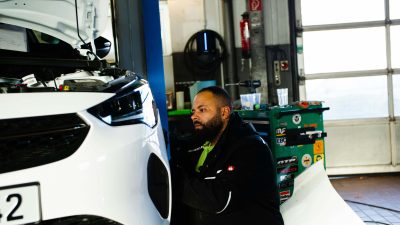
Every workshop owner wants to serve more customers, complete repairs faster, and improve profitability. However, many garages struggle with delays, miscommunication, technician downtime, and inefficient processes that limit daily productivity. The good news is that major improvements do not always require additional staff or expensive equipment. Often, better workshop workflow optimization can significantly increase daily output while reducing stress for both employees and customers.
A streamlined workflow helps workshops operate more efficiently, improve service quality, and create a better customer experience. By identifying bottlenecks and implementing smarter processes, garage owners can maximize productivity without sacrificing quality. In this article, we’ll explore five practical strategies for successful workshop workflow optimization.
Table of Contents
Why Workshop Workflow Matters
Workflow is the process that moves a vehicle from customer check-in to completed service and final delivery. When even one step becomes inefficient, the entire operation can slow down.
Effective workshop workflow optimization helps ensure that technicians, service advisors, and managers work together efficiently while minimizing wasted time.
- Faster service completion
- Improved technician productivity
- Reduced customer waiting times
- Better resource utilization
- Higher customer satisfaction
- Increased daily revenue potential
1. Digitize Job Cards and Service Records
Paper-based job cards often create unnecessary delays. Information can be misplaced, difficult to read, or unavailable when needed. Digital records allow teams to access service information instantly and keep everyone aligned throughout the repair process.
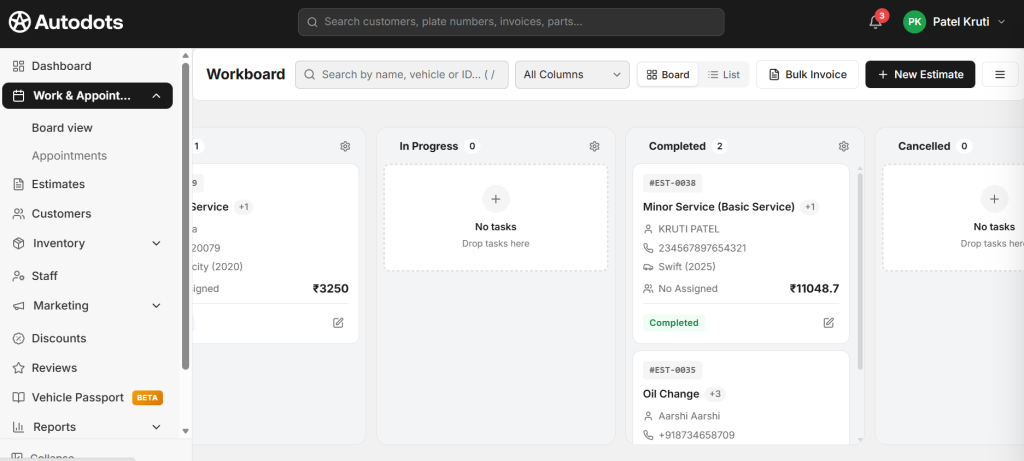
One of the most impactful improvements in workshop workflow optimization is replacing manual paperwork with digital systems that provide real-time visibility into ongoing jobs.
Benefits of Digital Records
- Faster information access
- Reduced administrative work
- Improved communication
- Better job tracking
- Accurate service histories
2. Improve Appointment Scheduling
Poor scheduling can lead to overcrowded workloads on some days and underutilized resources on others. Efficient scheduling helps balance workload distribution and improves technician productivity.
Successful workshop workflow optimization requires aligning customer appointments with available staff, equipment, and workshop capacity.
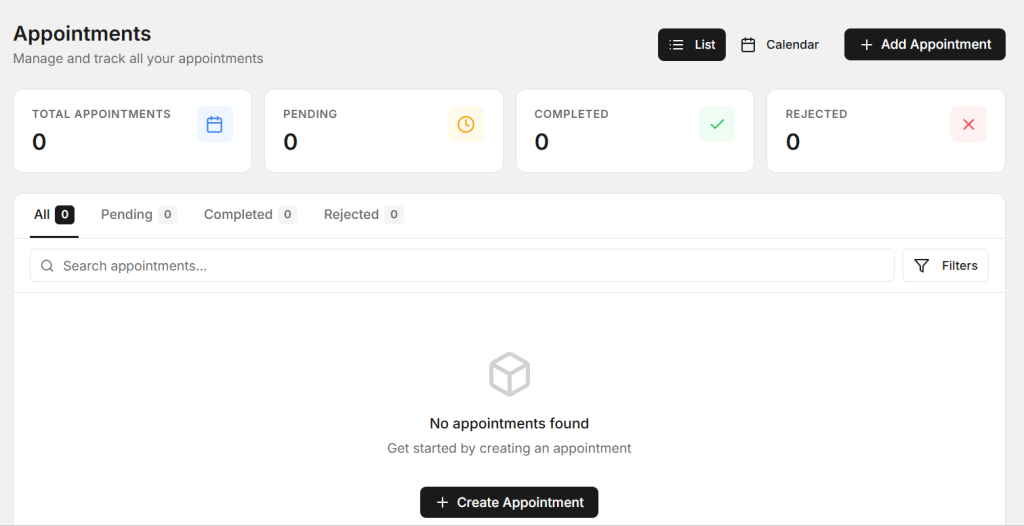
When appointments are planned effectively, technicians can focus on repairs instead of constantly adjusting to unexpected workload fluctuations.
3. Eliminate Communication Gaps
Miscommunication is one of the most common causes of delays in automotive workshops. Missing information, unclear instructions, or delayed updates can slow down repairs and frustrate customers.
Strong communication processes are essential for effective workshop workflow optimization.
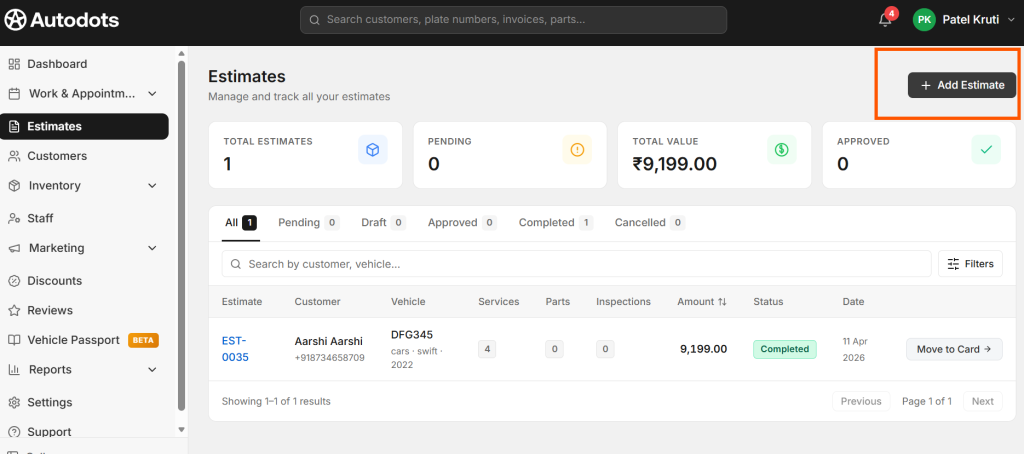
Areas That Require Clear Communication
- Customer service requests
- Repair approvals
- Parts availability updates
- Technician instructions
- Job status tracking
Ensuring that everyone has access to accurate information helps prevent costly interruptions.
4. Organize Parts and Inventory Management
Waiting for parts can quickly disrupt workshop productivity. Technicians may spend valuable time searching for inventory or waiting for deliveries instead of performing repairs.
Inventory control plays a major role in workshop workflow optimization because parts availability directly impacts service completion times.
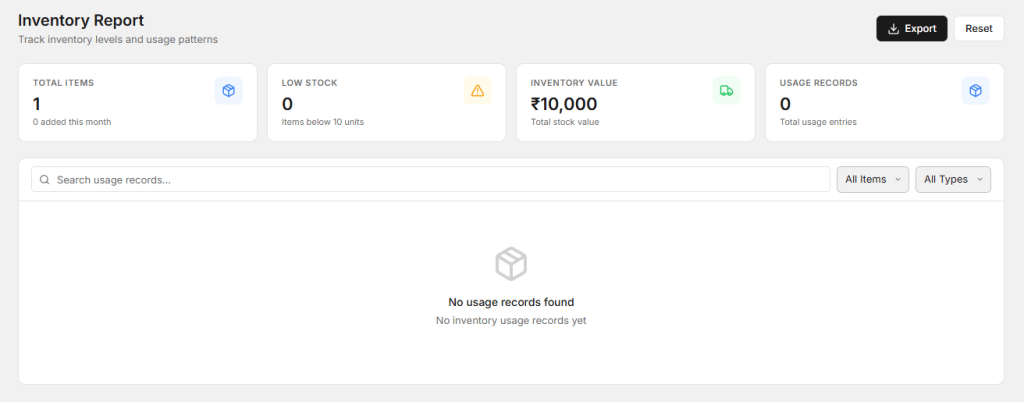
A well-organized inventory system helps workshops:
- Reduce repair delays
- Improve stock visibility
- Avoid emergency purchases
- Increase technician efficiency
- Improve customer satisfaction
5. Monitor Performance and Identify Bottlenecks
Many workshops experience recurring delays without fully understanding their causes. Measuring performance helps managers identify inefficiencies and implement targeted improvements.
Regular performance analysis is a key component of long-term workshop workflow optimization.
Metrics Worth Tracking
- Average repair completion time
- Technician productivity
- Vehicle turnaround time
- Appointment completion rates
- Customer satisfaction levels
- Daily service volume
These insights help managers make informed decisions that improve operational efficiency.
Common Workflow Challenges in Modern Workshops
Even experienced workshops encounter operational obstacles that reduce productivity.
- Manual paperwork processes
- Scheduling conflicts
- Inventory shortages
- Poor communication
- Lack of real-time visibility
- Unbalanced technician workloads
Addressing these challenges through workshop workflow optimization can create significant improvements in daily performance.
How Autodots Helps Streamline Workshop Operations
Autodots provides digital tools designed to help workshops improve efficiency, visibility, and operational control.
Features such as digital job cards, service tracking, customer management, appointment scheduling, workflow monitoring, and reporting support effective workshop workflow optimization across every stage of the repair process.
By centralizing workshop information and reducing manual tasks, businesses can focus more on productivity and customer service.
You can also explore additional workshop management insights on the Autodots Blog.
Building a Culture of Continuous Improvement
Workflow optimization is not a one-time project. The most successful workshops continuously evaluate processes and look for opportunities to improve efficiency.
Encouraging feedback from technicians, service advisors, and customers can help identify practical improvements that support ongoing workshop workflow optimization.
Small adjustments made consistently often produce larger long-term results than major operational changes.
Frequently Asked Questions (FAQs)
What is workshop workflow optimization?
Workshop workflow optimization involves improving processes, communication, and resource management to increase efficiency and productivity.
How can workshops increase daily output?
By improving scheduling, digitizing records, managing inventory effectively, and reducing workflow bottlenecks.
Why do workflow bottlenecks occur?
Common causes include poor communication, parts shortages, scheduling issues, and inefficient administrative processes.
Can digital tools improve workshop efficiency?
Yes. Digital systems help streamline operations, improve visibility, and reduce manual workloads.
How does inventory management affect productivity?
Proper inventory control reduces repair delays and helps technicians complete jobs more efficiently.
How often should workshops review performance metrics?
Regular reviews help identify inefficiencies early and support continuous operational improvement.
Conclusion
Increasing daily output does not always require hiring more staff or expanding facilities. In many cases, smarter processes and better organization can produce significant results. Through effective workshop workflow optimization, garages can reduce delays, improve productivity, increase customer satisfaction, and maximize profitability.
By digitizing records, improving scheduling, strengthening communication, organizing inventory, and monitoring performance, workshop owners can create a more efficient and scalable business.
To simplify operations and improve workflow visibility, explore Autodots Garage Management Solutions and support smarter workshop management.