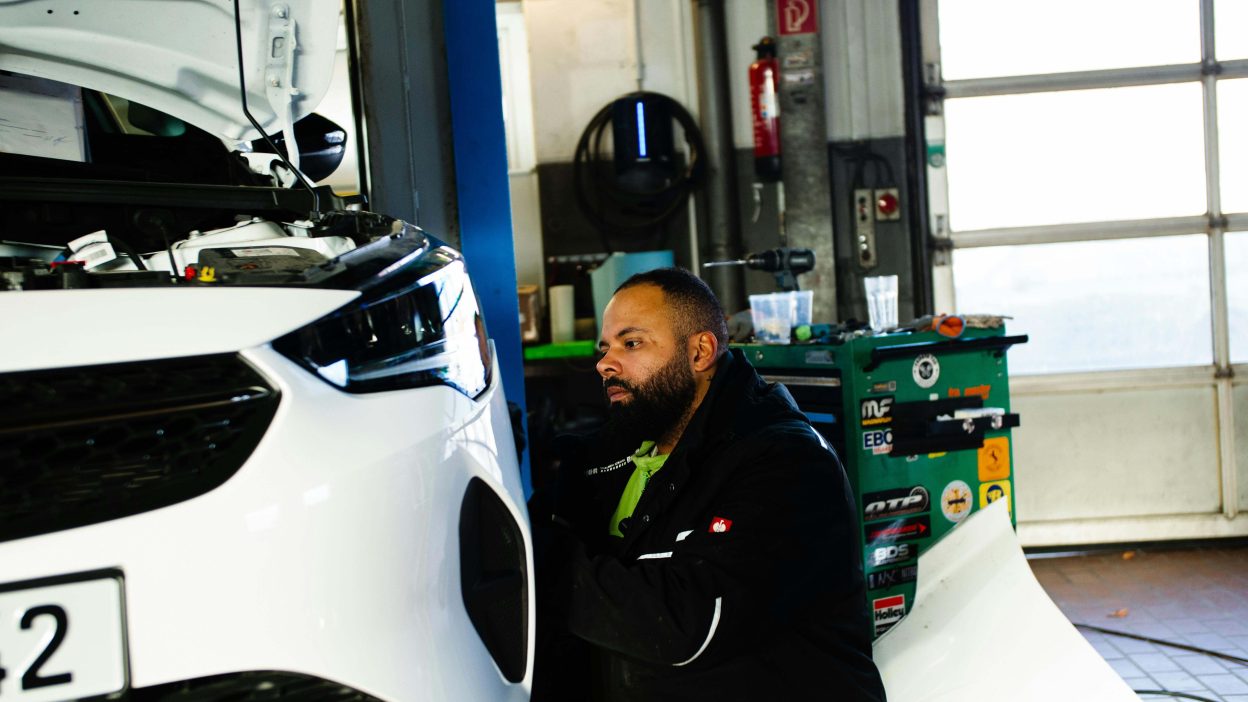
The first few minutes of the day often determine how productive and profitable a workshop will be. Many garage owners start their mornings by immediately responding to phone calls, handling customer questions, or dealing with unexpected issues. While this may seem productive, it often creates confusion and reactive decision-making throughout the day.
Successful workshop owners understand that a structured workshop morning routine can improve organization, reduce stress, and help the entire team operate more efficiently. Spending just 10 minutes each morning planning priorities and reviewing operations can prevent costly mistakes, improve productivity, and create a smoother workflow.
In this article, we’ll explore a simple workshop morning routine used by many high-performing garage owners to stay organized and maintain control of daily operations.
Table of Contents
Why a Morning Routine Matters in a Busy Workshop
Automotive workshops are fast-paced environments. Service appointments, technician schedules, customer inquiries, parts deliveries, and unexpected repairs all compete for attention.
Without a structured workshop morning routine, small issues can quickly become major disruptions.
Benefits of a Consistent Morning Routine
- Better daily organization
- Improved team communication
- Higher productivity
- Fewer workflow bottlenecks
- Reduced stress
- Better customer service
Minute 1–2: Review Today’s Schedule
The first step in an effective workshop morning routine is reviewing the day’s appointments and workload.
Take a quick look at:
- Scheduled vehicle services
- Pending repairs
- Expected customer arrivals
- Vehicle delivery commitments
- Technician availability
This overview helps identify potential scheduling conflicts before they affect productivity.
Minute 3–4: Check Priority Jobs
Not every repair has the same level of urgency. Some vehicles may need same-day delivery, while others require immediate diagnosis or customer approval.
A strong workshop morning routine includes identifying the most important jobs that require attention throughout the day.
Questions to Ask
- Which vehicles must be completed today?
- Are there any delayed repairs?
- Do any customers require urgent updates?
- Are parts available for scheduled work?
Addressing these priorities early helps prevent delays later.
Minute 5–6: Review Technician Workloads
Balancing technician workloads is critical for workshop efficiency.
An organized workshop morning routine ensures that tasks are distributed appropriately and that no team member becomes overloaded while others remain underutilized.
Review:
- Assigned repair jobs
- Technician availability
- Specialized skill requirements
- Expected completion times
This helps maximize productivity and improve workflow balance.
Minute 7–8: Verify Parts and Inventory Availability
Parts shortages are one of the most common causes of workshop delays. A quick inventory review can prevent technicians from losing valuable time waiting for components.
Successful workshop owners include inventory checks in their workshop morning routine to ensure that scheduled repairs can proceed without interruptions.
Items to Verify
- Parts for today’s jobs
- Critical stock levels
- Pending deliveries
- Special-order components
A few minutes spent checking inventory can save hours of downtime later.
Minute 9–10: Align the Team
Before work begins, gather technicians and service advisors for a brief team update.
The final step of an effective workshop morning routine is ensuring everyone understands daily priorities and expectations.
Topics to Discuss
- Priority repairs
- Customer commitments
- Safety reminders
- Parts availability
- Potential challenges
These short meetings improve communication and reduce confusion throughout the day.
Common Mistakes That Disrupt Productivity
Many workshop owners unintentionally start their day in ways that reduce efficiency.
- Skipping planning entirely
- Ignoring technician workloads
- Failing to review appointments
- Overlooking inventory issues
- Starting work without team communication
- Reacting instead of planning
Avoiding these habits helps make your workshop morning routine more effective and sustainable.
How Consistency Creates Long-Term Results
The true value of a workshop morning routine comes from consistency. Completing the same planning process every day creates better habits, stronger communication, and more predictable operations.
Over time, these small improvements often lead to:
- Higher productivity
- Faster vehicle turnaround times
- Better customer satisfaction
- Improved profitability
- Reduced workplace stress
How Autodots Simplifies Daily Workshop Management
Autodots helps workshop owners manage appointments, workflows, customer information, job tracking, service histories, and operational reporting through a centralized platform.
These tools support an effective workshop morning routine by providing instant visibility into daily operations and helping managers make informed decisions before the workday begins.
Instead of relying on paper records or manual tracking, workshop owners can quickly review schedules, monitor progress, and organize priorities from a single system.
For additional workshop management insights, visit the Autodots Blog.
Building a Routine That Works for Your Workshop
Every garage operates differently, so your morning routine should reflect your business needs. However, the core principles remain the same:
- Review schedules
- Prioritize important jobs
- Balance workloads
- Verify inventory
- Communicate with the team
A structured workshop morning routine helps create a proactive environment where problems are addressed before they impact productivity.
Frequently Asked Questions (FAQs)
What is a workshop morning routine?
A workshop morning routine is a short daily planning process that helps garage owners organize schedules, prioritize work, and prepare teams for the day.
How long should a morning routine take?
Most effective routines can be completed in about 10 minutes.
Why is planning important for workshops?
Planning helps prevent delays, improve communication, and increase overall productivity.
Should technicians participate in morning meetings?
Yes. Brief team discussions help align priorities and improve coordination throughout the day.
Can a morning routine improve profitability?
Yes. Better organization often leads to higher productivity, improved efficiency, and stronger customer satisfaction.
How can digital tools support workshop organization?
Digital systems provide visibility into schedules, workflows, inventory, and customer information, making daily planning more efficient.
Conclusion
Success in automotive repair is not only about technical expertise—it is also about organization and operational discipline. A simple workshop morning routine can help garage owners start each day with clarity, improve team coordination, reduce unnecessary delays, and increase productivity.
By investing just 10 minutes each morning, workshops can create smoother operations, deliver better customer experiences, and build a stronger foundation for long-term growth.
To simplify daily management and improve operational visibility, explore Autodots Garage Management Solutions and keep your workshop running efficiently every day.