
For many automotive workshops, paperwork has been a part of daily operations for decades. Job cards, service records, invoices, appointment logs, and customer files often fill cabinets, desks, and storage rooms. While these traditional methods may feel familiar, they can slow down operations, increase errors, and create unnecessary administrative work.
As the automotive industry becomes more digital, workshop owners are discovering the benefits of operating a paperless workshop. By replacing manual paperwork with digital systems, businesses can improve efficiency, enhance customer service, and gain better control over daily operations.
The good news is that transitioning to a paperless workshop doesn’t have to happen overnight. With the right approach, workshops can gradually adopt digital processes and start seeing results quickly.
Table of Contents
Why More Workshops Are Going Paperless
Today’s customers expect fast service, accurate communication, and professional experiences. At the same time, workshop owners need better ways to manage growing workloads and increasing business complexity.
A paperless workshop helps address these challenges by simplifying information management and reducing reliance on manual processes.
Benefits of Going Paperless
- Improved efficiency
- Faster information access
- Reduced administrative workload
- Better organization
- Enhanced customer experience
- Improved business visibility
These advantages make digital transformation an attractive investment for modern workshops.
Step 1: Evaluate Your Current Paper-Based Processes
Before making any changes, it’s important to understand where paperwork is currently being used throughout the business.
Identifying manual processes helps create a clear roadmap toward a paperless workshop.
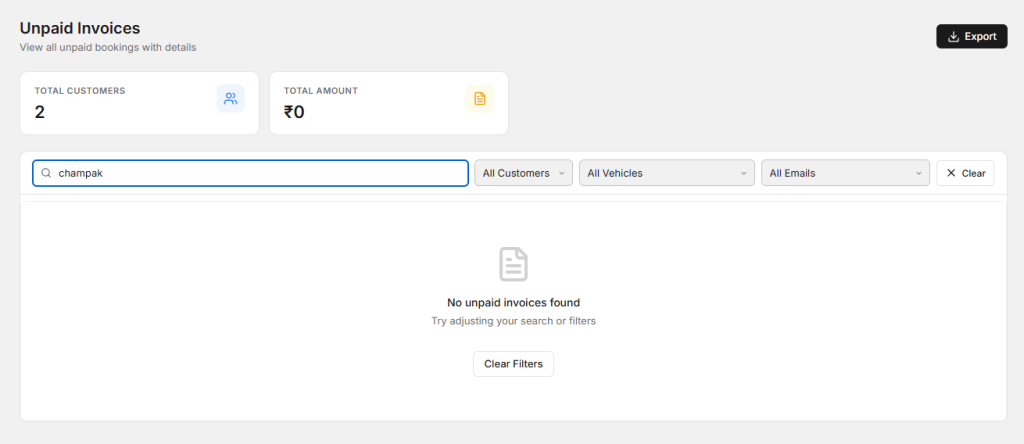
Areas to Review
- Job cards
- Customer records
- Appointment scheduling
- Service histories
- Invoices and billing
- Inventory management
A thorough assessment helps prioritize which processes should be digitized first.
Step 2: Implement Digital Job Cards
Job cards are often the backbone of workshop operations. Replacing handwritten documents with digital alternatives is one of the most effective ways to begin building a paperless workshop.
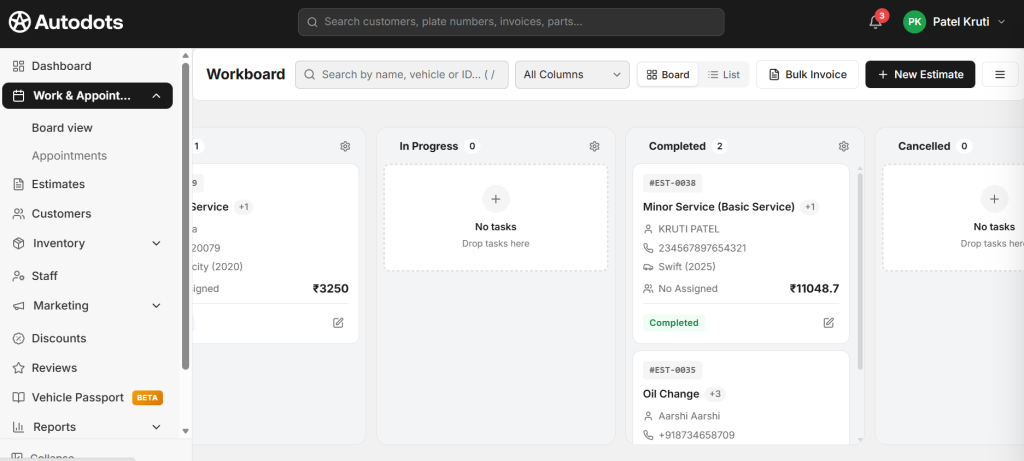
Digital job cards allow teams to access information instantly, update records in real time, and improve communication across the workshop.
Benefits of Digital Job Cards
- Faster information sharing
- Improved record accuracy
- Reduced paperwork
- Better workflow visibility
- Enhanced technician coordination
Digital job cards often deliver immediate operational improvements.
Step 3: Centralize Customer Information
Many workshops store customer information across multiple files, notebooks, spreadsheets, and paper records. This can make retrieving information time-consuming and inefficient.
A successful paperless workshop centralizes customer information within a digital platform.
Information to Centralize
- Contact details
- Vehicle information
- Service histories
- Appointment records
- Communication logs
- Maintenance schedules
Centralized information improves accessibility while reducing the risk of lost records.
Step 4: Automate Routine Administrative Tasks
One of the biggest benefits of creating a paperless workshop is the ability to automate repetitive tasks that consume valuable staff time.
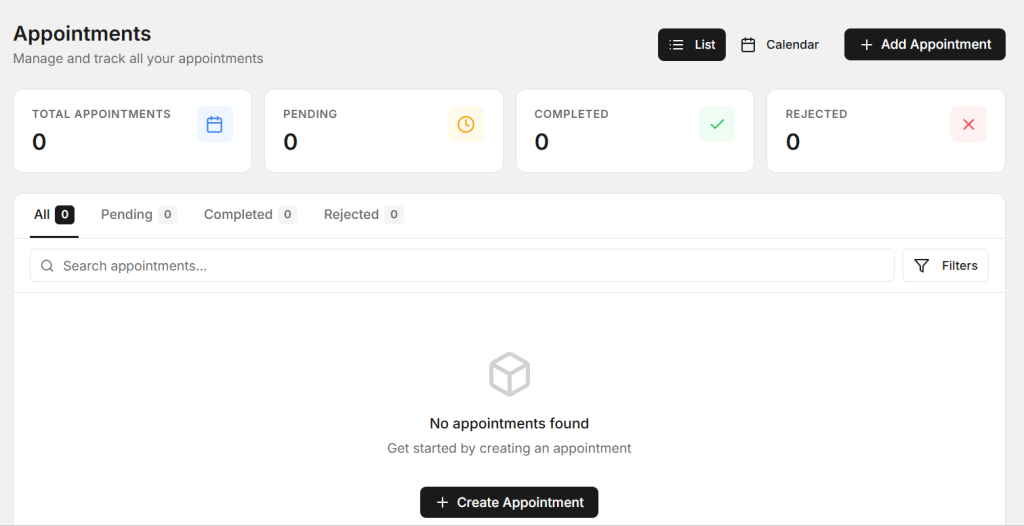
Automation improves consistency while reducing administrative workload.
Tasks That Can Be Automated
- Appointment confirmations
- Service reminders
- Customer follow-ups
- Workflow notifications
- Reporting processes
- Status updates
Automation allows workshop teams to focus more on serving customers and completing repairs.
Step 5: Train Your Team and Encourage Adoption
Technology alone does not create a successful paperless workshop. Staff members must understand how to use digital tools effectively and consistently.
Proper training helps ensure a smooth transition while maximizing the benefits of new systems.
Training Priorities
- Digital job card usage
- Customer record management
- Workflow tracking
- Communication tools
- Data entry best practices
Employee adoption is essential for long-term success.
Common Challenges During the Transition
Like any business change, moving toward a paperless workshop may present some challenges. However, most obstacles can be managed through proper planning and gradual implementation.
Typical Challenges
- Resistance to change
- Learning new systems
- Data migration requirements
- Process adjustments
- Initial setup efforts
The long-term benefits generally outweigh the short-term transition challenges.
How a Paperless Workshop Improves Customer Experience
Customers increasingly expect digital convenience when interacting with service providers.
A paperless workshop helps businesses deliver faster, more professional service experiences.
Customer Benefits
- Faster service updates
- Improved communication
- Accurate service records
- Better appointment management
- Greater transparency
Enhanced customer experiences often lead to higher retention and stronger referrals.
Operational Benefits Beyond Paper Reduction
Many workshop owners initially focus on reducing paperwork, but the benefits of a paperless workshop extend far beyond eliminating paper documents.
Additional Business Benefits
- Higher productivity
- Better workflow control
- Improved reporting
- Greater operational visibility
- Scalable business growth
Digital systems provide a foundation for future business success.
Why Paperless Workshops Are the Future
The automotive industry continues to embrace digital transformation. Workshops that continue relying heavily on paper processes may find it increasingly difficult to compete with more efficient and technology-driven businesses.
Building a paperless workshop is not simply about reducing paper—it is about creating a more agile, efficient, and customer-focused operation.
As technology becomes more integrated into daily business activities, paperless systems are rapidly becoming the industry standard.
How Autodots Helps Workshops Go Paperless
Autodots provides the tools workshops need to transition successfully to a paperless workshop.
With digital job cards, customer management, appointment scheduling, workflow tracking, service histories, automated reminders, and reporting tools, Autodots helps eliminate paperwork while improving operational efficiency.
By centralizing workshop operations into one platform, businesses can simplify management and improve customer experiences.
For more workshop growth insights and digital transformation strategies, visit the Autodots Blog.
Frequently Asked Questions (FAQs)
What is a paperless workshop?
A paperless workshop uses digital systems instead of paper documents to manage operations, customer records, and workflows.
How do I start transitioning to a paperless workshop?
Begin by identifying paper-based processes and gradually replacing them with digital solutions such as job cards and customer management systems.
What are the biggest benefits of going paperless?
Improved efficiency, better organization, reduced administrative work, and enhanced customer experiences.
Can small workshops become paperless?
Yes. Workshops of all sizes can benefit from digital tools and paperless processes.
Do paperless systems improve productivity?
Absolutely. Digital workflows reduce delays, improve communication, and streamline operations.
How long does it take to transition to a paperless workshop?
The timeline varies, but many workshops see benefits shortly after implementing digital systems.
Conclusion
Moving away from paper-based processes may seem challenging at first, but the benefits are substantial. A digital approach helps workshops improve efficiency, reduce errors, enhance customer service, and create a stronger foundation for future growth.
By following these five practical steps, workshop owners can successfully build a paperless workshop and position their businesses for long-term success in an increasingly digital industry.
If you’re ready to eliminate paperwork and modernize your operations, explore Autodots Garage Management Solutions and take the first step toward a fully digital workshop.