Every workshop owner wants the same thing: more jobs completed, higher customer satisfaction, and better profitability. Yet many garages struggle to achieve these goals because valuable technician time is often wasted on avoidable delays, poor communication, and inefficient task management.
Even highly skilled mechanics can become less productive when workflows are disorganized. Missing information, unclear priorities, and manual coordination can slow down operations and reduce the number of vehicles serviced each day.
This is why improving mechanic productivity has become a top priority for successful workshops. In 2026, smart task management tools are helping garages streamline workflows, reduce downtime, and maximize technician performance without increasing staff numbers.
Table of Contents
Why Mechanic Productivity Matters
Productivity directly impacts workshop profitability. The more efficiently technicians complete repairs and maintenance tasks, the more vehicles a workshop can service.
When mechanic productivity improves, businesses benefit from increased output, faster turnaround times, and better customer experiences.
Benefits of Higher Productivity
- More completed jobs per day
- Faster service delivery
- Higher workshop revenue
- Improved customer satisfaction
- Better resource utilization
Small productivity improvements can create significant financial benefits over time.
The Hidden Productivity Killers in Workshops
Many workshop owners assume productivity issues are caused by technician performance. In reality, operational inefficiencies are often the biggest obstacle.
Without proper systems in place, mechanic productivity can suffer due to unnecessary interruptions and workflow bottlenecks.
Common Productivity Challenges
- Searching for job information
- Manual paperwork
- Communication delays
- Scheduling conflicts
- Unclear task priorities
- Waiting for approvals
These issues reduce the amount of time mechanics spend performing actual repair work.
What Are Smart Task Management Tools?
Smart task management tools are digital solutions designed to organize, assign, track, and prioritize workshop activities in real time.
Instead of relying on paper job cards or verbal instructions, these systems provide a centralized platform for managing workflows and improving mechanic productivity.
Common Features
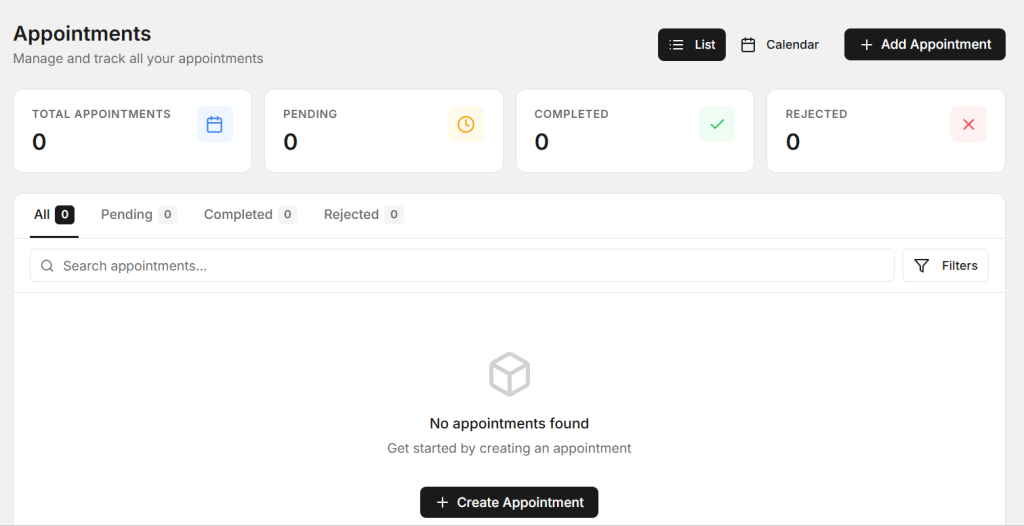
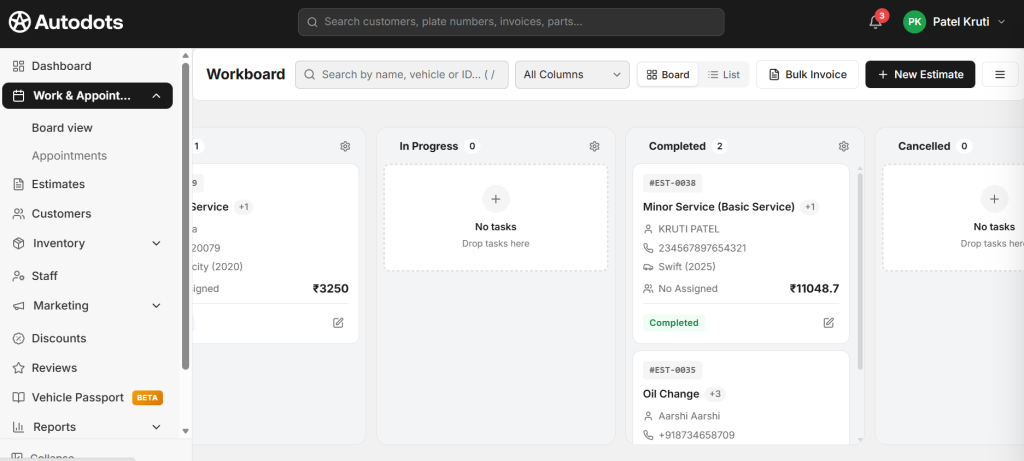
- Digital job assignments
- Workflow tracking
- Priority management
- Task notifications
- Real-time updates
- Performance monitoring
These capabilities help teams stay organized and focused throughout the workday.
Reducing Time Spent on Administrative Work
Technicians generate the most value when they are repairing vehicles, not handling paperwork.
A major advantage of smart task management systems is their ability to reduce administrative burdens that negatively impact mechanic productivity.
Administrative Tasks That Can Be Reduced
- Manual job tracking
- Paper-based updates
- Information retrieval
- Status reporting
- Workflow coordination
Less paperwork means more time spent on productive work.
Improving Task Prioritization
One of the most common causes of workshop inefficiency is unclear priorities. Without visibility into which jobs require immediate attention, technicians may work on lower-priority tasks while urgent repairs wait.
Smart tools improve mechanic productivity by ensuring tasks are prioritized correctly.
Prioritization Benefits
- Reduced workflow confusion
- Faster job completion
- Improved scheduling
- Better resource allocation
- Enhanced operational efficiency
Clear priorities help teams focus on the most important work first.
Enhancing Communication Across the Workshop
Poor communication often creates delays that impact productivity. When service advisors, technicians, and managers operate with different information, mistakes and bottlenecks can occur.
Modern task management platforms improve mechanic productivity by providing real-time communication and workflow visibility.
Communication Improvements
- Instant task updates
- Shared job information
- Faster decision-making
- Reduced misunderstandings
- Better team coordination
Effective communication helps workflows move smoothly from start to finish.
Tracking Progress in Real Time
Workshop managers need visibility into job progress to identify delays before they become larger problems.
Real-time tracking tools provide valuable insights that support higher mechanic productivity.
Tracking Advantages
- Improved accountability
- Faster issue resolution
- Enhanced workflow control
- More accurate completion estimates
- Better operational oversight
Managers can make faster decisions when they have access to accurate information.
Reducing Technician Downtime
Downtime is one of the biggest threats to workshop profitability. Every minute spent waiting for information, approvals, or assignments reduces productive output.
Smart task management systems help improve mechanic productivity by keeping work flowing consistently.
Downtime Reduction Benefits
- Continuous workflow movement
- Fewer delays between tasks
- Improved technician utilization
- Higher daily output
- More efficient operations
Reducing downtime directly increases workshop capacity.
Supporting Data-Driven Performance Improvements
Successful workshops continuously look for ways to improve performance. Smart management platforms provide data that helps identify productivity trends and opportunities.
Tracking mechanic productivity enables managers to make informed operational decisions.
Useful Productivity Metrics
- Job completion rates
- Average repair times
- Technician utilization
- Workflow efficiency
- Service turnaround times
Performance data supports continuous improvement efforts.
Preparing for the Future of Automotive Service
The automotive industry is becoming increasingly digital. Connected vehicles, advanced diagnostics, and growing customer expectations require workshops to operate more efficiently than ever before.
Improving mechanic productivity through smart technology helps businesses stay competitive and prepared for future challenges.
Workshops that adopt digital task management tools today are building stronger foundations for long-term growth.
How Autodots Improves Mechanic Productivity
Autodots helps workshops improve mechanic productivity through powerful workflow and task management features.
With digital job cards, task tracking, appointment scheduling, workflow automation, customer management, service histories, and real-time reporting, Autodots provides the tools needed to streamline daily operations and maximize technician efficiency.
By reducing administrative workload and improving visibility, workshops can complete more work without increasing complexity.
For more workshop productivity tips and business growth strategies, visit the Autodots Blog.
Frequently Asked Questions (FAQs)
What is mechanic productivity?
Mechanic productivity measures how efficiently technicians complete repairs and maintenance tasks within a workshop.
How can workshops improve mechanic productivity?
By reducing administrative work, improving communication, streamlining workflows, and using digital task management tools.
What are smart task management tools?
They are software solutions that help organize, assign, prioritize, and track workshop tasks in real time.
Why is productivity important for workshops?
Higher productivity increases job capacity, improves customer satisfaction, and supports revenue growth.
Can task management software reduce downtime?
Yes. These tools help eliminate delays caused by poor communication, unclear priorities, and workflow bottlenecks.
Do small workshops benefit from task management systems?
Absolutely. Workshops of all sizes can improve efficiency and organization through digital workflow tools.
Conclusion
Workshop success depends on more than technical expertise. Efficient workflows, clear communication, and effective task management all play important roles in maximizing performance.
By investing in tools that improve mechanic productivity, workshop owners can reduce downtime, increase output, streamline operations, and create better experiences for both technicians and customers.
If you’re ready to optimize your workshop and boost team performance, explore Autodots Garage Management Solutions and discover how smart task management can transform your business in 2026 and beyond.