
Most workshop owners understand the obvious costs of running a business—labor, equipment, utilities, inventory, and rent. However, one expense often goes unnoticed because it doesn’t appear directly on a financial statement: the cost of manual paperwork.
Many garages still rely on handwritten job cards, paper invoices, printed service records, and manual filing systems. While these processes may seem inexpensive, the reality is that manual paperwork costs can quietly reduce productivity, increase errors, and limit profitability.
In 2026, successful workshops are recognizing that paperwork isn’t just an administrative burden—it’s a hidden operational cost that can significantly impact business performance.
Table of Contents
Why Manual Paperwork Still Exists in Many Workshops
Paper-based systems have been used in workshops for decades. Many owners continue using them because they are familiar and require little initial investment.
However, familiarity does not always equal efficiency. As businesses grow, the limitations of paper processes become increasingly difficult to ignore.
Understanding the true impact of manual paperwork costs is the first step toward improving workshop operations.
Common Paper-Based Processes
- Handwritten job cards
- Paper service records
- Manual appointment logs
- Printed invoices
- Physical customer files
- Paper inventory tracking
While simple on the surface, these processes often create unnecessary complexity.
Time Loss: The Biggest Hidden Expense
One of the largest contributors to manual paperwork costs is time. Every minute spent searching for documents, updating records, or processing paperwork is time that cannot be spent serving customers.
Small delays may seem insignificant individually, but they accumulate quickly throughout the day.
Time-Consuming Activities
- Locating customer records
- Updating service histories
- Creating paper job cards
- Managing physical files
- Transferring information between systems
Over weeks and months, these inefficiencies can significantly reduce workshop productivity.
Human Errors and Inaccurate Records
Manual processes are naturally vulnerable to mistakes. Handwritten notes can be misread, information may be entered incorrectly, and important details can be overlooked.
These errors contribute directly to manual paperwork costs by creating confusion, delays, and customer dissatisfaction.
Common Paperwork Errors
- Incorrect customer information
- Missing service details
- Lost documentation
- Duplicate records
- Scheduling mistakes
Even minor errors can affect workflow efficiency and service quality.
Lost Documents Mean Lost Revenue
Paper documents can easily be misplaced, damaged, or accidentally discarded. When important records are unavailable, workshops may struggle to provide accurate information or complete tasks efficiently.
A major component of manual paperwork costs is the revenue lost when operational disruptions occur.
Risks of Lost Documents
- Delayed repairs
- Customer frustration
- Missed service opportunities
- Reduced accountability
- Administrative rework
Reliable access to information is critical for smooth workshop operations.
Slower Customer Service Experience
Today’s customers expect fast, professional, and transparent service. Paper-based systems often make it difficult to meet these expectations.
When staff spend time searching through files or manually checking records, customer response times increase.
This is another way manual paperwork costs affect business performance.
Customer Service Challenges
- Longer wait times
- Delayed updates
- Limited transparency
- Communication gaps
- Reduced customer satisfaction
Poor experiences can encourage customers to explore alternative service providers.

Administrative Work Reduces Productivity
Many workshop employees spend a significant portion of their day handling paperwork rather than performing higher-value activities.
Reducing manual paperwork costs allows teams to focus on serving customers and completing repairs more efficiently.
Productivity Impacts
- More administrative workload
- Reduced technician efficiency
- Slower workflows
- Lower job capacity
- Increased operational stress
The more time spent managing paperwork, the less time available for productive work.
Limited Business Visibility
Paper records make it difficult to monitor performance and identify operational trends. Without real-time visibility, workshop owners may struggle to make informed decisions.
Many hidden manual paperwork costs stem from a lack of accurate business insights.
Visibility Challenges
- Difficulty tracking productivity
- Limited workflow monitoring
- Inaccurate reporting
- Poor resource planning
- Delayed decision-making
Better data leads to better business outcomes.
The Cost of Missed Follow-Ups
Customer retention is essential for long-term profitability. Unfortunately, manual systems often make follow-up communication inconsistent.
Without automated processes, workshops may miss opportunities to remind customers about future services.
These missed opportunities add to overall manual paperwork costs.
Common Follow-Up Issues
- Forgotten maintenance reminders
- Missed customer communications
- Reduced repeat visits
- Lower customer engagement
- Lost revenue opportunities
Consistent communication helps strengthen customer relationships.
Why Digital Systems Are Replacing Paperwork
Modern workshop software eliminates many of the limitations associated with manual processes. Digital tools improve accessibility, organization, and efficiency while reducing administrative burdens.
Businesses that reduce manual paperwork costs often experience noticeable improvements in productivity and profitability.
Benefits of Digital Systems
- Digital job cards
- Centralized information storage
- Automated reminders
- Faster document access
- Improved workflow tracking
- Better reporting capabilities
Digital transformation creates a stronger foundation for growth.
How Autodots Helps Workshops Go Paperless
Autodots helps workshops eliminate many of the challenges associated with manual paperwork costs.
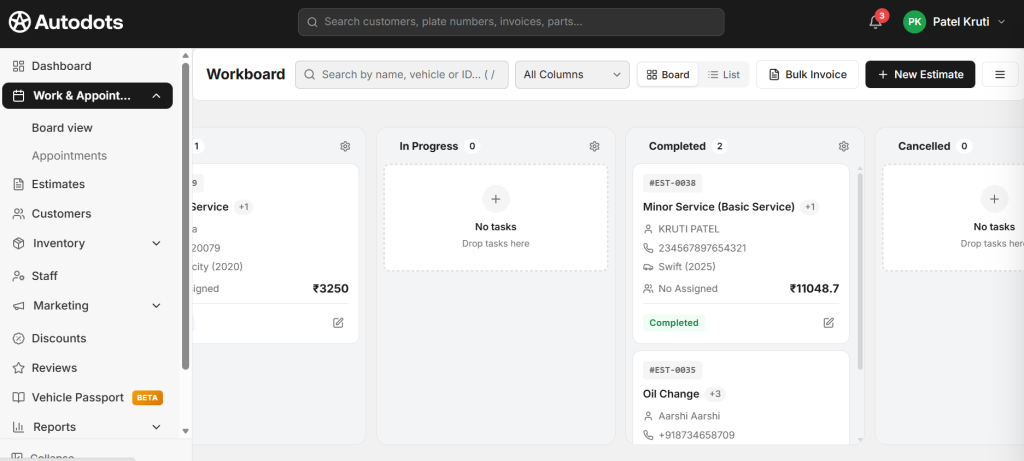
With digital job cards, appointment scheduling, workflow tracking, customer management, service histories, automated reminders, and business reporting tools, Autodots simplifies daily operations and improves efficiency.
By reducing reliance on paper records, workshops can save time, improve organization, and deliver a better customer experience.
For more workshop growth insights and industry trends, visit the Autodots Blog.
Frequently Asked Questions (FAQs)
What are manual paperwork costs?
Manual paperwork costs include the time, errors, inefficiencies, and operational challenges associated with paper-based processes.
How does paperwork affect workshop profitability?
Paperwork increases administrative workload, slows operations, and can lead to costly mistakes and lost opportunities.
Why should workshops go paperless?
Digital systems improve efficiency, reduce errors, enhance visibility, and support better customer service.
Can small workshops benefit from digital tools?
Yes. Workshops of all sizes can improve productivity and organization through digital transformation.
How do digital job cards help?
They provide faster access to information, improve record accuracy, and reduce paperwork-related delays.
What is the biggest hidden cost of paperwork?
Lost time is often the most significant hidden cost because it affects productivity throughout the business.
Conclusion
Many workshop owners underestimate the impact of paperwork on daily operations. While paper-based systems may appear affordable, the hidden costs can quietly reduce efficiency, increase errors, and limit growth.
By addressing manual paperwork costs and adopting digital solutions, workshops can streamline operations, improve customer experiences, and create a more productive business environment.
If you’re ready to reduce paperwork and modernize your workshop, explore Autodots Garage Management Solutions and discover how digital tools can help your business thrive in 2026 and beyond.