Running a busy garage requires more than skilled technicians and good repair work. Owners and managers also need to handle customer records, vehicle details, appointments, inspections, job cards, spare parts, invoices, payments, and daily follow-ups. When these tasks are managed manually, the team can spend too much time on paperwork and routine administration.
For UK Auto Repair Shops, having an organized digital system can make daily workshop work easier. A good garage management solution can bring important information together, reduce repeated data entry, and help staff keep track of each vehicle from booking to final delivery.
This guide explains what to look for in garage management software and how the right system can help UK workshops improve their daily operations, customer service, and overall efficiency.
Table of Contents
Why Garage Management Software Matters for Modern Workshops
A vehicle repair normally passes through several stages. A customer books a service, the vehicle arrives, the team creates a job card, technicians inspect the vehicle, repairs are completed, parts are used, and the final invoice is prepared.
If each stage is handled separately, employees may need to enter the same information several times. They may also need to search through different files to find the latest repair status or customer details.
For UK Auto Repair Shops, a connected digital workflow can help make these steps easier to manage. The team can access important information from one organized system instead of relying on scattered paperwork.

What Should the Best Garage Software Include?
There is no single software solution that is perfect for every workshop. The best choice depends on the size of the business, the number of vehicles handled, the team structure, and the type of services offered.
However, a useful system should make everyday workshop tasks simpler rather than adding unnecessary work. Important features can include customer management, vehicle records, appointment scheduling, digital job cards, inspections, inventory control, invoicing, payment records, and customer communication.
The system should also be easy for employees to understand. If technicians and service advisors find the software difficult to use, the workshop may not receive the full benefit of going digital.
1. Manage Customer and Vehicle Records
Customer information is used throughout the repair process. A garage may need the customer’s name, contact details, vehicle registration number, vehicle model, mileage, and previous service information.
Keeping this information organized makes it easier to identify returning customers and their vehicles. Service advisors do not have to repeatedly ask for basic information that has already been recorded.
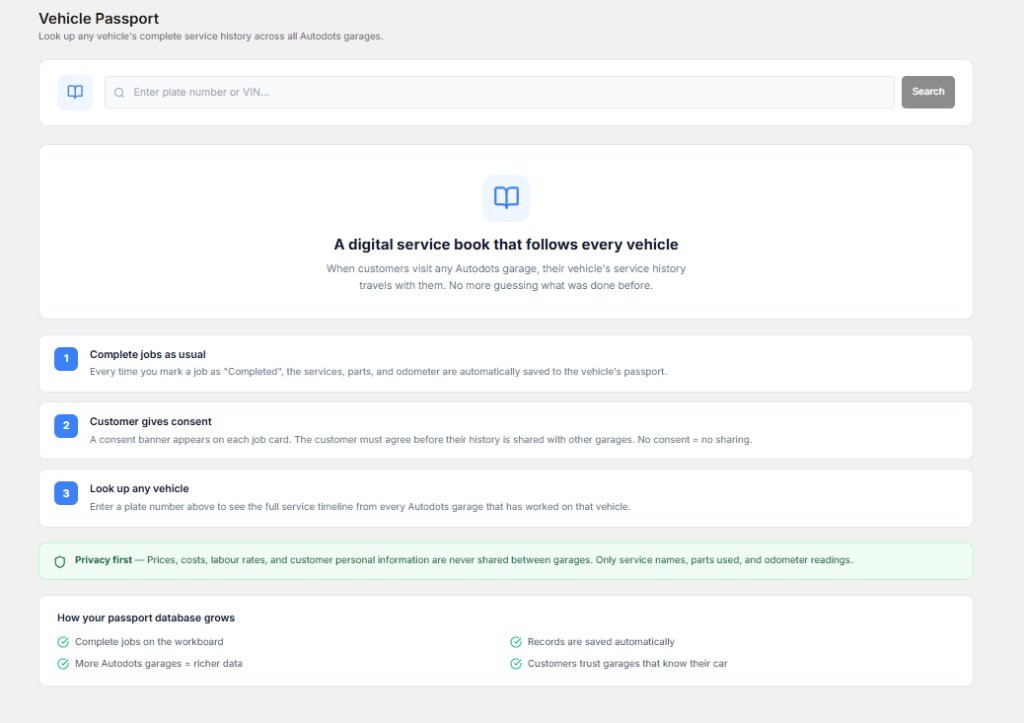
For UK Auto Repair Shops, organized vehicle records can also make future visits easier. The team can review previous repairs, services, inspections, and recommendations before starting new work.
A complete vehicle history can help technicians understand recurring problems and allow service advisors to have more useful conversations with customers.
2. Simplify Appointment Scheduling
Appointments help workshops plan their workload. Without proper scheduling, several vehicles may arrive at the same time, creating pressure on technicians and service advisors.
Digital appointment management can help the workshop record customer details, vehicle information, requested service, and expected arrival time. The team can review upcoming bookings and prepare for the day’s work.
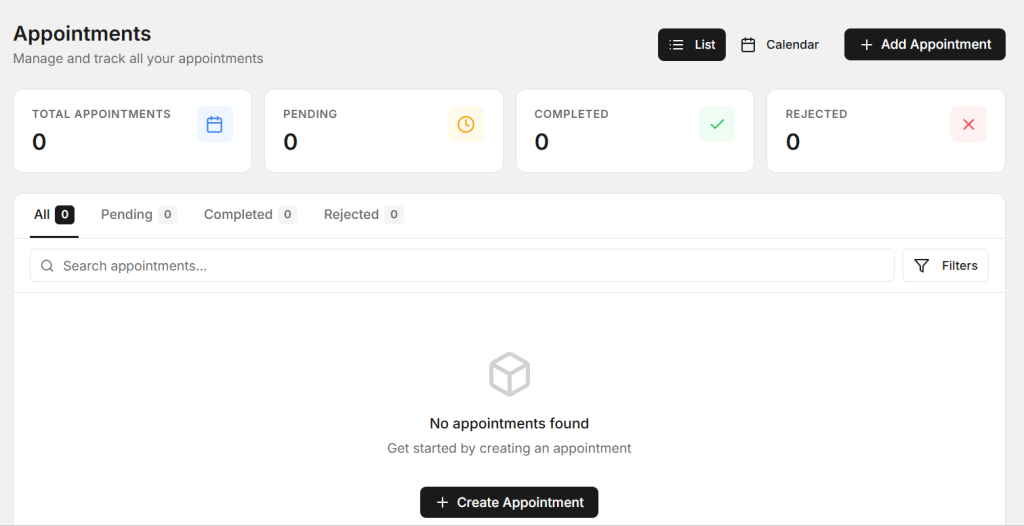
Appointment reminders can also help customers remember their booking. This can reduce missed appointments and make the workshop’s daily schedule more predictable.
A clear booking process is especially useful for busy UK Auto Repair Shops that need to manage multiple vehicles and service requests during the day.
3. Create Digital Job Cards
Job cards are at the center of many repair processes. They can contain the customer’s complaint, inspection findings, services required, technician notes, spare parts, estimated costs, and job status.
Paper job cards can become difficult to manage when the workshop handles a large number of vehicles. They can be misplaced, damaged, or difficult for different team members to access.
Digital job cards keep repair information organized and easier to review. Service advisors can check the latest status before responding to customer questions, while technicians can work from clearer repair information.
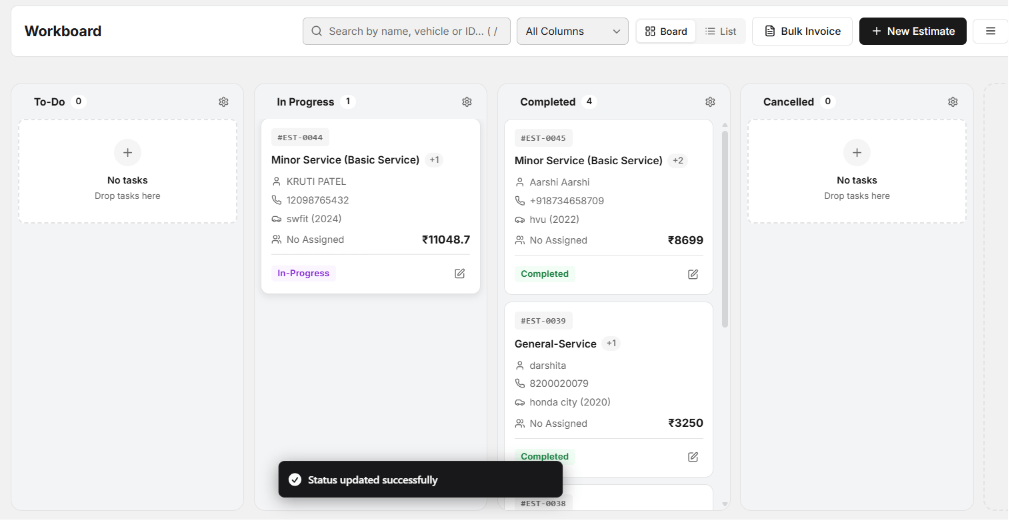
For UK Auto Repair Shops, digital job cards can help connect the customer request with the actual work completed on the vehicle.
4. Improve Vehicle Inspection
Vehicle inspections help technicians identify problems before repair work begins. A proper inspection can cover tyres, brakes, lights, fluids, battery, suspension, steering, engine components, and other important areas.
Digital inspection checklists can make the process more consistent. Technicians can record findings, add notes, and capture photos when required.
Photos can be particularly useful when explaining additional repair recommendations to customers. Instead of only describing a problem, the service advisor can show the customer what was found.
This can make repair discussions clearer and help customers understand why additional work may be recommended.
5. Keep Spare Parts Under Control
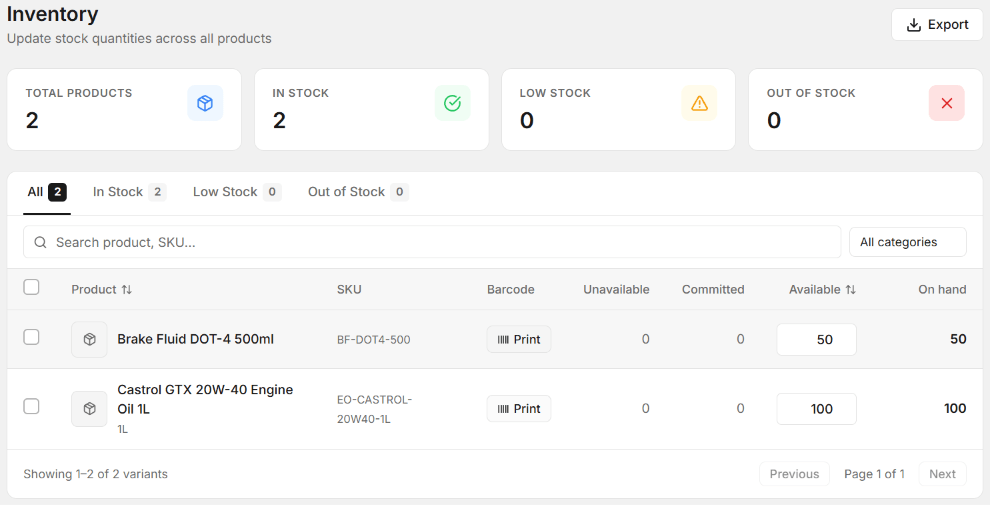
Parts management is another important part of garage operations. Workshops may stock filters, oils, brake components, batteries, spark plugs, belts, bulbs, sensors, and many other items.
Poor inventory control can lead to two common problems. The garage may run out of an important part when a vehicle needs it, or it may purchase too much stock that does not move quickly.
Garage management software can help record parts, track quantities, and connect parts used during repairs with the relevant job card.
Better stock visibility can help UK Auto Repair Shops reduce unnecessary delays and make more informed purchasing decisions.
6. Make Invoicing Easier
After repairs are completed, the customer needs a clear invoice. It may include labour charges, spare parts, services, taxes, discounts, and the final amount.
Manual invoice preparation can take time because employees may need to collect information from different records. Manual calculations can also create avoidable errors.
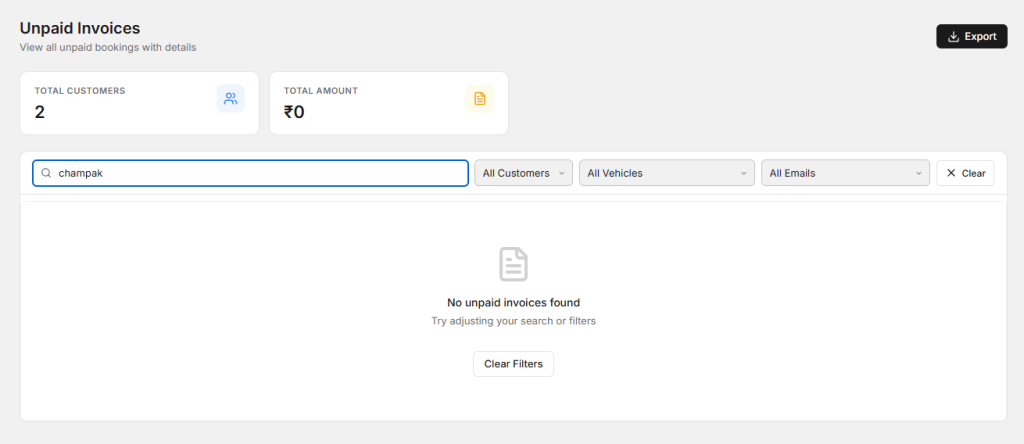
A connected billing process can make invoice preparation faster. Service and parts information can be reviewed from the repair record, reducing repeated data entry.
A clear invoice also helps customers understand exactly what they are paying for. This can make the final payment and vehicle collection process smoother.
7. Keep Customers Updated
Customers usually want to know what is happening with their vehicle after leaving it at the garage. They may want information about inspection results, repair approval, parts availability, delays, and expected completion time.
A good communication process keeps customers informed at important stages without sending unnecessary messages.
For UK Auto Repair Shops, timely updates can help reduce repeated status calls and make customers feel more confident about the service process.
Useful communication points can include appointment confirmation, inspection results, additional repair approval, repair progress, delays, completion, billing, and post-service follow-up.
How the Right Software Can Improve Workshop Efficiency
Workshop efficiency is not only about completing repairs quickly. It is also about reducing unnecessary administrative work and making sure employees have the information they need.
When customer records, appointments, job cards, inspections, parts, and invoices are connected, employees can spend less time searching for information.
This creates a smoother workflow from the moment a customer books a service until the vehicle is delivered.
For UK Auto Repair Shops, better organization can help the team manage busy days more effectively without adding complicated manual processes.
What Makes Software Easy to Use?
A garage management system should be simple enough for employees to use during a busy working day. Technicians should not have to spend a long time learning complicated screens before recording inspection results or job updates.
Service advisors should be able to find customer and vehicle information quickly. Managers should be able to understand the status of jobs, parts, invoices, and other important activities without searching through multiple records.
Simple navigation, clear information, and a logical workflow can make digital adoption easier across the garage.
Benefits for Garage Owners and Managers
- Better control of daily workshop operations
- Faster access to customer and vehicle records
- Improved appointment planning
- Better job card tracking
- More organized vehicle inspections
- Improved spare parts control
- Faster invoice preparation
- Better customer communication
- Reduced repeated data entry
- More organized service history
These benefits can help managers understand what is happening in the workshop and identify areas where the team can improve.
Benefits for Technicians
Technicians need clear information to complete repair work correctly. If customer complaints, inspection findings, and approved services are unclear, technicians may have to spend extra time asking service advisors for details.
Digital job cards and inspection records can give technicians better access to the information they need. They can record findings and update the repair status as the work progresses.
This can reduce communication gaps and help technicians spend more time on vehicle repairs rather than searching for paperwork.
Benefits for Customers
Customers benefit when the workshop is organized. They can receive faster updates, clearer estimates, better explanations, and more understandable invoices.
A digital service history can also make future visits easier because the workshop already has useful information about the vehicle.
For UK Auto Repair Shops, providing a smooth customer experience can help build trust and encourage customers to return for future servicing and repairs.
How AutoDots Can Help Modern Auto Repair Shops
AutoDots provides digital solutions designed to help automotive businesses organize their workshop operations. The platform can support activities such as customer management, vehicle records, appointments, job cards, inspections, inventory, billing, and other daily service tasks.
For UK Auto Repair Shops looking to reduce manual work and organize their workshop processes, a connected digital approach can provide a practical way to manage everyday operations more efficiently.
Businesses interested in automotive technology and partnership opportunities can explore the AutoDots partner program to learn more.
For more automotive business guides, workshop tips, and useful technology information, visit the AutoDots blog.
Things to Check Before Choosing Garage Software
Before choosing a software solution, identify the main problems your workshop currently faces. If appointment management is difficult, look for strong booking features. If paperwork is taking too much time, focus on digital job cards and inspections.
Also consider how easy the system is for your employees to use. A feature-rich platform is not useful if the team struggles to use it every day.
Check whether the software can support customer records, vehicle history, job cards, inventory, invoicing, and communication in a connected workflow.
It is also useful to consider whether the software can grow with the business. As the number of customers, vehicles, and employees increases, the system should continue to support the workshop without creating unnecessary complexity.
Common Garage Software Mistakes to Avoid
One mistake is choosing software only because it has many features. More features do not always mean better results. The system should solve the actual problems faced by your workshop.
Another mistake is not training employees properly. Even simple software requires staff to understand when and how information should be updated.
Workshops should also avoid keeping some important information digitally while continuing to maintain separate paper records for the same tasks. This can create duplicate work and confusion.
Finally, do not ignore employee feedback. Technicians and service advisors use the system every day, so their feedback can help identify areas that need improvement.
Frequently Asked Questions
What is garage management software?
Garage management software is a digital solution that helps auto repair businesses manage customer records, vehicle information, appointments, job cards, inspections, spare parts, invoices, and other workshop activities.
Why do UK Auto Repair Shops need garage management software?
UK Auto Repair Shops can use garage management software to organize daily operations, reduce paperwork, improve vehicle tracking, manage parts, simplify billing, and provide better customer updates.
Can small UK garages use garage management software?
Yes. Small garages can benefit from digital tools by organizing customer information, appointments, repairs, inventory, and invoices. The key is choosing a system that is simple and suitable for the workshop’s needs.
Can garage software manage vehicle history?
Yes. A suitable system can keep records of previous services, repairs, inspections, parts used, and other vehicle information. This can help staff understand the vehicle’s history during future visits.
Can garage software improve customer service?
Yes. Organized information allows service advisors to provide faster updates, explain repairs more clearly, and prepare accurate invoices. This can make the overall customer experience smoother.
Conclusion
Choosing the right garage management software can make a significant difference in how a workshop handles its daily work. Customer records, appointments, job cards, inspections, spare parts, billing, and communication all need to work together for a smooth service process.
For UK Auto Repair Shops, a connected digital workflow can reduce repeated manual tasks, improve information access, support better workshop coordination, and make customer service more consistent.
The best solution is not necessarily the one with the longest feature list. It is the one that is easy for the team to use and helps solve real daily problems. By choosing a practical system and using it consistently, a garage can create a more organized workflow, save valuable time, and provide a better experience for both staff and customers.