
Managing inventory efficiently is one of the biggest challenges for automotive workshops. From engine components and filters to lubricants and spare parts, every item plays a crucial role in daily operations. Without proper tracking and control, workshops can experience stock shortages, overstocking, delayed repairs, and unnecessary expenses. This is why Garage Inventory Management has become an essential part of running a profitable and efficient workshop.
Many garages still rely on manual inventory records or spreadsheets to monitor stock levels. While these methods may seem sufficient for smaller operations, they often lead to inaccuracies and wasted resources as the business grows. Modern inventory management processes help workshops maintain better control over stock, improve workflow efficiency, and reduce operating costs.
By implementing effective inventory management strategies, workshop owners can ensure that technicians always have access to the parts they need while minimizing waste and maximizing profitability.
Table of Contents
Why Inventory Control Matters in Modern Workshops
Every repair job depends on having the right parts available at the right time. Garage Inventory Management helps workshops maintain optimal stock levels and avoid disruptions that can affect customer satisfaction and operational performance.
When inventory is not managed properly, workshops often face delayed repairs, emergency purchases, excess stock, and unnecessary financial strain. A structured inventory process helps eliminate these challenges while improving overall efficiency.
Reduces Unnecessary Inventory Costs
One of the biggest advantages of Garage Inventory Management is cost reduction. Many workshops lose money because they purchase excessive stock that remains unused for long periods.
Excess inventory ties up valuable capital that could be invested elsewhere in the business. By monitoring stock movement and usage patterns, workshop owners can make smarter purchasing decisions and maintain appropriate inventory levels.
Reducing unnecessary inventory expenses improves cash flow and helps create a more financially stable operation.
Prevents Stock Shortages and Delays
Nothing disrupts workshop productivity more than discovering that a required part is unavailable when a vehicle is ready for repair. Effective Garage Inventory Management helps ensure that commonly used components remain in stock and available when needed.
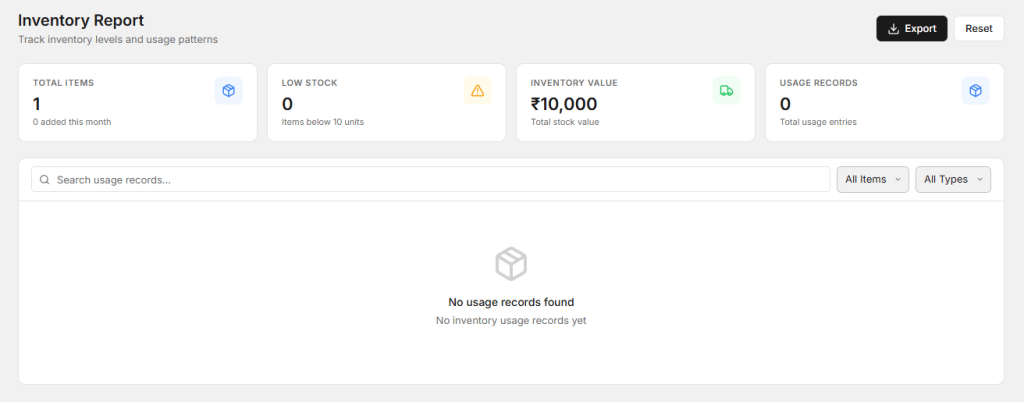
Accurate inventory tracking allows managers to monitor stock levels in real time and reorder parts before shortages occur. This reduces repair delays and helps maintain customer satisfaction.
Consistent part availability also enables technicians to work more efficiently and complete jobs on schedule.
Improves Workshop Efficiency
A well-organized inventory system contributes significantly to operational efficiency. Garage Inventory Management makes it easier for technicians and service advisors to locate parts quickly and accurately.
Instead of spending valuable time searching for inventory or verifying stock availability, employees can focus on productive tasks. This improves workflow efficiency and reduces downtime throughout the workshop.
Faster access to inventory helps increase productivity and supports better service delivery.
Enhances Inventory Accuracy
Inventory inaccuracies can create serious operational problems. Missing stock records, incorrect quantities, and outdated information often result in purchasing mistakes and workflow disruptions. Garage Inventory Management helps maintain accurate inventory data through consistent tracking and monitoring processes.
Accurate records provide workshop owners with confidence when making purchasing decisions and planning future inventory requirements. Reliable inventory information also supports better financial management and operational control.
Maintaining inventory accuracy is essential for workshops that want to operate efficiently and avoid costly errors.
Supports Better Purchasing Decisions
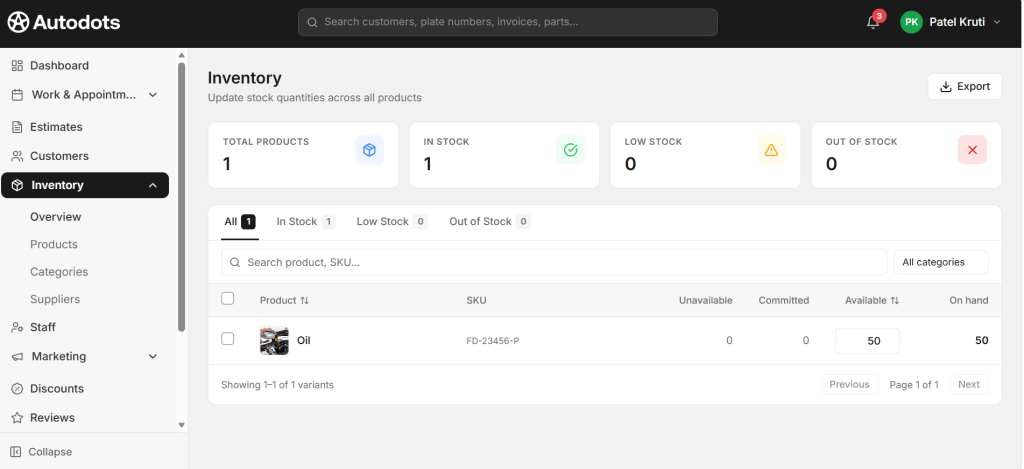
Successful inventory management requires understanding which parts are used most frequently and which items move slowly. Garage Inventory Management provides valuable insights into inventory performance and purchasing trends.
By analyzing usage data, workshop owners can optimize procurement strategies and negotiate more effectively with suppliers. This helps reduce waste while ensuring that essential inventory remains available when required.
Data-driven purchasing decisions contribute to lower operating costs and improved profitability.
Improves Customer Satisfaction
Customers expect repairs and maintenance services to be completed on time. Delays caused by unavailable parts can damage customer trust and negatively affect the workshop’s reputation. Effective Garage Inventory Management helps ensure that repairs proceed without unnecessary interruptions.
When parts are readily available, technicians can complete jobs more quickly and customers receive their vehicles sooner. This creates a positive service experience that encourages repeat business and referrals.
Reliable service delivery is one of the most important factors in building long-term customer loyalty.
Provides Better Visibility Into Business Operations
Modern workshops rely on accurate data to make informed decisions. Garage Inventory Management provides valuable visibility into stock movement, inventory value, purchasing activity, and usage patterns.
This information helps managers identify inefficiencies, reduce waste, and improve resource allocation. Better visibility also supports strategic planning and future business growth.
Workshops that understand their inventory performance are often better positioned to improve profitability and operational efficiency.
Supports Business Growth and Scalability
As workshops expand, inventory management becomes increasingly complex. Managing larger inventories across multiple service bays or locations requires standardized processes and greater visibility.
Effective Garage Inventory Management provides the structure needed to support growth while maintaining operational control. Standardized inventory practices help ensure consistency and reduce the risk of errors as the business scales.
Growing workshops benefit significantly from having a reliable system that can adapt to increasing operational demands.
Additional Benefits of Effective Inventory Management
- Reduced emergency part purchases.
- Improved cash flow management.
- Better supplier relationships.
- Lower inventory carrying costs.
- Reduced stock wastage.
- Enhanced workshop productivity.
- Greater operational transparency.
- Improved service turnaround times.
These benefits work together to create a more organized and profitable workshop environment.
How Technology Is Transforming Inventory Management
Digital tools are changing how workshops manage inventory. Automated tracking systems, real-time stock monitoring, and integrated reporting capabilities help businesses maintain accurate inventory records while reducing manual effort.
Technology enables workshop owners to make faster and more informed decisions regarding purchasing, stock allocation, and inventory optimization. This improves efficiency while reducing operational risks.
As automotive workshops continue to modernize, digital inventory management solutions will play an increasingly important role in achieving long-term success.
Call to Action
If your workshop wants to reduce costs, improve productivity, and maintain better control over inventory, implementing effective Garage Inventory Management practices can make a significant difference. A well-managed inventory system helps streamline operations, improve customer satisfaction, and support sustainable business growth.
For more workshop growth strategies and automotive technology insights, visit the Autodots Blog.
Businesses looking to expand their network and unlock new opportunities can explore the Autodots Partner Program.
Frequently Asked Questions
What is garage inventory management?
Garage inventory management involves tracking, monitoring, and controlling spare parts, tools, lubricants, and other workshop inventory to ensure efficient operations and cost control.
How does inventory management reduce costs?
It helps prevent overstocking, reduces waste, improves purchasing decisions, and minimizes emergency part purchases that often increase expenses.
Why is inventory accuracy important?
Accurate inventory records help workshops avoid stock shortages, improve purchasing decisions, and maintain smooth operational workflows.
Can inventory management improve customer satisfaction?
Yes. Having the right parts available when needed reduces repair delays and helps ensure vehicles are delivered on time.
Is inventory management important for small workshops?
Absolutely. Even small garages can benefit from better stock control, improved cash flow, and increased operational efficiency through effective inventory management practices.
Conclusion
In today’s competitive automotive service industry, Garage Inventory Management is essential for controlling costs, improving efficiency, and maintaining high service standards. By reducing inventory waste, preventing stock shortages, improving purchasing decisions, and enhancing operational visibility, effective inventory management helps workshops operate more profitably and efficiently. Garages that prioritize inventory control are better equipped to deliver exceptional customer experiences while supporting long-term business growth.