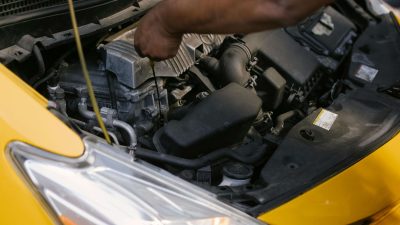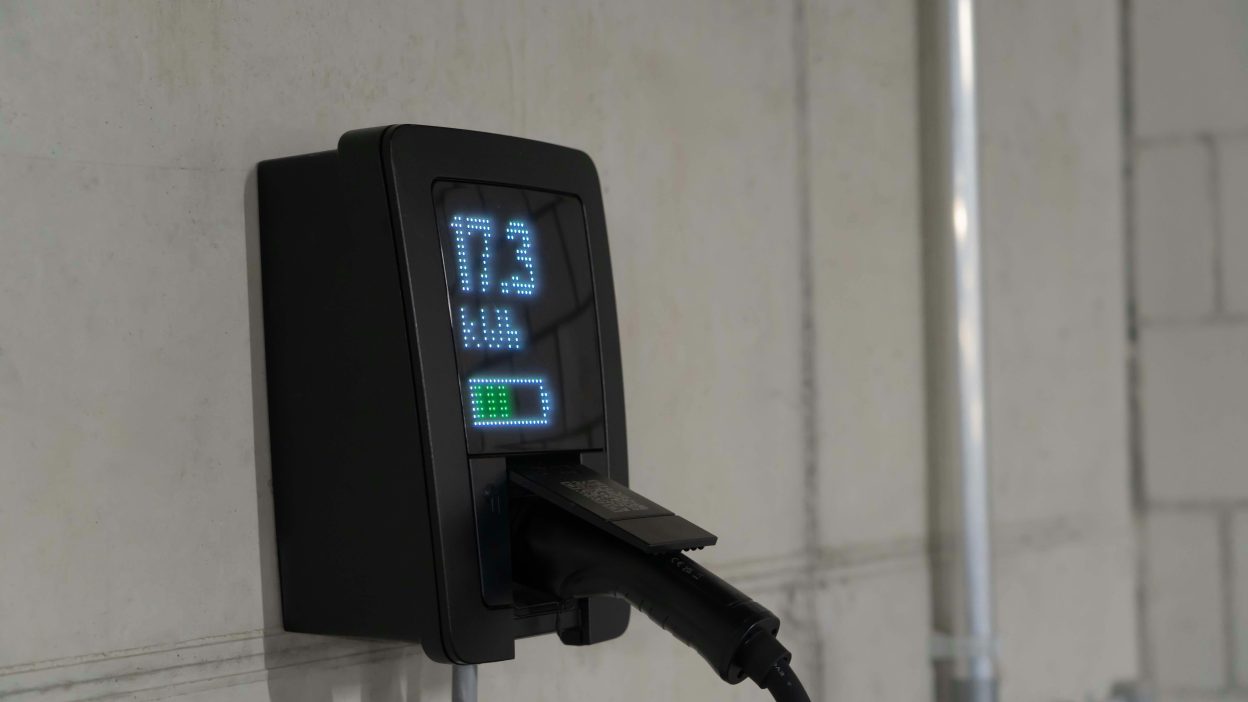
Electric vehicles are transforming the automotive industry, creating new opportunities for workshops and technicians. However, servicing EVs requires a different approach compared to traditional petrol or diesel vehicles. One of the most important areas technicians must understand is EV battery safety. High-voltage battery systems can pose serious risks if proper procedures are not followed.
As more electric vehicles enter the market, workshops that prioritize EV battery safety will be better prepared to protect their employees, customers, and business operations. Proper training, equipment, and safety protocols are no longer optional—they are essential.
Table of Contents
Why EV Battery Safety Matters
Unlike conventional vehicle batteries, EV battery packs operate at much higher voltages. Direct contact with high-voltage components can result in severe injury, electric shock, or even fatal accidents. In addition, damaged battery systems may create fire risks or thermal runaway events if handled incorrectly.
This is why every technician working on electric vehicles must understand the fundamentals of EV battery safety before performing inspections, maintenance, or repairs.
- Protects technicians from electrical hazards
- Reduces the risk of workplace accidents
- Prevents damage to expensive EV components
- Improves workshop compliance and professionalism
- Supports safe vehicle servicing procedures
- Builds customer confidence in EV repairs
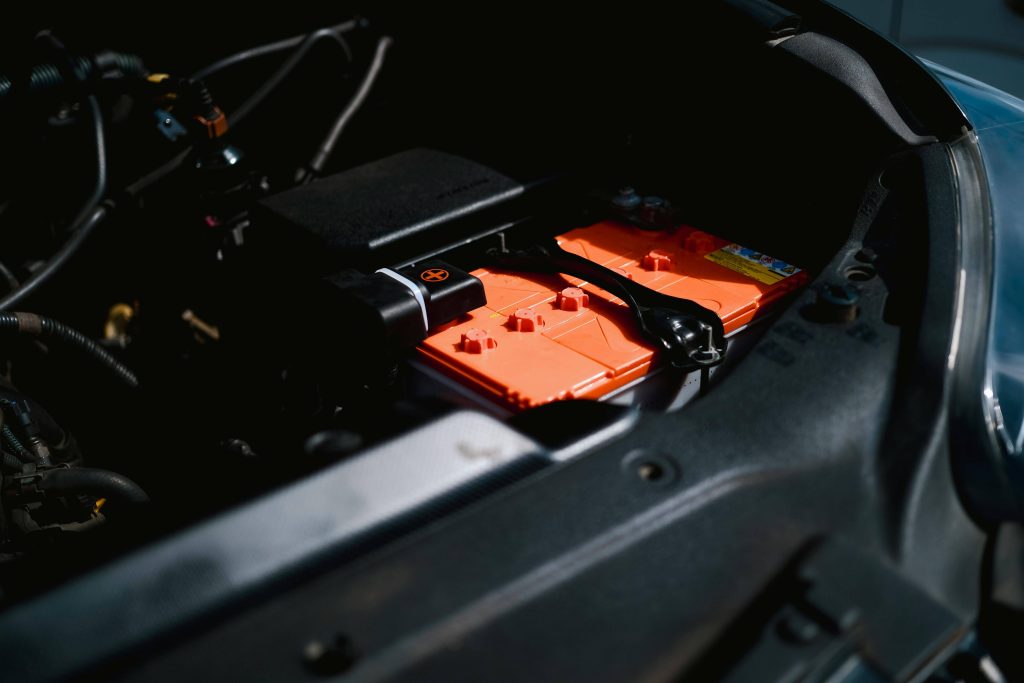
1. Understand High-Voltage Systems Before Starting Work
One of the most important principles of EV battery safety is understanding the vehicle’s electrical architecture. Different manufacturers use different battery configurations, connectors, and safety systems.
Before beginning any service work, technicians should review the manufacturer’s procedures and identify all high-voltage components that may be involved in the repair.
2. Always Use Proper Personal Protective Equipment (PPE)
Working on electric vehicles requires specialized protective equipment. Standard workshop gloves may not provide adequate protection against high-voltage systems.
Technicians should use insulated gloves, face protection, safety footwear, and other recommended PPE when performing tasks involving battery systems. Following PPE requirements is a critical part of maintaining EV battery safety.
3. Follow Battery Isolation Procedures
Before servicing any EV, the high-voltage system should be properly isolated according to manufacturer guidelines. This process helps ensure that electrical energy is disconnected before work begins.
Skipping isolation procedures can expose technicians to unnecessary risks and compromise overall EV battery safety.
4. Inspect Batteries for Damage Carefully
Battery packs should be visually inspected for signs of physical damage, swelling, corrosion, leaks, or impact-related issues. Even minor damage can indicate internal problems that require special handling.
Damaged battery systems should never be ignored because they can present significant EV battery safety concerns if left unaddressed.
5. Prepare for Emergency Situations
Every workshop servicing electric vehicles should have emergency response procedures in place. Technicians must know how to respond to electrical incidents, battery fires, and thermal runaway events.
Emergency preparedness is an essential component of EV battery safety because quick action can help minimize damage and protect personnel.
Common EV Battery Hazards Technicians Should Know
Electric Shock Risks
High-voltage systems can remain dangerous if proper isolation procedures are not followed.
Thermal Runaway
Damaged or overheated battery cells can trigger chain reactions that generate intense heat and fire hazards.
Chemical Exposure
Certain battery failures may release hazardous materials that require specialized handling procedures.
Mechanical Damage
Improper lifting, storage, or transportation can damage battery packs and create additional safety risks.
How Autodots Helps Workshops Stay Organized
Autodots helps workshops manage repair workflows, technician activities, service records, digital job cards, and customer communication through a centralized platform.
As workshops expand their EV servicing capabilities, organized documentation and service tracking become increasingly important. While technology cannot replace proper training, digital systems help support operational consistency and professional service management.
Maintaining accurate records can also help workshops track inspections, repairs, and technician activities more effectively.
You can also explore more automotive workshop insights on the Autodots Blog.
Best Practices for Safe EV Servicing
- Train technicians regularly on EV systems
- Use manufacturer-approved procedures
- Inspect safety equipment frequently
- Maintain dedicated EV service areas
- Document inspections and repairs accurately
- Review emergency response plans periodically
Implementing these practices helps create a safer environment and strengthens overall EV battery safety within the workshop.
Frequently Asked Questions (FAQs)
Why is EV battery safety important?
Electric vehicle batteries operate at high voltages and require specialized procedures to prevent electrical hazards and workplace accidents.
What protective equipment should technicians use?
Insulated gloves, face protection, safety footwear, and other manufacturer-recommended PPE should be used when working with high-voltage systems.
What is battery isolation?
Battery isolation is the process of safely disconnecting the high-voltage system before performing service or repair work.
Can damaged EV batteries be dangerous?
Yes. Physical damage, overheating, or internal faults can create fire, electrical, or chemical hazards.
Should workshops provide EV-specific technician training?
Yes. Specialized training helps technicians understand safety procedures, vehicle systems, and emergency response requirements.
How often should EV safety procedures be reviewed?
Workshops should review procedures regularly and update training whenever new vehicle technologies or manufacturer guidelines are introduced.
Conclusion
As electric vehicles become more common, workshops must adapt to new servicing requirements and safety standards. Prioritizing EV battery safety helps protect technicians, reduce risks, and ensure professional service quality.
By combining proper training, safety procedures, and organized workshop operations, businesses can confidently prepare for the future of electric vehicle servicing.
To streamline workshop management and improve service organization, explore Autodots Garage Management Solutions.