
Car repair delays can create problems for both garages and customers. When a vehicle stays in the workshop longer than expected, customers may become unhappy, technicians may face extra pressure, and the garage may struggle to manage new bookings. Even a small delay in one repair can affect the schedule of the entire workshop.
Car Repair Delays can happen for many reasons. A vehicle may be waiting for customer approval, a spare part may not be available, technicians may not have clear repair instructions, or the workshop may simply have too many vehicles at the same time. The good news is that many of these problems can be reduced with better planning and digital tools.
In this guide, we will look at seven practical ways garages can finish repair jobs faster, improve workshop efficiency, and provide a better experience for customers.
Table of Contents
Why Do Car Repair Delays Happen?
Before fixing a delay, it is important to understand where it starts. A repair process usually includes several stages, such as booking, vehicle reception, inspection, job card creation, repair approval, parts availability, technician work, testing, billing, and delivery.
If any one of these stages takes too long, the entire repair can be delayed. For example, a technician may finish the inspection quickly, but the vehicle may remain unused for hours because the customer has not approved the additional repair.
Another common problem is poor communication. If the service advisor does not know the current repair status, it becomes difficult to give the customer an accurate update.
7 Smart Ways to Finish Car Repairs Faster
1. Improve Appointment Scheduling
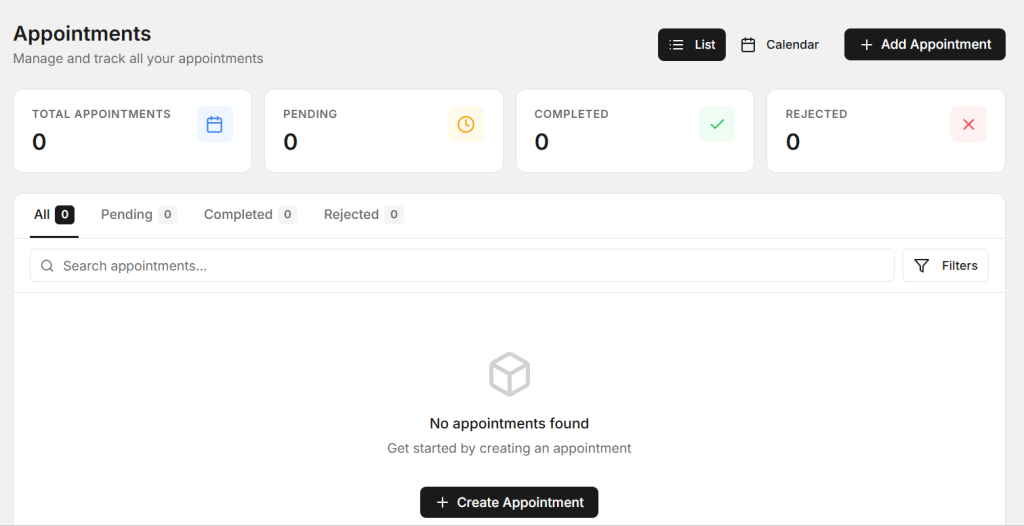
A busy workshop needs proper appointment planning. If too many vehicles arrive at the same time, technicians can become overloaded and service advisors may struggle to manage customer requests.
A digital appointment system can help garages understand how many vehicles are expected each day. The team can also check the type of service required before the vehicle arrives.
This allows the workshop to plan technicians, service bays, tools, and other resources in advance.
Better scheduling can reduce Car Repair Delays caused by overcrowding and poor planning.
2. Use Detailed Digital Job Cards
A job card tells the workshop what needs to be done. It can include customer complaints, vehicle information, inspection findings, recommended repairs, parts, labour, and technician notes.
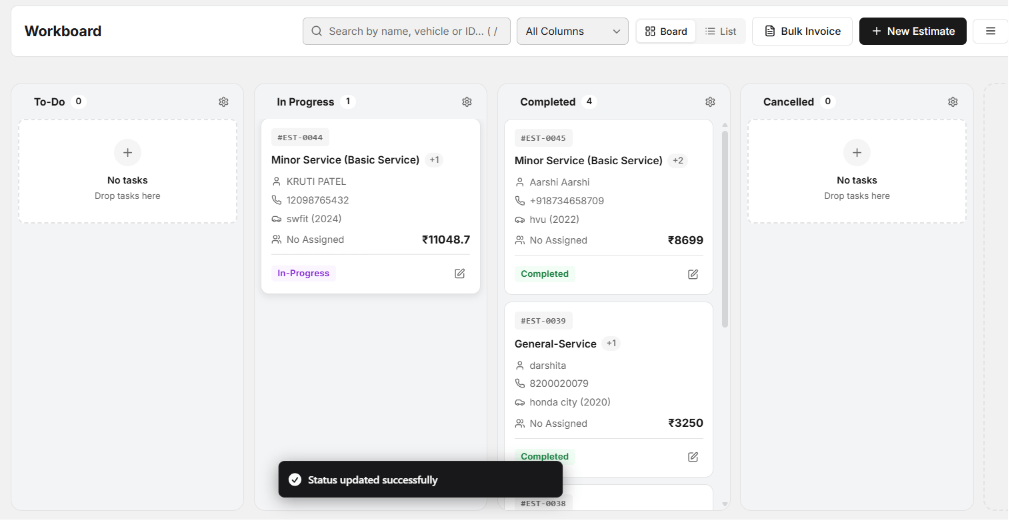
When job cards are incomplete or difficult to read, technicians may need to ask the service advisor for more information. This creates unnecessary interruptions.
Digital job cards can keep important repair information in one place. Technicians can check the required work, while service advisors can monitor progress without repeatedly asking for updates.
Clear job cards can help reduce Car Repair Delays by making repair instructions easier to understand.
3. Speed Up Customer Repair Approvals
Additional repairs are a common reason why vehicles remain in the workshop. A technician may discover another problem during inspection, but the work cannot continue until the customer gives approval.
If the service advisor has to call the customer several times, valuable time can be lost. Customers may be busy, driving, or unable to answer immediately.
A digital approval process can make it easier to send repair details to customers and track their response. Once approval is received, the technician can start the work without unnecessary waiting.
Faster approvals can remove one of the most common causes of Car Repair Delays.
4. Track Spare Parts Properly
A vehicle cannot always be completed if the required spare part is unavailable. Sometimes a part has been ordered but the workshop team does not know its current status.
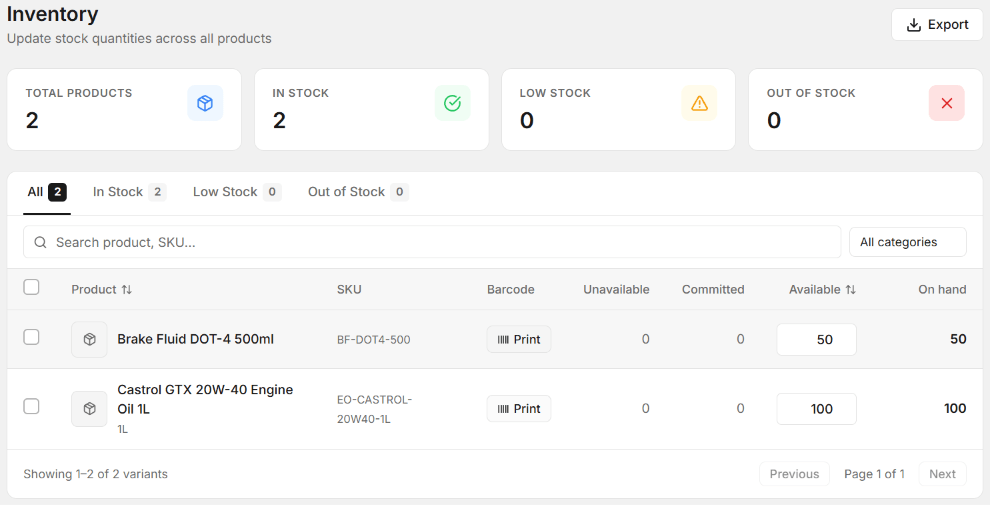
A proper parts tracking process can help service advisors and managers see which vehicles are waiting for parts. It can also help them communicate realistic delivery times to customers.
Garages should identify commonly used parts and plan stock based on their regular repair requirements. For special parts, ordering them as early as possible can reduce waiting time.
Better parts planning can prevent Car Repair Delays that have nothing to do with technician productivity.
5. Keep Technicians Focused on Repair Work
Technicians are most valuable when they are working on vehicles. If they spend too much time searching for information, answering repeated questions, or handling paperwork, repair productivity can decrease.
A clear workflow can help technicians understand what needs to be done before starting a repair. Digital job cards and organized repair information can reduce unnecessary interruptions.
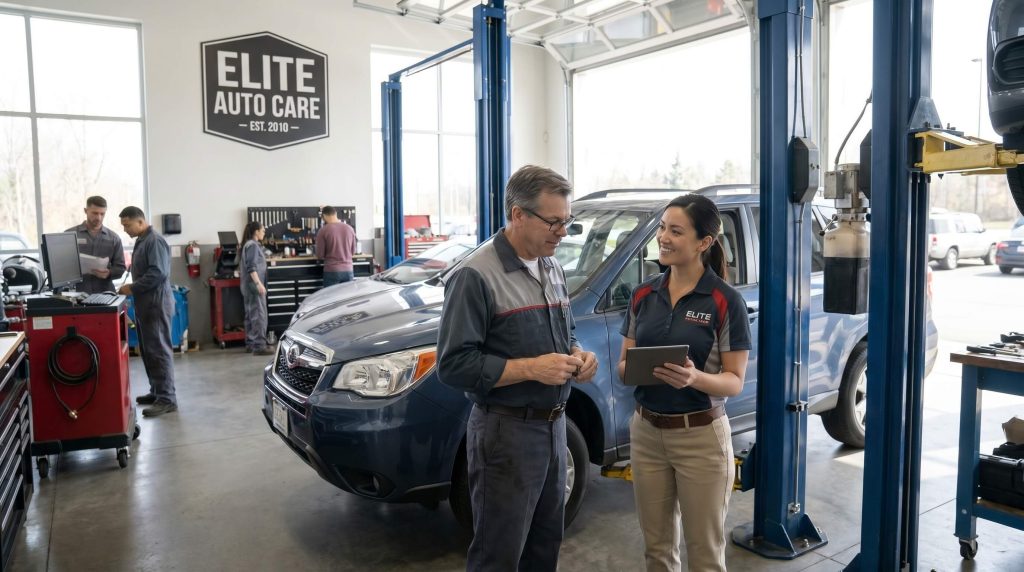
Service advisors should also handle most customer communication so technicians can focus on technical work.
This separation of responsibilities can help the workshop reduce Car Repair Delays and make better use of available technician time.
6. Monitor Repair Progress in Real Time
Managers cannot improve what they cannot see. If a workshop does not have a clear view of vehicle status, some jobs may remain unnoticed for too long.
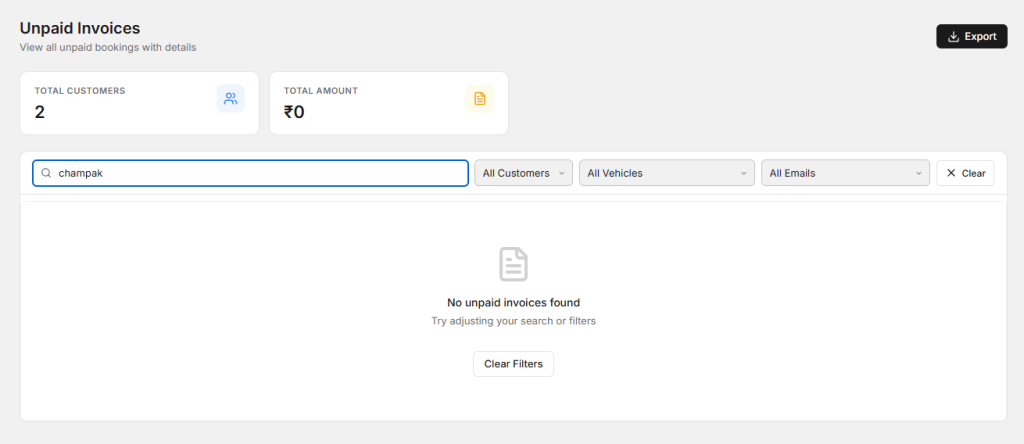
A digital workshop system can help managers see which vehicles are waiting for inspection, approval, parts, repair, testing, or billing.
This makes it easier to identify bottlenecks. If several vehicles are waiting for customer approval, the service team can focus on follow-ups. If vehicles are waiting for final inspection, the manager can organize the next step.
Real-time visibility can help reduce Car Repair Delays before they become serious problems.
7. Make Billing and Delivery Faster
Sometimes the repair itself is completed on time, but the customer still has to wait because billing or final checks are not ready.
A smooth delivery process should include final inspection, invoice preparation, payment confirmation, and vehicle handover.
Digital billing can reduce repeated data entry and help the service team prepare invoices faster. The team can also check whether all approved work has been completed before contacting the customer.
A well-organized final stage can prevent unnecessary Car Repair Delays after the technical work is already finished.
How Digital Tools Help Reduce Workshop Delays
Many repair delays are caused by information problems rather than technical problems. Employees may not know which repair is approved, whether a part has arrived, or whether a vehicle has completed inspection.

Digital workshop management can bring this information together. Instead of depending on paper notes, separate spreadsheets, or repeated phone calls, employees can access the latest information from one organized system.
This can improve communication between service advisors, technicians, parts teams, and managers.
Benefits of Faster Repair Completion
Finishing repairs faster does not mean rushing technicians or reducing repair quality. The goal is to remove unnecessary waiting time and improve the way work moves through the workshop.
- Customers spend less time waiting.
- Technicians can focus more on repair work.
- Service advisors can manage more vehicles.
- Workshop capacity can improve.
- Customer communication becomes easier.
- Managers can identify bottlenecks faster.
- Vehicles can move through the workshop more smoothly.
When the workshop works more efficiently, it may also be able to serve more customers without adding the same amount of extra administrative work.
How AutoDots Can Help Your Garage
AutoDots provides digital solutions designed for automotive businesses. A workshop can use digital tools to organize customer information, vehicle records, job cards, service activities, and other important processes.
A connected workflow can help service advisors and managers understand what is happening with each vehicle. This makes it easier to identify pending approvals, repair tasks, and other possible bottlenecks.
For garages looking to reduce Car Repair Delays, moving repetitive workshop processes into a digital system can be a practical step toward better efficiency.
How to Identify Your Biggest Delay
Every workshop has different problems. Before changing your process, track where vehicles spend the most waiting time.
Check how long vehicles wait for registration, inspection, repair approval, parts, technician work, final inspection, and billing.
Once you know the biggest bottleneck, focus your first improvement there. For example, if most vehicles wait for customer approval, improve the approval process before changing another part of the workflow.
Do Not Sacrifice Repair Quality for Speed
Faster repair completion should never mean skipping important inspection or testing steps. Vehicle safety and repair quality must remain the priority.
The goal is to remove unnecessary waiting and administrative work, not to rush technical work. Technicians should still follow the correct repair procedures and complete required checks before delivery.
A good workshop combines speed with quality and clear customer communication.
How to Start Improving Your Workshop
Start with a simple review of your current process. Write down every stage from customer booking to vehicle delivery.
Then identify which stages create the most waiting time. Speak with service advisors and technicians because they often know exactly where problems happen during the day.
After identifying the main bottleneck, introduce a practical solution and measure the results. Continue improving one process at a time instead of trying to change everything together.
Common Mistakes Garages Should Avoid
Ignoring Small Delays
A five-minute delay may not seem important, but repeated delays across many vehicles can add up to several hours.
Using Too Many Separate Systems
When customer records, job cards, approvals, and billing are managed in different places, employees may spend too much time moving information between systems.
Waiting Until the End to Check Progress
Managers should monitor repair progress throughout the day. Waiting until the end of the day to identify a delayed vehicle can make the problem harder to solve.
Not Communicating With Customers
If a repair is delayed, customers should receive a clear update. Honest communication can help maintain trust even when unexpected problems occur.
Frequently Asked Questions
What are the main causes of car repair delays?
Common causes include poor appointment planning, unclear job cards, slow customer approvals, unavailable spare parts, poor communication, technician workload, and delays during billing or final inspection.
How can a garage reduce Car Repair Delays?
A garage can reduce Car Repair Delays by improving appointment scheduling, using digital job cards, speeding up repair approvals, tracking spare parts, monitoring repair progress, and organizing billing and delivery.
Can digital job cards make repairs faster?
Yes. Digital job cards can make repair information easier to access and update. This can reduce confusion and unnecessary communication between service advisors and technicians.
Why do customer approvals cause repair delays?
Customers may be unavailable when the garage calls for approval. A digital approval process can make repair recommendations easier to share and help the workshop track pending decisions.
Can better parts tracking reduce workshop waiting time?
Yes. Better parts tracking helps the team know which vehicles are waiting for parts and which parts are available. This makes planning and customer communication easier.
How can AutoDots help reduce repair delays?
AutoDots provides digital automotive business solutions that can help garages organize customer information, vehicle records, service activities, and workshop processes in a more structured way.
Conclusion
Car Repair Delays can affect customer satisfaction, technician productivity, and the overall performance of a garage. Many delays are not caused by difficult repairs. They happen because information, approvals, parts, and daily workshop tasks are not managed efficiently.
By improving appointment scheduling, using digital job cards, speeding up customer approvals, tracking parts, monitoring repair progress, and organizing billing, garages can reduce unnecessary waiting time.
AutoDots can help automotive businesses move toward a more organized digital workflow. With better information and clearer processes, your team can spend less time on repetitive administration and more time completing quality vehicle repairs.
If you want to explore partnership opportunities with AutoDots, visit the AutoDots partner program.
For more automotive business guides, workshop management tips, and useful industry information, visit the AutoDots blog.