Electric vehicles are no longer just a way to travel. They are becoming part of the energy system as well. One of the most exciting innovations is Bidirectional EV Charging, a technology that allows an electric vehicle to both receive electricity and send electricity back to a home, business, or even the power grid.
As more EV manufacturers introduce this feature, garage owners, technicians, and EV owners should understand how Bidirectional EV Charging works and why it could become an important part of future vehicle servicing.
Table of Contents
What Is Bidirectional EV Charging?
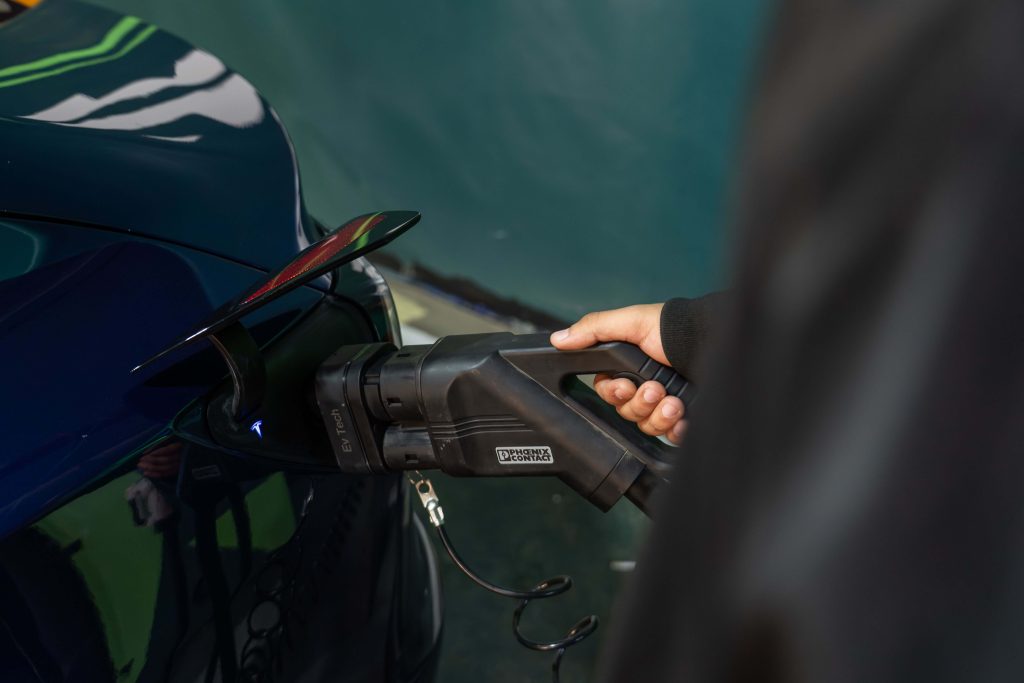
Bidirectional EV Charging is a charging system that allows electricity to flow in two directions. Unlike traditional EV charging, where power only moves from the charger to the vehicle, this technology also allows electricity stored inside the vehicle battery to flow back when needed.
This means an electric vehicle can act as a temporary energy storage system instead of simply being a mode of transport.
How Does Bidirectional EV Charging Work?
A compatible electric vehicle, charging station, and energy management system work together to control the movement of electricity. When electricity demand is low, the vehicle charges normally. When electricity is needed, the stored battery power can be supplied back safely.
This is the basic principle behind Bidirectional EV Charging.
Types of Bidirectional Charging
Vehicle-to-Grid (V2G)
In this system, the vehicle sends electricity back to the power grid during periods of high demand, helping balance electricity usage.
Vehicle-to-Home (V2H)
An electric vehicle can provide backup power to a home during a power outage or help reduce electricity bills by supplying stored energy.
Vehicle-to-Building (V2B)
Businesses can use stored vehicle energy to support office buildings or commercial facilities during peak electricity usage.
Benefits of Bidirectional EV Charging
- Lower electricity costs.
- Emergency backup power.
- Better use of renewable energy.
- Improved energy management.
- Reduced pressure on power grids.
- More value from EV ownership.
- Support for smart energy systems.
- Greater energy flexibility.
These advantages explain why Bidirectional EV Charging is receiving so much attention around the world.
What Garage Owners Should Know
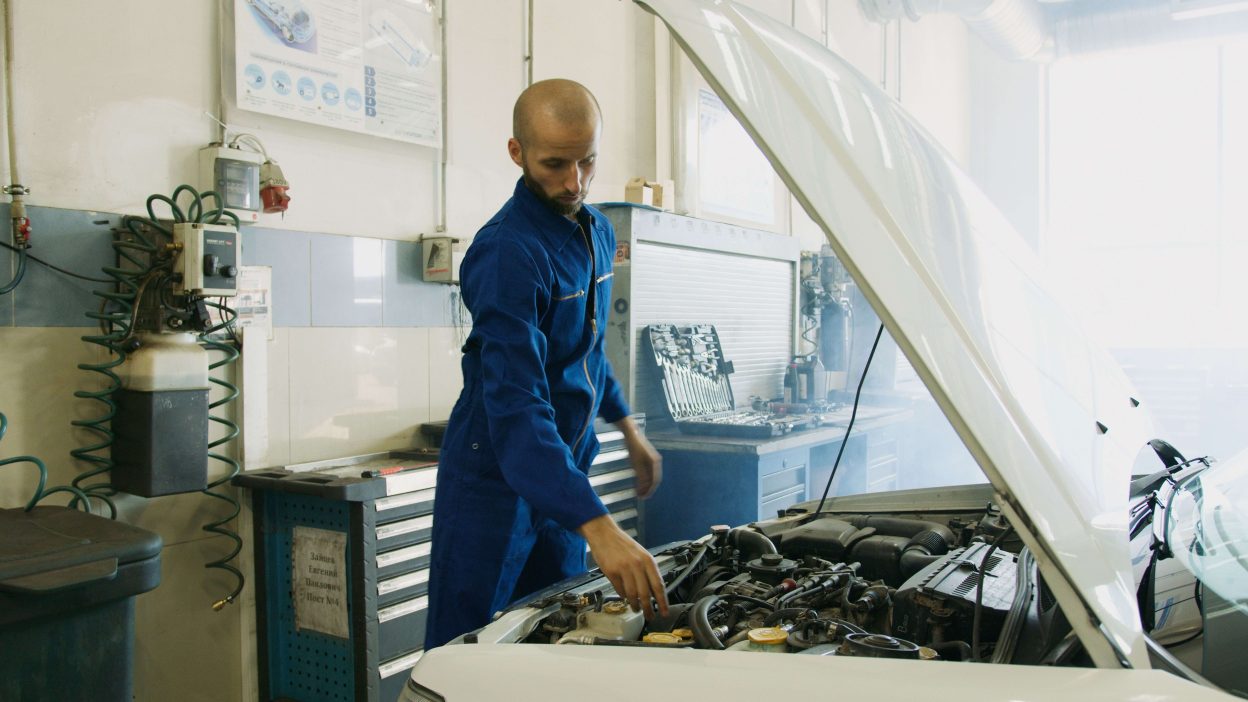
As more vehicles support this technology, workshops will need to understand advanced charging systems, battery health, software updates, and electrical diagnostics. Future EV servicing will involve much more than mechanical repairs.
Learning about Bidirectional EV Charging today helps workshops prepare for tomorrow’s electric vehicles.
Skills Future EV Technicians Will Need
- Battery health diagnostics.
- High-voltage safety procedures.
- EV charging system diagnostics.
- Software troubleshooting.
- Digital vehicle inspections.
- Electrical system testing.
- Charging equipment knowledge.
- Advanced technician training.
These skills will become increasingly valuable as Bidirectional EV Charging becomes more common.
Why Digital Workshop Management Matters
Modern electric vehicles require software diagnostics, battery inspections, digital repair records, customer approvals, and detailed service documentation. Managing these tasks manually can slow down workshop operations.
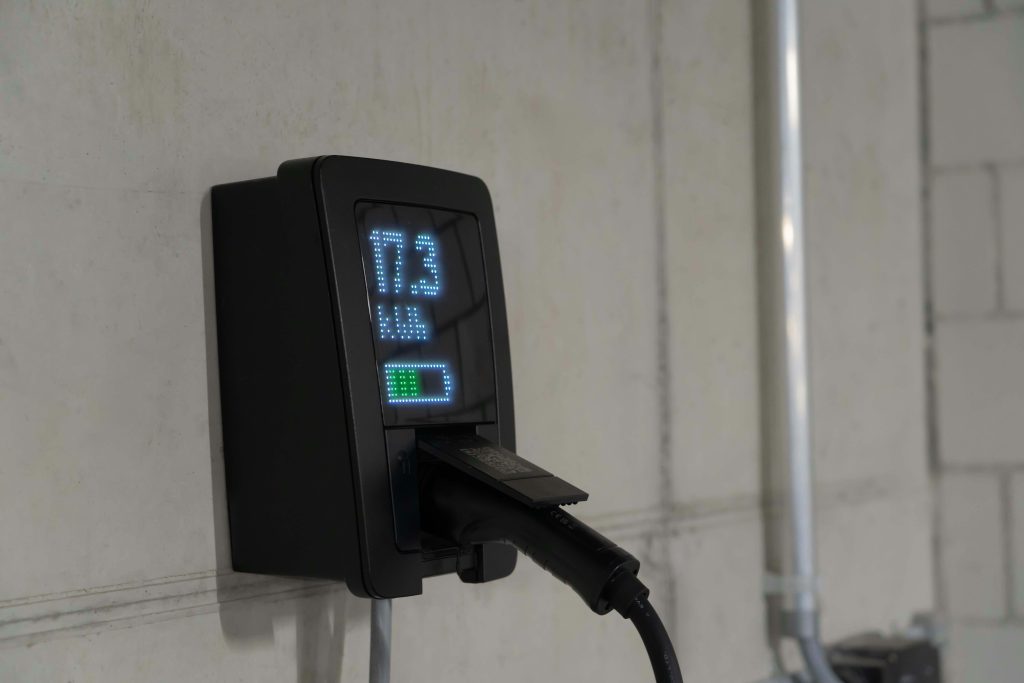
Digital garage management software makes servicing vehicles with Bidirectional EV Charging faster, more organized, and more efficient.
Why Many Workshops Choose Autodots
Autodots helps workshops manage modern EV repairs with appointment scheduling, digital job cards, technician management, inventory tracking, quotations, invoicing, CRM, workflow automation, vehicle inspections, dashboard reporting, financial reporting, and advanced business analytics.
Everything is managed through one cloud-based dashboard, allowing workshop owners to improve productivity while reducing paperwork.
Built-in Marketing and Customer Communication
Autodots also includes WhatsApp campaigns, SMS campaigns, email marketing, appointment reminders, repair updates, digital inspections, quotations, invoices, payment reminders, service reminders, customer feedback requests, and follow-up messages.
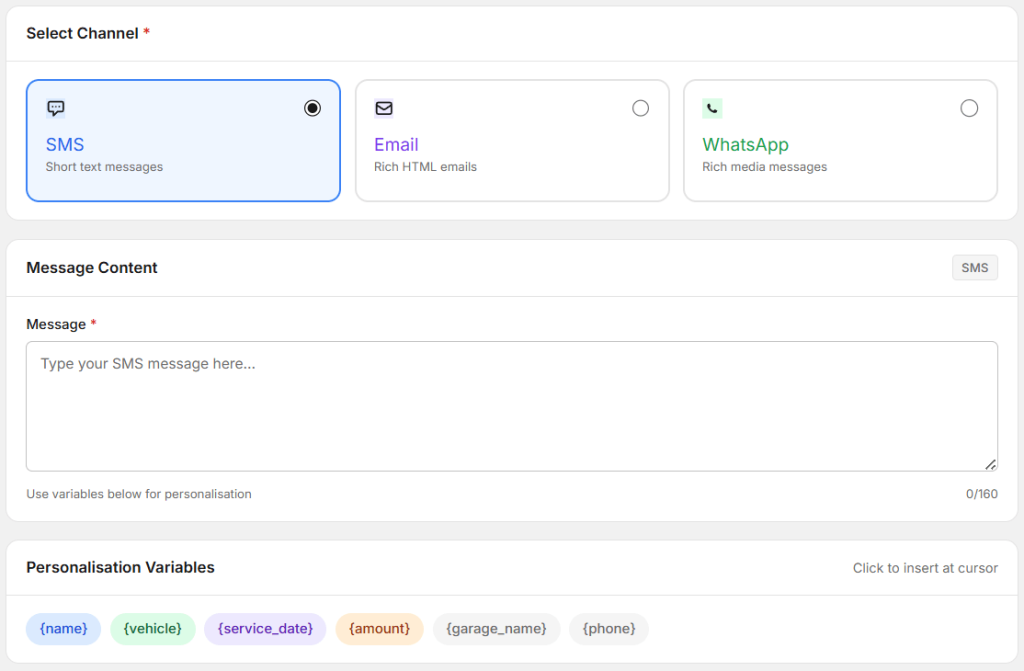
These communication tools help workshops improve customer service while increasing repeat business and customer loyalty.
Grow Your Workshop Online
As electric vehicle ownership continues to grow, garages should also improve their digital presence. Through the Autodots Partner Program, workshop owners can improve online visibility, attract more local customers, and grow their business.
Combining knowledge of Bidirectional EV Charging with digital marketing helps workshops stay competitive in the rapidly growing EV industry.
Frequently Asked Questions
What is Bidirectional EV Charging?
Bidirectional EV Charging is a technology that allows electricity to flow both into and out of an electric vehicle, enabling it to supply power back to homes, buildings, or the electrical grid.
What is Vehicle-to-Grid (V2G)?
Vehicle-to-Grid (V2G) allows compatible electric vehicles to return stored electricity to the power grid during periods of high demand.
Can every electric vehicle support bidirectional charging?
No. Both the electric vehicle and the charging equipment must support bidirectional charging technology.
How does Autodots help EV workshops?
Autodots combines appointment scheduling, digital job cards, technician management, inventory tracking, quotations, invoicing, reporting, analytics, WhatsApp messaging, SMS campaigns, email marketing, CRM, dashboard reporting, and vehicle inspections into one complete workshop platform.
Why should garage owners learn about bidirectional charging?
As more manufacturers introduce this technology, workshops that understand Bidirectional EV Charging will be better prepared to diagnose, service, and maintain future electric vehicles.
Conclusion
Bidirectional EV Charging is changing how electric vehicles interact with homes, businesses, and power grids. By allowing energy to flow in both directions, this technology offers greater flexibility, lower energy costs, and new opportunities for EV owners. Workshops that invest in technician training, digital management systems, and modern EV diagnostics with solutions like Autodots will be ready to support the next generation of electric vehicles throughout 2026 and beyond.
For additional workshop technology insights and automotive industry updates, visit the Autodots Blog.