Electric vehicle battery technology is evolving rapidly, and new alternatives are entering the market. While lithium-ion batteries have powered most EVs for years, sodium-ion batteries are gaining attention as a more affordable and sustainable option. Understanding Sodium-Ion EV Batteries vs Lithium-Ion Batteries helps EV owners, garage operators, and technicians prepare for the future of electric mobility.
Both battery technologies have unique strengths and limitations. In this guide, we’ll compare Sodium-Ion EV Batteries vs Lithium-Ion Batteries to understand how they differ in cost, performance, charging, safety, and future applications.
Table of Contents
What Are Lithium-Ion Batteries?
Lithium-ion batteries are currently the most common battery technology used in electric vehicles. They offer high energy density, long driving range, and relatively fast charging, making them suitable for most modern EVs.
However, lithium mining is expensive, and rising demand has increased concerns about raw material availability and production costs.
What Are Sodium-Ion Batteries?
Sodium-ion batteries use sodium instead of lithium to store and release energy. Since sodium is widely available around the world, these batteries could become a more affordable option for future electric vehicles.
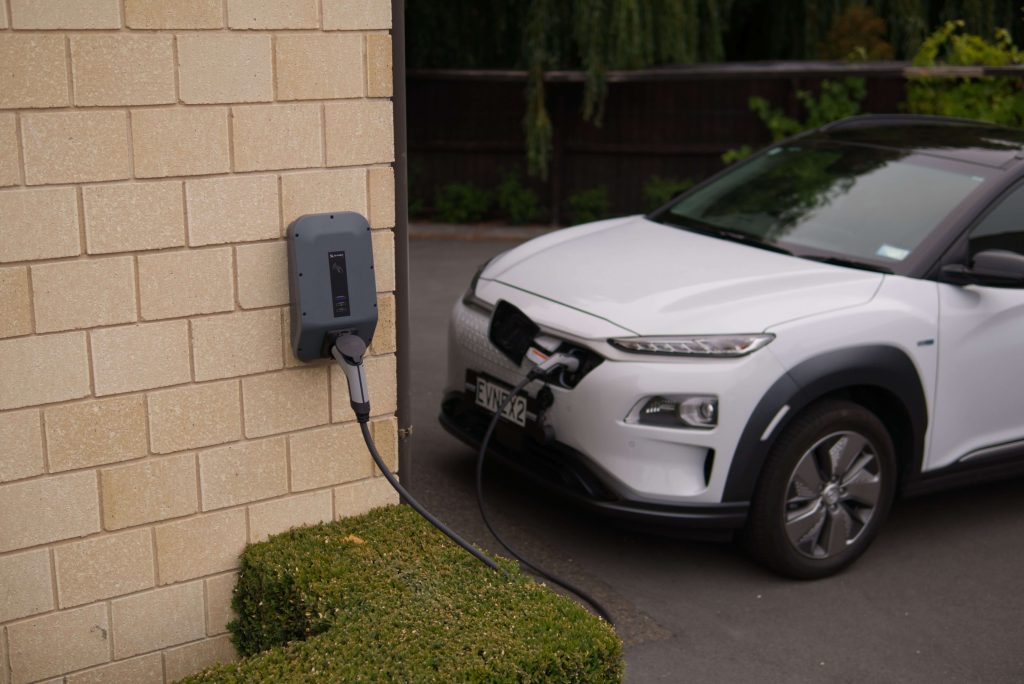
Comparing Sodium-Ion EV Batteries vs Lithium-Ion Batteries shows that sodium-ion technology focuses more on affordability and sustainability than maximum driving range.
Energy Density
Lithium-ion batteries currently provide higher energy density, allowing EVs to travel longer distances on a single charge. Sodium-ion batteries generally store less energy in the same amount of space.
In the comparison of Sodium-Ion EV Batteries vs Lithium-Ion Batteries, lithium-ion technology still leads in driving range.
Charging Speed
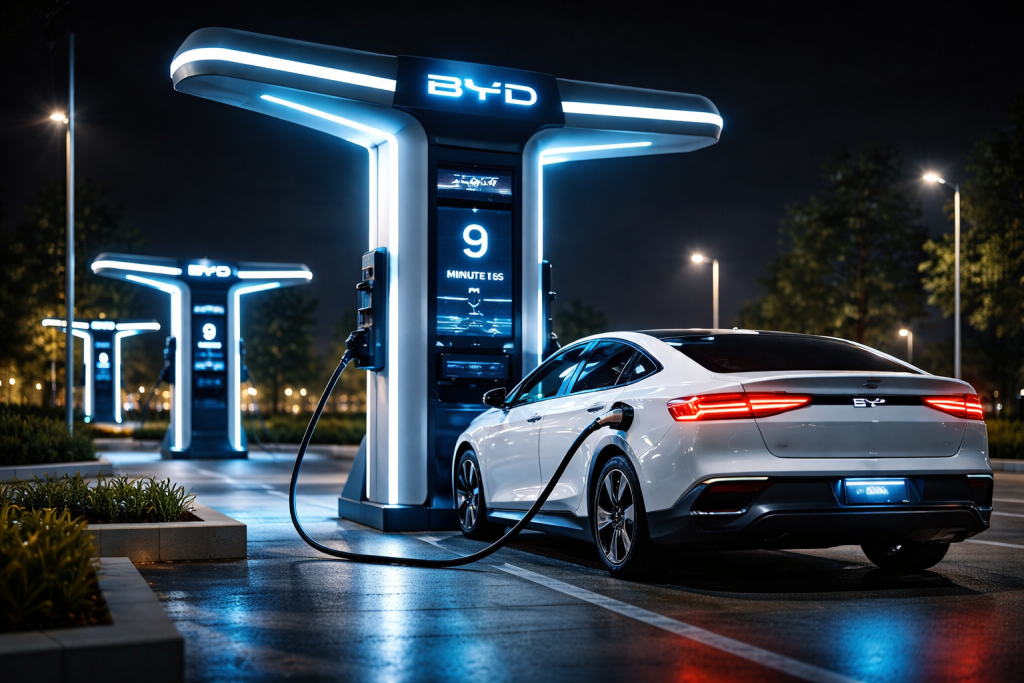
Both battery types continue to improve, but many lithium-ion batteries currently support faster charging in commercial EVs. Future sodium-ion technology may continue closing this gap.
Cost
One of the biggest advantages of sodium-ion batteries is lower production cost. Sodium is easier to source and more widely available than lithium, helping reduce manufacturing expenses.
This makes cost one of the strongest points when comparing Sodium-Ion EV Batteries vs Lithium-Ion Batteries.
Safety
Sodium-ion batteries may offer improved thermal stability, reducing the risk of overheating under certain conditions. However, both technologies require advanced battery management systems for safe operation.
Environmental Impact
Because sodium is abundant and easier to obtain, sodium-ion batteries may reduce dependence on limited raw materials. This could support more sustainable battery production in the future.
What Garage Owners Should Know
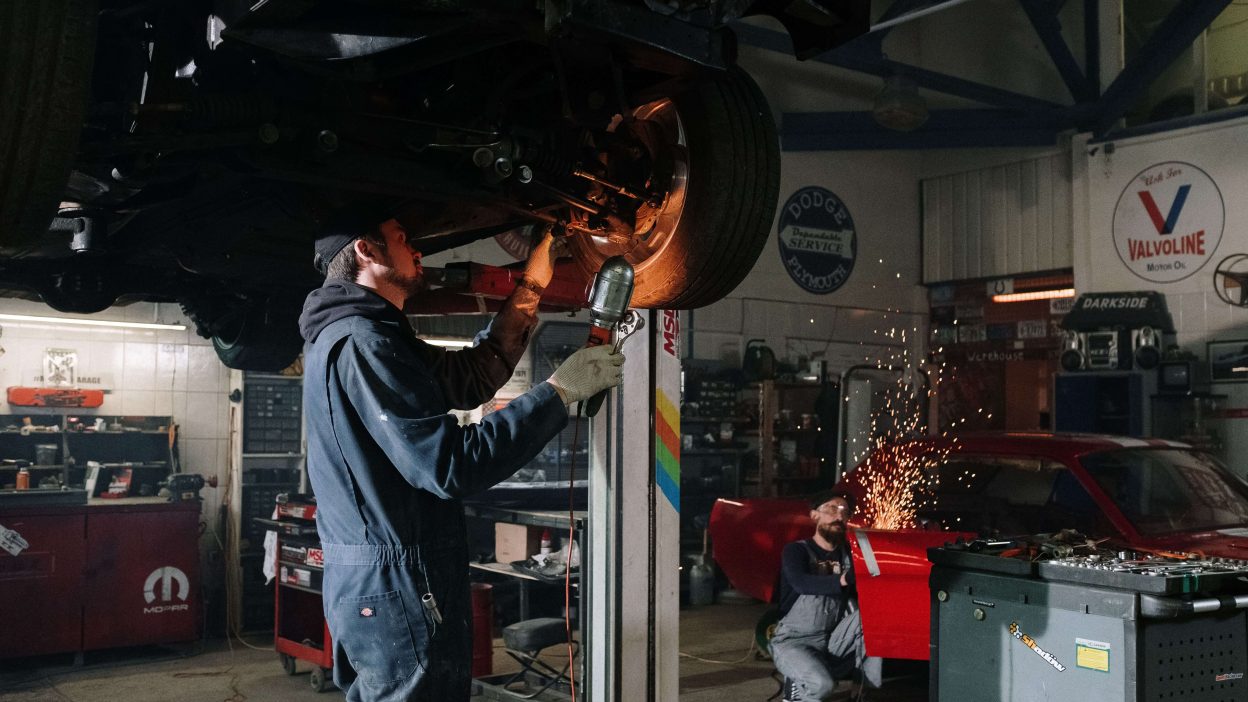
As battery technologies continue evolving, workshops will need updated equipment and technician training to service different battery types safely.
- Battery health diagnostics.
- High-voltage safety equipment.
- Advanced EV diagnostics.
- Software-based troubleshooting.
- Digital repair documentation.
- Battery inspection procedures.
- Continuous technician training.
- Modern workshop tools.
Learning about Sodium-Ion EV Batteries vs Lithium-Ion Batteries today helps workshops prepare for future electric vehicles.
Why Digital Workshop Management Matters
Modern EV servicing involves battery inspections, software diagnostics, repair history, customer approvals, and digital service records. Managing these processes manually can reduce workshop efficiency.
Digital garage management software helps workshops organize repairs involving Sodium-Ion EV Batteries vs Lithium-Ion Batteries while improving technician productivity.
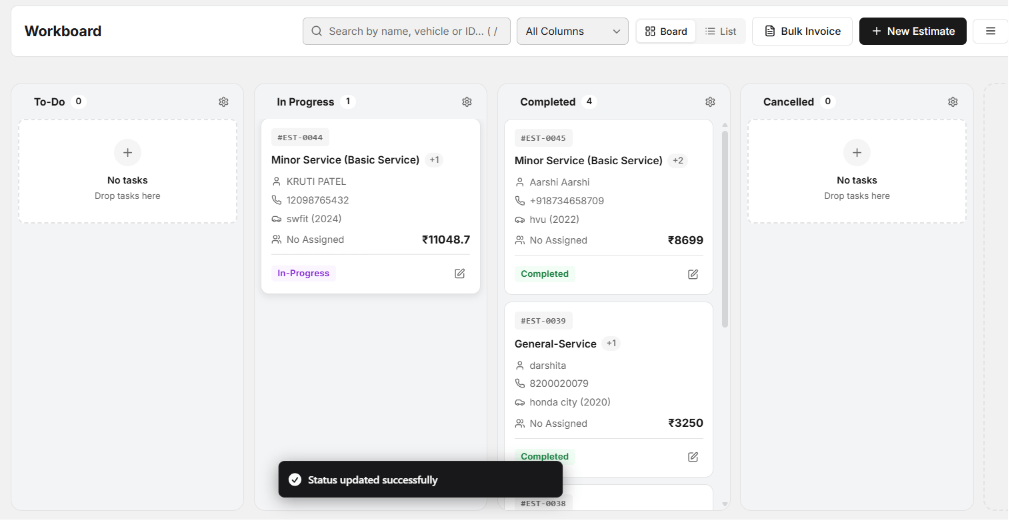
Why Many Workshops Choose Autodots
Autodots provides appointment scheduling, digital job cards, technician management, inventory tracking, quotations, invoicing, CRM, workflow automation, digital vehicle inspections, dashboard reporting, financial reporting, and advanced business analytics.
Everything is managed from one cloud-based dashboard, helping workshop owners simplify daily operations and improve efficiency.
Built-in Marketing and Customer Communication
Autodots also includes WhatsApp campaigns, SMS campaigns, email marketing, appointment reminders, repair updates, digital inspections, quotations, invoices, payment reminders, service reminders, customer feedback requests, promotional campaigns, and follow-up messages.
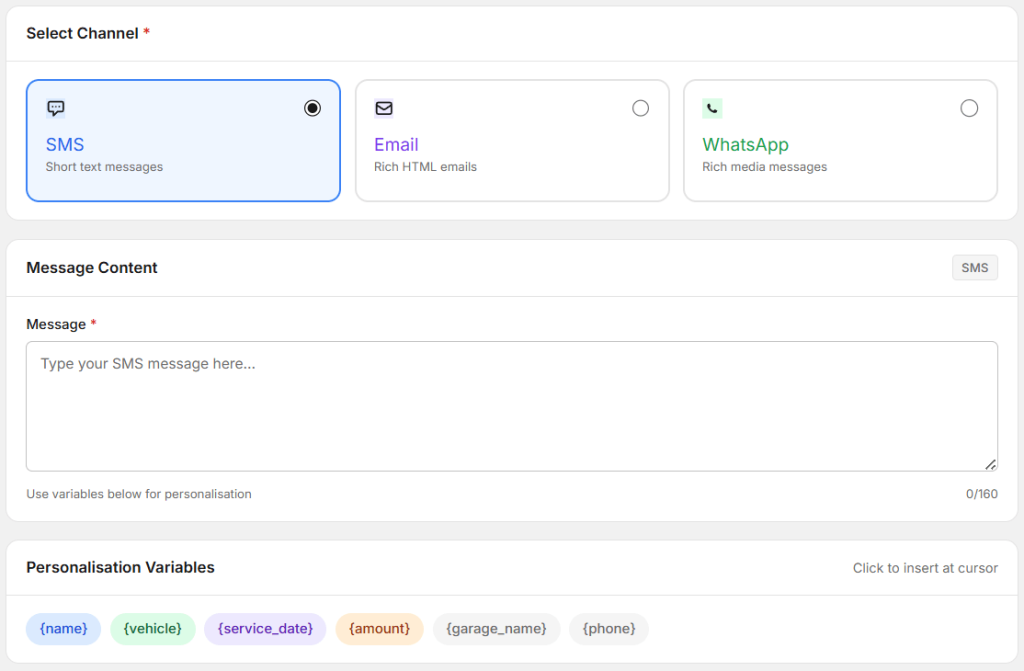
These communication tools help workshops improve customer satisfaction while increasing repeat business.
Grow Your Workshop Online
As electric vehicle technology continues evolving, workshops should also strengthen their online presence. Through the Autodots Partner Program, garage owners can improve local visibility, attract more customers, and grow their business.
Combining knowledge of Sodium-Ion EV Batteries vs Lithium-Ion Batteries with digital marketing prepares workshops for long-term success.
Frequently Asked Questions
What is the difference between Sodium-Ion EV Batteries and Lithium-Ion Batteries?
The biggest difference is the material used for energy storage. Lithium-ion batteries use lithium, while sodium-ion batteries use sodium, which is more abundant and generally less expensive.
Which battery offers a longer driving range?
Currently, lithium-ion batteries usually provide higher energy density and longer driving range than sodium-ion batteries.
Are sodium-ion batteries safer?
Sodium-ion batteries may offer improved thermal stability, but both battery technologies require proper battery management systems for safe operation.
How does Autodots help EV workshops?
Autodots combines appointment scheduling, digital job cards, technician management, inventory tracking, quotations, invoicing, CRM, WhatsApp campaigns, SMS campaigns, email marketing, reporting, vehicle inspections, and business analytics into one complete workshop management platform.
Will sodium-ion batteries replace lithium-ion batteries?
Not completely. Both technologies are expected to serve different markets depending on cost, driving range requirements, and vehicle type.
Conclusion
Comparing Sodium-Ion EV Batteries vs Lithium-Ion Batteries shows that each technology offers different advantages. Lithium-ion batteries continue leading in driving range and performance, while sodium-ion batteries offer lower costs and improved sustainability. As both battery technologies continue developing, workshops that invest in technician training, EV diagnostics, and digital management solutions like Autodots will be well prepared for the future of electric vehicle servicing.
For additional workshop technology insights and automotive industry updates, visit the Autodots Blog.