Running a busy garage involves many daily tasks. Staff members need to handle customer calls, vehicle bookings, inspections, job cards, repair approvals, spare parts, billing, and vehicle delivery. When most of these tasks are handled manually, employees can spend a large part of their day doing repetitive work instead of focusing on customers and vehicle repairs.
Reduce Manual Work in Garage is an important goal for workshops that want to save time and improve productivity. By using digital tools and simple processes, garage owners can make daily operations easier, reduce paperwork, and give employees more time to focus on important workshop activities.
The good news is that a garage does not need to change everything at once. Small improvements in customer management, job cards, appointments, communication, and billing can create a big difference over time.
Table of Contents
Why Reducing Manual Work Matters in a Garage
Manual work is not always bad. Some tasks require human attention and professional knowledge. However, repetitive administrative work can consume valuable time when it is done again and again.
For example, an employee may have to write customer details in a register, create a job card, update another file, call the customer for approval, and later enter the same information into a billing system. Repeating the same information across different places increases the chance of mistakes.
Reduce Manual Work in Garage by bringing important information into an organized digital workflow. This can help employees find information faster and avoid unnecessary data entry.
7 Smart Ways to Save Time in Your Garage
1. Store Customer and Vehicle Details Digitally
Customer information is one of the most important parts of garage management. A workshop may need to store names, phone numbers, vehicle registration numbers, vehicle models, service history, and previous repair details.
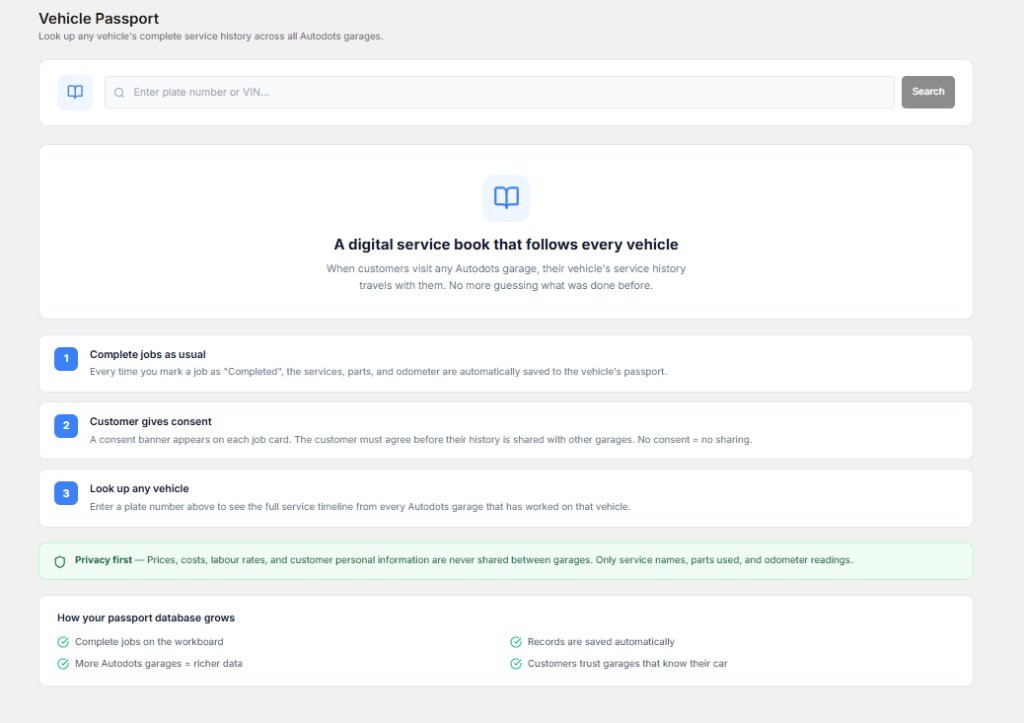
When this information is written in notebooks or stored in different files, employees may spend time searching for it. A digital system can keep these details organized in one place.
This makes it easier to find customer information when the vehicle returns for another service. It also reduces the need to enter the same details repeatedly.
One of the easiest ways to Reduce Manual Work in Garage is to create a single, organized digital customer and vehicle record.
2. Use Digital Appointment Management
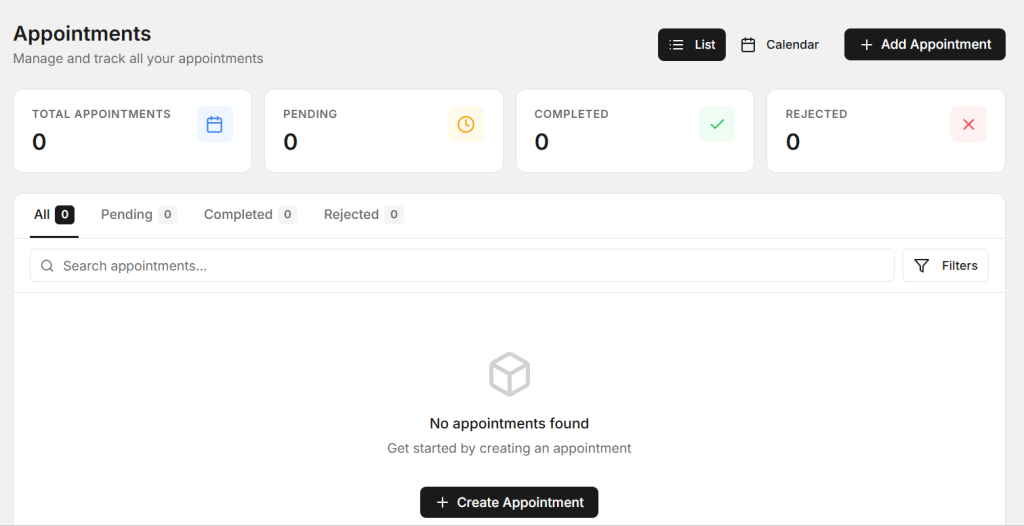
Appointments help garages plan their daily workload. When bookings are managed through phone calls, notebooks, or separate calendars, it can become difficult to know how many vehicles are expected during the day.
Digital appointment management gives the service team a clearer view of upcoming bookings. Employees can check appointment details, understand customer requirements, and prepare the workshop before the vehicle arrives.
This can reduce unnecessary calls and prevent scheduling confusion. It also helps the workshop manage busy periods more effectively.
3. Create Digital Job Cards
Job cards are an important part of vehicle service and repair. They contain information about customer complaints, inspection findings, recommended work, technician notes, parts, and repair status.
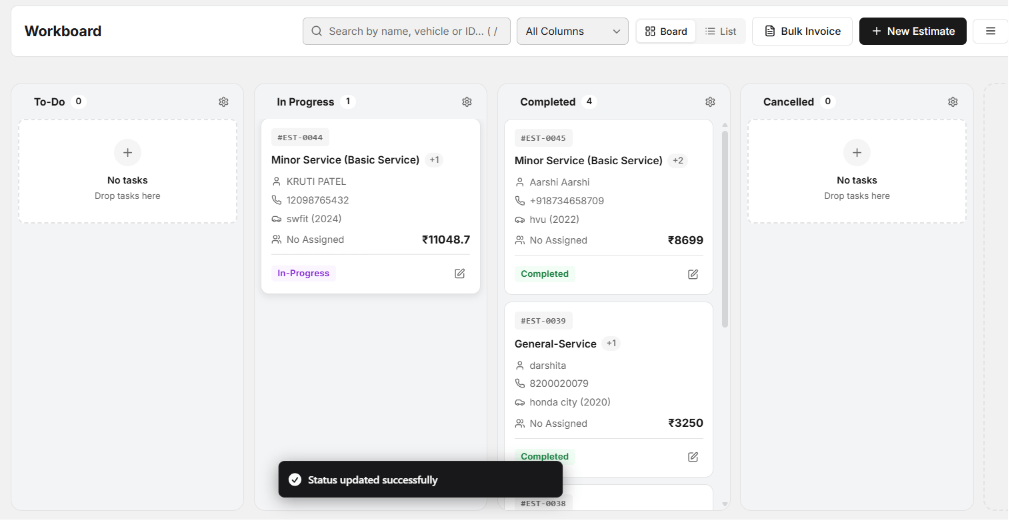
Paper job cards can be misplaced or damaged. Employees may also need to walk around the workshop to find the latest information.
Digital job cards make it easier for service advisors, technicians, and managers to access the same information. Updates can be added as work progresses.
A digital job card system is a practical way to Reduce Manual Work in Garage while also improving communication between different teams.
4. Make Repair Approval Faster
Additional repairs are often found during vehicle inspections. Before starting extra work, the garage normally needs approval from the customer.
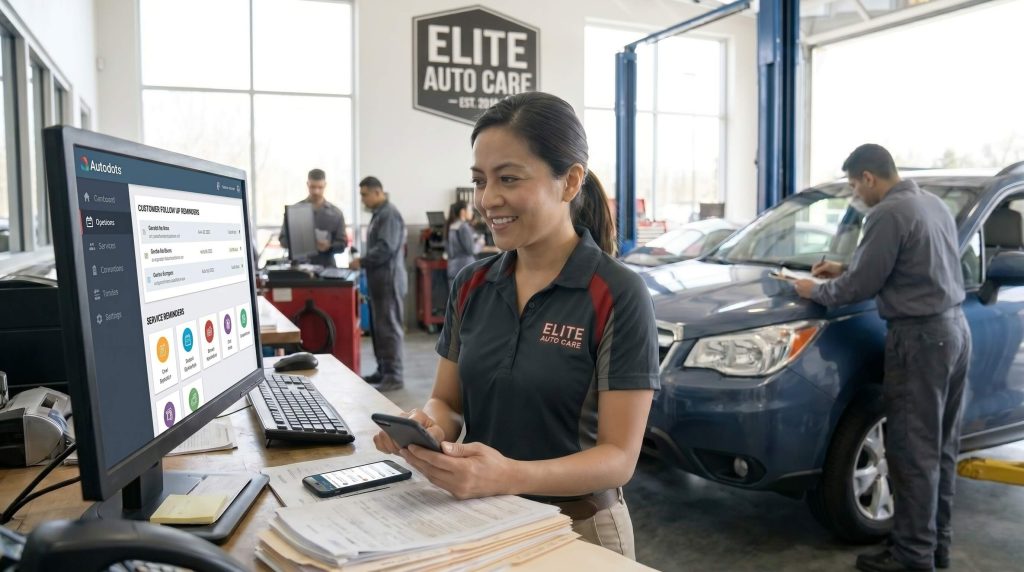
If the process depends completely on phone calls, employees may need to contact the customer multiple times. If the customer does not answer, the vehicle may remain waiting.
A digital approval process can make repair recommendations easier to communicate and track. Customers can understand what additional work is required, while the workshop can record whether the repair is approved or still pending.
Faster approvals can help technicians continue approved work without unnecessary delays.
5. Automate Customer Communication
Customer communication takes a lot of time in busy workshops. Service advisors may need to send appointment confirmations, repair updates, service reminders, and vehicle delivery information.

When every message is written and sent manually, employees can spend hours on communication.
Using organized digital communication can make this process easier. Standard messages can be prepared for common situations while still allowing employees to provide personal updates when needed.
This can help Reduce Manual Work in Garage without reducing the quality of customer communication.
6. Organize Billing and Payments
Billing is another area where manual work can create delays. Employees may need to calculate labour charges, parts costs, taxes, discounts, and other items before preparing the final invoice.
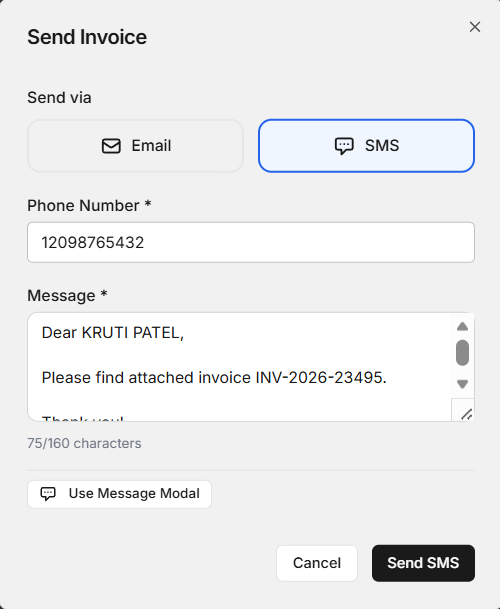
Digital billing tools can help organize these details and reduce repeated calculations. Service information can also be connected with billing so employees do not have to enter every item again.
A clear digital billing process can make vehicle delivery faster and reduce last-minute confusion for both customers and workshop staff.
7. Keep Workshop Information in One System
Using separate notebooks, spreadsheets, messaging applications, and files for different tasks can make garage management difficult. Employees may need to check several places before they have the complete information about a vehicle.
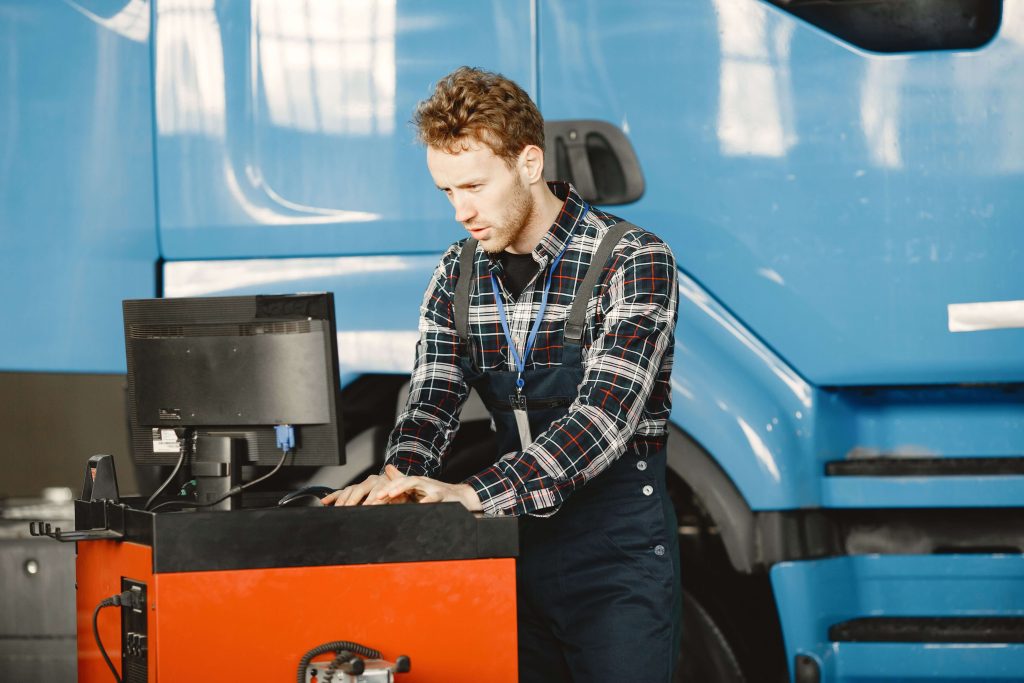
A connected garage management system can bring important information together. Customer records, vehicle history, appointments, job cards, repair details, and other workshop activities can be managed in a more organized way.
This is one of the most effective ways to Reduce Manual Work in Garage because employees can spend less time moving information from one system to another.
How Manual Work Can Slow Down Your Workshop
Manual processes often create small delays that add up during the day. An employee may spend five minutes searching for a customer record, another few minutes updating a job card, and additional time calling a customer for approval.
When this happens across many vehicles, the total lost time can become significant.
These delays can affect technicians, service advisors, customers, and managers. Vehicles may take longer to complete, customers may have to wait, and employees may feel pressure during busy hours.
Benefits of a More Digital Garage
Moving repetitive tasks into a digital system can provide several benefits. Employees can access information faster and managers can get a clearer view of workshop activity.
- Less paperwork.
- Faster access to customer records.
- Better job card management.
- Faster repair approvals.
- Improved appointment planning.
- Better customer communication.
- More organized billing.
- Less repeated data entry.
- Better visibility into vehicle status.
The goal is not to automate every task. The goal is to remove unnecessary repetitive work so employees can focus on activities that require human attention and automotive knowledge.
How AutoDots Helps Garages Save Time
AutoDots provides digital solutions designed for automotive businesses. The platform helps garages organize customer information, vehicle details, workshop activities, and other important processes.
Instead of managing information across multiple manual systems, a garage can use a more connected digital workflow. This can make it easier for employees to access the information they need during their daily work.
For workshops looking to Reduce Manual Work in Garage, digital garage management can be an important step toward improving productivity and customer service.
How to Start Reducing Manual Work
You do not need to digitize the entire garage in one day. Start by identifying the tasks that consume the most employee time.
For example, if your team spends too much time searching for customer records, start with digital customer management. If job cards are difficult to track, move them into a digital system. If customer approvals cause delays, improve the approval process.
Once employees become comfortable with one process, move to the next area. This gradual approach can make the transition easier and reduce resistance from the team.
Train Your Team Before Changing the Process
Technology is useful only when employees know how to use it properly. Before introducing a new system, explain why the change is happening and how it will help the team.
Show employees how to create customer records, update job cards, check appointments, add repair details, and complete other important tasks.
Keep the process simple. If employees understand how the system saves their time, they are more likely to use it consistently.
Track the Time You Save
After introducing digital processes, monitor the results. Check how long employees previously spent on repetitive tasks and compare that with the new process.
You can track areas such as appointment handling, job card creation, customer follow-ups, repair approvals, and billing.
This helps managers understand which processes are improving and where more changes may be needed.
Common Mistakes to Avoid
Trying to Change Everything at Once
Introducing too many changes at the same time can confuse employees. Start with one or two important processes and improve them gradually.
Keeping Both Paper and Digital Records Forever
During the transition, some paper records may be necessary. However, maintaining duplicate records permanently can create more work. Move toward one reliable source of information.
Not Updating Digital Records
A digital system is only useful when information is accurate. Employees should update job status, customer details, and repair information regularly.
Ignoring Employee Feedback
Technicians and service advisors use the system every day. Their feedback can help identify problems and improve the workflow.
Why AutoDots Can Be a Useful Step for Your Workshop
AutoDots is built to support automotive businesses that want to move from manual workshop processes toward organized digital management.
A more connected system can help your team manage customer records, vehicle information, service activities, and other daily workshop tasks more efficiently.
If you want to explore business opportunities with AutoDots, visit the AutoDots partner program.
For more useful automotive business guides, workshop management tips, and industry information, visit the AutoDots blog.
Frequently Asked Questions
Why should a garage reduce manual work?
Reducing repetitive manual work can save employee time, lower the chance of errors, improve workshop efficiency, and allow staff to focus more on customers and vehicle repairs.
How can Reduce Manual Work in Garage improve productivity?
Reduce Manual Work in Garage by using digital customer records, appointment management, job cards, repair approvals, communication, and billing. These tools can reduce repeated data entry and paperwork.
Can small garages use digital garage software?
Yes. Small garages can start with basic digital processes and add more features as their business grows. Digital management can be useful even when the workshop has a small team.
Can digital job cards save time?
Yes. Digital job cards make repair information easier to access and update. Service advisors and technicians do not need to depend on physical paperwork for every update.
How does automation improve customer service?
Automation can help garages respond faster, manage appointments better, provide service updates, and reduce delays in repair approvals and billing.
What is the easiest place to start?
Start with the process that creates the most repeated work. For many garages, this may be customer records, appointments, job cards, or repair approvals.
Conclusion
Manual work can take valuable time away from the activities that matter most in a garage. Repeated data entry, paper job cards, manual appointment tracking, phone-based approvals, and disconnected records can make a busy workshop harder to manage.
Reduce Manual Work in Garage by starting with simple digital improvements. Customer records, appointments, job cards, repair approvals, communication, billing, and workshop information can all be organized more efficiently with the right technology.
AutoDots can help automotive businesses move toward a more organized digital workflow. By reducing repetitive tasks and giving employees easier access to information, your garage can save time, improve productivity, and provide a better experience for customers.
The best approach is to start small, train your team, measure the results, and gradually improve more workshop processes. With consistent improvements, your garage can become faster, more organized, and better prepared for future growth.