Running a garage in 2026 requires more than good vehicle repair skills. Workshop owners also need to manage customers, appointments, job cards, estimates, approvals, invoices, payments, technicians, spare parts, and follow-ups. When these activities are handled manually, small delays can quickly become bigger problems.
An Automotive Workshop System can help modern garages organize these daily activities in one digital workflow. Instead of using paper records, separate spreadsheets, notebooks, and different communication tools, workshops can manage important information from a central platform.
For a growing garage, better organization can save time and improve the customer experience. It can also help the workshop team handle more vehicles without adding the same amount of administrative work.
Table of Contents
What Is an Automotive Workshop System?
An Automotive Workshop System is a digital solution designed to help garages and vehicle repair businesses manage their daily operations.
Depending on the platform, it can include customer management, vehicle records, service appointments, digital job cards, repair estimates, approval requests, invoices, payments, service history, customer reminders, and business reports.
The main purpose is to make workshop management simpler. Instead of storing important information in different places, staff can access the details they need through one organized system.
Why Modern Garages Need a Automotive Workshop System
Customers today expect fast communication and a convenient service experience. They want easy booking, clear repair estimates, quick approval requests, and regular updates about their vehicles.
If a workshop takes too long to respond or cannot clearly explain the repair process, customers may choose another garage.
An Automotive Workshop System can help create a smoother process from the first customer enquiry to the final vehicle delivery.
Digital management can also give workshop owners better visibility into daily operations. Instead of asking staff for updates or searching through paperwork, managers can check job progress, pending approvals, appointments, and completed work more easily.
1. Keep Customer Information Organized
Customer information is important for every garage. Staff may need to store names, contact details, vehicle information, previous repairs, service records, and customer notes.

When these details are written in different notebooks or files, finding the correct information can take time.
A digital customer profile makes it easier to search and update information. When a customer returns, staff can quickly review previous visits and understand the vehicle’s history.
This can reduce repeated questions and create a more professional experience.
2. Manage Vehicle Records Easily
Every vehicle has a different service history. Some may need regular maintenance, while others may return because of a previous repair or a new issue.
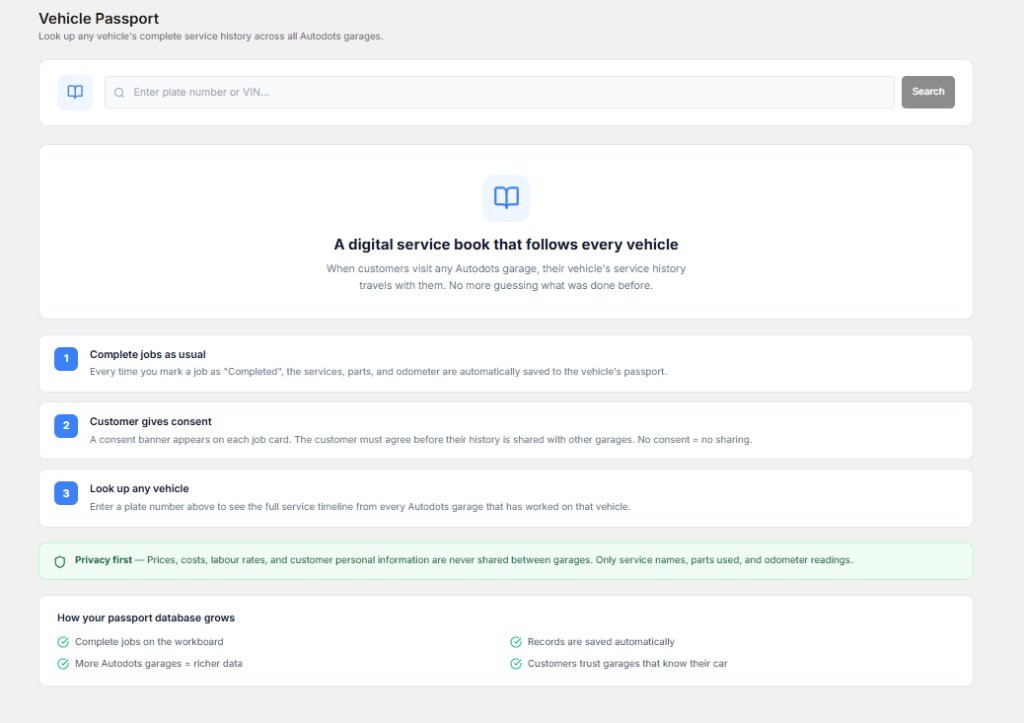
A digital vehicle record keeps important information connected to the correct customer and vehicle.
Technicians can review previous service work before beginning a new inspection. This can help them understand what has already been done and reduce unnecessary searching.
3. Create Digital Job Cards
Job cards are one of the most important parts of workshop operations. They help service advisors communicate customer complaints and repair requirements to technicians.
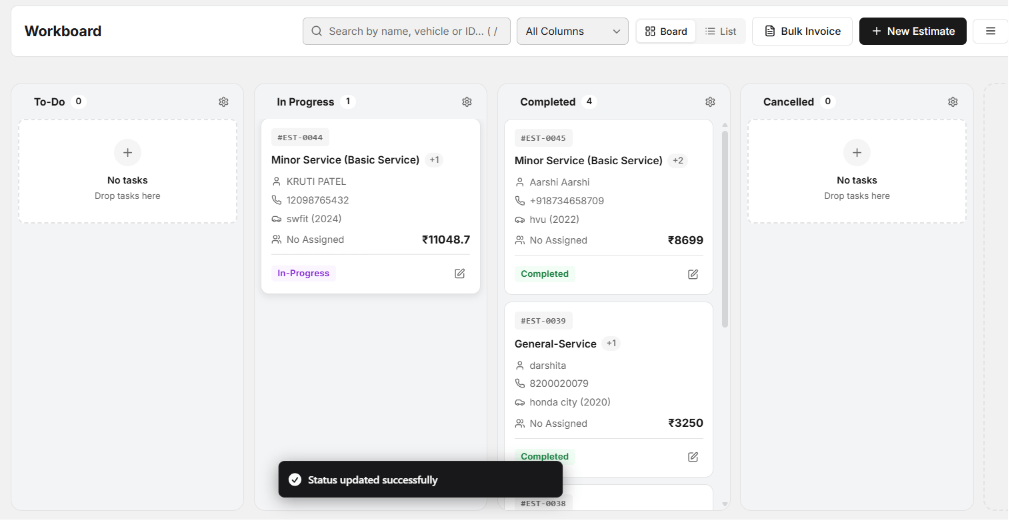
Paper job cards can become difficult to track when a garage handles many vehicles at the same time. They can also be misplaced or damaged.
Digital job cards can include customer complaints, inspection findings, parts, labour, technician notes, images, and job status.
This helps the team follow a vehicle from check-in to inspection, repair, final inspection, and delivery.
4. Manage Service Appointments
Busy workshops often receive appointment requests through phone calls, messages, websites, and walk-in customers. Managing all these bookings manually can create scheduling problems.
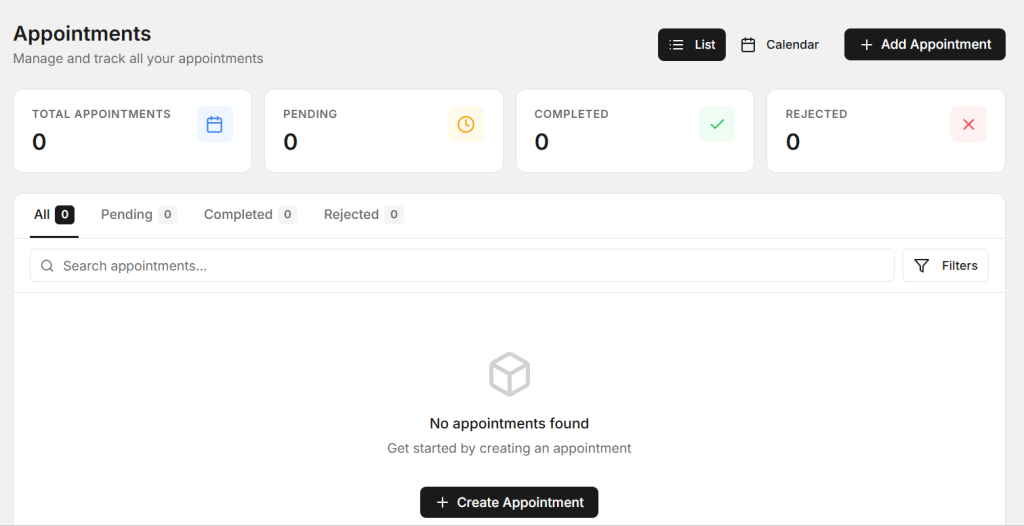
A digital appointment process can help staff organize bookings and understand how much work is planned for each day.
It can also help managers plan technician workloads and workshop capacity more effectively.
Appointment reminders can further reduce missed bookings and unnecessary empty slots.
5. Prepare Repair Estimates Faster
Before approving additional repair work, customers usually want to know the expected cost.
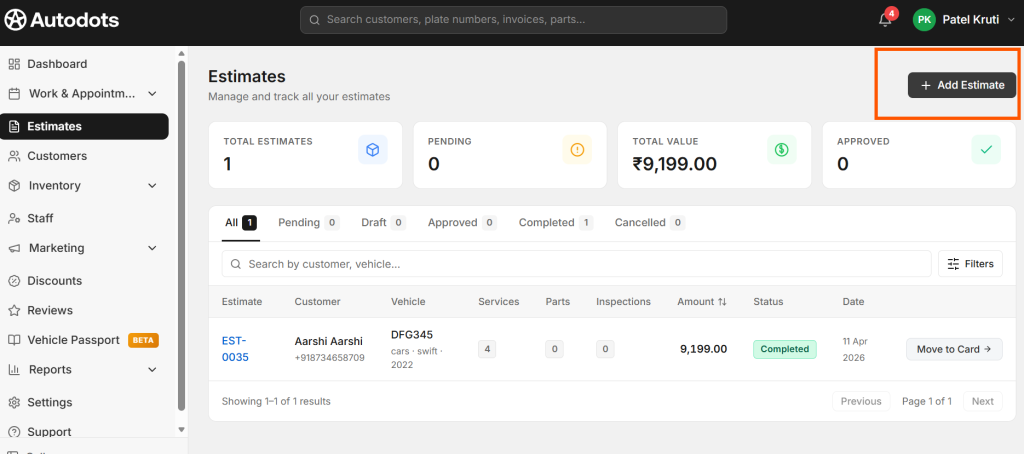
Preparing estimates manually can take time, especially when the repair includes several parts, labour charges, taxes, or discounts.
A digital estimate feature can help staff create clear estimates and share the information with customers more quickly.
A well-organized estimate also makes it easier for customers to understand what work is recommended and how much it may cost.
6. Get Faster Repair Approvals
Additional repair approvals are a common source of workshop delays. A technician may find another issue during inspection, but the repair cannot continue until the customer approves the additional work.

An Automotive Workshop System can help the workshop send repair estimates and approval requests digitally.
This can reduce repeated phone calls and make it easier for customers to respond.
When approved work can start sooner, the workshop may reduce vehicle waiting time and complete jobs more efficiently.
7. Improve Customer Follow-Ups
Not every customer accepts a repair estimate immediately. Some need time to decide, while others may forget about recommended maintenance.
Without a proper follow-up process, these potential jobs can be lost.
A digital follow-up system can help staff identify customers who need another message or reminder.
Regular follow-ups can help garages recover missed opportunities and encourage customers to return for future services.
8. Keep Customers Updated
Customers want to know what is happening with their vehicles. They may want updates after inspection, when additional repairs are found, when an estimate is ready, and when the vehicle is completed.
Good communication can make the repair experience much easier.
Digital workshop tools can help businesses send updates at important stages of the repair process.
This can reduce the number of customers calling repeatedly to ask for basic information.
9. Improve Technician Productivity
Technicians need accurate information to complete repairs efficiently. If important details are missing, they may need to stop work and ask the service advisor for clarification.
A centralized system can keep customer complaints, vehicle information, inspection findings, and repair requirements together.
Workshop managers can also see which jobs are pending, which repairs are in progress, and which vehicles are ready for final inspection.
This visibility can make it easier to distribute work and reduce unnecessary waiting.
10. Reduce Manual Paperwork
Paperwork can take a lot of time in a busy workshop. Staff may need to write customer information repeatedly, search for old records, prepare estimates manually, and update different files.
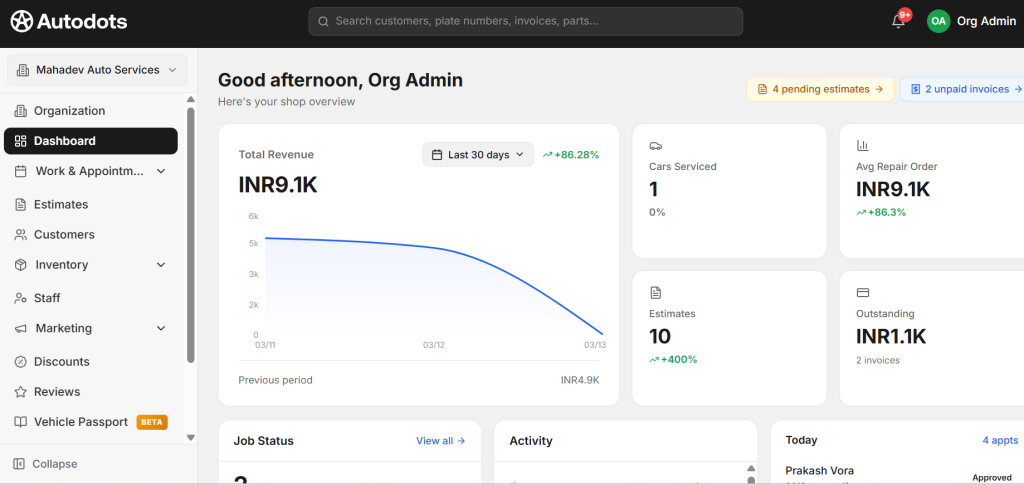
Moving these tasks into a digital system can reduce repetitive work.
An Automotive Workshop System can connect customer records, vehicle details, job cards, estimates, invoices, and service history.
Even a few minutes saved on every vehicle can add up to several hours over a busy week.
11. Manage Invoices and Payments
Once a repair is completed, the workshop needs to prepare an accurate invoice. It may include parts, labour, taxes, discounts, and other charges.
Digital invoicing can help staff create clear invoices and reduce calculation or data-entry mistakes.
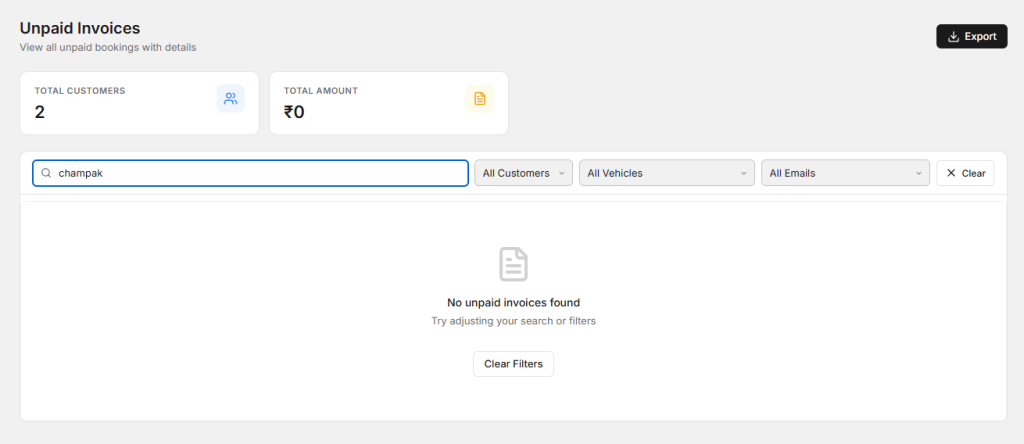
It also gives owners better records of completed work and payments.
Clear invoices can improve customer trust because customers can see exactly what they are paying for.
12. Track Spare Parts and Inventory
Parts availability can directly affect repair time. If a required part is not available, the vehicle may remain in the workshop longer than planned.
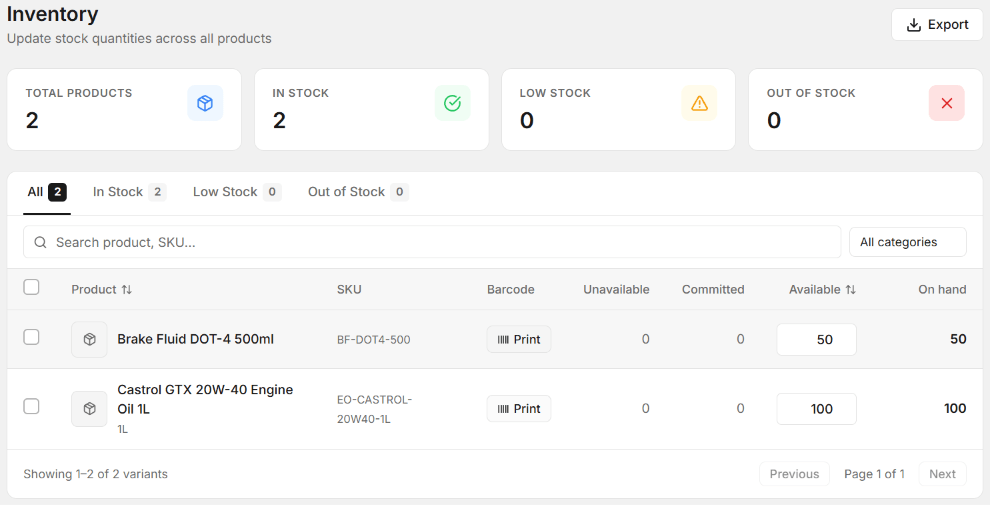
Digital inventory management can help garages monitor stock levels and identify parts that need to be reordered.
Better stock visibility can reduce unnecessary delays and help workshop owners manage inventory costs.
13. Understand Workshop Performance
Workshop owners need to understand more than the number of vehicles currently inside the garage. They also need to know how the business is performing.
Reports can provide information about completed jobs, pending repairs, sales, payments, customer activity, and other important areas.
These insights can help owners make better decisions about staffing, pricing, services, and business growth.
How a Digital Workshop System Helps Business Growth
Growth can create new operational challenges. A workshop may start with a small number of vehicles and gradually receive more customers through referrals, online searches, and repeat business.
If the business continues using only manual processes, the extra workload can create confusion.
An Automotive Workshop System can provide a structured workflow that can grow with the workshop.
Staff can manage more appointments, job cards, estimates, and customer follow-ups without increasing paperwork at the same rate.
Benefits for Workshop Owners
- Better visibility into daily operations.
- Less paperwork and repetitive data entry.
- Faster repair estimates.
- Better customer follow-ups.
- Improved job tracking.
- Organized vehicle service history.
- Better invoice and payment records.
- Improved workshop planning.
Benefits for Customers
A digital workshop process can also improve the customer experience.
- Easier service appointments.
- Clearer repair estimates.
- Faster approval requests.
- Better repair updates.
- Organized service history.
- More convenient communication.
- Less waiting and confusion.
When customers receive a clear and convenient experience, they may be more likely to trust the workshop and return in the future.
How AutoDots Can Support Modern Garages
AutoDots provides digital solutions designed to help automotive businesses organize workshop operations and customer processes.
The platform can help garages move important activities into a digital workflow, making it easier to manage customer information, vehicles, workshop jobs, estimates, and communication.
If you want to explore digital tools for your automotive business, visit the AutoDots platform to learn more.
What Should You Look for in Workshop Software?
Easy to Use
The system should be simple enough for service advisors, technicians, and managers to use without complicated training.
Customer and Vehicle Management
It should be easy to create customer profiles, add vehicle information, and access service history.
Digital Job Cards
Job card tools should help staff track each vehicle from arrival through repair and delivery.
Estimate and Approval Features
The system should make it easy to prepare repair estimates and receive customer approvals.
Appointment Management
Booking features should help the workshop manage appointments and avoid unnecessary scheduling conflicts.
Customer Follow-Ups
Follow-up tools can help staff reconnect with customers who have pending estimates, missed appointments, or future service needs.
Reports and Insights
Business reports should help owners understand workshop performance and identify areas that need improvement.
Is a Digital Workshop System Useful for Small Garages?
Yes. Small workshops can benefit from digital management even if they have only a few technicians.
A garage may begin with notebooks because the number of customers is small. However, as business increases, it becomes harder to manage customer information, job cards, estimates, and follow-ups manually.
Starting with a structured digital workflow can make future growth easier.
Can a Workshop System Improve Customer Retention?
Customer retention depends on the complete service experience. Quality repairs are important, but customers also remember how easy it was to book a service, approve repairs, receive updates, and collect their vehicle.
A workshop that communicates clearly and maintains accurate service records can create stronger customer relationships.
Service reminders and follow-ups can also encourage customers to return when their next maintenance visit is due.
How Much Time Can Digital Management Save?
The amount of time saved depends on the workshop’s size, processes, and daily vehicle volume.
However, digital tools can reduce time spent searching for customer records, preparing estimates, creating invoices, updating job statuses, and following up with customers.
When these small improvements are repeated across many jobs, the total time saved can become significant.
Frequently Asked Questions
What is an Automotive Workshop System?
An Automotive Workshop System is a digital platform that helps garages manage customers, vehicles, appointments, job cards, estimates, approvals, invoices, payments, service history, and workshop operations.
Can it help a small garage?
Yes. Small garages can use digital tools to organize customer records, appointments, job cards, estimates, invoices, and follow-ups. This can reduce paperwork and improve daily operations.
Can workshop software increase revenue?
Software alone does not guarantee higher revenue. However, better job tracking, faster approvals, improved follow-ups, and stronger customer communication can help workshops manage more opportunities and support business growth.
Can customers approve repairs digitally?
Depending on the platform, customers can receive repair estimates digitally and approve recommended work without relying completely on phone calls or physical documents.
Can it help with customer reminders?
Many digital workshop platforms provide follow-up and reminder features. These can help garages stay connected with customers after a service or when another maintenance visit is due.
Does a workshop system replace technicians?
No. Digital software supports technicians and service teams by organizing information and reducing administrative work. Inspection, diagnosis, repair, and technical decisions remain the responsibility of qualified professionals.
Where can I learn more about AutoDots?
You can explore the AutoDots platform to learn about digital solutions for automotive businesses. You can also find more workshop guides, automotive tips, and business information on the AutoDots Blog.
Conclusion
An Automotive Workshop System can help modern garages move away from slow manual processes and create a more organized way of working.
From customer and vehicle records to job cards, appointments, estimates, approvals, invoices, inventory, and follow-ups, a connected digital workflow can make many daily tasks easier.
The main benefit is better organization. Staff can find information faster, technicians can receive clearer job details, and customers can receive better communication during the repair process.
For small garages, digital management can create a strong foundation for future growth. For larger workshops, it can make it easier to manage more vehicles and customers without adding unnecessary administrative pressure.
In 2026, customers expect convenience, speed, and clear communication. A workshop that combines quality repair work with a well-organized digital experience can improve customer satisfaction and build stronger long-term relationships.
If you want to explore digital tools for your garage or automotive business, visit the AutoDots platform.
For more practical workshop guides, automotive business tips, and industry content, visit the AutoDots Blog.