
How to Manage Spare Parts Shortages is one of the biggest challenges facing modern auto repair shops. Delayed deliveries, supply chain disruptions, and inaccurate inventory records can leave workshops waiting for critical components, resulting in longer repair times and unhappy customers. The good news is that garages can reduce these issues with better inventory management, supplier planning, and digital workshop tools.
Whether you operate an independent garage or a multi-location repair business, having the right inventory strategy helps keep repairs on schedule while reducing unnecessary costs.
In this guide, we’ll explain How to Manage Spare Parts Shortages using practical strategies that improve stock control, workshop productivity, and customer satisfaction.
Table of Contents
1. Track Inventory in Real Time
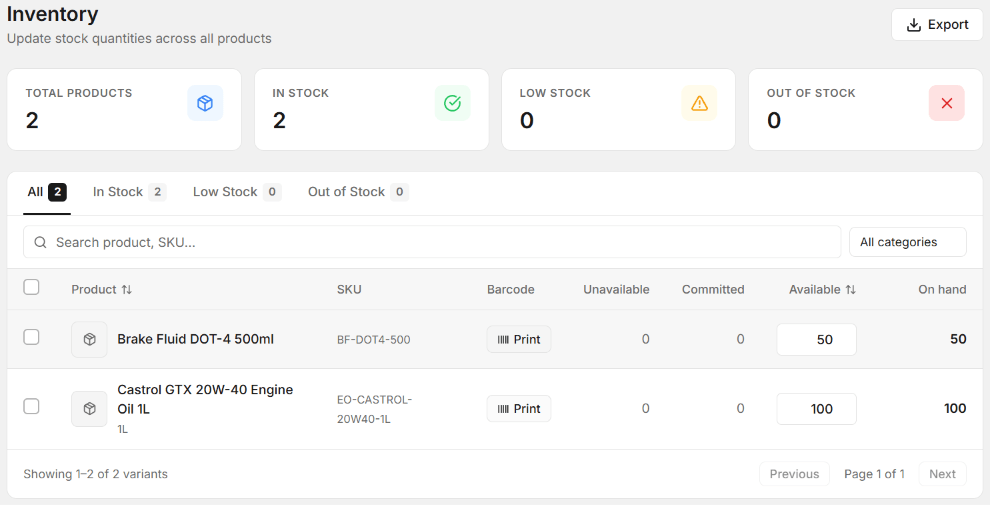
The first step in How to Manage Spare Parts Shortages is knowing exactly what is available in your inventory.
Digital inventory software automatically updates stock levels whenever parts are received or used. Real-time inventory tracking eliminates guesswork and helps prevent unexpected shortages.
- Instant stock updates.
- Accurate inventory records.
- Reduced manual errors.
- Faster stock management.
2. Set Automatic Low Stock Alerts
Waiting until shelves are empty before placing new orders can delay repairs.
Automatic inventory alerts notify managers when stock reaches predefined minimum levels. This is one of the most effective ways of How to Manage Spare Parts Shortages before they impact workshop operations.
3. Build Relationships with Multiple Suppliers
Depending on a single supplier increases the risk of repair delays.
Working with multiple trusted suppliers gives workshops greater flexibility when certain parts become unavailable. Supplier diversification is another important strategy for How to Manage Spare Parts Shortages.
- Faster sourcing.
- Competitive pricing.
- Reduced dependency.
- Improved availability.
4. Analyze Parts Usage
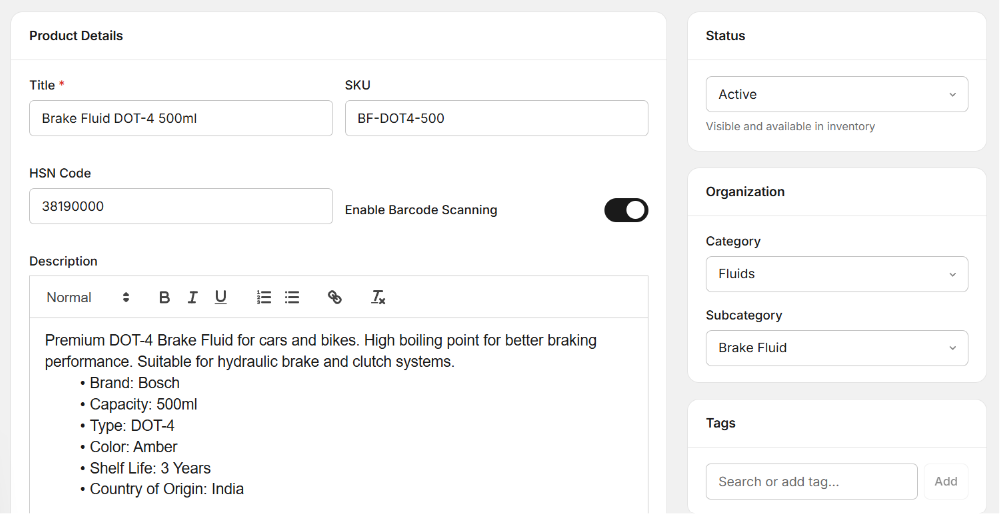
Understanding which components are used most frequently allows garages to plan inventory more effectively.
Inventory reports help identify fast-moving parts, seasonal demand, and slow-moving stock, making How to Manage Spare Parts Shortages much easier through smarter purchasing decisions.
5. Improve Workshop Planning
Scheduling repairs based on parts availability reduces unnecessary vehicle downtime.
Before confirming appointments, service advisors should verify inventory levels or expected delivery dates. Better planning is another practical approach to How to Manage Spare Parts Shortages.
6. Use QR Code or Barcode Inventory Systems
Manual inventory tracking often leads to inaccurate stock counts.
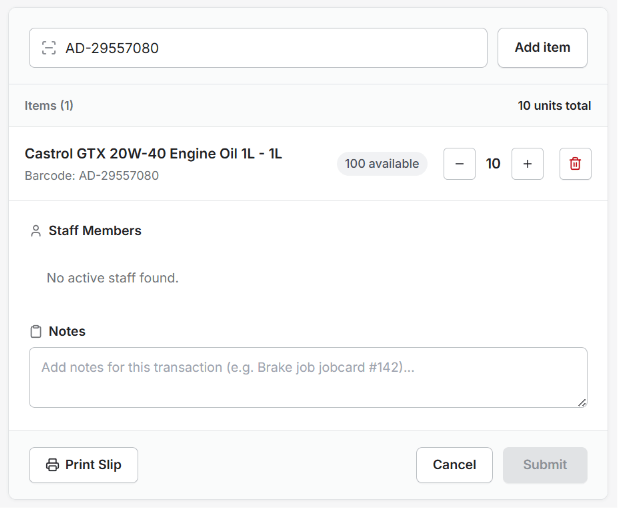
QR code and barcode systems make receiving, issuing, and counting inventory much faster while improving overall inventory accuracy. Digital tracking plays a major role in How to Manage Spare Parts Shortages.
7. Forecast Future Demand
Successful workshops don’t simply react to shortages—they predict future demand.
Historical repair data, seasonal trends, and manufacturer recommendations help garages order parts before demand increases. Forecasting is one of the smartest ways of How to Manage Spare Parts Shortages while reducing emergency purchases.
Benefits of Better Inventory Management
Following these best practices provides several long-term advantages:
- Fewer repair delays.
- Higher technician productivity.
- Better customer satisfaction.
- Reduced emergency purchases.
- Improved cash flow.
- Lower inventory costs.
- Greater operational efficiency.
Modern inventory software simplifies How to Manage Spare Parts Shortages by providing complete visibility over stock levels and purchasing activity.
Grow Your Workshop with Autodots
Managing spare parts efficiently is only one part of running a successful workshop. Garages also need digital tools that improve repair workflows, customer communication, and appointment management.
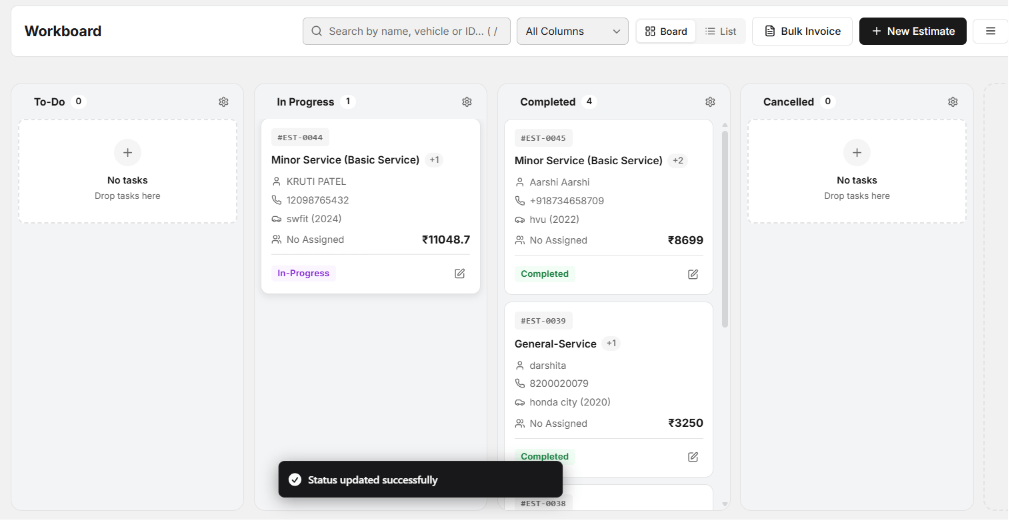
Through the Autodots Partner Program, your workshop receives a verified business profile, online appointment booking, customer reviews, and visibility on the Autodots marketplace. Along with inventory management, QR code parts tracking, low stock alerts, Digital Job Cards, workflow management, invoicing, WhatsApp, SMS, email communication, and automated service reminders, Autodots helps workshops reduce downtime while attracting more customers.
Frequently Asked Questions
What causes spare parts shortages in auto repair shops?
Common causes include supply chain disruptions, inaccurate inventory records, delayed supplier deliveries, and poor inventory planning.
How can inventory software help?
Inventory software provides real-time stock tracking, low stock alerts, purchasing reports, and accurate inventory records to prevent shortages.
Should garages work with multiple suppliers?
Yes. Multiple suppliers improve parts availability and reduce dependence on a single distributor.
Why are low stock alerts important?
Automatic alerts notify managers before inventory reaches critical levels, helping garages reorder parts on time.
Can digital garage software reduce repair delays?
Absolutely. Integrated inventory management, Digital Job Cards, workshop scheduling, and workflow tracking help complete repairs faster.
Conclusion
How to Manage Spare Parts Shortages requires a combination of real-time inventory tracking, supplier diversification, demand forecasting, and digital inventory management. By adopting these strategies, auto repair shops can reduce repair delays, improve technician productivity, and deliver a better customer experience. Investing in smarter inventory systems today helps garages operate more efficiently and remain competitive in an increasingly demanding automotive industry.
For additional workshop technology insights and automotive industry updates, visit the Autodots Blog.