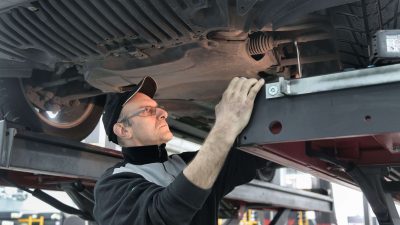
Workshop Labour Efficiency is one of the most important performance metrics for every auto repair shop. When technicians spend more time repairing vehicles and less time waiting for approvals, parts, or job assignments, the workshop becomes more productive and profitable. Improving labour efficiency not only increases revenue but also reduces repair delays, improves customer satisfaction, and helps garages handle more vehicles every day.
Many workshops lose valuable hours because of poor scheduling, manual paperwork, inefficient communication, and inconsistent workflows. Fortunately, these challenges can be solved with better processes and modern workshop management software.
In this guide, you’ll learn seven practical ways to improve Workshop Labour Efficiency and maximize your team’s productivity.
Table of Contents
Why Workshop Labour Efficiency Matters
Every hour a technician spends waiting instead of repairing vehicles directly impacts profitability. High Workshop Labour Efficiency means more billable hours, faster vehicle turnaround, improved technician utilization, and happier customers.
Leading workshops regularly monitor labour efficiency because it provides a clear picture of operational performance and identifies opportunities for improvement.
1. Schedule Jobs More Effectively
One of the biggest reasons for low productivity is poor scheduling. Assigning too many jobs to one technician while others remain idle creates unnecessary delays.
- Balance workloads evenly.
- Prioritize urgent repairs.
- Allocate technicians based on expertise.
- Plan appointments in advance.
- Monitor daily workshop capacity.
Better scheduling significantly improves Workshop Labour Efficiency by reducing idle time and maximizing technician output.
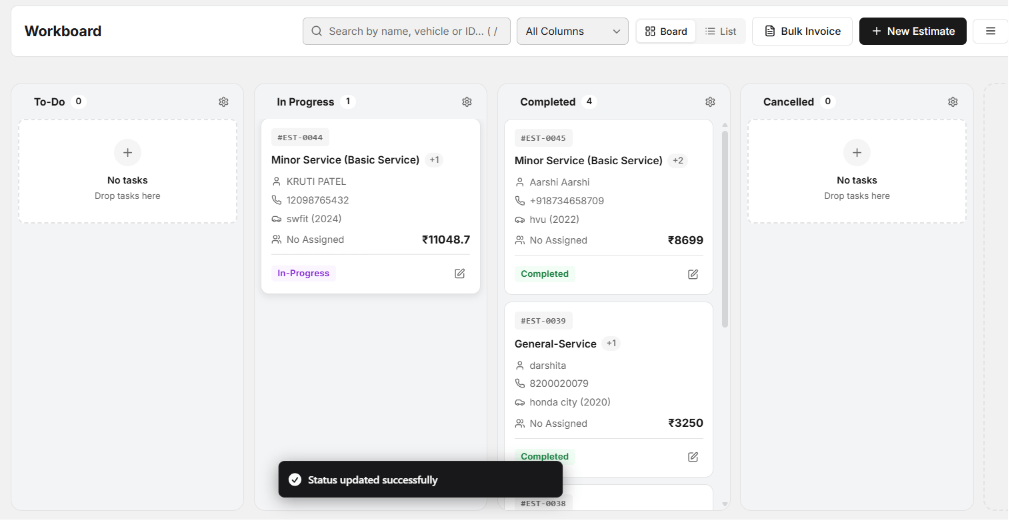
2. Replace Paper Job Cards with Digital Job Cards
Paper-based workflows often slow technicians down. Searching for repair history, handwritten notes, or customer approvals wastes valuable working hours.
Digital Job Cards allow technicians to access repair details instantly, upload inspection photos, update job progress, and communicate with service advisors in real time.
Digital workflows are one of the fastest ways to increase Workshop Labour Efficiency.
3. Reduce Waiting Time for Parts
Technicians cannot remain productive if required parts are unavailable.
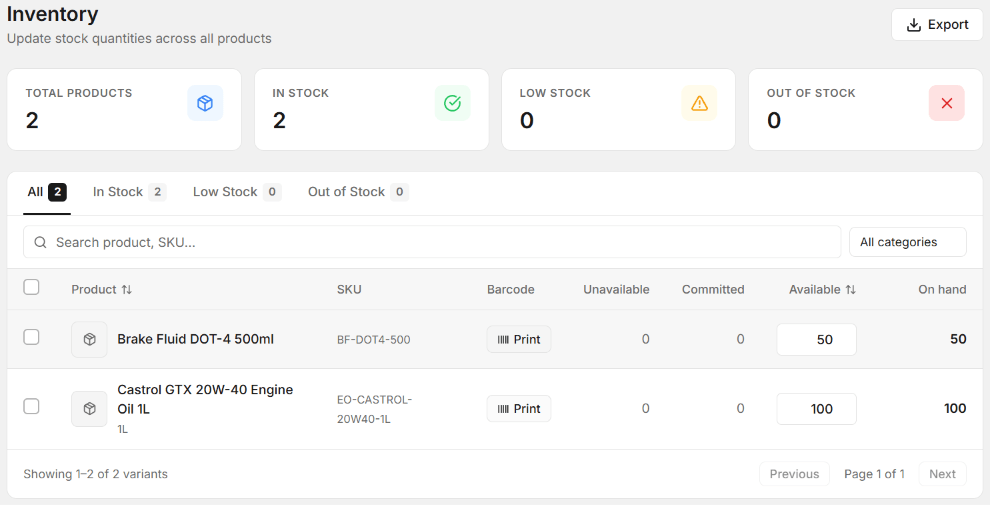
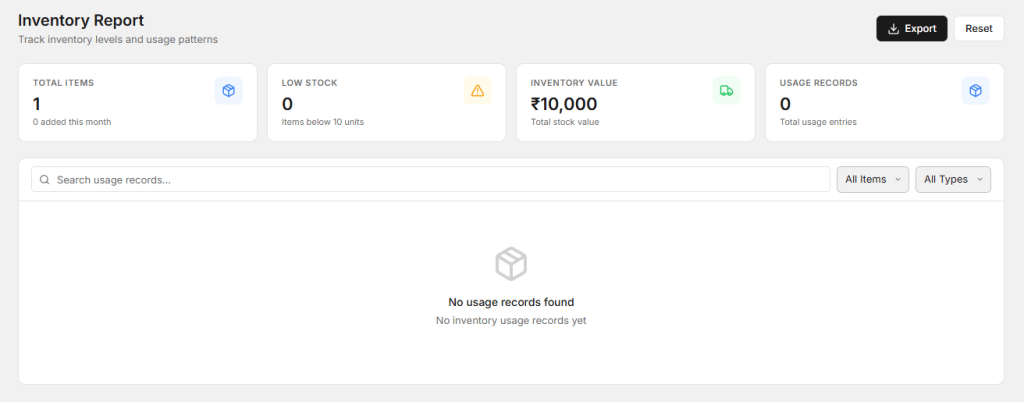
Maintaining accurate inventory records and ordering parts before repairs begin helps eliminate unnecessary downtime.
- Track inventory digitally.
- Maintain minimum stock levels.
- Build reliable supplier relationships.
- Reserve parts before repairs.
- Monitor fast-moving inventory.
4. Standardize Repair Processes
Every technician should follow the same repair workflow to reduce errors and improve consistency.
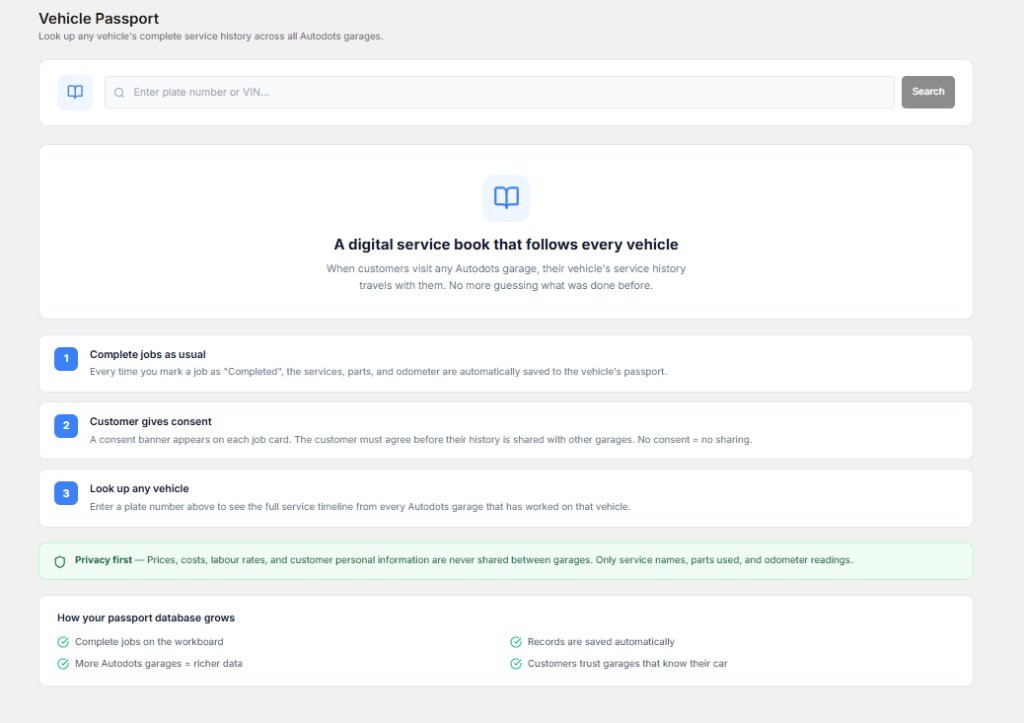
- Vehicle inspection.
- Digital job card creation.
- Diagnosis.
- Customer approval.
- Repair execution.
- Quality inspection.
- Vehicle delivery.
Standardized workflows improve Workshop Labour Efficiency while reducing repeat repairs and customer complaints.
5. Improve Technician Communication
Communication gaps often create unnecessary delays.
Service advisors should immediately notify technicians about customer approvals, additional work, and parts availability.
Using digital communication tools ensures everyone stays updated throughout the repair process.
This directly contributes to better Workshop Labour Efficiency.
6. Invest in Continuous Technician Training
Modern vehicles include EV systems, ADAS technologies, advanced electronics, and connected software that require ongoing technical knowledge.
Regular training helps technicians diagnose faults faster, complete repairs correctly the first time, and reduce unnecessary labour hours.
Continuous learning plays a major role in improving Workshop Labour Efficiency.
7. Monitor Labour Performance with KPIs
You can’t improve what you don’t measure.
Track important workshop metrics including:
- Technician utilization.
- Labour efficiency.
- Vehicle turnaround time.
- Repair completion rate.
- Vehicle comeback rate.
- Daily billable hours.
- Customer satisfaction.
- Average repair time.
Regular KPI reviews help workshops continuously improve Workshop Labour Efficiency and overall business performance.
Common Factors That Reduce Productivity
- Manual paperwork.
- Poor appointment scheduling.
- Parts shortages.
- Unclear repair instructions.
- Delayed customer approvals.
- Poor technician allocation.
- Lack of repair documentation.
- Communication gaps.
Identifying these issues early allows workshop owners to improve daily operations more effectively.
How Autodots Improves Workshop Productivity
Autodots helps garages improve Workshop Labour Efficiency through Digital Job Cards, appointment scheduling, workflow management, technician task tracking, inventory management, customer approvals, invoicing, and automated service reminders.
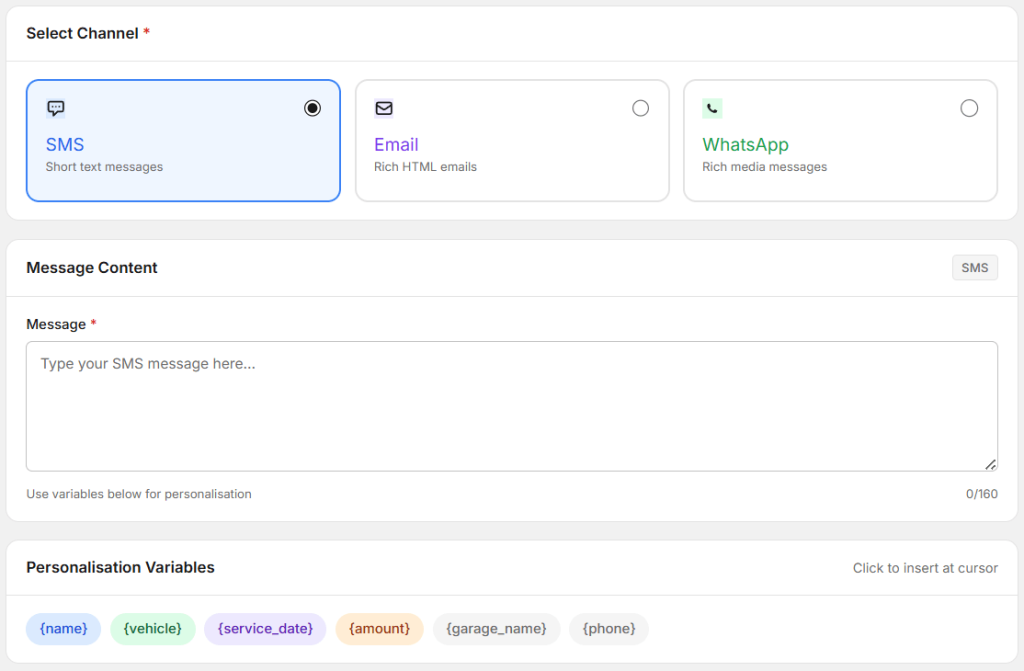
With integrated WhatsApp, SMS, and email communication, workshops can instantly update customers, send repair approvals, share invoices, and schedule future maintenance reminders—all from one platform. This reduces manual work while keeping technicians focused on repairs.
Grow Your Workshop with Autodots
Running an efficient workshop is only part of growing your business. Customers also need an easy way to find and book your services.
By joining the Autodots Partner Program, your workshop receives a verified business profile, online appointment booking, customer reviews, and increased visibility on the Autodots marketplace. Vehicle owners can discover your garage, schedule appointments online, and build trust through verified customer feedback.
Best Practices for Long-Term Success
- Review technician performance weekly.
- Digitize workshop processes.
- Reduce unnecessary paperwork.
- Conduct regular quality inspections.
- Optimize appointment scheduling.
- Monitor labour KPIs.
- Encourage technician training.
- Improve customer communication.
Following these practices helps maintain high Workshop Labour Efficiency while supporting sustainable business growth.
Frequently Asked Questions
What is Workshop Labour Efficiency?
Workshop Labour Efficiency measures how effectively technicians use their working hours to complete billable repair work.
Why is labour efficiency important?
Higher labour efficiency increases productivity, workshop capacity, profitability, and customer satisfaction.
How can software improve workshop labour efficiency?
Workshop management software automates scheduling, Digital Job Cards, workflow tracking, invoicing, inventory management, and customer communication.
What are the biggest causes of low labour efficiency?
Manual paperwork, poor scheduling, parts delays, communication gaps, and inconsistent repair processes are among the most common causes.
How often should workshops monitor labour efficiency?
Most successful workshops review labour efficiency daily or weekly to identify improvement opportunities and optimize technician performance.
Conclusion
Improving Workshop Labour Efficiency requires a combination of better scheduling, standardized workflows, digital tools, technician training, and continuous performance monitoring. By implementing these seven proven strategies, workshops can reduce downtime, increase billable hours, improve customer satisfaction, and grow profitability. Modern solutions like Autodots make it easier to streamline operations, improve technician productivity, and build a more efficient auto repair business.
For additional workshop technology insights and automotive industry updates, visit the Autodots Blog.