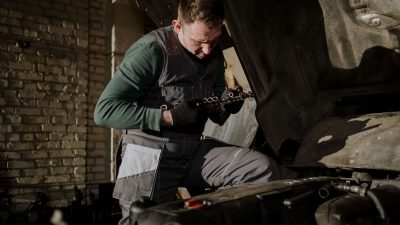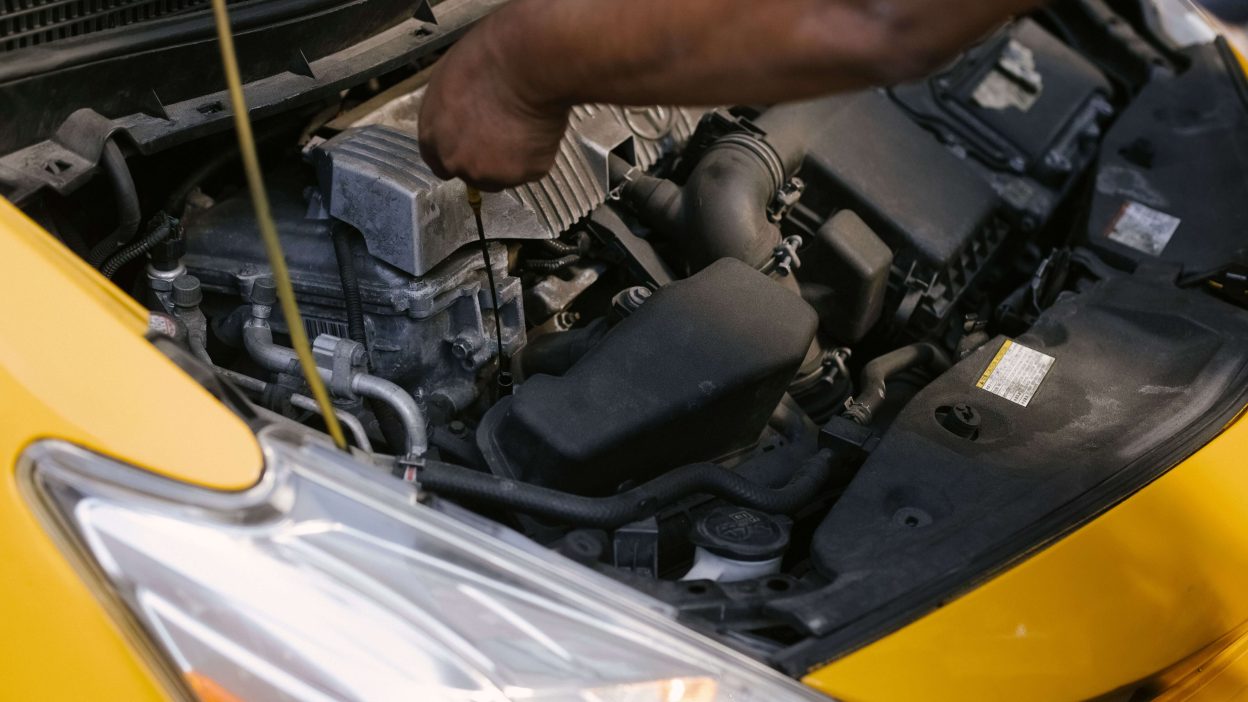
Why Modern Cars Take Longer to Repair is a question many vehicle owners ask after being told their car will remain in the workshop for several days or even weeks. Years ago, many repairs could be be completed within a few hours, but today’s vehicles are far more complex. Advanced electronics, driver assistance systems, turbocharged engines, hybrid technology, and sophisticated diagnostic procedures have completely changed the repair process.
While modern vehicles are safer, smarter, and more fuel-efficient, they also require specialized equipment, trained technicians, genuine replacement parts, and software updates. Understanding Why Modern Cars Take Longer to Repair helps explain why repair timelines have increased across the automotive industry.
In this guide, we’ll explore Why Modern Cars Take Longer to Repair and the seven most common reasons behind longer workshop visits.
Table of Contents
1. Advanced Vehicle Technology
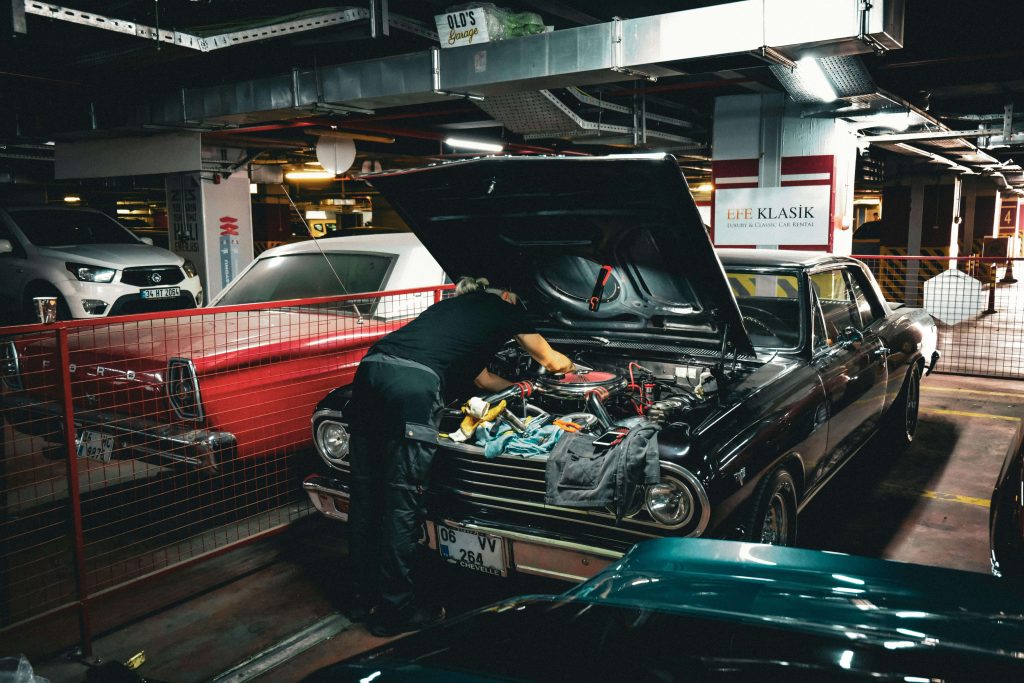
One of the biggest reasons Why Modern Cars Take Longer to Repair is the huge amount of technology packed into today’s vehicles.
Modern cars contain multiple electronic control units (ECUs), sensors, cameras, radar modules, infotainment systems, and connected software. Before replacing a component, technicians often need to perform complete diagnostic scans to identify the actual problem.
- More onboard computers.
- Complex electrical wiring.
- Integrated vehicle software.
- Advanced electronic diagnostics.
2. ADAS Calibration Is Now Essential
Modern vehicles are equipped with Advanced Driver Assistance Systems (ADAS) such as adaptive cruise control, lane-keeping assist, blind-spot monitoring, and automatic emergency braking.
After replacing a windshield, bumper, radar sensor, or front camera, these systems require precise calibration. This additional process is another major reason Why Modern Cars Take Longer to Repair.
3. More Time Is Spent on Diagnostics
Years ago, mechanics could often identify faults visually or through experience. Today’s repair process depends heavily on computerized diagnostics.
Technicians scan the vehicle, analyze fault codes, verify sensor readings, and test different systems before beginning repairs. This careful approach improves repair quality but also explains Why Modern Cars Take Longer to Repair.

4. Spare Parts Are Not Always Available
Global supply chains have made genuine replacement parts more difficult to source in some regions.
Manufacturers often ship specialized components from regional warehouses or overseas distribution centers. Waiting for genuine parts is another important reason Why Modern Cars Take Longer to Repair.
- Manufacturer-specific components.
- Shipping delays.
- Back-ordered inventory.
- Limited supplier availability.
5. Hybrid and Electric Vehicles Need Specialized Repairs
Hybrid and electric vehicles introduce completely new repair procedures.
High-voltage battery packs, electric motors, inverters, and battery management systems require certified technicians and specialized safety equipment. This is one of the biggest reasons Why Modern Cars Take Longer to Repair compared to older petrol or diesel vehicles.
6. Safety Inspections Have Become More Comprehensive
Modern repair standards require workshops to perform additional inspections before returning the vehicle.
Typical post-repair procedures include:
- Complete diagnostic scans.
- ADAS verification.
- Road testing.
- Brake testing.
- Software validation.
- Final quality inspections.
These extra checks improve vehicle safety but also contribute to Why Modern Cars Take Longer to Repair.
7. Software Programming Is Part of Many Repairs
Replacing a component is no longer the final step.
Many modules now require programming, coding, or firmware updates before they function correctly. Whether replacing an ECU, transmission controller, battery module, or infotainment system, technicians must often install manufacturer software updates. This is another major reason Why Modern Cars Take Longer to Repair.
How Modern Workshops Reduce Repair Delays
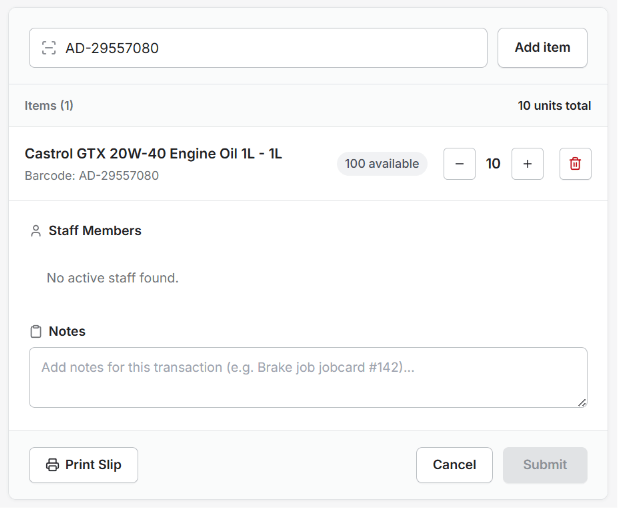
Although vehicle repairs have become more complicated, workshops are adopting digital tools to improve efficiency.
Many successful garages now use:
- Digital Job Cards.
- Workshop Workboards.
- Real-time repair tracking.
- Inventory management software.
- Online appointment booking.
- Automated customer updates.
- Digital vehicle inspections.
These solutions help reduce unnecessary delays while improving communication between technicians, service advisors, and customers. They also address many of the challenges behind Why Modern Cars Take Longer to Repair.
Prepare Your Workshop for Modern Vehicle Repairs
As vehicles continue to become more connected and technology-driven, workshops need smarter tools to manage repair workflows efficiently while delivering a better customer experience.
Through the Autodots Partner Program, your workshop receives a verified business profile, online appointment booking, customer reviews, and visibility on the Autodots marketplace. Along with Digital Job Cards, workflow management, repair tracking, invoicing, WhatsApp, SMS, email communication, and automated service reminders, Autodots helps garages improve efficiency and handle modern repair processes with confidence.
Frequently Asked Questions
Why do modern cars take longer to repair?
Modern vehicles use advanced electronics, ADAS technology, software-controlled systems, and specialized components that require additional diagnostics, calibration, and testing.
Do software updates increase repair time?
Yes. Many replacement components require software programming before the repair is complete.
Why do ADAS systems require calibration?
After replacing certain parts, cameras and radar sensors must be recalibrated to ensure safety features operate correctly.
Are electric vehicles more difficult to repair?
Yes. High-voltage systems require specialized equipment, certified technicians, and additional safety procedures.
Can digital workshop software reduce repair delays?
Absolutely. Digital workflow management, technician scheduling, inventory tracking, and automated communication significantly improve workshop efficiency.
Conclusion
Why Modern Cars Take Longer to Repair ultimately comes down to the increasing complexity of today’s vehicles. Advanced electronics, ADAS calibration, software programming, stricter safety inspections, and global parts availability all contribute to longer repair times. While repairs may take more time than in the past, these additional procedures ensure vehicles remain safe, reliable, and fully functional. Workshops that invest in modern tools and digital management systems are best equipped to handle the future of automotive repair.
For additional workshop technology insights and automotive industry updates, visit the Autodots Blog.