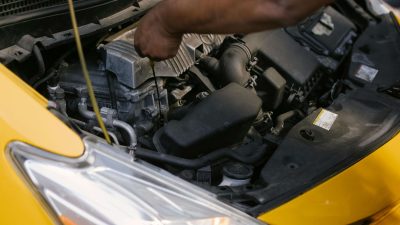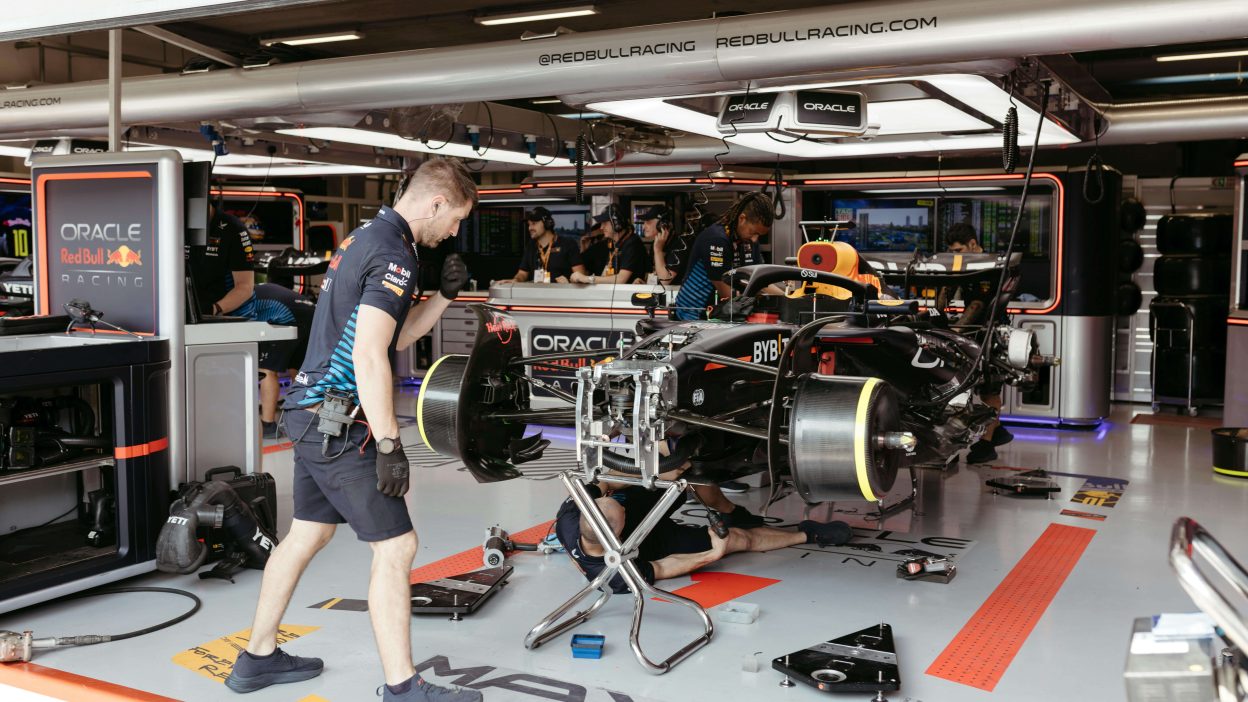
The automotive industry is rapidly evolving, and tires are becoming much smarter than many people realize. Modern vehicles are no longer relying solely on engines, batteries, and onboard computers for data. Tires are also becoming connected, intelligent components capable of collecting and sharing valuable information. This shift toward connected tire technology is changing how vehicles are monitored, maintained, and serviced.
For workshop owners and technicians, this innovation presents both opportunities and challenges. Understanding connected tire technology will be essential as more manufacturers introduce advanced tire monitoring systems and predictive maintenance capabilities into their vehicles.
Table of Contents
What Is Connected Tire Technology?
Connected tire technology refers to tires equipped with sensors and communication systems that continuously collect data about tire conditions and vehicle performance. These systems can monitor factors such as tire pressure, temperature, tread wear, road conditions, and load distribution.
Instead of waiting for a warning light to appear, connected systems can provide real-time insights that help drivers and workshops identify potential problems before they become serious.
How Connected Tires Work
Smart sensors embedded within the tire or wheel assembly collect information while the vehicle is in operation. This data is then transmitted to onboard vehicle systems, mobile applications, fleet management platforms, or service centers.
The primary goal of connected tire technology is to improve safety, efficiency, and maintenance planning through continuous monitoring.
- Real-time tire pressure monitoring
- Temperature tracking
- Tread wear analysis
- Load monitoring
- Road condition detection
- Predictive maintenance alerts
Why Connected Tire Technology Matters
Tires are one of the most important safety components on any vehicle. Problems such as underinflation, excessive wear, or overheating can affect braking performance, fuel efficiency, and vehicle handling.
By using connected tire technology, drivers receive early warnings that help prevent breakdowns and improve overall vehicle safety.
Benefits for Vehicle Owners
Improved Safety
Continuous monitoring helps detect issues before they create dangerous driving conditions. Drivers can take corrective action sooner, reducing the likelihood of tire-related accidents.
Lower Operating Costs
Properly maintained tires last longer and contribute to better fuel efficiency. Early detection of tire issues can also help prevent expensive repairs.
Reduced Unexpected Breakdowns
One of the major advantages of connected tire technology is its ability to identify potential problems before they cause roadside failures.
Better Driving Performance
Maintaining optimal tire conditions improves handling, stability, and overall driving comfort.
How Connected Tire Technology Is Changing Workshop Operations
For workshops, tire servicing is becoming increasingly data-driven. Traditional visual inspections remain important, but technicians now have access to detailed information that can improve diagnostic accuracy.
As connected tire technology becomes more common, workshops will need to develop new skills and processes to interpret tire data and provide proactive maintenance recommendations.
Faster Diagnostics
Sensor-generated information can help technicians quickly identify the root cause of tire-related issues.
Predictive Maintenance Opportunities
Instead of waiting for a failure to occur, workshops can recommend maintenance based on real-time tire performance data.
Enhanced Customer Communication
Data-driven recommendations help customers understand maintenance needs more clearly and improve confidence in workshop advice.
The Role of Connected Tire Technology in Fleet Management
Commercial fleets stand to benefit significantly from connected tire systems. Fleet managers can monitor vehicle conditions remotely, schedule maintenance proactively, and reduce downtime.
For workshops that service fleet vehicles, connected tire technology creates new opportunities to provide ongoing maintenance support and preventive services.
Preparing Your Workshop for the Future
The adoption of connected vehicle technologies is accelerating, and tire systems are becoming an important part of this transformation. Workshops that prepare early will be better positioned to meet future customer expectations.
- Invest in technician training
- Understand tire sensor systems
- Learn to interpret diagnostic data
- Stay updated on manufacturer technologies
- Adopt digital service processes
- Improve customer education efforts
How Autodots Supports Modern Workshop Operations
Autodots helps workshops manage digital job cards, customer records, service histories, repair tracking, and operational workflows from a centralized platform.
As technologies such as connected tire technology generate more vehicle data, organized service management becomes increasingly important. Workshops need systems that help track inspections, maintenance activities, and customer communications efficiently.
Digital workflows also help technicians access service records quickly and provide customers with a more professional experience.
You can explore additional workshop technology insights on the Autodots Blog.
Challenges Workshops May Face
New Training Requirements
Technicians will need to understand tire sensors, data interpretation, and connected vehicle systems.
Technology Investments
Some workshops may need updated diagnostic tools and software to support emerging tire technologies.
Managing Increasing Data Volumes
As vehicles generate more information, workshops will need efficient systems to organize and utilize that data effectively.
Frequently Asked Questions (FAQs)
What is connected tire technology?
Connected tire technology uses sensors and communication systems to monitor tire conditions and share data in real time.
What information can connected tires monitor?
They can track tire pressure, temperature, tread wear, load conditions, and other performance-related metrics.
How does connected tire technology improve safety?
It provides early warnings about tire issues, helping drivers address problems before they become serious safety risks.
Will workshops need special tools to service connected tires?
Many connected tire systems require diagnostic tools and technician training to properly interpret and manage sensor data.
Can connected tire technology reduce maintenance costs?
Yes. Early issue detection helps prevent premature tire wear, unexpected failures, and unnecessary repair expenses.
Why should workshop owners learn about connected tire systems?
As more vehicles adopt connected technologies, workshops that understand these systems will be better equipped to provide modern servicing and maintenance solutions.
Conclusion
The future of tire servicing is becoming increasingly connected, intelligent, and data-driven. As manufacturers continue to develop smarter mobility solutions, connected tire technology will play a major role in vehicle safety, maintenance, and performance.
Workshops that invest in knowledge, training, and digital processes today will be better prepared to serve the next generation of connected vehicles tomorrow.
To streamline workshop operations and support modern service management, explore Autodots Garage Management Solutions.