As electric vehicles become more popular, many misconceptions about servicing and repairs continue to circulate among vehicle owners. These misunderstandings often prevent people from maintaining their EVs properly. The truth is that electric vehicle maintenance is different from traditional vehicle servicing, but it is not as complicated as many people believe.
For workshops, understanding the facts behind electric vehicle maintenance is essential to providing accurate advice and building customer trust. Let’s debunk some of the most common myths that continue to confuse EV owners today.
Table of Contents
Why Understanding Electric Vehicle Maintenance Matters
Many EV owners rely on outdated information when making service decisions. Learning the truth about electric vehicle maintenance helps improve vehicle performance, battery longevity, and overall ownership experience.
- Improves vehicle reliability
- Extends battery lifespan
- Reduces unexpected repair costs
- Improves driving efficiency
- Supports safer vehicle operation
- Helps workshops provide better service
Myth #1: Electric Vehicles Require No Maintenance
One of the biggest misconceptions is that EVs do not require servicing. While electric vehicles have fewer moving parts than conventional vehicles, electric vehicle maintenance is still necessary.
Items such as tires, brakes, suspension components, cooling systems, and software updates still require regular inspection and servicing.
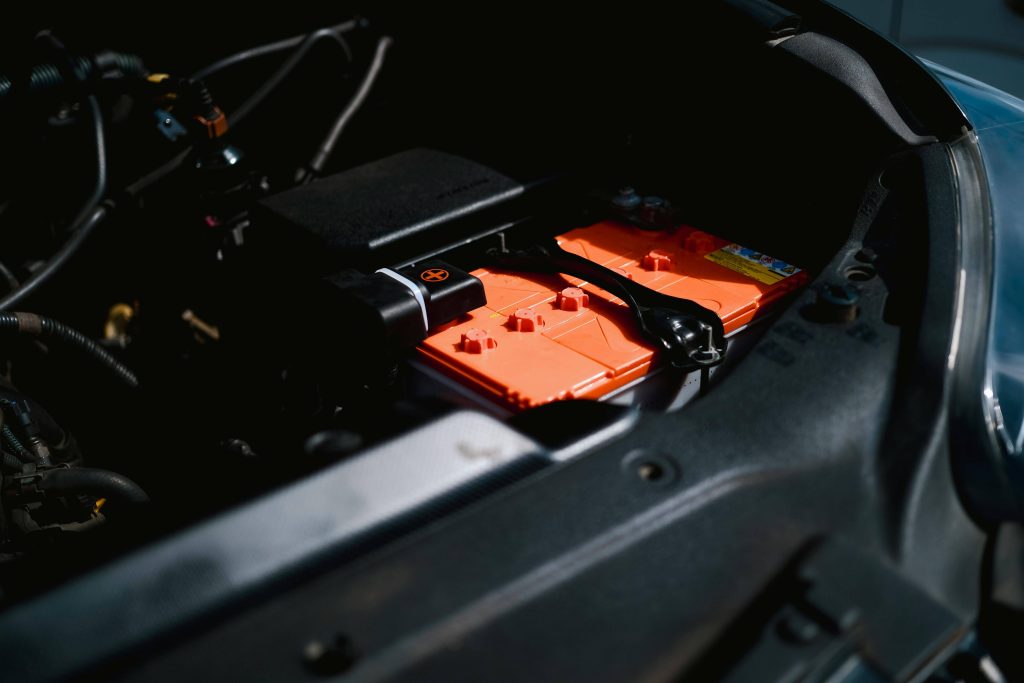
Myth #2: EV Batteries Need Frequent Replacement
Many people assume that EV batteries wear out quickly and must be replaced every few years. In reality, modern EV batteries are designed to last for many years when properly maintained.
Good charging habits and routine electric vehicle maintenance can help maximize battery health and long-term performance.
Myth #3: Electric Vehicle Maintenance Is Extremely Expensive
While battery repairs can be costly in rare situations, most EV owners spend less on routine servicing compared to traditional vehicles. Without oil changes, fuel system maintenance, or engine-related repairs, overall maintenance costs are often lower.
Proper electric vehicle maintenance helps prevent larger issues and can reduce long-term ownership expenses.
Myth #4: EV Brakes Never Need Service
Electric vehicles use regenerative braking, which reduces wear on brake pads. However, braking systems still require periodic inspection and servicing to ensure safe operation.
Ignoring brake inspections can lead to performance issues despite the benefits of regenerative technology.
Myth #5: Any Workshop Can Service Electric Vehicles
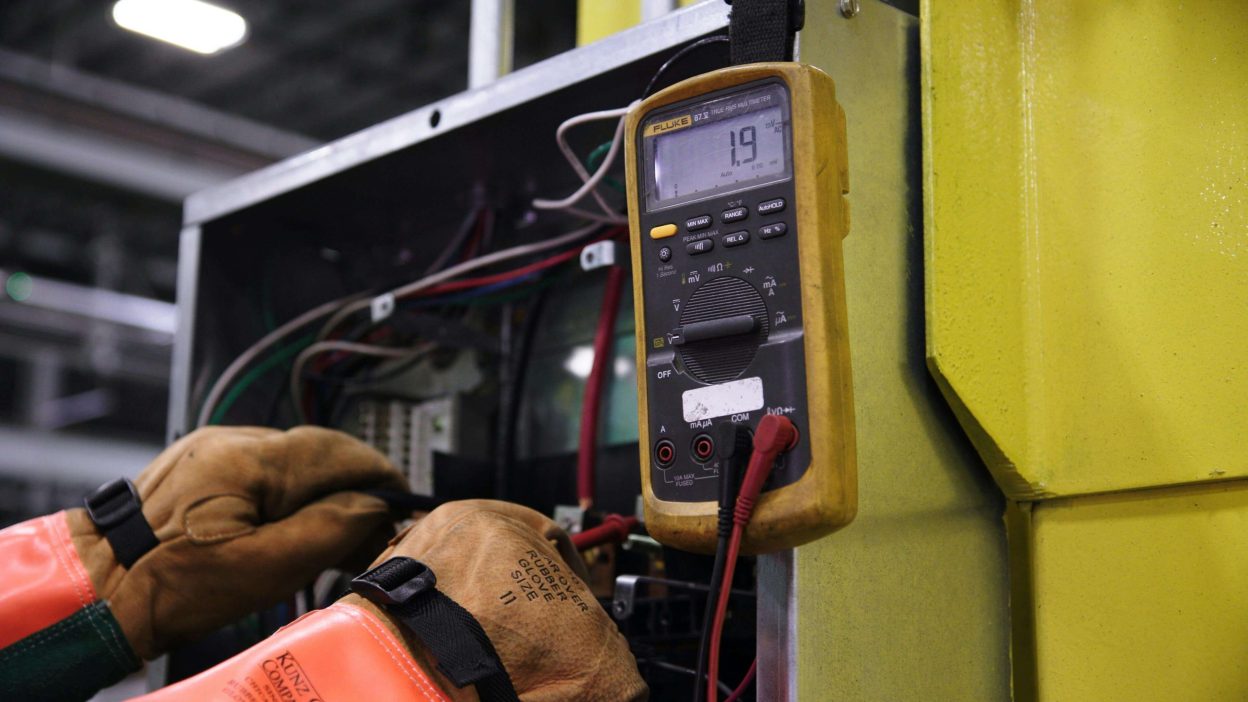
Electric vehicles contain high-voltage systems and advanced electronic components that require specialized knowledge and equipment.
Modern electric vehicle maintenance often requires trained technicians who understand EV diagnostics, battery systems, and safety procedures.
How Workshops Can Prepare for EV Growth
1. Invest in EV Technician Training
Technicians should receive proper education on battery systems, charging technology, and high-voltage safety procedures.
2. Use Advanced Diagnostic Tools
Modern EVs depend heavily on software and electronics. Diagnostic equipment is essential for effective electric vehicle maintenance.
3. Maintain Accurate Service Records
Digital service history helps workshops track repairs, battery inspections, and maintenance schedules efficiently.
How Autodots Supports Modern EV Workshops
Autodots helps automotive workshops manage customer records, digital job cards, repair tracking, invoicing, and workshop operations from a centralized platform.
As demand for electric vehicle maintenance continues to grow, digital workflow management becomes increasingly important. Autodots helps workshops improve efficiency while maintaining organized service records and customer communication.
You can also explore more workshop technology and EV servicing insights on the Autodots Blog.
Benefits of Understanding EV Service Facts
- Better customer education
- Improved vehicle performance
- Higher workshop credibility
- More accurate service recommendations
- Reduced misinformation
- Better long-term ownership experience
Workshops that understand modern electric vehicle maintenance trends are better positioned to serve the growing EV market and build stronger customer relationships.
Frequently Asked Questions (FAQs)
Do electric vehicles need regular servicing?
Yes, EVs still require inspections for brakes, tires, suspension systems, cooling components, and software updates.
How long do EV batteries typically last?
Most modern EV batteries are designed to last many years when maintained and charged properly.
Are EV maintenance costs lower than traditional vehicles?
In many cases, EVs have lower routine maintenance costs because they contain fewer mechanical components.
Do workshops need special training for EV repairs?
Yes, technicians should understand high-voltage systems, battery technology, and EV diagnostic procedures.
Which platform helps workshops manage EV service operations?
Autodots provides modern garage management solutions designed for today’s automotive and EV workshops.
Conclusion
Misunderstandings about EV servicing can lead to poor maintenance decisions and unnecessary concerns. Understanding the facts behind electric vehicle maintenance helps both vehicle owners and workshops make smarter decisions.
If you want to modernize your workshop operations and prepare for the future of EV servicing, explore Autodots Garage Management Solutions today.