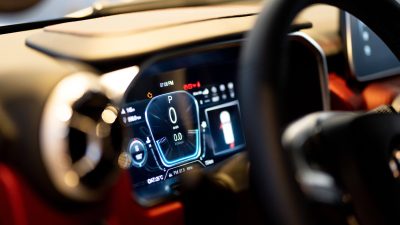
The automotive industry is changing faster than ever. Modern vehicles are no longer powered only by engines and mechanical components—they are increasingly controlled by software. From infotainment systems and advanced driver assistance to battery management and over-the-air updates, software is becoming the heart of every new vehicle. This shift is made possible by Software-Defined Vehicle Architecture.
As connected and electric vehicles continue to grow, Software-Defined Vehicle Architecture is transforming how vehicles are built, updated, serviced, and improved throughout their lifetime. It also creates new opportunities and responsibilities for automotive workshops that must prepare for software-focused vehicle maintenance.
Table of Contents
What Is Software-Defined Vehicle Architecture?
Software-Defined Vehicle Architecture is a modern vehicle design approach where software controls most vehicle functions instead of relying on separate hardware systems. Multiple electronic control units (ECUs) are replaced or combined into powerful central computers that manage everything from safety systems to entertainment features.
This architecture allows manufacturers to improve vehicle performance through software updates without replacing physical components.
How System-Defined Vehicle Architecture Works
Traditional vehicles use dozens of individual control units for different functions. In contrast, Software-Defined Vehicle Architecture centralizes these functions into high-performance computing platforms connected to sensors, cameras, batteries, electric motors, and cloud services.
The result is faster communication between systems, easier software updates, and better overall vehicle performance.
Key Features
Centralized Computing
Instead of many separate control modules, powerful central processors manage multiple vehicle functions.
Over-the-Air Updates
Manufacturers can deliver new features, bug fixes, and security improvements remotely using Software-Defined Vehicle Architecture.
Cloud Connectivity
Vehicles stay connected to cloud platforms for diagnostics, navigation, software management, and remote services.

Artificial Intelligence
AI helps personalize vehicle settings, improve voice assistants, and enhance driver assistance systems.
Improved Cybersecurity
Modern software platforms include stronger security systems to protect connected vehicles from cyber threats.
Advanced Diagnostics
Real-time vehicle monitoring makes identifying software and hardware issues faster and more accurate.
Future Expansion
Manufacturers can introduce new digital features long after the vehicle has been sold.
Benefits of Software-Defined Vehicle Architecture
- Continuous software improvements.
- Faster feature updates.
- Improved vehicle performance.
- Enhanced cybersecurity.
- Better driver experience.
- Simplified diagnostics.
- Lower maintenance costs.
- Longer software support.
These advantages make Software-Defined Vehicle Architecture one of the biggest technological changes in modern transportation.
What Garage Owners Should Know
Software-defined vehicles require workshops to develop new technical skills. Servicing these vehicles involves software diagnostics, electronic calibration, cloud-based systems, digital inspections, and secure software updates in addition to traditional mechanical repairs.
Understanding Software-Defined Vehicle Architecture helps technicians prepare for future vehicle servicing requirements.
Why Digital Workshop Management Matters
Modern workshops manage digital inspections, software diagnostics, repair history, technician assignments, quotations, invoices, inventory tracking, and customer approvals every day. Managing this information manually becomes difficult as vehicles become more software-driven.
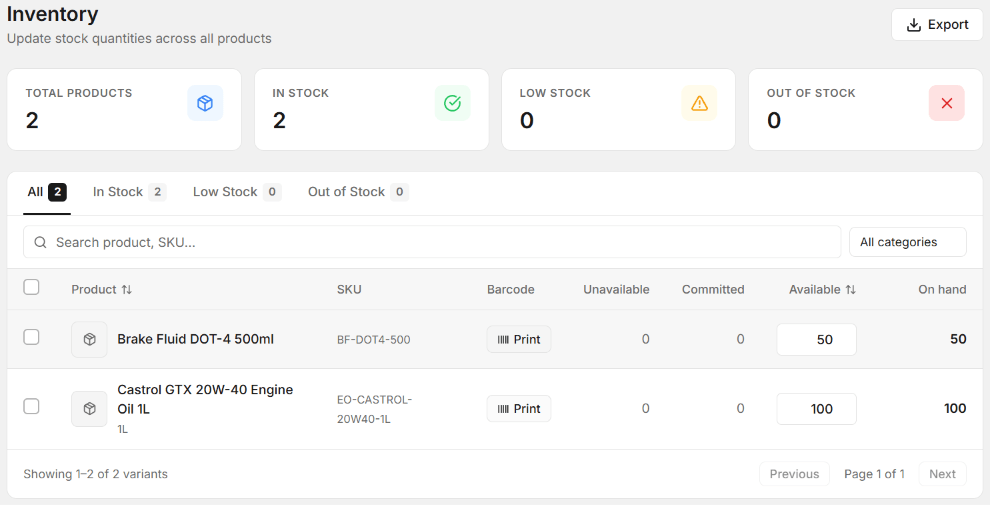
Using Software-Defined Vehicle Architecture alongside professional garage management software helps workshops improve efficiency while delivering faster and more accurate service.
Why Many Workshops Choose Autodots
Autodots provides complete workshop management software with appointment scheduling, digital job cards, technician management, inventory tracking, quotations, invoicing, CRM, workflow automation, digital vehicle inspections, dashboard reporting, financial reporting, and advanced business analytics.
Everything is managed through one secure cloud-based dashboard, allowing workshop owners to organize daily operations while improving productivity.
Built-in Marketing and Customer Communication
Autodots also includes WhatsApp campaigns, SMS campaigns, email marketing, appointment reminders, repair updates, digital inspections, quotations, invoices, payment reminders, service reminders, customer feedback requests, promotional campaigns, and follow-up messages.
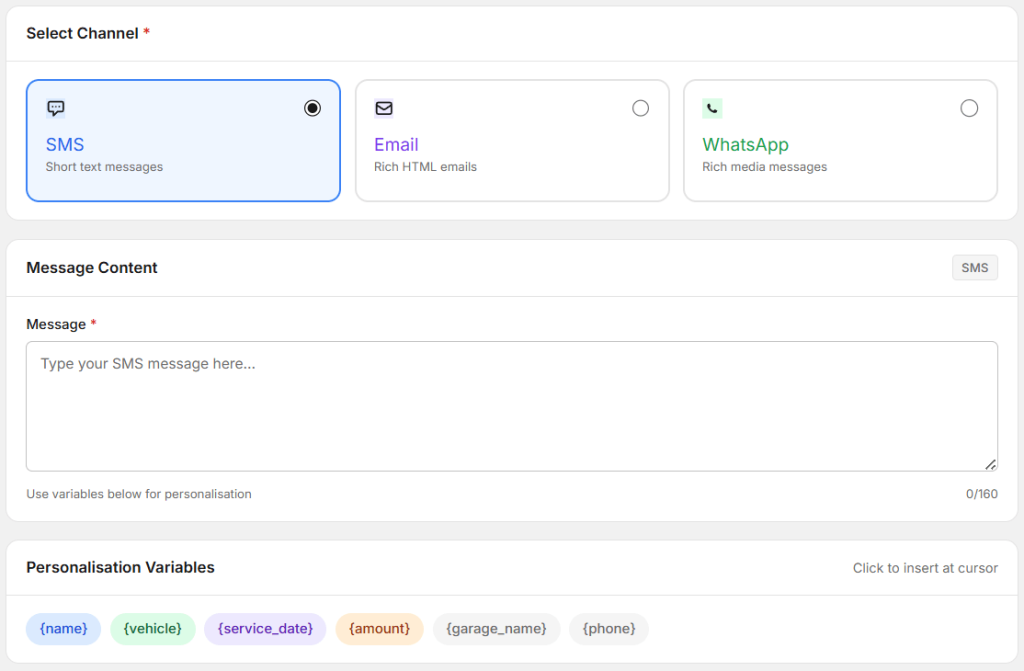
These communication tools help workshops improve customer satisfaction while increasing repeat business.
Grow Your Workshop Online
As software-defined vehicles become more common, workshops should also strengthen their online presence. Through the Autodots Partner Program, garage owners can improve online visibility, attract more local customers, and grow their business.
Combining knowledge of Software-Defined Vehicle Architecture with digital marketing helps workshops stay competitive in the future automotive industry.
Frequently Asked Questions
What is Software-Defined Vehicle Architecture?
Software-Defined Vehicle Architecture is a vehicle design approach where software controls most vehicle systems through centralized computing instead of multiple independent electronic control units.
Why is Software-Defined Vehicle Architecture important?
It allows manufacturers to improve vehicles through software updates, provide better performance, enhance security, and introduce new features without changing hardware.
Does Software-Defined Vehicle Architecture support over-the-air updates?
Yes. One of its biggest advantages is the ability to deliver remote software updates throughout the vehicle’s life.
How does Autodots help modern workshops?
Autodots combines appointment scheduling, digital job cards, technician management, inventory management, quotations, invoicing, CRM, WhatsApp campaigns, SMS campaigns, email marketing, reporting, vehicle inspections, and business analytics into one complete workshop management platform.
Why should workshops prepare for software-defined vehicles?
Modern vehicles rely heavily on software diagnostics, cloud connectivity, and electronic systems. Workshops that understand Software-Defined Vehicle Architecture and invest in digital tools will be better prepared for future automotive technology.
Conclusion
Software-Defined Vehicle Architecture is shaping the future of smart mobility by making vehicles more connected, intelligent, secure, and easier to improve through software updates. As software becomes the foundation of modern transportation, workshops must prepare with advanced diagnostics, technician training, and digital management solutions like Autodots. Businesses that embrace these technologies today will be well positioned to service the next generation of connected and electric vehicles.
For additional workshop technology insights and automotive industry updates, visit the Autodots Blog.