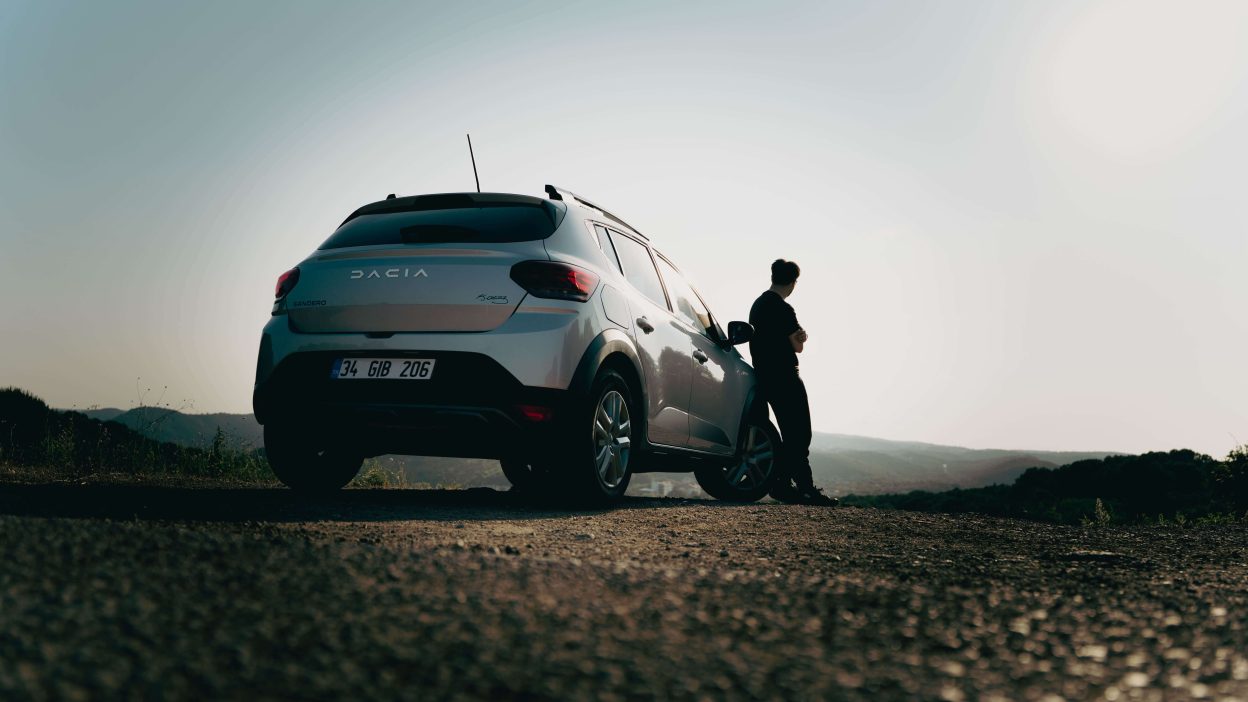
Dacia is known for making cars that are simple, honest, and affordable, and its little electric hatchback is a perfect example. Now the brand has revealed a fresh second-generation model, and the New Dacia Spring 2026 is already one of the most talked-about small EVs in Europe. It is bigger, built closer to home, and still aims to stay under a very low price. In this guide, we explain seven exciting things to know, in simple language, using the details reported so far.
Table of Contents
1. It Is Now Built in Europe, Not China
The biggest change is where the car is made. The first Spring was built in China, but the New Dacia Spring 2026 is produced at Renault’s Novo Mesto plant in Slovenia, alongside the Renault Twingo E-Tech. Building in Europe helps Dacia avoid import tariffs, which is one reason the brand can keep prices low while improving quality and supply.
Why This Matters to Buyers
A European-built car can be easier to supply and service, and buyers who prefer European production may feel more comfortable with it. It is also a smart business move for Dacia in a market where Chinese imports face extra costs.
2. A Bigger Car on a New Platform
The second-generation Spring moves to the Renault Group’s RG-EV Small platform. It is about 150 mm longer and 180 mm wider than before, stretching to roughly 3,850 mm in length, yet it stays light at about 1,212 kg. The New Dacia Spring 2026 is also the first of four all-electric Dacia models promised in the brand’s plan to 2030.
Still a Proper City Car
Even with the extra size, it remains an A-segment car, which means it is easy to park and handy in tight streets. The extra width should also make the cabin feel less cramped.
3. A Bigger Battery and Longer Range
Under the floor sits a 27.5 kWh lithium iron phosphate (LFP) battery. This gives the New Dacia Spring 2026 up to about 250 km, or 155 miles, of WLTP range, which is a clear step up from the 140 miles of the outgoing car. Dacia says the average Spring owner drives only around 34 km a day, so this should be plenty for most weekly routines.
Why LFP Batteries Are a Good Choice
LFP batteries are known for good safety, long life, and lower cost, which suits a car that is built to be affordable.
4. Simple Power and Easy Home Charging
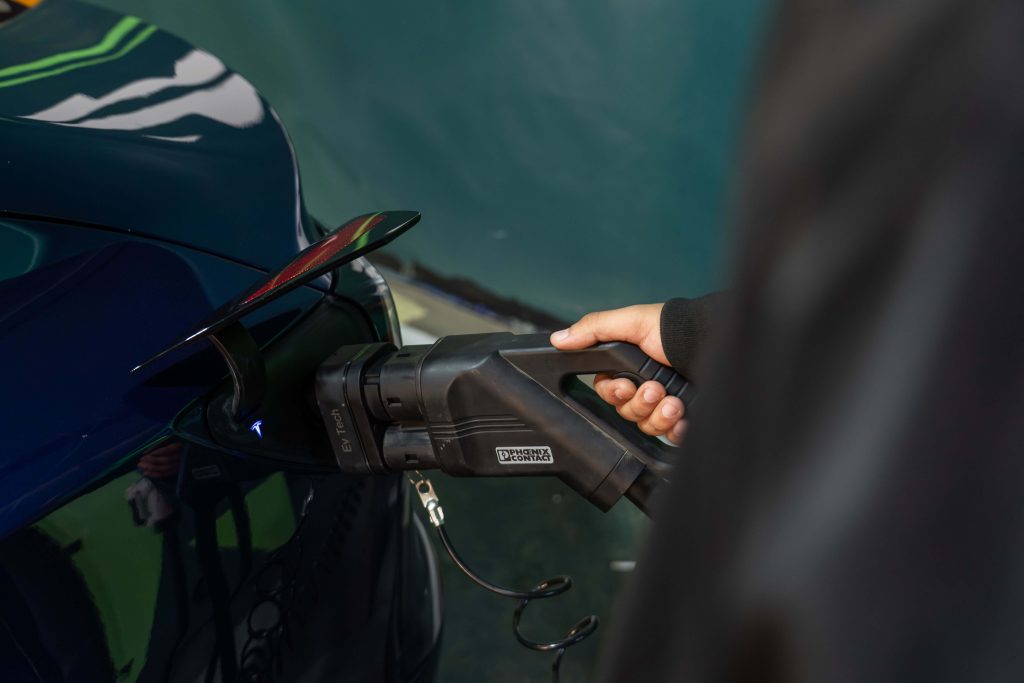
The electric motor produces about 60 kW, or 80 hp, with 175 Nm of torque. That is enough for city traffic and short motorway trips. A 6.6 kW onboard AC charger is standard on both trims, which makes charging at home or at a public AC point simple. The New Dacia Spring 2026 is designed to be easy to own, not to chase big power numbers.
5. Pricing Stays Low, but Not as Low as Before
Dacia has confirmed that all versions will cost under €20,000 before any local subsidies. Reports list about €17,900 for the Expression trim and €19,400 for the Journey trim, and a UK price below £18,000 is expected before incentives. These figures make the New Dacia Spring 2026 more expensive than the outgoing Chinese-built car, which was sold at heavily discounted prices earlier this year, so buyers should check current local offers.
Check Your Local Incentives
Government grants and manufacturer discounts can change the final price a lot, so always ask your dealer for the full figure with all fees and incentives.
6. When You Can Actually Buy One
The market launch is expected in late 2026, and the first deliveries are scheduled for early 2027. That means the New Dacia Spring 2026 is not yet in showrooms for most buyers, so it is a good idea to watch for official ordering dates and final specifications in your country.
7. Should You Buy the Current Spring or Wait?
The outgoing Spring is still on sale in some markets. It has a 24.3 kWh LFP battery, up to 140 miles of range, 70 hp or 100 hp motors, and optional 40 kW fast charging. In the UK it was launched at £12,240 after a £3,750 grant, so it can be cheaper today. If you want the lowest price and need a car now, the current model makes sense. If you want more range, a bigger body, and European production, the New Dacia Spring 2026 is worth waiting for.
Planning Ahead for Ownership and Servicing
Whichever version you choose, regular care keeps a small EV reliable. You can find practical vehicle care tips through this resource hub. Workshops that want to service modern EVs can explore this partnership program, and garages ready to manage their bookings better can get started through this registration page.
Frequently Asked Questions
Here are quick answers to common questions about the New Dacia Spring 2026.
How far can the new Spring go on one charge?
It is rated at up to about 250 km, or 155 miles, on the WLTP test cycle, thanks to its 27.5 kWh battery.
Where is it built?
It is built at Renault’s Novo Mesto plant in Slovenia, instead of China like the first-generation model.
How much will it cost?
Dacia says all versions will be under €20,000 before subsidies, with reports of about €17,900 and €19,400 for the two trims. A UK price under £18,000 is expected.
When will deliveries start?
First deliveries are scheduled for early 2027, after a market launch expected in late 2026.
Ready to Follow the Launch?
Sign up for updates from your local Dacia dealer, compare the new model with the outgoing Spring, and ask about subsidies in your country. A little preparation will help you order the New Dacia Spring 2026 at the right time and price.
Conclusion
The New Dacia Spring 2026 shows that a cheap EV can still grow up. It is bigger, built in Europe, and has a larger battery and better range, while staying under €20,000. It may cost more than the old model, but it looks like a smarter long-term choice for city drivers who want simple, affordable electric transport.