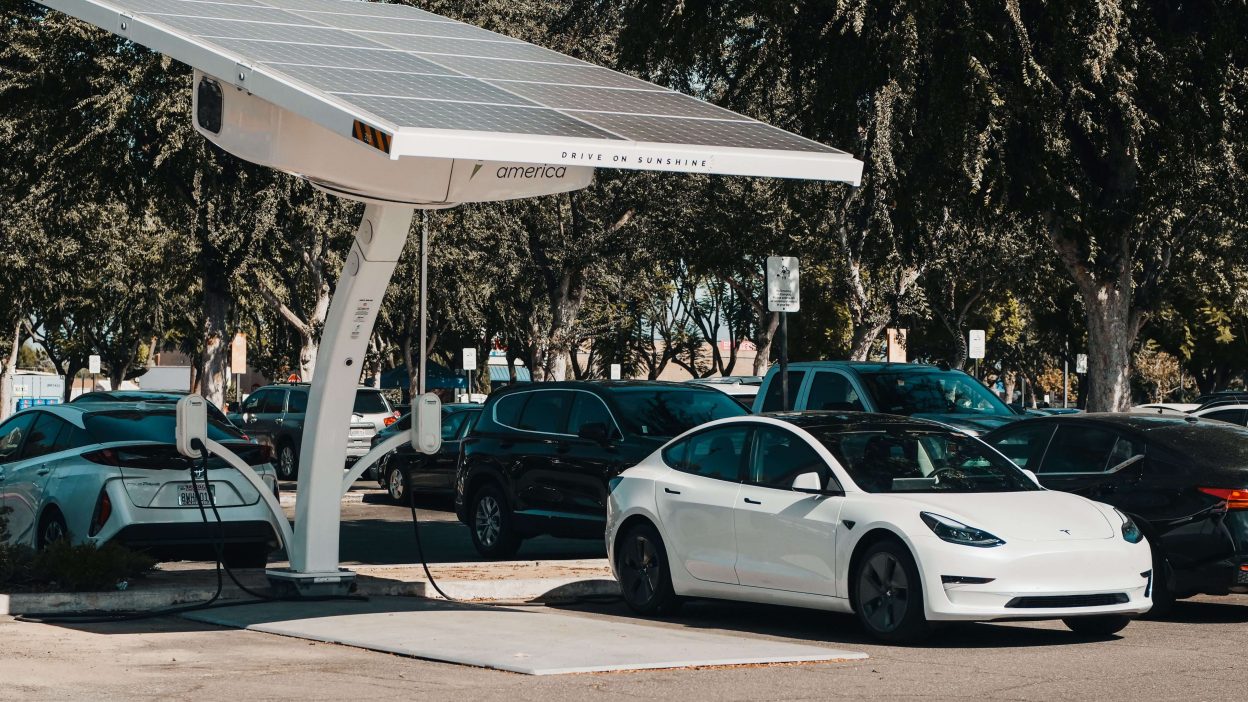
More people than ever are asking the same simple question: is electric car worth it in 2026? New models keep arriving, charging networks keep growing, and used EVs are getting cheaper, but government incentives have changed in some countries, so the answer is not the same for everyone. In this guide, we explain the real pros and cons in plain language, using recent cost estimates, so you can decide if an EV fits your life and budget. Most numbers below are US estimates, so your local prices will differ.
Running a garage or workshop? More EVs on the road means more servicing work, and you can explore Autodots Partners to manage bookings, job cards, and customer reviews in one place.
Table of Contents
The Quick Answer
For many drivers, yes, but not for all. So, is electric car worth it in 2026? It usually is if you can charge at home, drive a fair number of miles each year, and plan to keep the car for at least five years. It is less clear if you rely only on public chargers, drive very little, or buy new at a high price. A used EV is often the smartest value today.
The Pros of Owning an Electric Car
Let us start with the good news. When people ask, “is electric car worth it in 2026?”, the biggest reasons to say yes are lower running costs and less maintenance.
Lower Fuel Costs
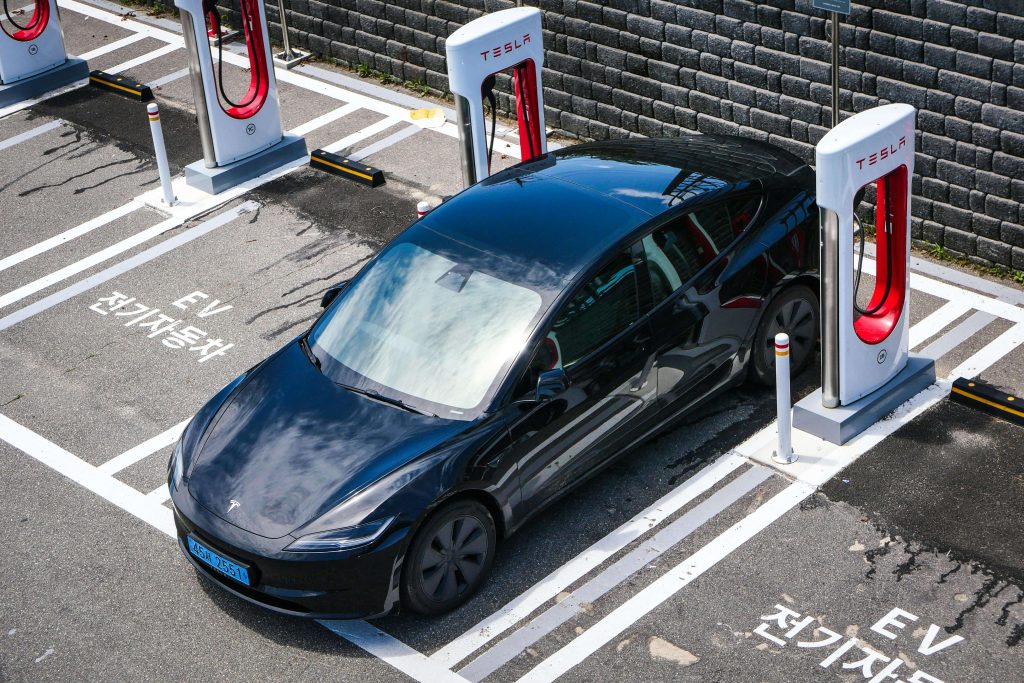
Charging at home is usually much cheaper than buying petrol or gasoline. One estimate puts home charging at about 5 cents per mile, compared with about 13 cents for gasoline. For a driver covering 15,000 miles a year, that can mean saving roughly $1,200 to $1,500 every year, though other estimates are lower, near $700 to $1,000, depending on local energy prices.
Less Maintenance
EVs have fewer moving parts. There are no oil changes, no spark plugs, and less brake wear thanks to regenerative braking. Estimates suggest annual maintenance can be around $500 to $1,000 lower than for a gas car, and some studies say total maintenance is about half over the life of the vehicle.
A Smooth, Quiet, and Quick Drive
Electric motors deliver power instantly, so even small EVs feel lively in city traffic. The cabin is also much quieter, which many owners say makes daily driving less tiring.
Cleaner Driving
EVs produce no tailpipe emissions, which helps air quality in busy cities. How green they are overall depends on how your local electricity is made, but charging from clean power makes them a strong choice for the environment.
The Cons of Owning an Electric Car
Now for the other side. Anyone asking, “is electric car worth it in 2026?”, should look at these downsides honestly, because they can change the answer.
Higher Upfront Price
New EVs usually cost more than similar petrol or gas cars, often by several thousand dollars. In the US, the federal purchase credit of up to $7,500 ended for vehicles bought after September 30, 2025, although some states still offer their own incentives. Always check what help is available where you live.
Faster Depreciation
EVs tend to lose value faster than gas cars. Some studies show about 50 to 60 percent loss over five years, compared with roughly 45 percent for gas cars. If you plan to sell after two or three years, this can eat into your savings, and it is a key reason the answer to “is electric car worth it in 2026” changes for new and used buyers.
Charging Access and Public Charging Costs
If you cannot charge at home, savings shrink. Public Level 2 charging can cost around $0.35 to $0.48 per kWh, and fast charging about $0.48 to $0.56 per kWh in some US estimates, which cuts yearly fuel savings to only a few hundred dollars.
Insurance, Cold Weather, and Long Trips
EVs may cost a little more to insure, and cold weather can reduce range. Long trips also need more planning, since you must find chargers along the way. Modern networks make this easier every year, but it is still a factor.
The Money Math in Simple Words
Here is how the numbers usually work. With home charging and about 15,000 miles a year, many EVs break even against gas cars in roughly three to five years through fuel and maintenance savings. If you depend mainly on public fast charging, that can stretch to seven to nine years. So the honest answer to “is electric car worth it in 2026” depends heavily on how and where you charge.
Why Used EVs Are Popular Right Now
A two or three-year-old EV has already gone through the steepest drop in value. Reports show used EVs often cost about the same as, or less than, similar gas cars. Some estimates say used EV owners can save around $7,000 to $11,000 over five years compared with a similarly priced gas car, which makes buying used one of the best ways to turn “is electric car worth it in 2026” into a confident yes.
Who Should Buy, and Who Should Wait?
You are likely to benefit from an EV if you have a home or workplace charger, drive more than 10,000 miles a year, and plan to keep the car for five years or more. You may want to wait, or consider a hybrid, if you live in a flat without charging, drive under 5,000 miles a year, or live where electricity costs a lot more than fuel. In those cases, “is electric car worth it in 2026” may have a “not yet” answer.
Planning Ahead for Ownership and Servicing
Whichever car you pick, regular servicing keeps it reliable. You can find practical vehicle care tips on Autodots Blog News. Workshops that want to service modern EVs can explore Autodots Partners, and garages ready to manage their bookings better can get started through Autodots Register.
Frequently Asked Questions
Here are quick answers to common questions people ask when wondering, “is electric car worth it in 2026?”
Are electric cars cheaper to run than gas cars?
Usually yes, especially with home charging. Fuel and maintenance savings often add up to more than $1,000 per year, depending on local prices.
Do EVs really lose value faster?
Yes, on average. That is why many experts say a used EV can be a better deal than a new one when they ask, “is electric car worth it in 2026?”
Is an EV worth it without home charging?
It is much harder to justify. Public charging costs more, so savings shrink, and a hybrid may suit you better.
Is the federal EV tax credit still available?
In the US, the federal purchase credit ended for vehicles bought after September 30, 2025. Some states and countries still offer other incentives, so check local rules.
Ready to Make Your Decision?
Write down your yearly mileage, check whether you can charge at home, and compare the full cost of two or three models, including insurance and charging. Then take a test drive and ask a dealer for the final price before you decide for yourself.
Conclusion
So, is electric car worth it in 2026? For many drivers with home charging and steady mileage, yes, thanks to lower fuel and maintenance costs. For others, high prices, faster depreciation, and limited charging may still favour a hybrid or a used EV. Do the numbers for your own situation, and choose the car that makes both financial and everyday sense.