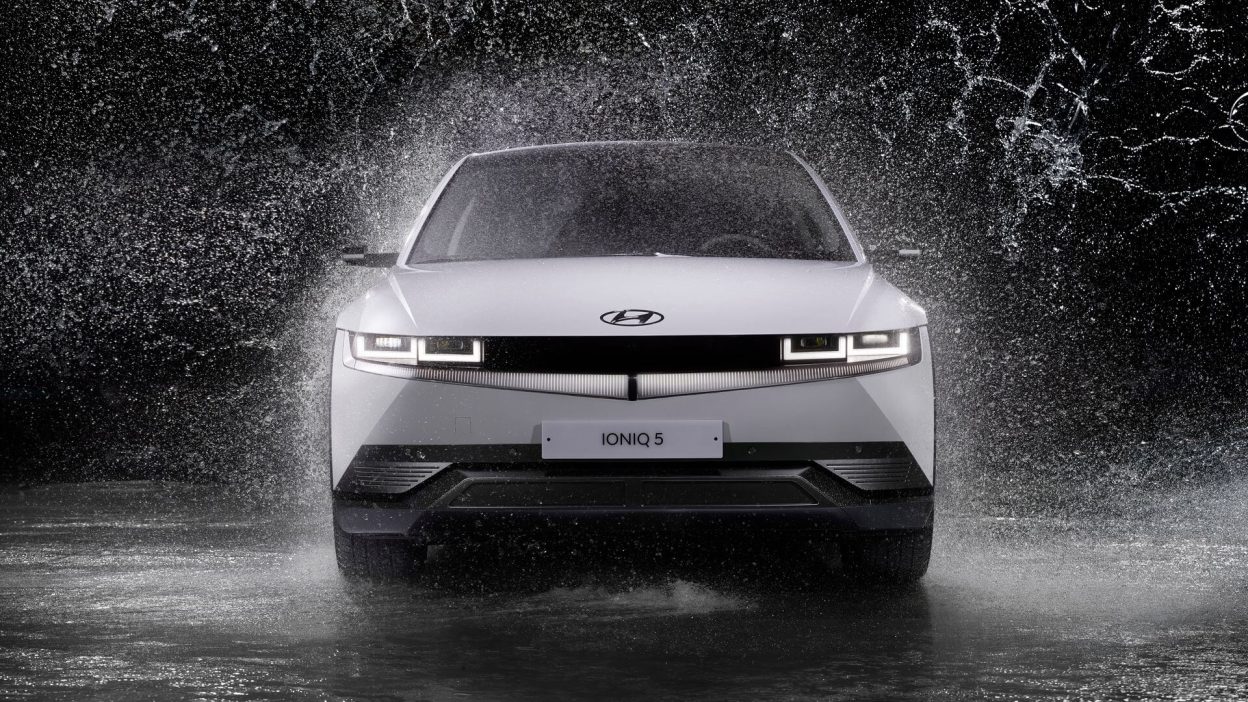
If you’ve been eyeing an electric crossover, the Hyundai Ioniq 5 2026 deserves a closer look. While it carries over most of its hardware from last year’s major refresh, several smart changes make this year’s model genuinely worth considering. Here are seven things EV buyers should know before deciding.
Table of Contents
1. Prices Have Dropped Significantly
The biggest headline surrounding the Hyundai Ioniq 5 2026 is pricing. Hyundai has cut starting prices across the lineup, positioning it as one of the more attainable long-range EV crossovers currently available in the US market. For buyers who found last year’s pricing a bit steep, this adjustment alone makes the current model year worth a second look.
A Carry-Over Year With Meaningful Value
Hyundai officially treats the Hyundai Ioniq 5 2026 as a carry-over model in terms of major hardware, since the heavy lifting happened during last year’s mid-cycle facelift. This year is really about fine-tuning pricing and equipment rather than reinventing the vehicle.
2. NACS Charging Is Now Standard
One of the most practical upgrades carried into the Hyundai Ioniq 5 2026 is the switch from CCS to the Tesla-style NACS charging port for DC fast charging in the US. This means owners can access Tesla’s Supercharger network directly, without needing a separate adapter, making road trips and everyday charging noticeably more convenient.
A Universal Charging Cable Comes Standard Too
Alongside the NACS port, every trim of the Hyundai Ioniq 5 2026 now includes a standard Level 1 and Level 2 combination charging cable, simplifying the process of charging at home or at public Level 2 stations without buying extra accessories.
3. A New Battery Supplier Behind the Scenes
Buyers might not notice this from the driver’s seat, but it’s worth knowing. Hyundai has switched to SK Innovation as the battery supplier for the Hyundai Ioniq 5 2026, replacing the Mobis-supplied pack used in the previous model year, along with a marginally lower overall pack weight.

Battery Capacity Stays Strong
The standard range pack sits at around 63 kWh, while the long-range version offers approximately 84 kWh, giving buyers solid real-world range regardless of which trim they choose.
Charging Times Remain Competitive
On a compatible NACS DC fast charger, the Ioniq 5 lineup supports a 10-80% charge in around 30 minutes, keeping charging stops reasonably quick during longer trips.
4. New Colors and a Rugged XRT Trim
Style options have expanded nicely this year. The Hyundai Ioniq 5 2026 introduces Sage Silver Matte as a new color, while previously XRT-exclusive shades like Ultimate Red and Cosmic Blue Pearl are now available across the entire range, not just the off-road-focused trim.
Five Distinct Trim Levels to Choose From
The lineup now spans five grades: SE Standard Range, SE, SEL, Limited, and the XRT, which is built for light off-road use. This gives buyers a wider spread of options depending on budget and intended use.
5. Small But Meaningful Interior Updates
Inside the cabin, the Hyundai Ioniq 5 2026 gets a few detail-focused changes rather than a full redesign. The steering wheel is now wrapped in H-Tex material instead of leatherette, and heated rear outboard seats have been added to the Limited trim for extra comfort during colder months.
Some Feature Shuffling Across Trims
Power-folding mirrors and Hyundai Digital Key 2 Premium are no longer offered on the SEL trim, with both features now reserved for the higher Limited and XRT trims. Buyers who specifically want these features should check trim availability carefully before purchasing.
Updated Safety Tech Across the Range
Hyundai has also adjusted Rear Occupant Alert availability, with SE and SEL trims using the basic door-logic version, while the more advanced radar-based system remains exclusive to the Limited trim.
6. The Performance-Focused Ioniq 5 N Gets Its Own Updates
For buyers considering the performance variant, the Hyundai Ioniq 5 2026 N brings its own set of changes, including a new Performance Blue Pearl paint option and the same NACS charging port upgrade seen across the standard lineup. Unlike other trims, though, the N doesn’t benefit from the broader price reduction, since it remains a fully-imported model.
Serious Power Figures Remain Unchanged
The Ioniq 5 N continues to use the same 84-kWh battery shared with other variants, paired with a dual-motor HTRAC all-wheel-drive system delivering up to 641 horsepower when N Grin Boost mode is engaged.
7. Where to Learn More and Plan for Ownership
Once you’ve decided this model fits your needs, it’s worth thinking ahead about maintenance and servicing, especially since EV upkeep looks a little different from traditional combustion vehicles. You can find practical vehicle care tips through this resource hub. Workshops interested in servicing modern EVs like this can explore this partnership program, and service centres ready to manage bookings more efficiently can get started through this registration page.
A Strong Case for Buying Now
Between the lower starting prices, standard NACS access, and expanded color and trim choices, this year’s changes make a compelling case for buyers who were previously on the fence about making the switch to an EV crossover.
Frequently Asked Questions
Here are quick answers to common questions about the Hyundai Ioniq 5 2026.
Is theHyundai Ioniq 5 2026 model a completely new generation?
No, it’s a carry-over model in terms of major hardware, with the significant redesign happening during the previous model year’s facelift.
Can I use Tesla Superchargers with this model?
Yes, thanks to the switch to a native NACS charging port, owners can access Tesla’s Supercharger network directly without needing an adapter.
Did prices go up or down this year?
Prices have dropped significantly across the lineup, making it one of the more accessible long-range EV crossovers currently on the market.
Is the XRT trim good for off-roading?
The XRT is designed for light off-road excursions rather than serious off-roading, offering a slightly more rugged look and added durability features compared to standard trims.
Thinking About Making the Switch?
With pricing now more accessible and charging access significantly improved through NACS, this is a good time to compare trims, test drive a few options, and see how it fits into your daily routine before committing.
Conclusion
The Hyundai Ioniq 5 2026 proves that meaningful updates don’t always require a full redesign. With lower pricing, standard NACS charging, a new battery supplier, and thoughtful trim-level refinements, this year’s model offers real value for buyers ready to make the switch to electric. Whether you’re drawn to the practical SE trim or the performance-focused N variant, there’s a version built to match different driving needs and budgets.