How to Run a Paperless Garage is becoming one of the most important topics for modern workshop owners. As garages handle more customers, vehicles, invoices, and service records, paperwork can quickly become overwhelming. Lost job cards, misplaced invoices, and manual record keeping often reduce productivity and create unnecessary delays.
Learning How to Run a Paperless Garage can help workshop owners streamline operations, improve customer service, and create a more efficient business. By replacing paper-based processes with digital tools, garages can save time, reduce errors, and focus more on serving customers.
In this guide, we’ll explore practical steps that can help any workshop transition into a modern paperless operation.
Table of Contents
What Is a Paperless Garage?
A paperless garage is a workshop that manages its operations digitally instead of relying on printed documents. Job cards, invoices, customer records, inspection reports, technician notes, and appointments are all stored electronically.
Understanding How to Run a Paperless Garage starts with recognizing that digital systems make information easier to access, update, and share across the business.
Why Traditional Paper Processes Slow Garages Down
Many workshops still use paper job cards, handwritten estimates, and filing cabinets filled with customer records. While these methods may seem familiar, they often create inefficiencies.
- Lost paperwork.
- Duplicate data entry.
- Slow invoice creation.
- Limited reporting capabilities.
- Poor communication between staff.
- Difficulty tracking customer history.
- Storage challenges.
- Administrative bottlenecks.
These issues become more noticeable as a garage grows.
Start with Digital Job Cards
One of the easiest ways to implement How to Run a Paperless Garage is by replacing paper job cards with digital versions.
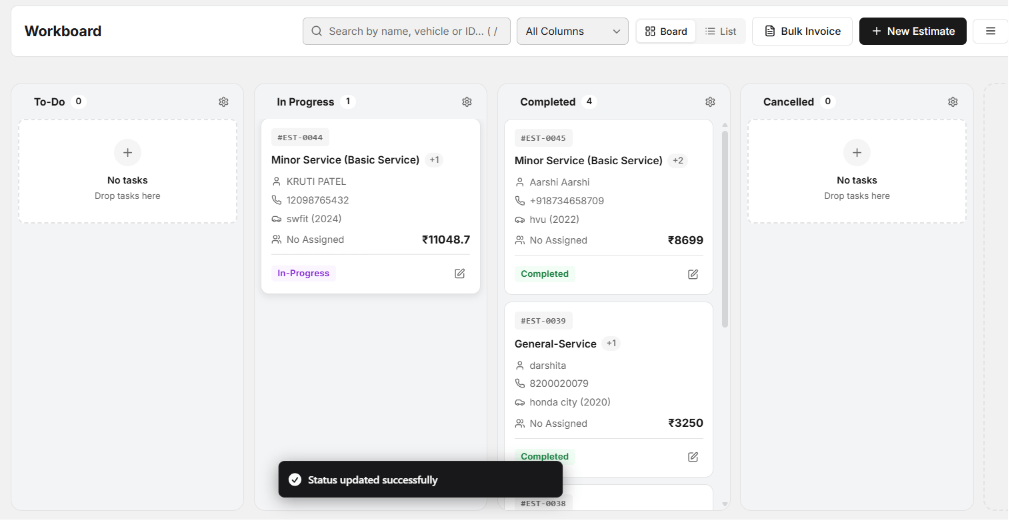
Digital job cards allow technicians to record inspections, service notes, repair recommendations, and customer approvals directly within the system.
This ensures all information remains organized and accessible from anywhere.
Benefits of Digital Job Cards
- Improved repair documentation.
- Faster technician workflows.
- Reduced paperwork.
- Better customer transparency.
- Easy access to service history.
Move Customer Records Online
Customer records are one of the most valuable assets in any garage. Instead of storing them in folders or filing cabinets, digital systems keep everything organized in one place.
A key part of How to Run a Paperless Garage is creating centralized customer profiles that include vehicle details, service history, invoices, and communication records.
This allows staff to provide faster and more personalized service.
Digitize Appointment Scheduling
Paper diaries and appointment books can become difficult to manage as booking volume increases.
Digital scheduling tools help garages organize appointments, allocate resources efficiently, and reduce booking conflicts.
Learning How to Run a Paperless Garage often begins with replacing manual scheduling systems.
Switch to Digital Invoicing
Paper invoices require printing, filing, and manual storage. Digital invoicing eliminates these steps while improving professionalism.
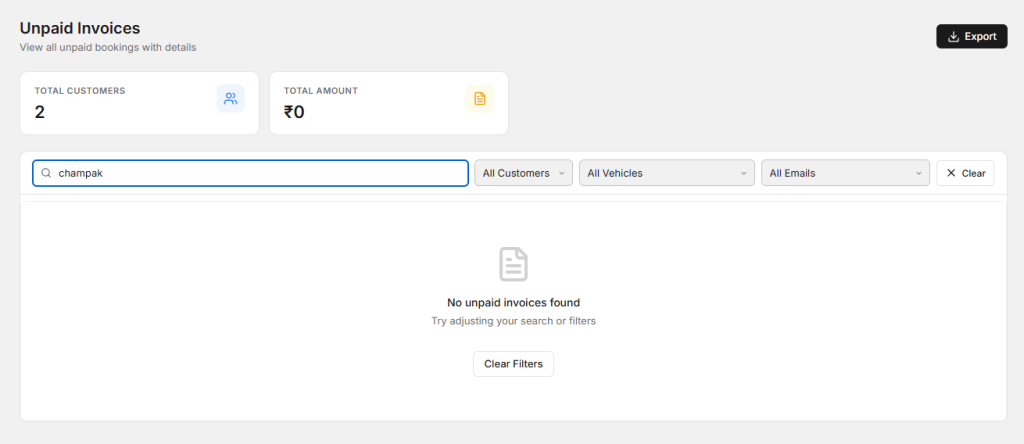
Invoices can be generated quickly, stored securely, and accessed whenever needed.
This is another important component of How to Run a Paperless Garage successfully.
Improve Workshop Communication
Paper notes and verbal instructions can sometimes lead to misunderstandings.
Digital communication tools help technicians, service advisors, and managers stay aligned throughout the repair process.
When businesses explore How to Run a Paperless Garage, communication improvements are often among the first benefits they notice.
Automate Customer Communication
Modern customers expect updates and reminders throughout their service journey.
- Appointment confirmations.
- Service reminders.
- Repair updates.
- Vehicle-ready notifications.
- Follow-up messages.
Automated communication reduces manual work while improving customer satisfaction.
Track Performance Using Real-Time Data
Paper systems make it difficult to understand how a business is performing.
A paperless garage can track revenue, technician productivity, customer retention, booking volume, and repair turnaround times through digital reports.
Businesses that understand How to Run a Paperless Garage can make faster and more informed decisions using real-time data.
Important Metrics Every Garage Should Monitor
- Monthly revenue.
- Average repair order value.
- Technician productivity.
- Customer retention rate.
- Workshop utilization.
- Repeat customer percentage.
- Job completion times.
- Booking volume.
How Autodots Helps Garages Go Paperless
Autodots provides the tools required to transition from manual processes to a fully digital workshop.
Features such as digital job cards, appointment scheduling, invoicing, workflow management, customer records, technician management, and reporting help garages operate more efficiently.
For workshops looking to implement How to Run a Paperless Garage, a centralized platform simplifies the transition significantly.
Improve Customer Retention Through Automation
Customer retention becomes easier when communication is automated.
Autodots supports WhatsApp messaging, SMS campaigns, email marketing, and automated service reminders that help businesses stay connected with customers.
Consistent communication encourages repeat bookings and long-term loyalty.
Increase Online Visibility
Today’s customers search online before choosing a garage.
Garages can increase visibility through the Autodots Partner Program, helping potential customers discover trusted service providers in their area.
Combining online visibility with How to Run a Paperless Garage creates a strong foundation for growth.
Common Mistakes to Avoid
Some garages begin digitizing operations but continue relying heavily on paper.
- Using both paper and digital records.
- Not training staff properly.
- Ignoring workflow automation.
- Failing to centralize customer data.
- Not tracking performance metrics.
Avoiding these mistakes will make the transition smoother and more effective.
Benefits of Running a Paperless Garage
- Reduced paperwork.
- Improved efficiency.
- Faster invoicing.
- Better communication.
- Enhanced customer experience.
- Improved reporting.
- Higher productivity.
- Scalable business growth.
Learn More About Growing Your Automotive Business
For additional workshop management insights, customer retention strategies, and automotive business growth tips, visit the Autodots Blog.
Frequently Asked Questions
What does it mean to run a paperless garage?
Running a paperless garage means managing job cards, invoices, customer records, appointments, and workshop operations digitally rather than using paper documents.
How to Run a Paperless Garage without disrupting daily operations?
The best approach is to gradually replace manual processes with digital tools such as job cards, invoicing systems, customer management software, and appointment scheduling platforms.
Why is How to Run a Paperless Garage important for modern workshops?
Learning How to Run a Paperless Garage helps businesses improve efficiency, reduce administrative work, eliminate lost paperwork, and provide a better customer experience.
Can going paperless improve customer retention?
Yes. Digital records, automated reminders, and better communication help garages build stronger customer relationships and encourage repeat visits.
How does Autodots support paperless workshops?
Autodots provides digital job cards, workflow management, invoicing, customer communication tools, reporting, and appointment scheduling features that help garages eliminate paper-based processes.
Conclusion
Learning How to Run a Paperless Garage is one of the smartest investments workshop owners can make in 2026 and beyond. By adopting digital job cards, automated communication, online scheduling, digital invoicing, and centralized customer management, garages can improve efficiency while reducing administrative work. Businesses that understand How to Run a Paperless Garage effectively will be better positioned to increase productivity, improve customer satisfaction, and grow successfully in an increasingly digital automotive industry.