Running a small garage can be challenging when the team has to manage customers, vehicles, appointments, job cards, spare parts, inspections, invoices, and payments at the same time. Many small garages still depend on notebooks, spreadsheets, paper job cards, or different apps for daily work. As the number of customers grows, these methods can make it harder to keep everything organized.
Garage Management Software for Small Garages can help bring important workshop activities into one organized system. Instead of checking different records for customer details, vehicle history, service status, stock, and billing, the team can manage these tasks through a connected digital workflow.
The goal is not simply to use more technology. The real goal is to save time, reduce manual work, improve accuracy, and provide customers with a better service experience. In this guide, we will look at seven easy tips that can help small garages improve their daily operations.
Table of Contents
Why Small Garages Need Better Management
Small garages often work with limited staff. One person may handle customer calls and appointments, another may manage technicians, and the owner may handle billing, stock, and business decisions. When information is spread across paper files and different systems, employees can spend a lot of time looking for basic details.
Garage Management Software for Small Garages can make this easier by keeping important information organized. Customer details, vehicle records, appointments, job cards, inspections, spare parts, and invoices can be managed as part of one workflow.
This can help small teams work more efficiently without needing a large administrative staff.
7 Easy Tips to Manage a Small Garage Better
1. Keep Customer and Vehicle Records in One Place
Customer information is one of the most important records in a garage. It may include the customer’s name, phone number, email address, vehicle registration number, vehicle model, and service history.
When this information is stored in notebooks or different files, employees may have difficulty finding it when a customer returns. A digital record makes it easier to search for the customer and quickly understand their vehicle history.
Garage Management Software for Small Garages can help connect customer information with vehicle records. This means the service advisor can quickly find the right vehicle and review previous services before starting a new job.
2. Make Appointment Booking Simple
Appointments help a garage plan its daily workload. Without proper booking, several customers may arrive at the same time, technicians may become overloaded, or some time slots may remain unused.
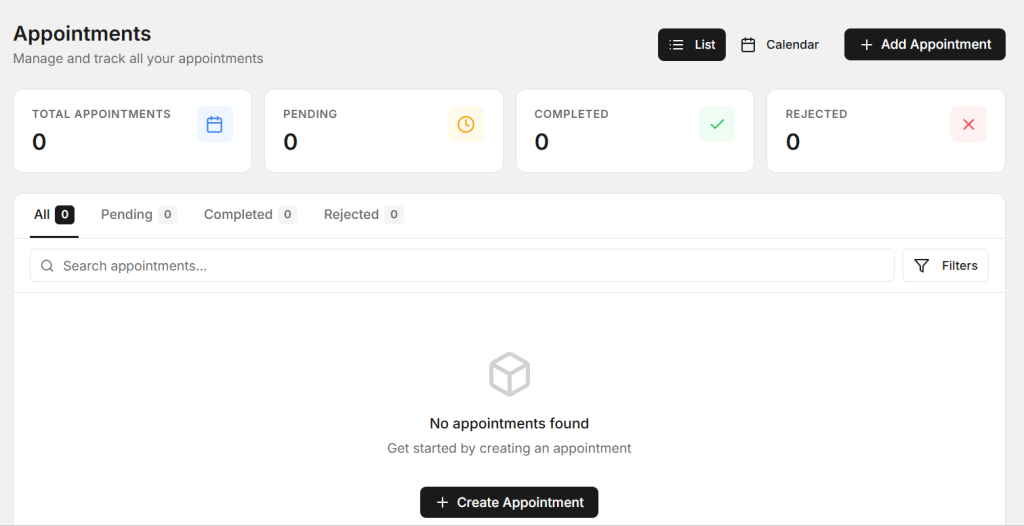
Create a simple booking process that records the customer’s name, vehicle, service requirement, preferred date, and contact details. This gives the team a better idea of what vehicles are expected during the day.
Digital booking tools can also make it easier to update appointments when customers change their plans. This reduces confusion and helps the garage use its working hours more effectively.
3. Use Digital Job Cards
A job card is an important part of the repair process. It can include the customer’s complaint, inspection findings, technician notes, required services, spare parts, and repair status.
Paper job cards can become difficult to track when several vehicles are being repaired at the same time. They can also be misplaced or damaged.
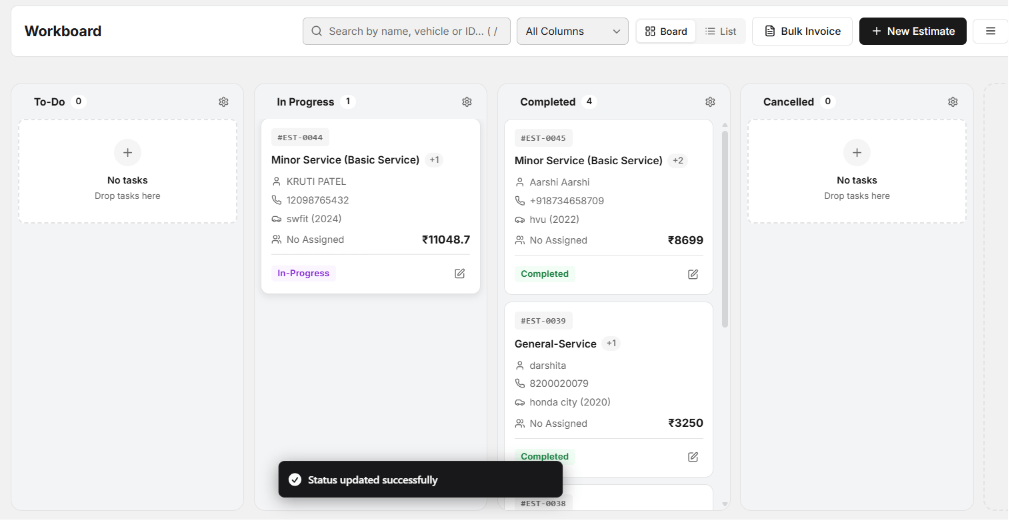
Garage Management Software for Small Garages can help create and manage digital job cards. Service advisors and technicians can use the same job information, making it easier to understand what work needs to be completed.
4. Track Spare Parts Properly
Spare parts are another area where small garages can lose time and money. If stock information is not updated, employees may not know which parts are available, which parts need to be ordered, or which products are being used frequently.
Keep important details such as part name, quantity, purchase price, selling price, and stock level organized. Update the stock whenever parts are received or used.
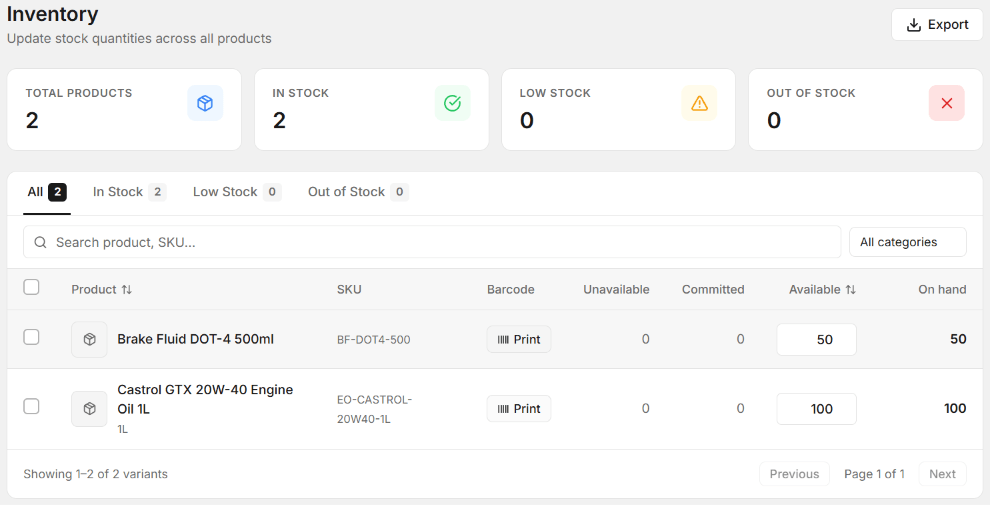
When inventory information is connected with repair jobs and billing, the team can get a clearer view of parts usage. This can also reduce the need to enter the same part information multiple times.
5. Create Clear and Accurate Invoices
Billing is the final stage of many garage jobs, so it should be simple and accurate. Customers should be able to see what services were performed, which parts were used, the labor charges, applicable taxes, discounts, and the final amount.
Manual calculations can take extra time and may lead to errors, especially when an invoice contains several services and spare parts.
Digital invoicing can calculate totals and organize billing information more efficiently. Garage Management Software for Small Garages can help connect invoice information with the completed job, reducing repeated data entry and making the final billing process smoother.
6. Keep Customers Updated
Customers want to know what is happening with their vehicle after they leave it at the garage. They may want to know whether the inspection is complete, whether additional repairs are required, when the repair will be finished, or when the vehicle is ready for collection.
Regular updates can reduce the number of customers calling the garage for basic information. The service advisor can provide updates at important stages instead of waiting for customers to ask.
Clear communication is especially useful when a repair takes longer than expected. If there is a delay because a part is unavailable or an additional problem is discovered, the customer should be informed as soon as possible.
7. Review Garage Performance Regularly
A small garage should regularly review how its daily operations are performing. Useful information may include the number of jobs completed, revenue, pending repairs, parts usage, repeat customers, and appointment activity.
This information can help the owner understand what is working well and where improvements are needed.
Garage Management Software for Small Garages can make business information easier to organize and review. Instead of depending only on memory, the garage owner can use recorded information to make better decisions about staffing, stock, services, and customer follow-ups.
How Digital Tools Save Time
Time is valuable in a small garage because every employee often has multiple responsibilities. Repeated data entry and manual record keeping can take time away from actual customer service and repair work.
A connected digital system can reduce some of this repeated work. For example, customer details entered during appointment booking can be used when creating a job card. Vehicle information can then be available when preparing the invoice.
This type of connected workflow can make daily operations faster and reduce the chance of entering different information for the same customer in different places.
Make Vehicle History Easy to Access
Vehicle history can be very useful when a customer returns to the garage. Previous repairs, replaced parts, inspections, and service dates can help technicians understand the vehicle better.
For example, if a customer returns with a similar complaint, the team can review previous work before deciding what should be checked next.
Garage Management Software for Small Garages can help keep service history connected to the customer’s vehicle. This gives the team a better understanding of the vehicle’s maintenance journey and can make future visits more efficient.
Improve Communication Between Technicians and Service Advisors
Good internal communication is important in every garage. Service advisors need to know what technicians have found, which work is completed, which parts are required, and whether the vehicle is ready for delivery.
When information is shared through paper notes or verbal messages, important details can sometimes be missed.
A digital job workflow can give employees a shared view of the repair. Technicians can update job information, while service advisors can review the latest status before speaking with the customer.
Reduce Paperwork in Daily Operations
Paper records may seem simple when a garage is small, but they can become difficult to manage over time. Old invoices, job cards, inspection sheets, and customer records can take up physical space and become difficult to search.
Digital records can reduce the need for physical paperwork and make older information easier to find. Searching for a customer or vehicle can take much less time than checking multiple files manually.
Garage Management Software for Small Garages can support a more organized digital record system and help the team spend less time handling paperwork.
Benefits for Garage Owners
- Better control over daily workshop activities
- Faster access to customer and vehicle information
- More organized job cards
- Improved spare parts tracking
- Faster invoice preparation
- Better customer communication
- Less manual paperwork
- More useful business information
- Improved service history management
- Better workflow between service advisors and technicians
These improvements can be especially valuable for small garages where every employee needs to work efficiently and avoid unnecessary administrative tasks.
How to Choose the Right Software
Small garages should not choose software only because it has a long list of features. The system should be easy for employees to understand and should solve the problems the garage actually faces.
Start by identifying the most time-consuming tasks. If appointments are difficult to manage, focus on booking features. If paperwork is the main problem, look for digital job cards and records. If billing takes too long, consider invoicing and payment features.
The software should also support customer records, vehicle history, inventory, inspections, and other important activities when required. A system that connects these areas can provide more value than several disconnected tools.
How AutoDots Can Help Small Garages
AutoDots provides digital solutions designed to help automotive businesses organize their daily workshop activities. The platform can help garages manage customer information, vehicle details, appointments, job cards, inspections, spare parts, billing, and other important processes.
Garage Management Software for Small Garages can be useful for businesses that want to reduce manual work and create a more organized workflow without making their daily operations unnecessarily complicated.
If you are interested in automotive technology and business opportunities, you can explore the AutoDots partner program to learn more.
For more automotive business guides, workshop tips, and practical information, visit the AutoDots blog.
Simple Steps to Get Started
Start small. You do not need to change every process in your garage on the first day. Begin with the area that creates the most problems, such as customer records, appointments, job cards, or billing.
Once the team becomes comfortable with the new process, gradually organize other areas. Make sure employees understand how information should be entered and updated.
It is also important to keep records accurate. Digital software can organize information, but the quality of the results depends on the information entered by the team.
Common Mistakes Small Garages Should Avoid
One common mistake is using multiple disconnected tools for every task. This can create duplicate records and make it difficult to understand which information is correct.
Another mistake is ignoring customer follow-ups. A customer may be satisfied with the repair but still forget to return for regular maintenance. Useful reminders and follow-ups can help maintain the relationship.
Garages should also avoid delaying stock updates. If parts are used but inventory is not updated, the stock information may become inaccurate.
Finally, avoid choosing a complicated system that employees do not want to use. A simple and practical process is often more useful than a system filled with features that the team never uses.
Frequently Asked Questions
What is Garage Management Software for Small Garages?
Garage Management Software for Small Garages is a digital solution that helps small automotive workshops organize customers, vehicles, appointments, job cards, inspections, spare parts, invoices, and other daily operations.
Can small garages benefit from digital management software?
Yes. Small garages can use digital management software to reduce paperwork, organize customer records, improve job tracking, manage stock, prepare invoices faster, and provide better service communication.
Does garage software help with customer management?
Yes. A digital system can store customer contact information, vehicle details, service history, appointments, and other useful records so service advisors can access the information quickly.
Can garage software manage spare parts?
Many garage management systems can help track spare parts, stock quantities, parts used on jobs, and other inventory information. This can help garages maintain better control over their stock.
Is digital invoicing useful for a small garage?
Yes. Digital invoicing can reduce manual calculations, make invoices easier to prepare, and provide customers with clearer information about services, labor, parts, taxes, and the final amount.
Conclusion
A small garage may have fewer employees than a large workshop, but it still has to manage many daily tasks. Customer records, appointments, job cards, inspections, spare parts, invoices, and communication all need to work together for the business to run smoothly.
Garage Management Software for Small Garages can help bring these activities into a more organized workflow. By reducing repeated data entry, improving access to vehicle history, simplifying billing, tracking parts, and supporting better customer communication, digital tools can help small garages save time and work more efficiently.
The best approach is to start with the areas that create the most manual work and gradually improve the entire workflow. With the right process and an easy-to-use digital solution, a small garage can become more organized, provide a better customer experience, and build a stronger foundation for future growth.