URL is 87 characters long. Consider shortening it.
The rise of electric vehicles (EVs) is transforming the automotive industry faster than ever before. For garage owners and workshop professionals, understanding the electric cars impact on garages is no longer optional—it’s essential for survival and growth in 2026 and beyond.
While EVs bring exciting opportunities, they also introduce serious EV repair challenges that traditional garages must overcome. In this blog, we’ll explore 7 key opportunities and challenges that every garage should be prepared for.
Table of Contents
1.Opportunity: Growing Demand for EV Services
electric cars impact on garages is rapidly increasing worldwide. This creates a new and expanding market for garages. Workshops that invest early in EV servicing can attract a new customer base and build long-term loyalty.
From battery diagnostics to software updates, EV services are becoming highly profitable niches.
2. Challenge: Lack of Skilled Technicians
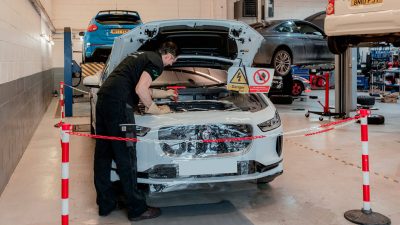
One of the biggest EV repair challenges is the shortage of trained technicians. EV systems are completely different from traditional internal combustion engine (ICE) vehicles.
Garages must invest in:
- EV certification programs
- Technician training
- Safety protocols for high-voltage systems
Without proper skills, handling EVs can be risky and inefficient.
3. Opportunity: Less Mechanical Wear, More Specialized Work
EVs have fewer moving parts compared to petrol or diesel vehicles. This reduces common repairs like oil changes and engine maintenance.
However, this shift opens doors for:
- Battery health analysis
- Electric motor servicing
- Advanced diagnostics
Garages can reposition themselves as high-tech service providers instead of basic repair shops.
4. Challenge: Expensive Equipment & Setup
Adapting to EV servicing requires significant investment. Garages need:
- Insulated tools
- Battery diagnostic systems
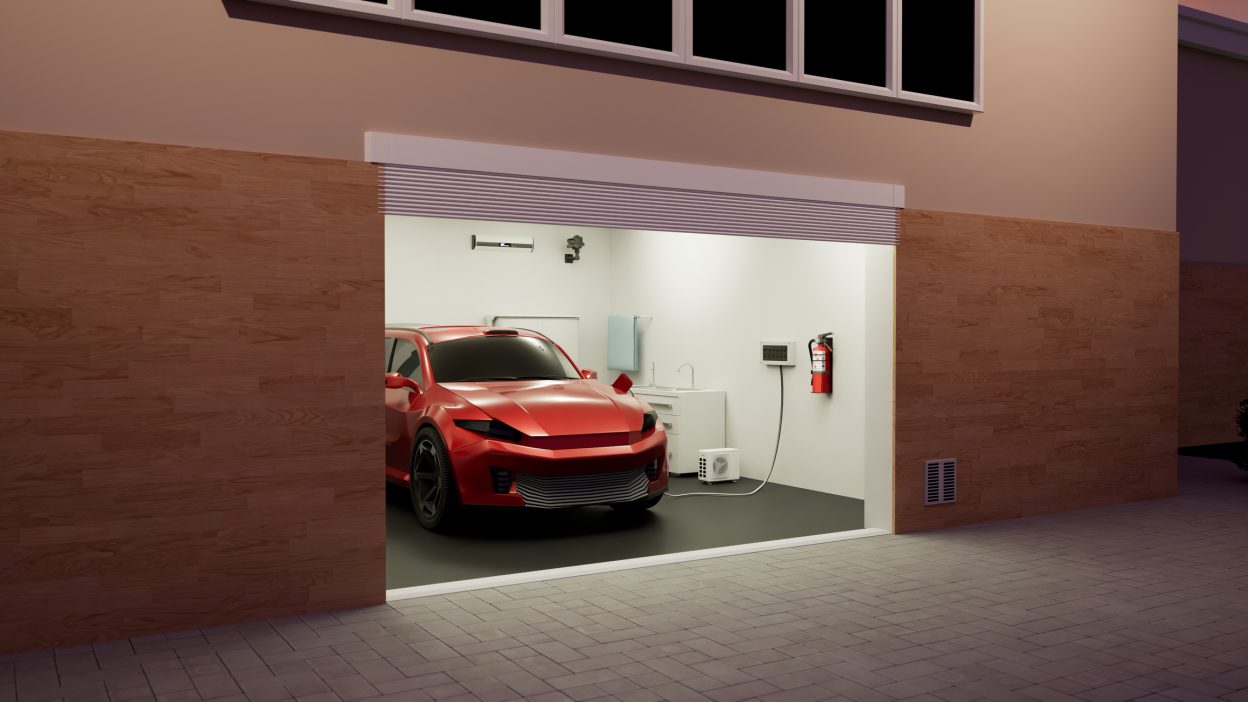
- Charging infrastructure
This initial cost can be a barrier, especially for small workshops. However, ignoring this shift could lead to long-term losses.
5. Opportunity: Rise of Software & Digital Solutions
Modern EVs rely heavily on software. This means garages must adopt electric cars impact on garages and diagnostic tools to stay competitive.
Using platforms like auto repair software can help:
- Manage EV service records
- Track battery performance
- Automate job cards and billing
Digital transformation is becoming a key driver of garage success.
6. Challenge: Reduced Regular Maintenance Revenue
Traditional garages rely heavily on recurring services like oil changes, engine tuning, and exhaust repairs. EVs eliminate many of these needs.
This leads to:
- Reduced walk-in customers
- Lower frequency of service visits
To survive, garages must shift their business model toward value-added services and specialized EV repairs.
7. Opportunity: New Revenue Streams
Despite challenges, EVs open up multiple new income opportunities, such as:
- EV charging station installation
- Battery replacement services
- EV conversion kits
- Software diagnostics
Forward-thinking garages can diversify their offerings and increase profitability.
Future of Garages in the EV Era
The electric cars impact on garages is both disruptive and transformative. Garages that adapt quickly will not only survive but thrive in this new landscape.
Key strategies for success in 2026:
- Invest in EV training and certification
- Upgrade tools and infrastructure
- Adopt digital garage management software
- Focus on customer education and trust
Final Thoughts
Electric vehicles are no longer a future trend—they are rapidly becoming the present, driven by companies like Tesla, Inc. and BYD Company, along with growing global adoption. For garages, this shift brings both disruption and opportunity.
electric cars impact on garages that relied heavily on internal combustion engine (ICE) services must now evolve. EVs have fewer moving parts, which reduces routine maintenance revenue, but they introduce new revenue streams such as battery diagnostics, software updates, high-voltage system repairs, and EV-specific inspections.
Garages that adapt early by investing in technician training, EV diagnostic tools, and modern workshop management systems will gain a competitive advantage. On the other hand, those that delay adaptation may struggle as customer demand shifts toward EV-ready service centers.
FAQs
1. How are electric cars affecting traditional garage businesses?
Electric cars reduce demand for oil changes, exhaust repairs, and engine servicing, but increase demand for battery diagnostics, software updates, and electrical system repairs.
2. What new services can garages offer for electric vehicles?
Garages can offer EV battery health checks, charging system repairs, high-voltage diagnostics, thermal system servicing, and EV inspections.
3. Do garages need special tools to service electric vehicles?
Yes. EV servicing requires insulated tools, high-voltage diagnostic equipment, battery lifting tools, and advanced scanning systems compatible with EV software.
4. Is EV repair more profitable than traditional car repair?
It can be. While EVs require fewer routine services, specialized repairs and diagnostics often come with higher labor rates and technical expertise premiums.