Managing vehicle repairs becomes difficult when a garage depends only on paper job cards. Customer complaints, inspection notes, repair details, technician updates, spare parts, and final charges all need to be recorded correctly. When this information is written manually, records can be lost, damaged, or difficult to find when needed.
A Digital Job Card for Garage provides a simple way to organize repair information in one place. Instead of moving paper from the service desk to the workshop and back again, the team can record and update important job details digitally.
A good digital repair process can help service advisors, technicians, garage owners, and customers. It can reduce repeated work, improve communication, and make it easier to understand the current status of every vehicle. In this guide, we will discuss five easy ways to manage repairs better with digital job cards.
Table of Contents
What Is a Digital Job Card?
A digital job card is an electronic version of the traditional paper job card used by garages and workshops. It can contain customer information, vehicle details, customer complaints, inspection findings, required services, technician notes, spare parts, labor charges, and repair status.
Instead of keeping this information on paper, the garage can store it digitally and access it when required. This makes it easier to follow a vehicle from check-in to repair completion and billing.
A Digital Job Card for Garage can also become part of a wider workshop workflow where appointments, inspections, inventory, billing, and service history are connected.
Why Digital Job Cards Are Useful for Garages
Paper job cards can work for small operations, but they become harder to manage when the number of vehicles increases. A busy garage may have many open repair jobs at the same time, making it difficult to keep every paper record updated.
A digital process helps keep information organized and easier to find. Service advisors can check the current job status, technicians can see the required work, and managers can get a better view of ongoing repairs.
A Digital Job Card for Garage can also reduce the need to enter the same information multiple times. Customer and vehicle details can be reused when preparing service records, estimates, and invoices.
5 Easy Ways to Manage Repairs
1. Record Customer Complaints Clearly
Every repair starts with a customer concern. The customer may report unusual noise, poor air conditioning, brake problems, starting issues, warning lights, or another vehicle problem.
The service advisor should record the complaint clearly before the vehicle goes to the technician. This gives the technician a better understanding of what needs to be checked.
With a Digital Job Card for Garage, customer complaints can be recorded directly in the repair record. This helps prevent information from being lost between the service desk and workshop floor.
Clear complaint records can also be useful later if the customer has questions about the repair or returns with a similar issue.
2. Add Inspection Findings Before Repair
A vehicle inspection can reveal problems beyond the customer’s original complaint. Technicians may identify worn tyres, brake issues, fluid leaks, damaged components, or other maintenance requirements.
These findings should be recorded before additional repair work is started. The service advisor can then explain the issue to the customer and request approval where necessary.
A digital job card can keep inspection findings connected with the original repair request. This makes it easier for the service team to understand why a particular repair or replacement has been recommended.
3. Track Technician Work and Repair Progress
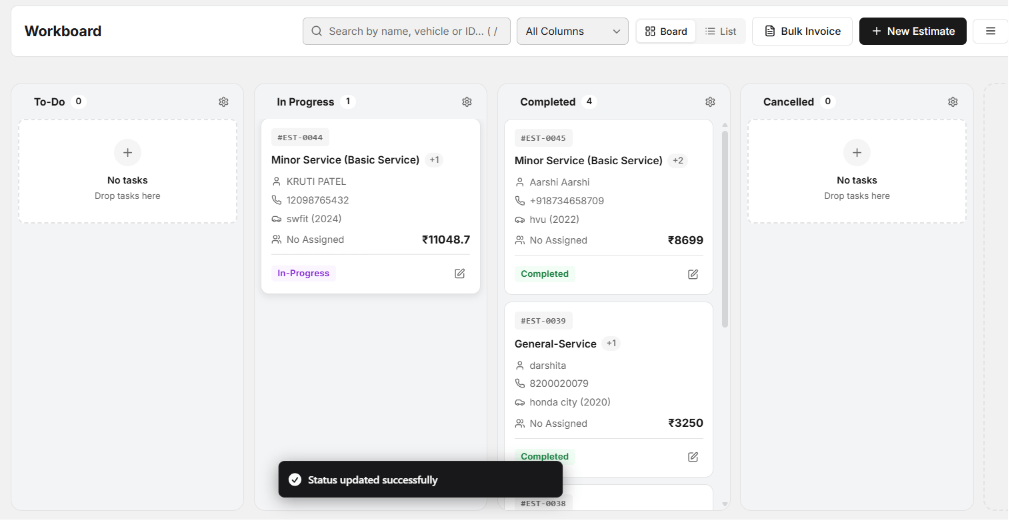
Once the repair begins, the workshop needs to know what has been completed and what is still pending. Without proper updates, service advisors may have to ask technicians for the latest information several times during the day.
A Digital Job Card for Garage can help technicians or service staff update the progress of a repair. The status can show whether the vehicle is waiting for inspection, under repair, waiting for parts, ready for testing, or completed.
This gives the service team a clearer view of the workshop workload and makes customer updates easier.
4. Record Spare Parts and Services Used
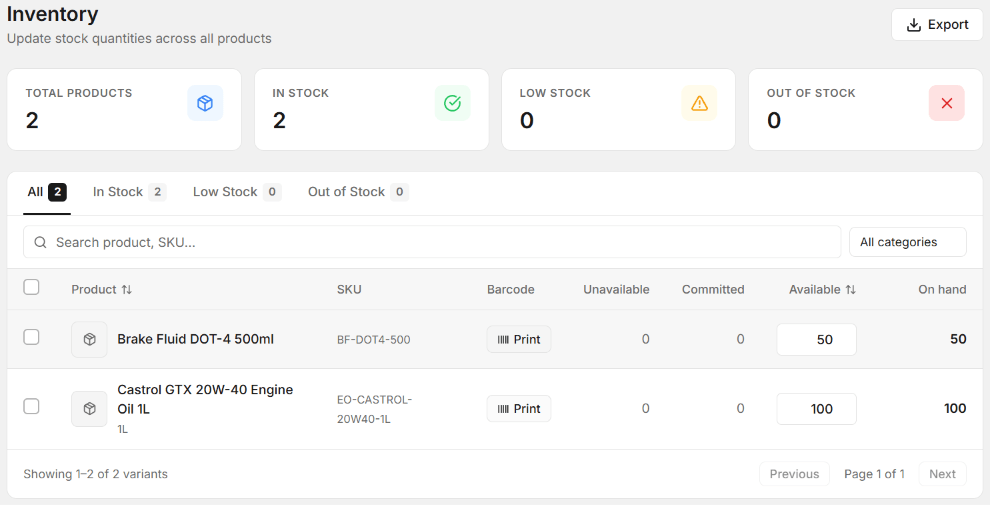
Many vehicle repairs require spare parts. The job record should clearly show which parts were used, how many were used, and which services were performed.
Keeping this information connected with the repair job can reduce repeated data entry. It can also help the billing team prepare an accurate invoice after the work is completed.
When parts information is connected with inventory, the garage can also keep better track of stock levels. This helps the team understand which products were used for a particular vehicle and which items may need to be reordered.
5. Connect the Job Card With Billing
Billing should be based on the work actually completed. A final invoice may include labor, services, spare parts, taxes, discounts, and other applicable charges.
If employees have to collect this information from different paper records, billing can take longer and mistakes can happen.
A Digital Job Card for Garage can make the transition from repair completion to billing easier. Service and parts information can be reviewed before preparing the final invoice.
This can reduce manual work and help customers receive a clear invoice without unnecessary waiting.
How Digital Job Cards Improve Workshop Communication
A garage usually has several people involved in one repair. The service advisor speaks with the customer, the technician performs the inspection and repair, the inventory team manages parts, and the billing team prepares the invoice.
When everyone depends on separate paper records, information can move slowly between employees. A digital job record gives the team a shared source of repair information.
The service advisor can check technician updates before talking to the customer. The technician can review the customer’s complaint, while the billing team can use completed job information when preparing the invoice.
This connected workflow can reduce confusion and make daily garage operations smoother.
Keep Customers Updated During Repairs
Customers want to know what is happening with their vehicle after they leave it at the garage. They may ask whether the inspection is complete, whether additional work is required, or when the vehicle will be ready.
When job information is updated properly, service advisors can provide more accurate answers. They do not need to depend only on memory or repeatedly ask technicians for information.
A clear repair status can also help the garage communicate delays. If a required part is not available or an additional problem is found, the customer can be informed before the repair timeline changes unexpectedly.
Benefits of Digital Job Card Management
- Less paper-based work
- Faster access to repair information
- Better technician communication
- Clearer customer complaints
- Better inspection records
- Easier spare parts tracking
- Faster invoice preparation
- Improved repair status tracking
- Better service history
- Reduced repeated data entry
These benefits can help garages create a more organized repair process. The team can spend less time searching for information and more time focusing on vehicle service and customer needs.
Keep Vehicle Service History Organized
A vehicle’s service history can become very useful when customers return to the garage. Previous job cards can show what repairs were completed, which parts were replaced, and what recommendations were made.
When this information is stored digitally, service advisors can review it quickly. Technicians can also use previous records when investigating recurring problems.
A Digital Job Card for Garage can therefore become more than a single repair record. Over time, multiple digital job cards can create a useful service history for each vehicle.
Reduce Errors in Repair Records
Manual data entry can create mistakes in customer names, vehicle numbers, part quantities, labor charges, or repair notes. Even a small error can create confusion later.
Digital records can help reduce these problems by using structured fields and existing customer or vehicle information. Employees can select or review information instead of writing everything from the beginning.
This does not remove the need for employees to check their work. A final review is still important before repair approval, billing, and vehicle delivery.
How AutoDots Can Help Modern Garages
AutoDots provides digital solutions designed to help automotive businesses organize important garage and workshop activities. Modern tools can help teams manage customer information, vehicle details, appointments, inspections, job cards, inventory, billing, and service history.
A Digital Job Card for Garage can be useful for businesses that want to reduce paper-based repair management and create a more connected workflow from vehicle check-in to final delivery.
Businesses interested in automotive technology and partnership opportunities can explore the AutoDots partner program to learn more.
For more automotive business guides, workshop tips, and useful technology information, visit the AutoDots blog.
Simple Tips for Better Job Card Management
Start by deciding what information every repair record should contain. Customer complaint, vehicle details, inspection findings, approved work, technician notes, parts used, and repair status are useful starting points.
Train employees to update job information at the correct time. A digital system is only useful when the information inside it is current and accurate.
Use simple repair statuses that employees can understand. Avoid unnecessary steps that make technicians spend more time entering information than working on vehicles.
Finally, review completed job cards regularly. This can help identify missing information and improve the workshop’s repair process over time.
Common Job Card Problems to Avoid
One common problem is creating a job card but not updating it during the repair. An outdated record can be just as difficult to use as a missing record.
Another issue is writing unclear technician notes. Notes should be short but informative enough for other employees to understand the work performed.
Garages should also avoid separating parts and billing information from the repair record. Keeping these details connected can reduce repeated work.
Finally, do not forget to maintain completed repair records. Previous job information can become valuable when a customer returns for another service.
Frequently Asked Questions
What is a Digital Job Card for Garage?
A Digital Job Card for Garage is an electronic repair record used to store customer complaints, vehicle details, inspection findings, technician notes, services, spare parts, repair progress, and other job information.
How does a digital job card help technicians?
It gives technicians organized information about the customer’s complaint, required work, inspection findings, and repair instructions. This can reduce confusion and make it easier to update job progress.
Can digital job cards help with billing?
Yes. When services, labor, and spare parts are recorded on the job, the billing team can review the completed work and prepare the final invoice more efficiently.
Can a digital job card store vehicle history?
Yes. Completed digital repair records can be maintained as part of the vehicle’s service history. This allows the garage to review previous work when the customer returns.
Are digital job cards useful for small garages?
Yes. Small garages can benefit from digital job cards by reducing paperwork, organizing repair information, improving communication, and making customer and vehicle records easier to access.
Conclusion
Managing repairs becomes easier when every important detail is recorded and available at the right time. Paper job cards can create challenges as a garage grows, especially when many vehicles are being repaired at the same time.
A Digital Job Card for Garage provides a practical way to organize customer complaints, inspection findings, technician updates, spare parts, repair status, and billing information. It can also help connect different members of the garage team and improve communication with customers.
The goal is simple: keep repair information organized, reduce repeated work, track every vehicle clearly, and make the service process easier from check-in to delivery. With a structured digital workflow, garages can improve efficiency and provide a more professional experience to their customers.