


Good customer communication is important for every automotive workshop. Customers want to know when their vehicle is ready, when a service is due, and whether they need to approve additional repairs. When a workshop forgets to follow up, customers may feel ignored or choose another garage next time. A clear reminder process can help prevent these problems.
customer job reminders help workshops stay connected with customers at the right time. They can remind customers about upcoming appointments, pending approvals, repair updates, and future maintenance. With a simple system, workshop teams can save time, reduce missed follow-ups, and provide a better customer experience.
In this blog, we will explore six smart ways to improve customer follow-ups and explain how digital tools can help your workshop build stronger customer relationships.
Table of Contents
Why Are Customer Follow-Ups Important?
Customer follow-ups are more than sending a message. They show customers that your workshop values their time and vehicle. A quick update can reduce confusion, build trust, and make customers feel comfortable asking questions.
Without a clear process, staff may forget to contact customers when the workshop gets busy. They may also lose track of vehicles waiting for approval or customers who need to book their next service.
Using customer job reminders can make communication more organised. Instead of relying only on memory, your team can follow a planned process for every customer and repair job.
6 Smart Ways to Improve Customer Follow-Ups
1. Send Appointment Reminders Before the Visit
Missed appointments can waste workshop time. A mechanic may be ready to start a job, but the customer does not arrive. This can affect the daily schedule and delay other repairs.
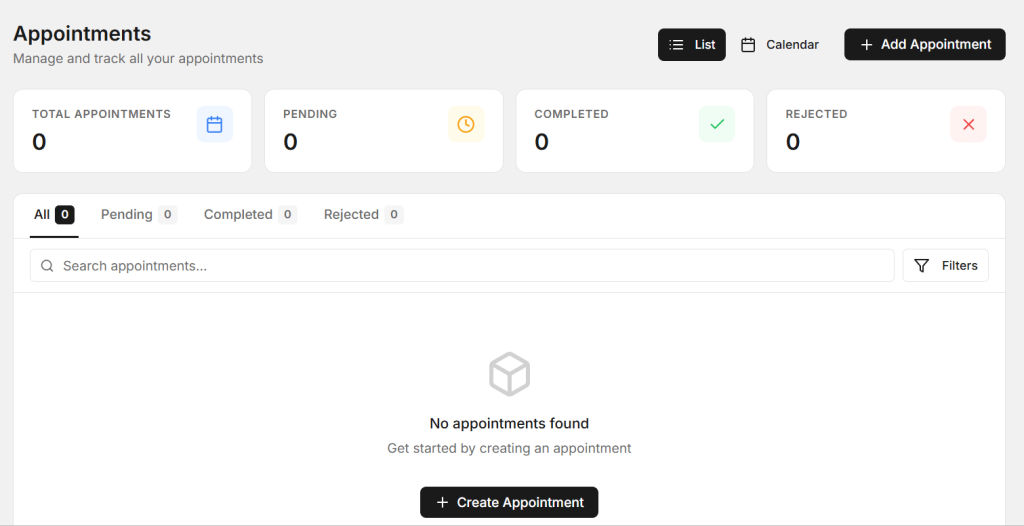
Sending a reminder before an appointment helps customers remember their booking. It also gives them time to confirm, reschedule, or ask questions about the service.
Your appointment reminder can include:
- Customer name and vehicle details.
- Appointment date and time.
- Type of service booked.
- Workshop address and contact number.
- Instructions for changing the appointment.
Choose a suitable time to send reminders, such as one day before the appointment. You can also send an earlier reminder for customers who booked their service several weeks in advance.
With customer job reminders, your staff can manage bookings more consistently and reduce the time spent calling customers one by one.
2. Keep Customers Updated During Repairs
Customers often feel worried when they leave their vehicles at a garage. They may want to know whether the mechanic has started the work, found another problem, or completed the repair.
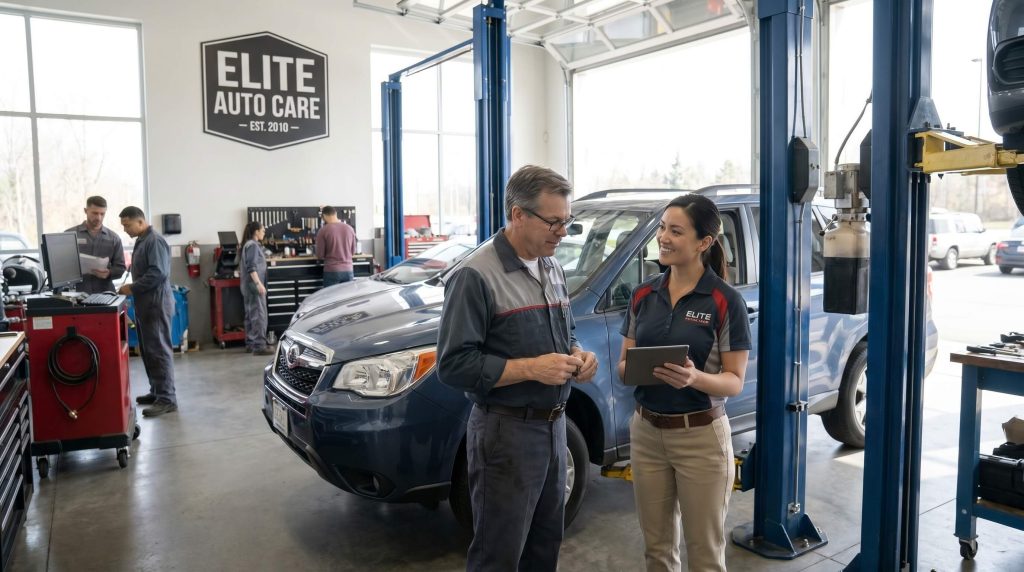
Regular repair updates help customers understand what is happening. Your team does not need to send a message after every small task. Instead, provide updates at important stages of the job.
For example, you can contact customers when:
- The vehicle inspection is complete.
- The mechanic has identified a repair issue.
- Additional parts are required.
- The repair is taking longer than expected.
- The vehicle is ready for collection.
Clear updates reduce repeated phone calls and help customers plan their day. They also make it easier to explain delays before customers become frustrated.
Organised customer job reminders help your team remember which customers need an update and when that update should be sent.
3. Follow Up on Pending Repair Approvals
Sometimes a mechanic discovers an additional problem during an inspection. The workshop may need customer approval before continuing with the work. If the customer does not respond quickly, the vehicle may remain in the workshop for longer than expected.
A follow-up process helps your team manage pending approvals without putting unnecessary pressure on customers.
When contacting a customer, explain the problem in simple language. Share the recommended repair, estimated cost, and possible effect of delaying the work. Give the customer a clear way to approve or decline the recommendation.
For example, a message could say that the mechanic found worn brake pads during inspection and needs approval before replacing them. The customer can then make an informed decision.
Set a reminder for jobs waiting for approval. If the customer does not respond within your normal follow-up period, contact them again politely. Always respect their decision and avoid sending too many messages.
4. Remind Customers About Future Maintenance
Many customers forget when their vehicle needs its next oil change, tyre inspection, brake check, or scheduled service. They may wait until a problem appears before visiting a workshop.
Future maintenance reminders help customers look after their vehicles and encourage repeat visits to your garage. They also help workshops maintain stronger relationships with existing customers.
To create useful reminders, record service details such as:
- Date of the last service.
- Type of maintenance completed.
- Recommended next service date.
- Vehicle mileage, when available.
- Any maintenance advice given by the mechanic.
Use the information available from the vehicle manufacturer and service history to plan suitable reminders. Do not send the same maintenance message to every customer because different vehicles have different needs.
Well-planned customer job reminders can help customers remember important service dates and give your workshop more opportunities to welcome returning customers.
5. Use One System to Track Every Follow-Up
When customer information is spread across notebooks, spreadsheets, phone messages, and paper job cards, important details can be missed. Staff may not know who has already been contacted or which customer still needs an update.

A central system makes follow-ups easier to manage. Your team can check customer details, vehicle information, repair progress, and communication history in one place.
Choose a process that helps you:
- Record customer contact details accurately.
- Connect reminders with the correct repair job.
- See which follow-ups are pending or completed.
- Assign follow-up tasks to the right staff member.
- Review customer communication when needed.
Digital tools can reduce dependence on memory and make responsibilities clearer. Staff can quickly identify what needs attention instead of searching through different records.
Using customer job reminders through a central workflow also helps managers understand whether follow-ups are happening on time.
6. Measure Results and Improve Your Process
Sending reminders is useful, but workshops should also check whether their communication process is working. Reviewing results helps you identify problems and make better decisions.
Start by tracking a few simple measures:
- Appointment attendance: Check how many customers arrive for scheduled visits.
- Approval response time: Measure how long customers take to respond to repair estimates.
- Follow-up completion: Review how many planned contacts are completed on time.
- Repeat bookings: Track whether customers return for future maintenance.
- Customer feedback: Ask whether updates are clear, timely, and helpful.
Review these results regularly with your team. If customers often miss appointments, test a different reminder schedule. If repair approvals take too long, make estimates easier to understand and give customers a simple way to respond.
Keep messages relevant and respect customer communication preferences. Make sure contact details are correct, and avoid sending unnecessary reminders. A helpful message should make the customer experience easier, not create extra frustration.
Common Mistakes to Avoid When Sending Reminders
Even a well-planned reminder process can fail when messages are unclear or sent at the wrong time. Avoid these common mistakes:
- Sending vague messages: Include enough information for customers to understand the reason for the reminder.
- Using incorrect details: Check names, vehicle information, appointment dates, and contact numbers.
- Sending too many messages: Create a sensible schedule and avoid repeated notifications without a reason.
- Ignoring customer replies: Make sure someone is responsible for responding to questions and approval requests.
- Failing to record communication: Update the job record so other team members know what has been discussed.
These small improvements can make your communication more professional and help customers feel confident about your service.
How AutoDots Can Help Your Workshop
Managing appointments, repair jobs, customer information, and follow-ups can become difficult as your workshop grows. A digital workshop management solution can help bring important daily activities into a more organised workflow.
AutoDots helps automotive businesses explore digital ways to manage workshop operations. Depending on the tools and features available in your setup, you can look for ways to organise customer and vehicle records, keep repair information accessible, and make follow-up tasks easier for your team to manage.
Before choosing a workflow, identify the main communication problems in your workshop. You may need better appointment tracking, clearer repair updates, or a more consistent way to follow up on pending approvals.
Explore the AutoDots partner program to learn more about working with AutoDots. You can also visit the AutoDots automotive blog for more information and ideas for improving workshop operations.
Frequently Asked Questions
What are customer job reminders?
Customer job reminders are planned messages or notifications that help a workshop follow up with customers about appointments, repair progress, pending approvals, vehicle collection, and future maintenance. They help staff communicate at the right time and reduce missed follow-ups.
How often should a workshop send reminders?
The timing depends on the reason for the message. An appointment reminder may be sent one day before a visit, while a repair update should be sent when there is meaningful progress. Future maintenance reminders should follow the vehicle’s service needs and the customer’s preferences.
Can reminders help reduce missed appointments?
Yes. Timely appointment reminders can help customers remember their bookings and give them an opportunity to reschedule. Workshops can monitor attendance over time to see whether their reminder process is improving results.
Should reminders be sent automatically?
Automation can save time for routine reminders, such as upcoming appointments or planned maintenance. However, messages about unexpected repair problems, sensitive discussions, or complicated estimates may need personal communication from a staff member.
How can a small garage improve follow-ups?
A small garage can start with a simple daily checklist, accurate customer records, and a clear schedule for contacting customers. As the workload grows, digital tools can help manage tasks and keep communication history organised.
Conclusion
Strong customer communication helps automotive workshops build trust, manage repair jobs, and encourage repeat business. Appointment reminders, repair updates, approval follow-ups, and future maintenance messages all play an important role in creating a better customer experience.
By using customer job reminders, keeping customer information organised, and reviewing follow-up results, your workshop can reduce missed tasks and communicate more consistently. Start with one or two improvements, train your team to follow the same process, and make changes based on customer feedback.
A reliable follow-up process does not need to be complicated. With clear messages, accurate records, and the right digital tools, your workshop can provide better service and build stronger relationships with customers over time.


