The automotive industry is changing, and modern garages need better ways to manage their daily work. Customers expect easy booking, quick service, clear repair updates, and professional invoices. At the same time, workshop owners need to manage technicians, spare parts, customer records, repair orders, and payments without unnecessary delays.
Automotive Workshop System Trends 2026 highlight how digital tools and smarter processes are helping garages improve their daily operations. From online appointments to digital job cards and inventory management, modern systems can help workshops save time, reduce manual work, and provide better customer service.
In this blog, we will explore eight important changes that workshop owners should understand in 2026 and how these changes can create new opportunities for automotive businesses.
Table of Contents
Why Modern Workshops Need Digital Systems in 2026
Traditional workshops often depend on paper registers, phone calls, spreadsheets, and manual records. These methods may work when a garage handles only a few vehicles each day. However, as the number of customers and repair jobs increases, managing everything manually becomes difficult.
Information can get lost, appointments can overlap, and spare parts may not be recorded correctly. These problems can affect productivity and customer satisfaction.
Digital systems help bring important workshop activities into a more organized process. Understanding Automotive Workshop System Trends 2026 can help garage owners choose practical solutions that support their business goals.

8 Key Automotive Workshop System Trends 2026
1. Cloud-Based Workshop Management
Cloud-based systems are becoming an important option for businesses that want flexible access to their information. Instead of keeping all workshop records on a single computer or in paper files, a cloud-based system can allow authorized users to access information through supported internet-connected devices.
Workshop owners can check important business information, while service advisors can manage customer records and repair jobs more efficiently. This can be helpful for businesses with multiple staff members or more than one location.
When choosing a cloud-based solution, workshops should check its security features, user permissions, backup options, and device compatibility.
2. Digital Job Cards and Repair Tracking
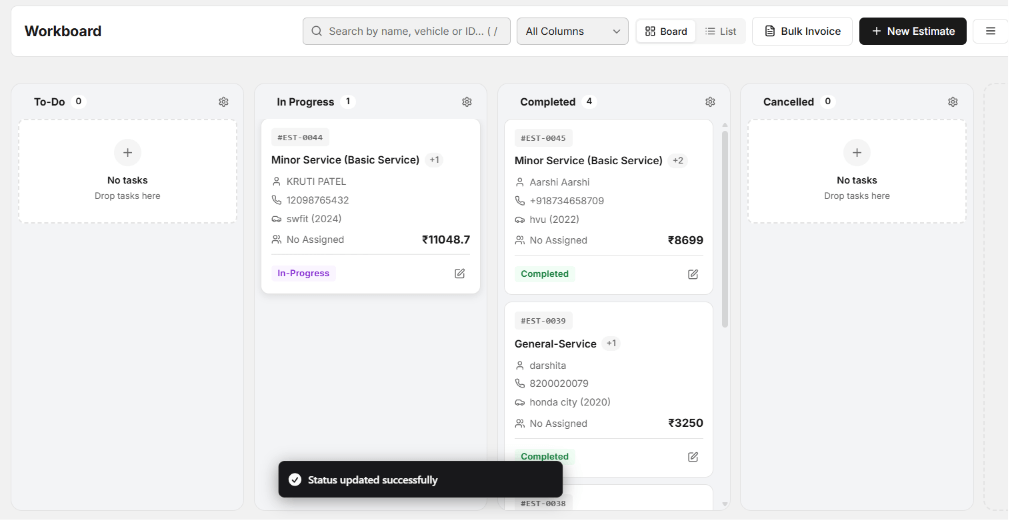
Job cards help technicians understand which repairs need to be completed on a vehicle. Paper job cards, however, can become difficult to track when many vehicles are being serviced at the same time.
Digital job cards allow workshop staff to record customer complaints, inspection details, required repairs, parts used, and job status in an organized way.
These records can help service advisors understand whether a vehicle is waiting for inspection, undergoing repairs, waiting for parts, or ready for delivery. Better visibility makes it easier to manage daily workloads and keep customers informed.
3. Online Appointment Booking
Customers increasingly value convenience when booking vehicle services. Many prefer to request an appointment online instead of calling a workshop during busy hours.

Online booking tools can help customers choose a service and request a suitable time. Workshop staff can use the booking information to plan technician availability and prepare for expected vehicle arrivals.
For busy garages, Automotive Workshop System Trends 2026 include a stronger focus on convenient booking and better scheduling. An organized appointment process can reduce confusion and make the customer experience smoother.
4. Smarter Spare Parts and Inventory Management
Spare parts are a major part of workshop operations. If an important filter, brake component, battery, or sensor is unavailable, a repair may take longer than expected.
Digital inventory tools can help workshops record incoming parts, monitor stock quantities, track parts used on repair jobs, and identify items that need reordering.
Workshop owners can also review which parts are used frequently and which products remain in storage for a long time. This information can support better purchasing decisions and help reduce unnecessary stock expenses.
5. Digital Estimates, Invoices, and Payments
Customers want to understand repair costs before approving work. A clear estimate helps explain labor charges, replacement parts, taxes, and the expected total cost.

Digital estimates make it easier to prepare and share this information. Once the repair is complete, digital invoices can provide a clear record of the work performed and the amount payable.
Digital payment options can also make checkout more convenient. For workshop owners, keeping estimates, invoices, and payment records organized can make it easier to review completed jobs and outstanding amounts.
6. Better Customer Communication
Good communication is essential for building customer trust. Vehicle owners want to know what is wrong with their vehicle, what repairs are needed, how much the work will cost, and when the vehicle will be ready.
Modern workshop systems can help staff keep customer details and repair information organized. Depending on the available features, workshops may also use digital messaging or reminders to provide service updates and notify customers about upcoming maintenance.
Clear communication can reduce repeated phone calls, avoid misunderstandings, and help customers feel more confident about the repair process.
7. Data-Based Workshop Decisions
Workshop owners make many decisions every day, including how to schedule technicians, which parts to order, and which services need more attention. Making these decisions without reliable information can lead to unnecessary costs or missed opportunities.
Reporting tools can help workshops review repair volumes, revenue, parts usage, customer visits, and other business information. These reports can highlight patterns that may not be easy to notice in daily work.
For example, a workshop may discover that certain services are requested frequently or that specific parts often run out of stock. Owners can use these insights to improve scheduling, purchasing, and service planning.
8. Mobile-Friendly Systems and Connected Workflows
Workshop owners and technicians spend much of their time moving around the garage. They may need to check repair details, speak with customers, inspect vehicles, or review job progress while away from a desk.
Mobile-friendly systems can make important information easier to access on supported devices. Connected workflows can also reduce the need to enter the same information into multiple records.
When customer details, repair jobs, inventory, and invoices work together, staff can spend less time on repetitive administration. This can make daily operations more efficient as the business grows.
Benefits of Following Automotive Workshop System Trends 2026
Modern workshop systems can support several important business goals. The exact benefits depend on the tools a garage selects and how consistently the team uses them.
- Less manual work: Digital records can reduce repeated paperwork and data entry.
- Better job tracking: Staff can check repair progress more easily.
- Improved stock control: Inventory records can help prevent avoidable shortages and duplicate purchases.
- Clearer communication: Organized customer information can support timely service updates.
- Better financial records: Digital estimates and invoices can make transactions easier to review.
- Stronger planning: Business reports can help owners make informed decisions.
These improvements can help workshops provide a more consistent customer experience while keeping daily tasks organized.
How to Choose the Right Workshop Management System
Not every garage needs the same features. A small independent workshop may mainly need appointment scheduling, customer records, and digital invoices. A larger service center may require technician management, inventory tracking, detailed reporting, and support for multiple locations.
Before choosing a system, workshop owners should identify their biggest problems. They should also check whether the software is easy to use, supports their daily workflow, protects business information, and offers the features they actually need.
Staff training is equally important. A useful system will deliver better results when employees understand how to create job cards, update repair status, record parts usage, and maintain accurate customer information.
How AutoDots Can Help Your Workshop
AutoDots offers digital solutions designed to support automotive businesses and workshop operations. Depending on the features available to the business, digital tools can help organize customer information, vehicle records, appointments, repair jobs, invoices, and inventory-related activities.
For garages exploring Automotive Workshop System Trends 2026, adopting a more organized digital workflow can be a practical step toward reducing paperwork and improving daily operations.
Visit the AutoDots partner program to learn more about opportunities for automotive businesses.
Common Mistakes to Avoid When Going Digital
Moving to a digital system can improve workshop management, but a few common mistakes can reduce its value.
- Choosing too many features: Start with tools that solve your actual business problems.
- Ignoring staff training: Make sure employees know how to use the system correctly.
- Keeping incomplete records: Update customer, vehicle, repair, and inventory information regularly.
- Ignoring data security: Review user permissions, password practices, and available backup options.
- Changing everything at once: Introduce new processes step by step to help staff adjust.
A practical approach makes it easier to adopt new tools without interrupting everyday workshop work.
How to Prepare Your Garage for the Future
Workshop owners can begin by reviewing how their garage currently handles bookings, repair orders, spare parts, customer updates, and payments. Identify which activities take the most time or create the most mistakes.
Next, select one or two processes to improve first. For example, a garage that regularly loses track of repair progress may begin with digital job cards. A workshop that often runs out of parts may prioritize inventory management.
Review the results after introducing each improvement. This helps the business understand what is working and where further changes are needed.
For more ideas about automotive business operations and workshop technology, explore the AutoDots automotive blog.
Frequently Asked Questions About Automotive Workshop System Trends 2026
What are Automotive Workshop System Trends 2026?
Automotive Workshop System Trends 2026 are changes in the way garages use digital tools and organized processes to manage their businesses. These include cloud-based systems, digital job cards, online bookings, inventory tracking, digital invoicing, customer communication, reporting, and mobile access.
Why should a small garage use workshop management software?
A small garage can use workshop management software to organize customer records, manage appointments, track repairs, and maintain better business records. The best option is one that fits the workshop’s size, budget, and daily needs.
Can a digital workshop system reduce paperwork?
Yes. Digital records can reduce the need for paper job cards, handwritten invoices, and separate manual registers. The amount of paperwork saved depends on the system’s features and how the workshop uses them.
Is cloud-based workshop software useful?
Cloud-based software can provide convenient access to workshop information from supported devices. Workshops should review internet requirements, security controls, backup arrangements, and access permissions before choosing a solution.
How can a workshop start using digital tools?
Start by identifying the biggest operational problem, such as appointment scheduling, repair tracking, inventory, or invoicing. Choose a suitable tool, train staff, and gradually expand digital processes as the team becomes comfortable.
Conclusion
Automotive workshops need organized processes to meet changing customer expectations and manage growing workloads. Digital booking, job cards, inventory tracking, electronic invoices, customer communication, and business reporting can help garages work more efficiently.
Automotive Workshop System Trends 2026 show why digital tools are becoming an important part of modern workshop management. The right system can help owners improve visibility, reduce avoidable mistakes, and create a smoother experience for customers and employees.
Workshops do not need to adopt every new technology immediately. By selecting practical tools, training their teams, and improving one process at a time, they can build a stronger foundation for long-term business growth.