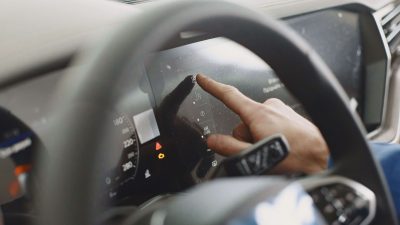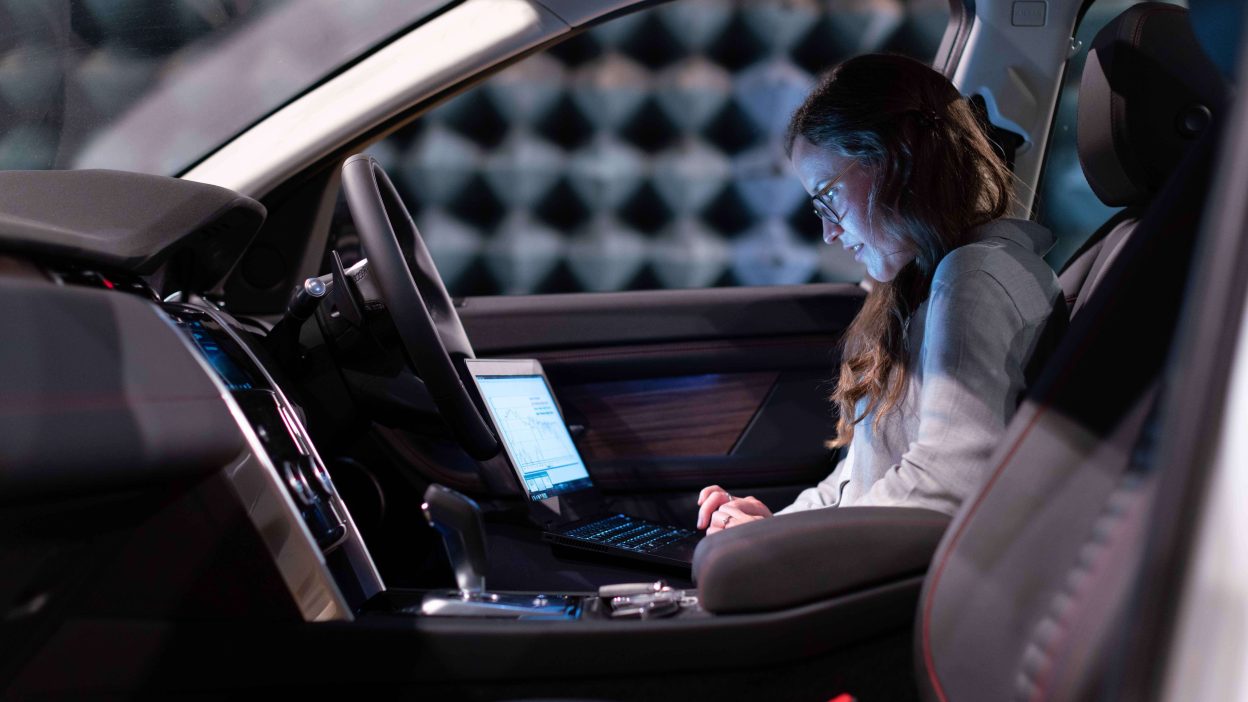
ADAS Calibration is quickly becoming one of the most profitable service opportunities in the automotive industry. As modern vehicles become increasingly equipped with advanced driver assistance systems, the need for proper calibration after repairs, windshield replacements, wheel alignments, and collision work continues to grow. Yet many independent workshops have not fully explored the revenue potential of this specialized service.
Vehicle manufacturers are integrating more cameras, sensors, radars, and safety technologies into their models every year. These systems rely on precise measurements and accurate calibration to function correctly. As a result, ADAS Calibration is no longer a niche service—it is becoming a critical part of modern vehicle maintenance and repair.
This guide explains why ADAS calibration is creating new opportunities for independent garages and how workshops can position themselves to benefit from this growing market in 2026 and beyond.
Table of Contents
What Is ADAS Calibration?
Before discussing the business opportunity, it is important to understand what ADAS Calibration involves. Advanced Driver Assistance Systems (ADAS) include technologies such as lane departure warnings, adaptive cruise control, automatic emergency braking, parking assistance, blind-spot monitoring, and collision avoidance systems.
These features depend on cameras, sensors, and radar components that must be accurately aligned. Whenever repairs affect vehicle geometry or sensor positioning, calibration may be required to ensure proper operation.
Accurate calibration helps maintain vehicle safety and system reliability.
Why ADAS Technology Is Growing Rapidly
The demand for ADAS Calibration is increasing because vehicle manufacturers are making safety technology standard across more models.
Consumers are actively seeking vehicles with advanced safety features, and governments in many regions are encouraging the adoption of technologies that improve road safety.
As more vehicles are equipped with ADAS features, calibration requirements will continue growing.
1. More Vehicles Require Calibration Services
One of the biggest reasons workshops should consider ADAS Calibration is the increasing number of vehicles equipped with advanced safety systems.
Many new cars now include multiple cameras and sensors as standard equipment. Even routine repairs can create situations where calibration becomes necessary.
This growing vehicle population creates a steady stream of service opportunities.
2. Windshield Replacements Often Require Calibration
A major driver of ADAS Calibration demand comes from windshield replacement work.
Many front-facing cameras are mounted near the windshield and may require recalibration after glass replacement to ensure accurate performance.
Garages that offer calibration services can capture additional revenue from these repair jobs.
3. Collision Repairs Create New Opportunities
Collision repair is another area where ADAS Calibration plays a crucial role.
Even minor impacts can affect sensor alignment and vehicle geometry, making recalibration necessary before returning a vehicle to the customer.
Workshops that provide these services can become valuable partners for body shops and repair centers.
4. Wheel Alignments Can Trigger Calibration Needs
Many workshop owners are surprised to learn that wheel alignment work can lead to ADAS Calibration requirements.
Changes in vehicle alignment may affect how certain safety systems interpret road conditions and positioning.
Proper calibration helps ensure systems continue operating as intended.
5. Higher Revenue Per Repair Order
One reason ADAS Calibration is attracting attention is its potential to increase revenue per job.
Adding calibration services to existing repair workflows can create additional billable work while improving overall service value.
Higher average repair order values can contribute directly to workshop profitability.
6. Differentiates Independent Garages
Offering ADAS Calibration can help independent workshops stand out from competitors.
Many local garages still focus primarily on traditional repairs and maintenance. By investing in modern capabilities, workshops can position themselves as advanced automotive service providers.
Differentiation often leads to stronger customer trust and market visibility.
7. Supports Long-Term Industry Trends
Industry experts expect ADAS Calibration demand to increase significantly over the next decade.
Vehicle technology is becoming more sophisticated, and manufacturers continue introducing new safety features that depend on accurate sensor performance.
Garages that prepare today can benefit from future demand growth.
8. Improves Customer Safety
Beyond profitability, ADAS Calibration plays an important role in vehicle safety.
Improperly calibrated systems may provide inaccurate information or fail to perform as expected during critical driving situations.
Providing accurate calibration services helps workshops deliver higher-quality repairs and better customer outcomes.
9. Creates Partnership Opportunities
Workshops offering ADAS Calibration can build partnerships with windshield replacement companies, collision repair centers, fleet operators, and automotive businesses that do not have calibration equipment.
These partnerships can create consistent referral opportunities and additional revenue streams.
Collaboration often strengthens long-term business growth.
10. Technology Improves Service Efficiency
Modern tools and software are helping garages manage ADAS Calibration services more efficiently.
Digital workflows, repair tracking systems, and electronic documentation help streamline operations while maintaining accuracy.
Technology enables workshops to deliver professional service experiences.
11. Early Adoption Creates Competitive Advantage
Perhaps the strongest business case for ADAS Calibration is the competitive advantage gained through early adoption.
As demand increases, workshops that already have trained technicians, established processes, and customer awareness will be better positioned than competitors that wait to invest.
Being prepared today can create significant long-term benefits.
How Autodots Helps Modern Workshops Manage Growth
As workshops expand into specialized services, Autodots helps streamline operations through digital job cards, appointment scheduling, workflow tracking, customer management, and automated service reminders.
The platform also includes SMS campaigns, email marketing, and WhatsApp communication tools that help garages keep customers informed throughout the repair process.
By digitizing workshop operations, businesses can manage increasing workloads while maintaining excellent customer experiences.
Challenges Garages Face When Offering Calibration Services
- Equipment investment requirements.
- Technician training needs.
- Space requirements for calibration procedures.
- Keeping up with evolving vehicle technology.
- Customer awareness challenges.
- Process standardization.
- Documentation requirements.
- Quality control management.
Understanding these challenges helps garages create a realistic implementation plan.
Benefits of Adding Calibration Services
- Higher revenue per repair order.
- Improved workshop profitability.
- Enhanced customer safety.
- Stronger market differentiation.
- Additional referral opportunities.
- Future-ready service capabilities.
- Better customer trust.
- Long-term business growth.
These advantages explain why more workshops are exploring advanced vehicle technology services.
Increase Your Workshop Visibility
Garages looking to attract more customers can join the Autodots Partner Program. The platform helps workshops improve visibility and connect with vehicle owners searching for trusted automotive service providers.
Greater visibility can lead to more inquiries, bookings, and growth opportunities.
Learn More About Automotive Industry Trends
For additional workshop management insights, automotive technology updates, and business growth strategies, visit the Autodots Blog.
Prepare for the Future of Vehicle Technology
The automotive industry continues evolving rapidly, and advanced safety systems are becoming standard equipment across more vehicle models.
Workshops that embrace new technologies and expand their service capabilities can position themselves for long-term success in a changing marketplace.
Frequently Asked Questions
What is ADAS calibration?
ADAS calibration is the process of aligning and configuring vehicle cameras, sensors, and radar systems to ensure advanced safety features function correctly.
When is calibration required?
Calibration may be required after windshield replacement, collision repairs, wheel alignments, suspension work, or sensor replacement.
Why is calibration important?
Proper calibration helps ensure advanced driver assistance systems operate accurately and safely.
Can independent garages offer calibration services?
Yes. With appropriate equipment, training, and processes, independent workshops can successfully provide calibration services.
Will demand for calibration services continue growing?
Industry trends indicate that calibration demand will increase as more vehicles adopt advanced safety technologies.
Conclusion
ADAS Calibration is emerging as one of the most valuable growth opportunities available to independent garages. As advanced safety systems become increasingly common, the need for accurate calibration services will continue expanding. Workshops that invest in training, equipment, digital workflows, and customer education can create new revenue streams while improving vehicle safety and customer satisfaction. By preparing today, garages can position themselves at the forefront of the next generation of automotive service.