The automotive repair market is changing quickly. Customers now expect faster service, easy booking, clear communication, digital invoices, and better repair updates. At the same time, many vehicle owners are keeping their cars for longer, which creates more demand for regular servicing, maintenance, and repairs.
Auto Repair Industry Growth is being supported by changes in customer behavior, vehicle technology, workshop management, and digital tools. Garages that understand these changes can improve their services, attract more customers, and build stronger long-term relationships.
Table of Contents
What Is Driving Auto Repair Industry Growth?
Many factors are helping the repair market grow. More vehicles are on the road, older vehicles need more maintenance, and customers are becoming more aware of preventive servicing. Modern vehicles also include more electronic systems, sensors, cameras, and computer-controlled parts.
These changes mean repair shops need to do more than simply fix vehicles. They need to provide a complete customer experience. A workshop that combines good repair work with organized operations can stand out from local competition.
9 Trends Supporting Auto Repair Industry Growth
1. More Demand for Vehicle Maintenance
Regular maintenance remains one of the biggest opportunities for repair businesses. Vehicles need oil changes, brake inspections, tyre services, battery checks, filter replacements, fluid checks, and many other services throughout their life.
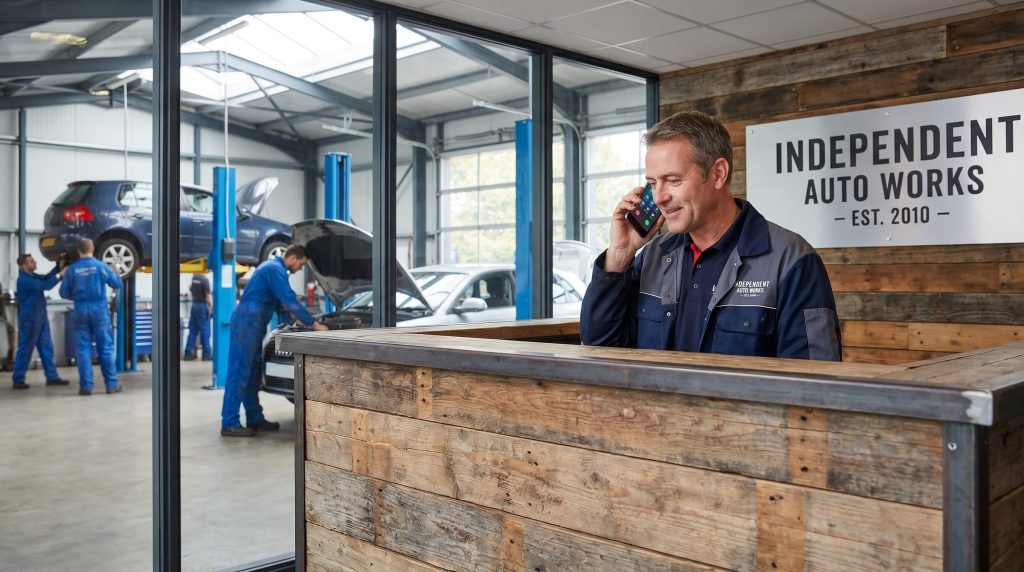
As vehicle ownership continues to increase in many markets, workshops can build steady revenue through maintenance packages and repeat service visits. Instead of waiting for a major breakdown, garages can encourage customers to follow regular maintenance schedules.
A good reminder system can help customers remember their next service date. This can also help a workshop bring customers back instead of losing them to competitors.
2. Older Vehicles Need More Repairs
Many vehicle owners are choosing to keep their existing cars for longer instead of replacing them quickly. Older vehicles generally need more repairs and replacement parts as they accumulate mileage.
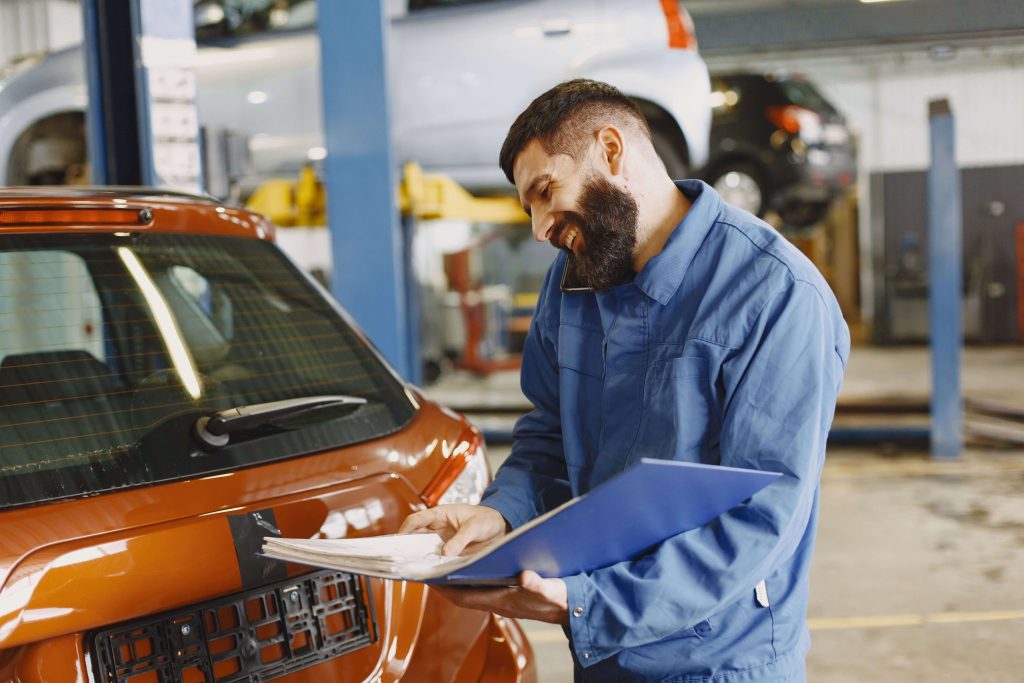
This creates a strong opportunity for independent garages. Workshops can offer inspection packages, repair plans, maintenance services, and replacement-part solutions for older vehicles.
For garages, Auto Repair Industry Growth is not only about getting new customers. It is also about serving existing vehicle owners throughout the full life of their vehicles.
3. Digital Booking Is Becoming Normal
Customers are becoming comfortable with booking services online. They may not want to call a workshop during working hours just to ask for an appointment.
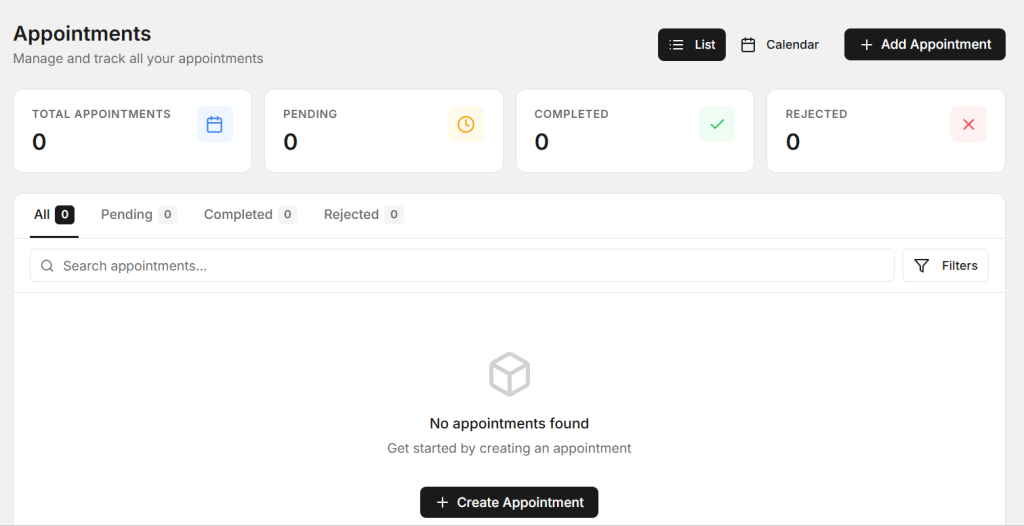
Online appointment booking makes the process easier. Customers can select a service, choose a suitable time, and provide basic vehicle information before visiting the garage.
For workshops, digital booking can reduce phone calls, prevent scheduling confusion, and make daily planning easier. It can also help staff see upcoming jobs before customers arrive.
4. Customers Want Better Repair Updates
Vehicle repair can sometimes take several hours or even days. Customers do not want to feel unsure about what is happening with their vehicle.
Regular updates can make a major difference. Workshops can inform customers when a vehicle has been inspected, when additional repairs are needed, when parts are ordered, and when the vehicle is ready.
Clear communication builds trust. Customers are also more likely to approve additional work when they understand why the repair is required and what it will cost.
5. EV and Hybrid Service Creates New Business
Electric and hybrid vehicles are becoming an important part of the automotive market. This creates new service opportunities for workshops that are ready to handle these vehicles.
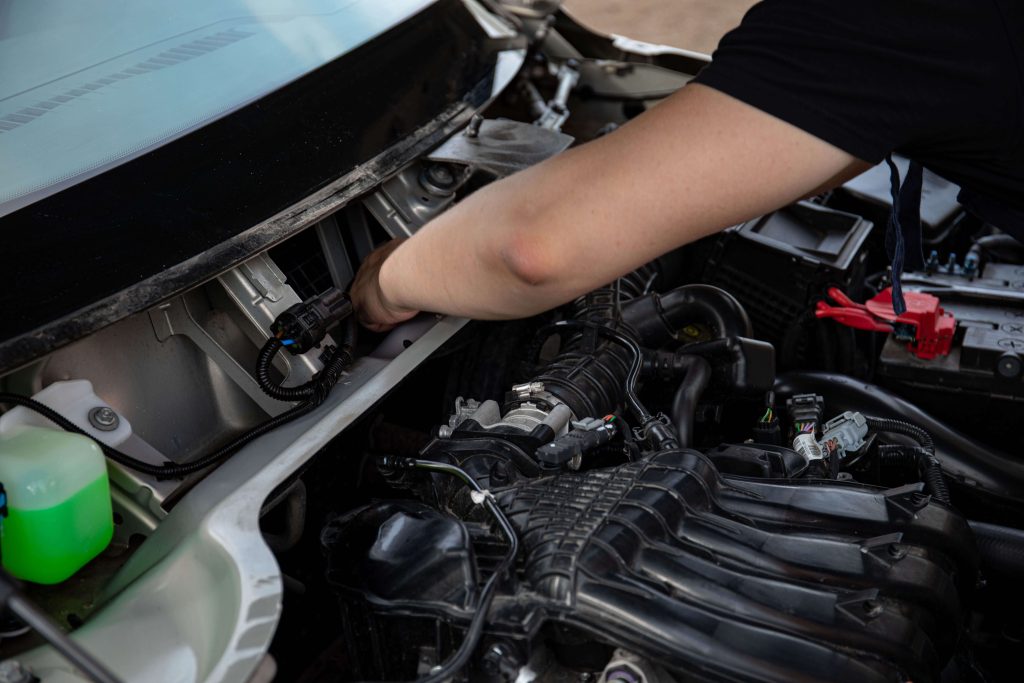
EVs may have fewer traditional engine components, but they still require tyre service, brake inspection, suspension work, cooling-system checks, electrical diagnostics, and other maintenance.
Workshops can invest in suitable training, tools, safety processes, and technician knowledge. Preparing early can help garages build an advantage as the number of electric and hybrid vehicles increases.
6. Advanced Diagnostics Are More Important
Modern vehicles use computers and electronic systems for many functions. A problem may involve sensors, electronic control units, wiring, communication systems, or software-related issues.
This makes vehicle diagnostics an important part of modern repair work. Workshops with proper diagnostic equipment and trained technicians can handle a wider range of jobs.
Better diagnostics can also reduce unnecessary part replacements. Finding the real cause of a problem before starting the repair can save time and improve customer satisfaction.
7. Better Parts and Inventory Management
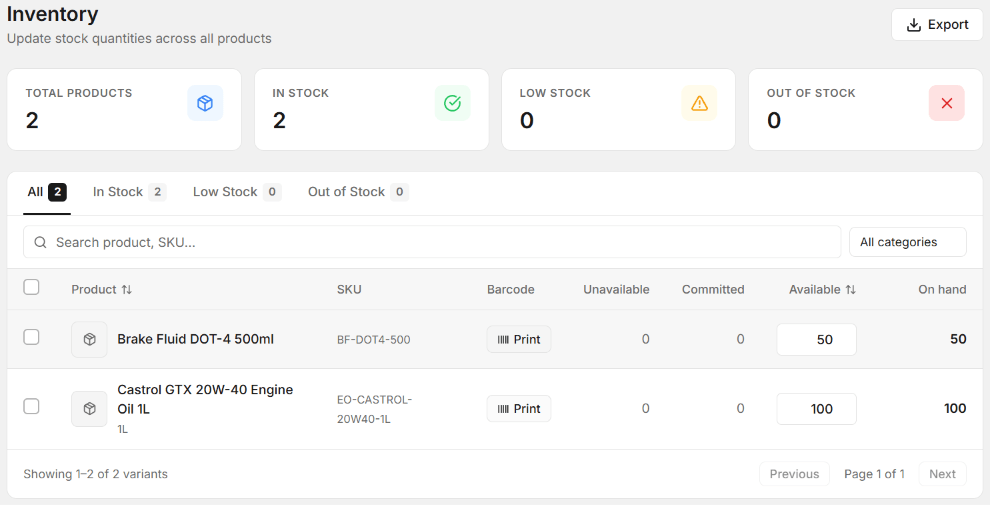
Parts availability has a direct impact on repair time. If a workshop cannot find the required part quickly, a vehicle may stay in the garage longer than expected.
Modern inventory management can help workshops track available parts, low-stock items, frequently used products, and parts linked to specific repair jobs.
As Auto Repair Industry Growth brings more repair orders, poor inventory control can make that growth difficult to manage. Organized stock processes help workshops support higher job volumes.
8. Digital Payments and Invoices Improve Customer Experience
Customers now expect simple payment options and clear invoices. A professional digital invoice can show labor charges, parts, taxes, discounts, and the final amount in an easy-to-understand format.
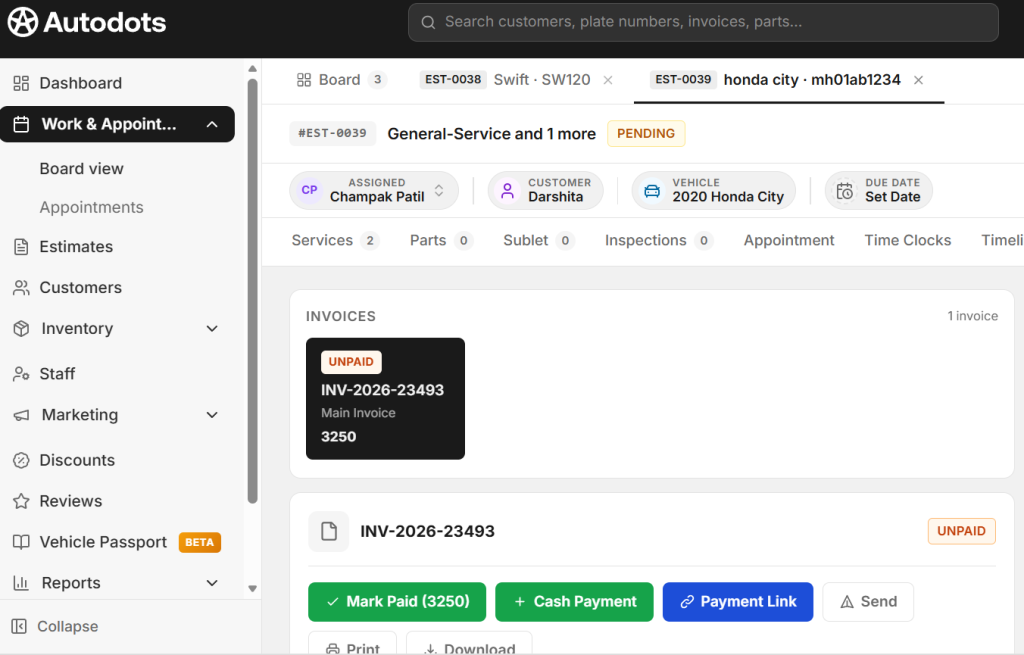
Digital payments can also make checkout faster. Customers can complete payments without depending only on cash or complicated manual processes.
When invoices and payments are connected with repair records, workshops can also maintain better financial information. This makes it easier to track completed jobs and outstanding payments.
9. Workshop Management Software Creates Efficiency
One of the biggest opportunities for modern garages is the use of workshop management software. Instead of keeping customer details, vehicle records, appointments, job cards, invoices, and inventory information in separate places, workshops can manage many activities through one system.
This can save staff time and reduce manual work. It can also make it easier to check the history of a vehicle and understand what work was completed during previous visits.
For businesses planning to benefit from Auto Repair Industry Growth, having a structured digital system can make it easier to manage increasing workloads while maintaining a good customer experience.
Why Auto Repair Industry Growth Matters for Independent Workshops
Large service centers may have bigger teams and more resources, but independent garages have an important advantage. They can often provide a more personal customer experience.
A local workshop can build strong relationships by remembering customer preferences, keeping accurate vehicle histories, giving honest repair recommendations, and providing regular updates.
The key is to combine personal service with modern processes. Technology should not replace good customer service. Instead, it should help technicians and service advisors spend less time on paperwork and more time serving customers.
How Workshops Can Prepare for Future Growth
Garages do not need to change everything at once. A practical approach is to identify the areas that create the most daily problems and improve them first.
- Start with digital appointment management.
- Keep complete customer and vehicle records.
- Use digital job cards for repair tracking.
- Improve parts and inventory control.
- Send regular repair updates to customers.
- Offer clear and professional invoices.
- Support convenient digital payment options.
- Train technicians for modern vehicle systems.
These small improvements can make a workshop more organized and ready to handle additional customers.
How AutoDots Can Help Your Workshop
AutoDots provides digital tools designed to help automotive businesses manage important workshop activities in one place. Garages can use technology to organize customer information, vehicle records, appointments, repair jobs, invoices, inventory, and other daily operations.
For workshops looking to take advantage of Auto Repair Industry Growth, having a structured digital system can make it easier to manage increasing workloads while maintaining a good customer experience.
Workshops can learn more about the AutoDots partner program and explore how digital solutions can support their business operations.
Common Mistakes Workshops Should Avoid
Growth can become difficult when a garage expands without improving its internal processes. One common mistake is depending completely on paper records. Paper can be lost, damaged, or difficult to search when a customer returns months later.
Another mistake is failing to communicate with customers. Even good repair work can lead to poor reviews if customers are not informed about delays or additional costs.
Workshops should also avoid ignoring staff training. Vehicle technology continues to change, so technicians need to keep learning and adapting to new systems.
Finally, garages should not adopt technology simply because it is popular. The right tools should solve real business problems and make daily work easier.
How to Turn Auto Repair Industry Growth Into Real Opportunities
The most successful workshops will focus on practical improvements. A garage can start by studying its current customer journey from booking to vehicle delivery.
Ask simple questions: How long does booking take? Can staff quickly find vehicle history? Are customers receiving repair updates? Can technicians see job details easily? Are parts tracked properly? Are invoices clear?
The answers can show where technology and better processes can create value. This approach allows workshops to improve step by step instead of making expensive changes without a clear purpose.
Keeping up with industry information can also help workshop owners understand changing customer expectations. The AutoDots automotive blog is another useful place to explore automotive business and workshop management topics.
Frequently Asked Questions
Is Auto Repair Industry Growth Still Growing?
Yes. Vehicle maintenance and repair remain important because vehicles need regular servicing throughout their usable life. Older vehicles, increasing vehicle ownership, new technologies, and changing customer expectations are creating new opportunities for repair businesses.
How can a small garage benefit from these trends?
A small garage can focus on better customer service, digital booking, accurate vehicle records, faster communication, professional invoices, and technician training. These improvements can help the workshop compete more effectively.
Will electric vehicles reduce repair opportunities?
Electric vehicles may reduce some traditional engine-related repairs, but they also create demand for new types of inspections, diagnostics, electrical work, tyres, brakes, suspension, cooling systems, and other services.
Why is digital technology important for workshops?
Digital technology can reduce manual work, organize information, improve communication, and help staff manage more repair jobs. It can also create a smoother experience for customers.
What should a workshop improve first?
Start with the process that causes the most problems. For many workshops, this may be appointment scheduling, customer records, job tracking, inventory, invoicing, or customer communication.
Conclusion
The automotive repair market is moving toward a more connected and customer-focused future. Workshops that understand new customer expectations, vehicle technology, digital payments, diagnostics, inventory needs, and service management can find many opportunities to grow.
Auto Repair Industry Growth is not only about having more vehicles on the road. It is also about how workshops respond to changing customer needs and modern automotive technology.
Garages that improve their processes, train their teams, use useful digital tools, and focus on customer trust can build a stronger business for the future. The goal is simple: make the workshop easier to manage, make repairs more organized, and give customers a better reason to return.