Running an auto repair workshop means handling many repair jobs at the same time. Every vehicle may have different problems, parts, technicians, costs, and delivery times. Without a clear process, it can become difficult to know what work has been completed and what still needs attention.
Repair Order Management Software can help workshops organize repair jobs from the moment a vehicle arrives until it is ready for the customer. It keeps important job information in one place and helps service advisors, technicians, and managers stay connected.
In this blog, we will look at seven smart ways to manage repair orders better. These simple ideas can help your workshop improve daily operations, reduce confusion, and provide a better customer experience.
Table of Contents
What Is Repair Order Management Software?
Repair Order Management Software is a digital tool that helps auto workshops create, organize, track, and complete repair orders. A repair order can include customer details, vehicle information, reported problems, inspection results, repair tasks, parts, technician notes, costs, approvals, and final billing information.
Instead of keeping these details across paper forms, spreadsheets, and separate messages, a digital system can keep the information connected to the repair job.
This makes it easier for your team to understand the current status of every vehicle. It can also help reduce mistakes caused by missing information or poor communication.

Why Better Repair Order Management Matters
A repair order is more than a simple list of repair tasks. It connects the customer, vehicle, technician, parts, service advisor, and invoice. If one part of the process is not handled correctly, it can affect the complete repair.
Good Repair Order Management Software helps create a clear workflow so your team can follow each job step by step.
- Keep repair information organized.
- Reduce manual paperwork.
- Track repair progress.
- Assign work to technicians.
- Manage parts and repair costs.
- Improve customer communication.
- Make final billing easier.
7 Smart Ways to Run Repairs Better
1. Create a Clear Repair Order for Every Vehicle
The first step is to create a proper repair order whenever a vehicle enters your workshop. Record the customer’s name, contact details, vehicle number, model, mileage, and reason for the visit.
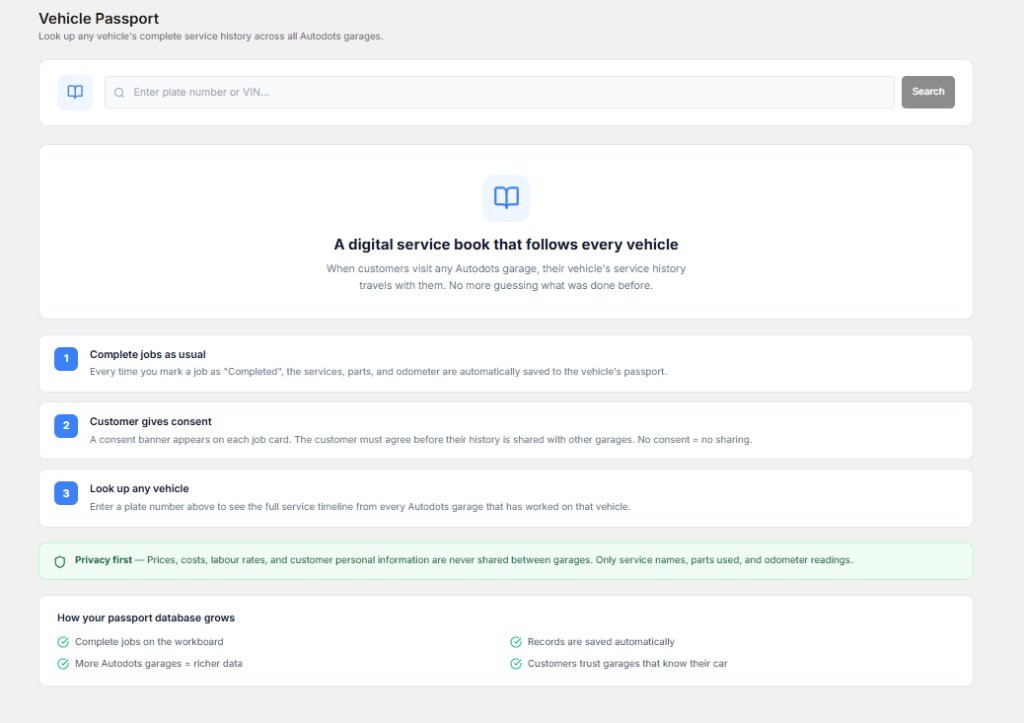
Also record the customer’s main concerns in simple and clear language. If the customer reports a strange noise, brake problem, warning light, or starting issue, make sure the concern is included in the repair order.
With Repair Order Management Software, your team can keep these details together instead of relying on handwritten notes. This gives the technician a better understanding of what needs to be checked.
2. Track Inspection and Repair Tasks
After receiving the vehicle, the technician usually needs to inspect it before starting the repair. The inspection may identify the main problem as well as other issues that need attention.
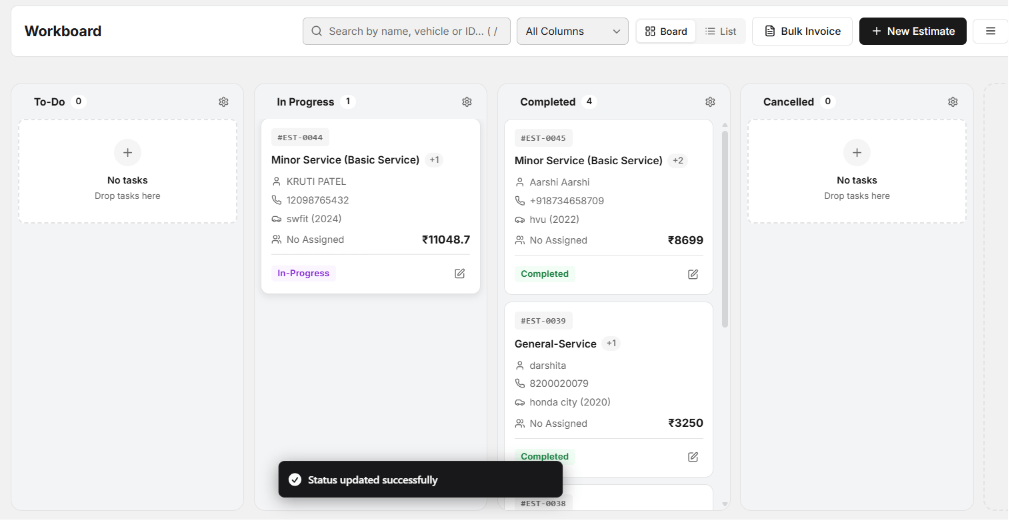
Record inspection findings directly against the repair order. This helps the service advisor explain the problem to the customer and makes it easier to create a clear list of recommended repairs.
Once the repair starts, mark completed tasks clearly. This allows your team to see what has already been done and what is still pending.
3. Assign Jobs to the Right Technician
Every repair order should have clear responsibility. Assigning a job to a technician helps the workshop understand who is currently handling the vehicle.
This is especially useful in busy garages where several technicians may be working on different vehicles. Managers can see which jobs are active and which technicians may have more work waiting.
Repair Order Management Software can make technician assignment easier by keeping job information connected with the assigned work. This reduces the need for repeated questions between the front desk and workshop floor.
4. Manage Customer Approval Properly
Sometimes the initial inspection finds additional repair work. Before starting extra work, the customer may need to understand the problem, estimated cost, and recommended solution.

Keep customer approval as a clear stage in the repair workflow. If a vehicle is waiting for approval, your service advisor should be able to identify it quickly and contact the customer.
This can prevent vehicles from sitting in the workshop for too long simply because an approval request was missed.
Clear approval records can also help avoid confusion about which repairs the customer agreed to complete.
5. Keep Parts and Costs Connected to the Job
Parts are an important part of most vehicle repairs. If a required part is unavailable, the repair may be delayed. The workshop should be able to see which parts are needed and whether they have been received.
Connect parts information with the repair order so staff can understand what has been requested, received, or used.
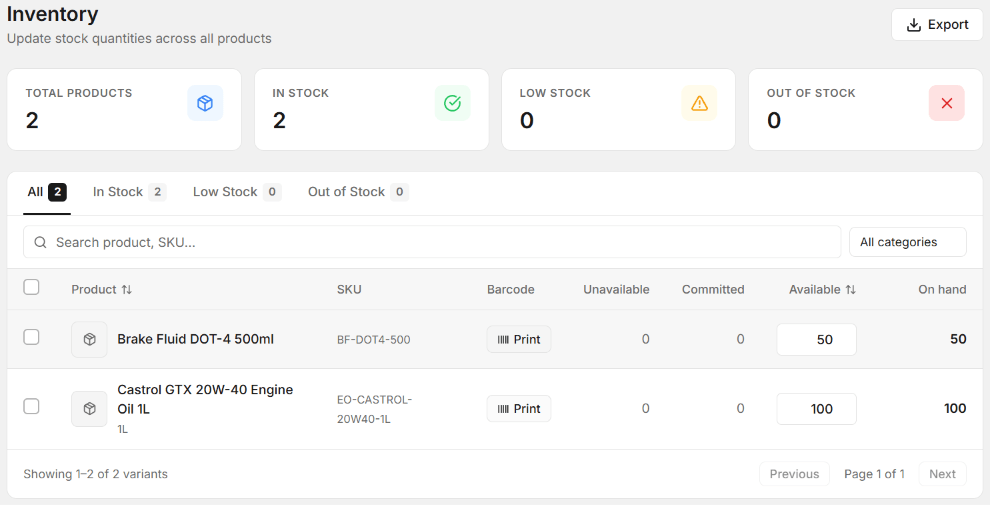
You can also keep repair costs organized by connecting labor, parts, and other applicable charges with the job. This makes it easier to prepare an accurate invoice when the repair is complete.
A well-organized Repair Order Management Software workflow can reduce the need to calculate or search for these details manually.
6. Keep Customers Updated During Repairs
Customers want to know what is happening with their vehicle. When there is no communication, they may call the workshop several times just to ask for an update.
A better process is to provide useful updates at important stages. You can inform customers when the inspection is complete, when additional work is recommended, when repairs begin, or when the vehicle is ready.
Clear communication can make customers feel more comfortable and can improve trust in your workshop.
When repair information is organized in one system, your service team can check the latest job status before speaking with the customer.
7. Complete Final Checks Before Delivery
The repair order should not end when the technician finishes the main repair. A final quality check can help confirm that the requested work has been completed.

Check that repair tasks are complete, required parts have been fitted, important notes have been reviewed, and the vehicle is ready for collection.
After the final check, update the repair order and prepare the final invoice. This gives the service advisor a clear view of the completed job before handing the vehicle back to the customer.
Repair Order Management Software can help keep these final steps organized so completed vehicles do not get mixed with jobs that still need attention.
Benefits of a Digital Repair Order Process
A digital repair workflow can improve more than just record keeping. It can help your entire team work with the same information.
Service advisors can find customer and vehicle details faster. Technicians can see assigned repair tasks and notes. Managers can get a clearer view of jobs that are active, delayed, or completed.
- Less paperwork and manual data entry.
- Better visibility into repair progress.
- Easier technician coordination.
- Clearer customer approval records.
- Better parts and cost tracking.
- More organized invoicing.
- Improved customer communication.
How to Keep Your Repair Workflow Simple
Your repair management process should be easy for every employee to understand. If the workflow has too many complicated steps, staff may avoid updating it correctly.
Start with a simple process: vehicle check-in, inspection, estimate, customer approval, repair, quality check, invoice, and delivery. Add extra steps only when they provide real value to your workshop.
Make sure staff update job information when something important changes. A repair tracking system is only useful when the information is kept current.
How AutoDots Can Help Your Workshop
AutoDots helps automotive businesses manage important workshop activities through digital tools. Your team can organize customer information, vehicles, appointments, repair work, job cards, invoices, and other daily workshop activities in a more connected workflow.
Using Repair Order Management Software as part of your workshop process can help your team keep repair information organized from vehicle check-in to final delivery.
If you want to explore opportunities for your automotive business, visit the AutoDots partner program. You can also find more useful workshop guides, automotive tips, and business ideas on the AutoDots automotive blog.
Common Repair Order Mistakes to Avoid
One common mistake is creating incomplete repair orders. Missing vehicle details, customer concerns, or technician notes can make the repair process harder.
Another mistake is failing to update the order when the repair status changes. If the system says that a vehicle is waiting for inspection even though the technician has already started work, other staff members may get incorrect information.
Workshops should also avoid adding extra repairs without proper customer communication. Customers should understand recommended work and related costs before additional work is started when approval is required.
Finally, do not forget the final quality check. A repair order should clearly show that the vehicle has been checked and is ready for delivery.
Frequently Asked Questions
What is a repair order in an auto workshop?
A repair order is a record of the work requested and performed on a vehicle. It can include customer details, vehicle information, inspection results, repair tasks, parts, labor, approvals, and billing details.
How can repair order software help a garage?
It can help organize repair information, track job progress, assign technicians, manage parts and costs, record approvals, and make customer communication easier.
Can small garages use digital repair order management?
Yes. Small garages can use a simple digital workflow to replace scattered paper records and keep customer, vehicle, and repair information organized.
Why should customer approval be recorded?
Recording customer approval helps the workshop keep a clear record of which additional repairs the customer agreed to. It can reduce misunderstandings about repair work and costs.
Does repair order software help with invoicing?
Yes. When parts, labor, and completed repair tasks are connected to the repair order, it can make the final invoice process more organized and reduce manual work.
Conclusion
Managing repair jobs properly is essential for a smooth and professional auto workshop. When customer details, inspection results, technician work, parts, approvals, and billing are kept in separate places, mistakes and delays can become more common.
Repair Order Management Software can help bring these activities into one organized workflow. By creating clear repair orders, tracking inspection tasks, assigning technicians, managing customer approvals, connecting parts and costs, keeping customers updated, and completing final quality checks, your workshop can run repairs more efficiently.
The best approach is to keep the process simple and consistent. When every team member follows the same repair workflow, it becomes easier to understand the status of every vehicle and provide a better experience for customers.