
Running a modern workshop involves much more than repairing vehicles. Garage owners and service advisors need to manage customers, vehicle details, appointments, job cards, inspections, spare parts, estimates, invoices, payments, and daily workshop tasks. When all these activities are managed using paper files or separate tools, it can become difficult to keep everything organized.
Web-Based Garage Management gives workshops a simple way to manage important activities through an online system. Instead of keeping information in different places, the team can access connected workshop information from a web-based platform.
This approach can help reduce paperwork, save time, improve communication, and make daily workshop operations easier to manage. In this guide, we will look at six smart ways a web-based system can help you run your workshop more efficiently.
Table of Contents
What Is Web-Based Garage Management?
Web-based garage management means using an online software platform to manage the main activities of an automotive workshop. The system can help organize customer records, vehicles, appointments, repair jobs, parts, estimates, invoices, and payments in one place.
Web-Based Garage Management is useful because workshop information can be accessed through an internet-connected device, depending on the software and user permissions. This gives workshop owners and staff more flexibility compared with systems that depend only on one computer.
Instead of searching through paper files or different spreadsheets, employees can use one organized system to find the information they need.

6 Smart Ways to Run Your Workshop Better
1. Manage Customer and Vehicle Information in One Place
Every repair starts with a customer and a vehicle. The workshop needs accurate information before creating a repair job. This may include the customer’s name, contact details, vehicle registration, model, mileage, and previous service information.
When these details are stored on paper, finding them during a busy day can take time. Employees may also enter the same information again when creating a job card or invoice.
With Web-Based Garage Management, customer and vehicle information can be kept in organized digital records. When a customer returns, the team can find the existing vehicle record and continue the service process.

This can reduce repeated data entry and help service advisors spend more time communicating with customers.
2. Make Appointment Management Easier
Appointments help workshops plan their daily workload. Without a clear appointment system, several customers may arrive at the same time while other periods remain less busy.
A digital appointment process can help the team see upcoming bookings and understand what services customers have requested.
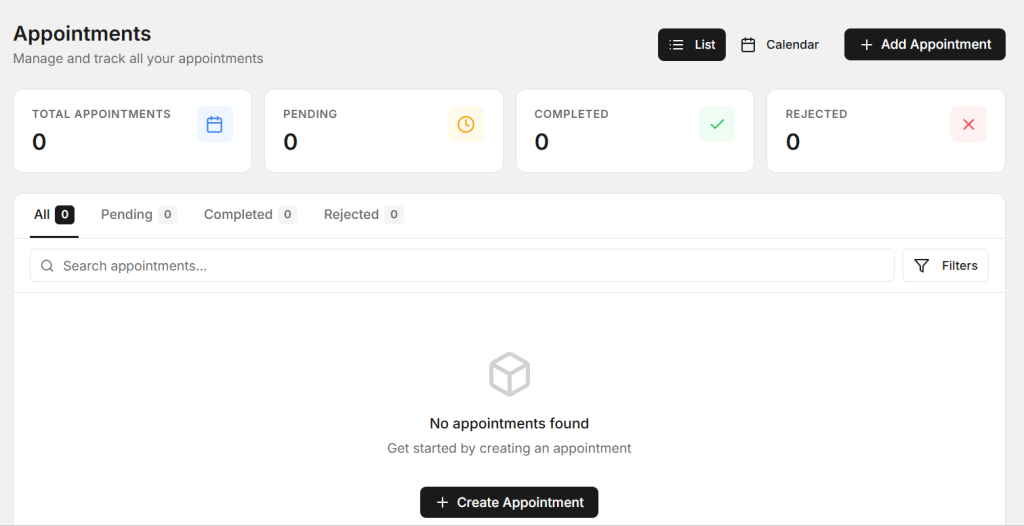
Web-Based Garage Management can help keep appointment information connected with customer and vehicle records. This means the service advisor can review the customer’s information before the vehicle arrives.
Better appointment planning can also help the workshop prepare technicians, service bays, and required parts in advance.
For customers, an organized booking process can make it easier to request a service and understand when they should bring their vehicle to the workshop.
3. Track Repair Jobs From Start to Finish
A repair job usually passes through several stages. The customer explains the problem, the vehicle is inspected, an estimate may be prepared, the customer approves the work, and the technician completes the repair.
If these steps are recorded separately, employees may have difficulty knowing the current status of a vehicle.
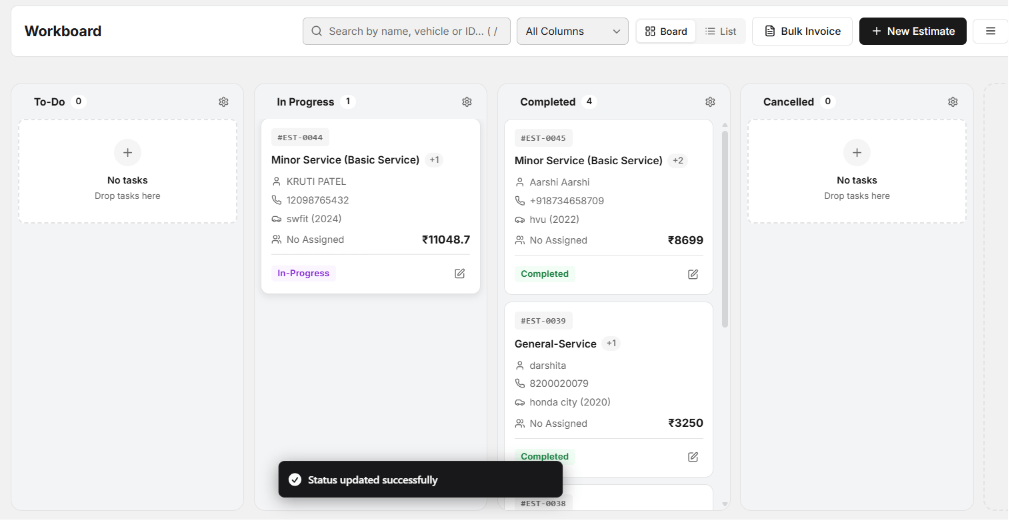
Web-Based Garage Management can help connect job cards, inspection details, estimates, repair updates, parts, and labor information.
This gives the team a clearer view of each repair. Service advisors can check the job status and communicate with customers without searching through different files.
A connected job workflow can also help reduce missed information. When a technician records the work performed, the service advisor can use those details during the next stage of the process.
4. Keep Spare Parts and Stock Under Control
Spare parts are an important part of workshop operations. A repair may be delayed if the required part is not available when the technician needs it.
Manual stock records can make it difficult to know which parts are available, which parts have been used, and which items need to be ordered.
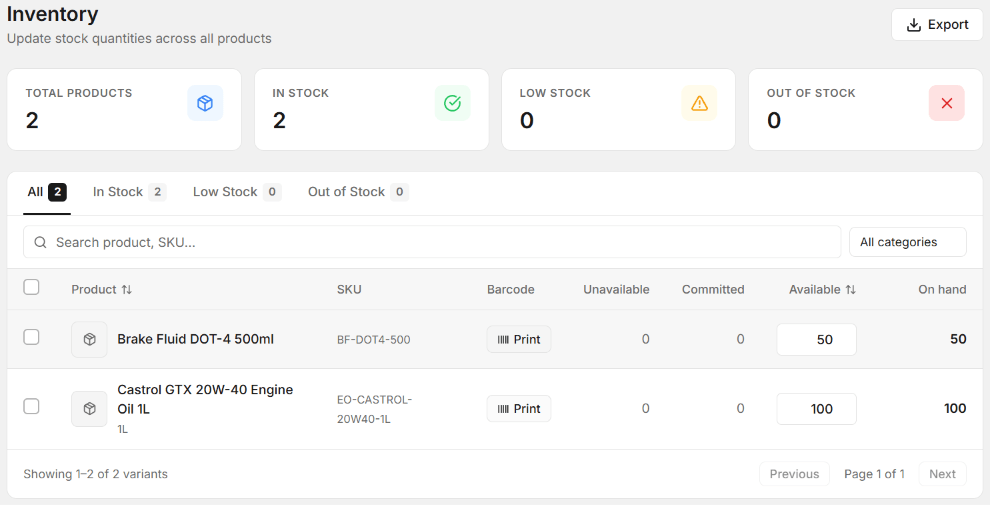
Using Web-Based Garage Management can help workshops keep parts information connected with repair jobs and stock records, depending on the features of the system.
When a part is used for a repair, the team can record it against the relevant job. This can provide a clearer picture of parts usage and help the workshop identify frequently used items.
Better stock visibility can help reduce unnecessary purchases while also lowering the risk of running out of important parts.
5. Simplify Estimates and Invoices
Billing is another area where workshops can lose time. A repair may include multiple parts, labor charges, services, taxes, discounts, and other approved work.
Creating estimates and invoices manually can require repeated calculations and data entry.
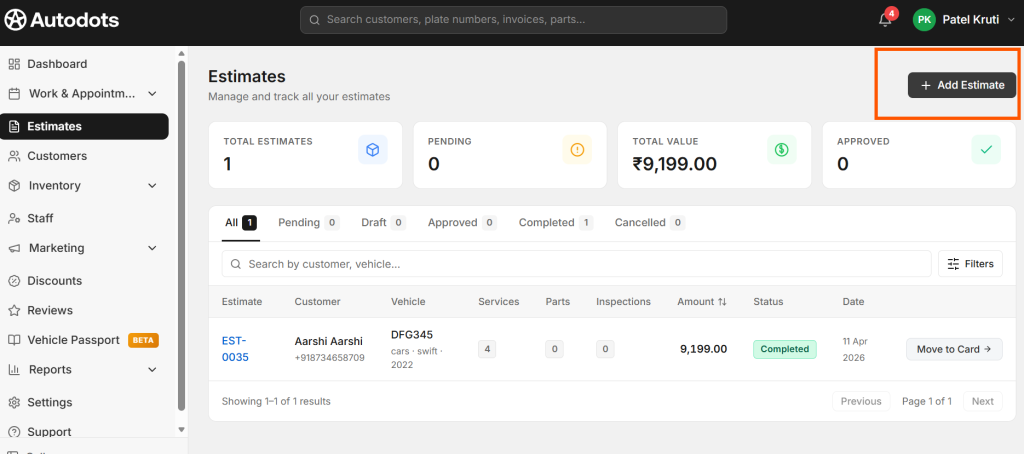
Web-Based Garage Management can help connect estimates and invoices with the related repair job. Instead of entering customer, vehicle, parts, and labor details again, the service advisor can review information already recorded in the system.
A simple workflow can be:
- Create the repair job.
- Record inspection findings.
- Add recommended parts and services.
- Prepare the estimate.
- Get customer approval.
- Complete the repair.
- Review actual parts and labor.
- Prepare the final invoice.
- Record the payment.
This process can make billing more organized and help the team move from repair completion to vehicle delivery more quickly.
6. Improve Access to Workshop Information
One major advantage of an online system is easier access to workshop information. Garage owners and managers may need to check business activity even when they are not sitting at the service desk.
Web-Based Garage Management can provide access to important workshop information through supported devices and user accounts. The exact access and features depend on the software being used.

For example, a manager may need to review upcoming appointments, open repair jobs, customer information, or invoice activity. Having this information in one system can make it easier to understand what is happening in the workshop.
It can also support better teamwork because authorized employees can work with the same information instead of maintaining separate records.
Why a Web-Based Workshop System Can Be Useful
A digital workshop system can simplify many daily tasks. Instead of depending heavily on paper documents, employees can use organized digital records.
- Less paperwork
- Faster access to customer information
- Better vehicle record management
- Easier appointment tracking
- More organized repair jobs
- Better parts tracking
- Simpler estimate preparation
- Faster invoice creation
- Easier payment tracking
- Improved team coordination
These benefits can become more valuable as the workshop grows and handles more vehicles each day.
Make Your Workshop Workflow Simple
Technology works best when the workshop also follows a clear process. Before using any software, identify the main steps your team follows from customer arrival to vehicle delivery.
Try to keep the process simple. Customer information should be recorded once and reused where possible. Technicians should update repair information while working. Service advisors should keep estimates and invoices connected to the correct job.
With Web-Based Garage Management, these steps can be organized into a more connected workflow instead of being handled through separate paper documents.
The goal is not to add more work for employees. The goal is to remove unnecessary work and make important information easier to access.
Improve Customer Communication
Customers want to know what is happening with their vehicle. They may ask whether the inspection is complete, whether the repair has started, what additional work is required, or when the vehicle will be ready.
When repair information is organized digitally, service advisors can find job details more quickly and provide clearer updates.
A connected system can also help the workshop keep customer and vehicle information together. This can make conversations more useful because the employee has the relevant repair details available.
Clear communication can improve the customer experience and reduce unnecessary calls or confusion.
How AutoDots Can Help Your Workshop
AutoDots provides digital tools designed to help automotive businesses manage important workshop activities. These can include customer management, vehicle records, appointments, job cards, inspections, spare parts, estimates, invoices, payments, and other daily workshop operations.
Web-Based Garage Management can help bring these activities into a connected digital workflow. Instead of keeping separate records for every stage, a workshop can manage related information through one platform.
For example, a workshop can create a customer and vehicle record, schedule an appointment, open a job card, add inspection findings, prepare an estimate, record approved work, track parts and labor, create an invoice, and record payment.
This can help the team manage the complete repair journey in a more organized way.
If you are interested in automotive business partnerships, explore the AutoDots partner program.
For more useful guides about garage management, automotive technology, and workshop operations, visit the AutoDots blog.
Tips for Moving From Paper to Digital
If your workshop still depends on paper records, you do not need to change everything immediately. Start with one important process, such as customer records, job cards, estimates, or invoices.
Train your team to use the same process every time. Make sure customer and vehicle details are entered correctly and that employees update repair information as the job progresses.
After the team becomes comfortable with the digital workflow, you can move more workshop activities into the system.
It is also important to review user access and make sure only authorized employees can view or change sensitive business information.
Common Mistakes to Avoid
One common mistake is using digital software but continuing to maintain separate paper records for everything. This can create duplicate work and make it difficult to know which record is correct.
Another mistake is entering incomplete customer or vehicle information. Accurate records are important because they support later stages such as repair tracking and billing.
Workshops should also avoid using complicated processes that employees find difficult to follow. Choose a simple workflow and train the team properly.
Finally, digital information should be reviewed regularly. Correct errors when they are found and keep important records organized.
Frequently Asked Questions
What is Web-Based Garage Management?
Web-Based Garage Management is the use of an online software system to manage workshop activities such as customers, vehicles, appointments, repairs, parts, estimates, invoices, and payments.
Can small garages use a web-based system?
Yes. Small garages can use digital workshop systems to organize customer records, repair jobs, billing, and other daily tasks. A simple system can also help the business manage more work as it grows.
Can a web-based system manage repair jobs?
Yes. Depending on the software, a workshop can create job cards, record inspection findings, track repairs, add parts and labor, and follow the status of a vehicle.
Can it help with workshop billing?
Yes. A connected system can help workshops prepare estimates, create invoices, track parts and labor, and record payments as part of the repair workflow.
Does web-based software reduce paperwork?
It can reduce the need for paper-based records by storing customer, vehicle, repair, estimate, invoice, and payment information digitally.
Can workshop owners access information remotely?
Depending on the software and its access settings, authorized users may be able to access workshop information through supported internet-connected devices.
Conclusion
Running a workshop becomes easier when important information is organized and connected. Customer records, appointments, job cards, inspections, spare parts, estimates, invoices, and payments should work together instead of being managed as separate tasks.
Web-Based Garage Management can help workshops create a more organized digital workflow. The six key improvements are managing customer and vehicle information in one place, improving appointment management, tracking repair jobs, controlling spare parts, simplifying estimates and invoices, and making workshop information easier to access.
The goal is simple: reduce unnecessary paperwork, save time, improve communication, and give your team a clearer view of daily workshop activity.
Whether you run a small garage or a growing workshop, moving important processes to a connected digital system can make everyday work easier. Start with the tasks that take the most time and gradually build a simple digital workflow that works for your team and your customers.