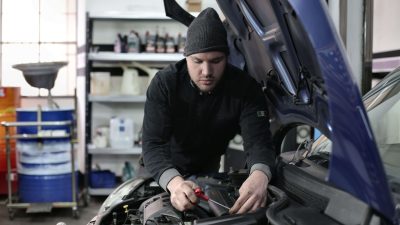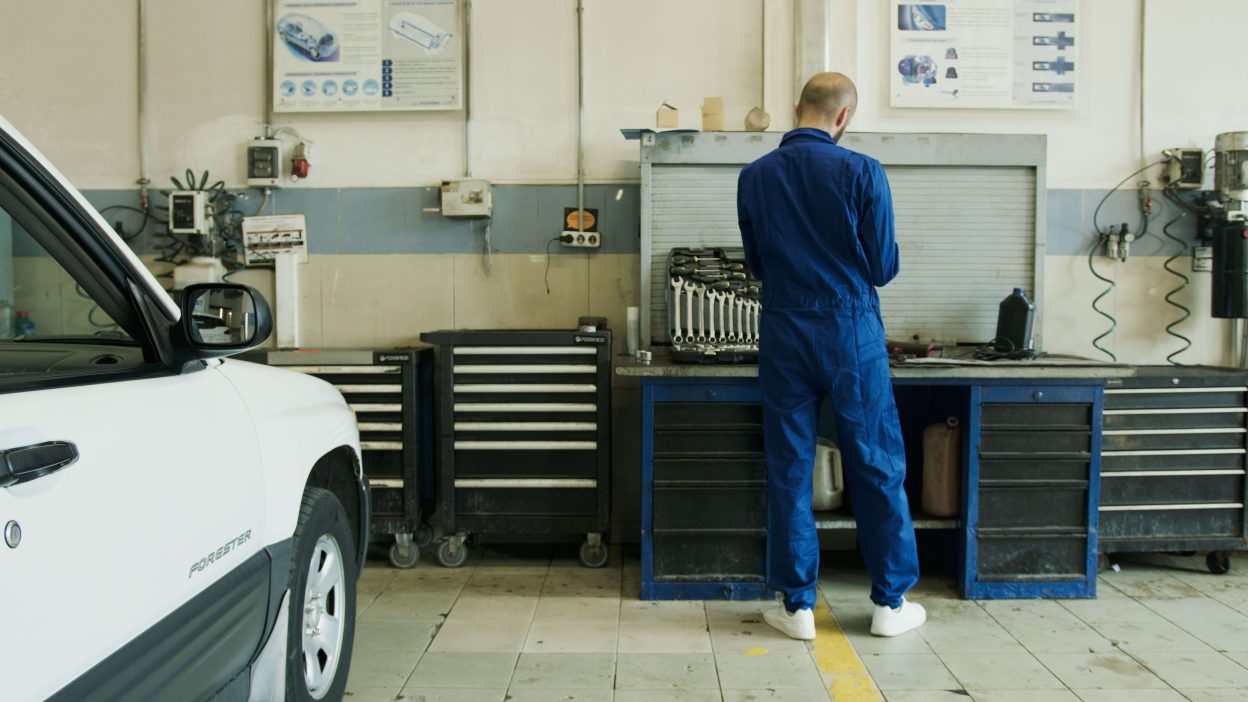
Running a busy automotive workshop requires more than skilled technicians. A workshop owner also needs to manage customers, vehicles, appointments, inspections, job cards, spare parts, invoices, payments, and daily repair activities. If these tasks are handled manually or across different files, it can become difficult to keep the business organized.
If you are wondering how to manage an automotive workshop more effectively, the first step is to create a clear process for every stage of the repair journey. From the moment a customer books a service to the time the vehicle is delivered, every task should have a proper place in the workflow.
A well-organized workshop can save time, reduce unnecessary paperwork, improve customer communication, and help technicians focus on repair work. In this guide, we will discuss eight simple ways to make your automotive workshop more efficient and easier to manage.
Table of Contents
Why Good Workshop Management Matters
An automotive workshop handles many activities every day. Customers bring vehicles with different problems, technicians inspect and repair them, parts need to be arranged, and invoices need to be prepared before delivery.
Without a proper process, small issues can create bigger delays. A missing job card, incorrect parts information, or unclear repair status can affect the entire workflow.
Understanding how to manage an automotive workshop means looking at the complete operation instead of focusing only on vehicle repairs. Customer service, inventory, billing, scheduling, and communication are all connected to workshop performance.

8 Simple Ways to Work Smarter
1. Keep Customer and Vehicle Records Organized
Customer and vehicle information should be easy to find whenever a vehicle comes into the workshop. Important details may include the customer’s name, contact information, vehicle registration number, model, mileage, and previous service history.
When records are kept in notebooks or separate spreadsheets, employees may spend extra time searching for information. Returning customers may also need to provide the same details again.
A digital customer management process can keep customer and vehicle records connected. This allows the service advisor to quickly find the correct information and create a smoother check-in experience.
One important part of learning how to manage an automotive workshop is making sure that every vehicle has a clear and accessible history.
2. Plan Appointments Properly
Appointment scheduling can have a major effect on workshop productivity. If too many vehicles arrive at the same time, technicians can become overloaded and customers may experience longer waiting times.
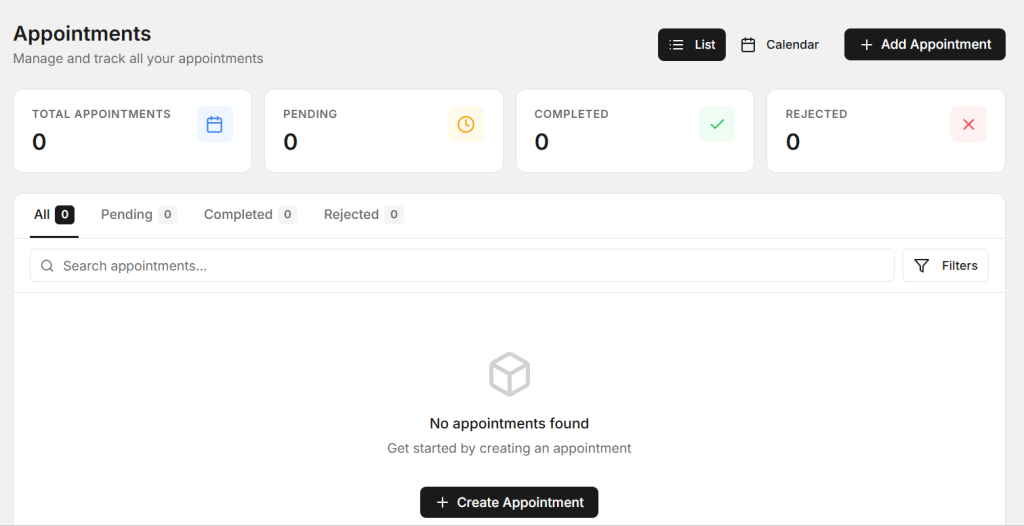
Create a clear booking process that records the customer, vehicle, requested service, preferred date, and expected arrival time. This helps the team understand the workload before the day begins.
Digital appointment management can also make it easier to change bookings when customers reschedule. The updated information can be available to the service team without depending on handwritten notes or verbal messages.
Good scheduling is an important part of how to manage an automotive workshop because it helps balance customer demand with available workshop resources.
3. Use Digital Job Cards
Job cards are central to the repair process. They can include customer complaints, inspection findings, required services, technician notes, parts, labor, and repair status.
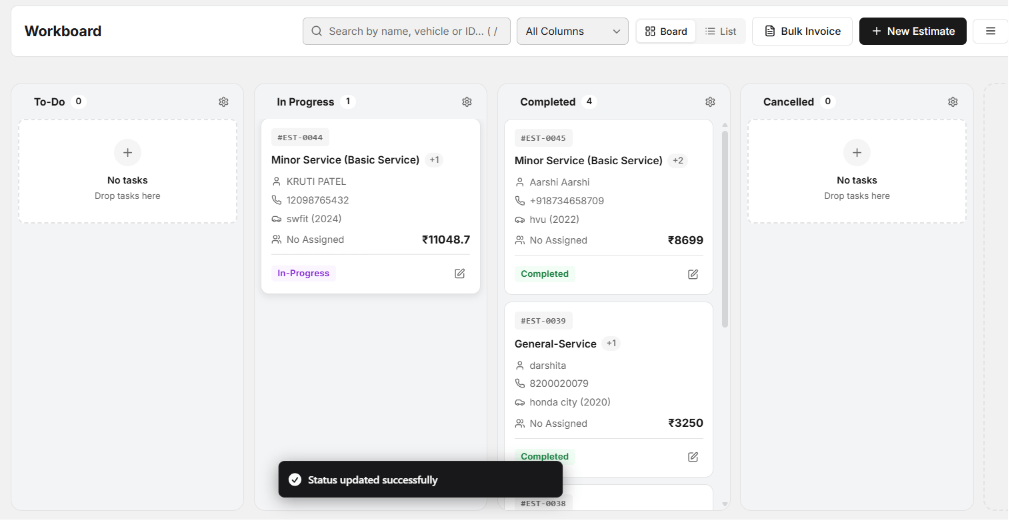
Paper job cards may become difficult to manage as the number of vehicles increases. They can be misplaced or separated from customer information.
Digital job cards can connect the vehicle, customer, technician, parts, and repair information in one workflow. The service advisor can also see whether a job is waiting for inspection, approval, parts, repair, quality checking, or delivery.
A clear job card process makes how to manage an automotive workshop much easier because everyone can understand what needs to happen next.
4. Control Spare Parts and Inventory
Spare parts can directly affect repair time. If a required part is not available, the vehicle may remain in the workshop until the part arrives.
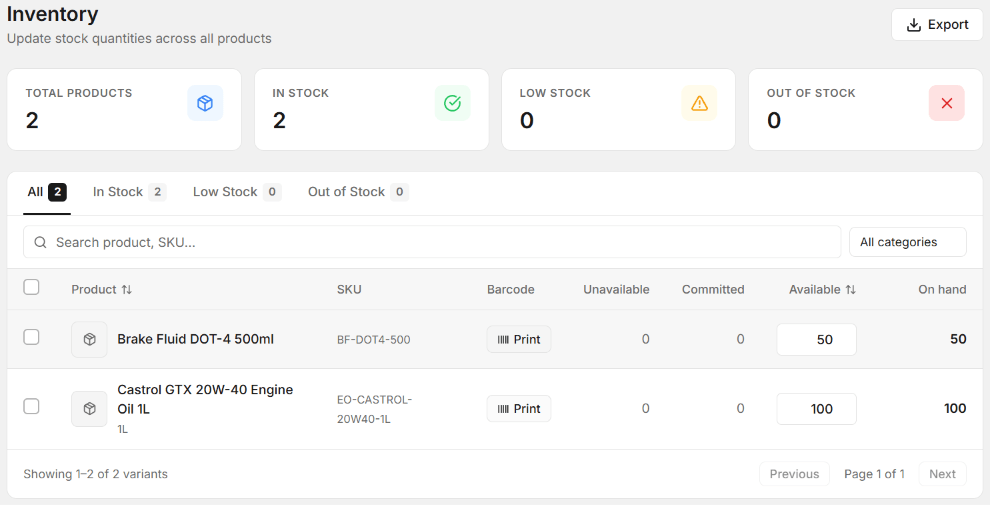
Keep accurate records of part names, quantities, prices, stock levels, and parts used during repairs. Frequently used parts should be monitored so they can be reordered before stock reaches a critical level.
Connecting inventory information with repair jobs can make it easier to understand which parts are being used and where they are going.
Good inventory control is an important answer to how to manage an automotive workshop because it helps reduce unnecessary delays and makes repair planning easier.
5. Improve Communication With Customers
Customers want to know what is happening with their vehicle after they leave it at the workshop. They may want updates about inspection results, additional repairs, parts availability, repair progress, and expected delivery time.
If customers do not receive updates, they may call the workshop several times for information. This can create extra work for service advisors.
Create a simple communication process for important repair stages. Inform customers when the inspection is complete, when additional work needs approval, when there is a parts delay, and when the vehicle is ready.
Clear communication is one of the most practical parts of how to manage an automotive workshop because it improves customer confidence and reduces unnecessary confusion.
6. Make Invoicing Simple and Accurate
Billing should be clear and easy to understand. A typical workshop invoice may include labor, spare parts, services, taxes, discounts, and the final amount.
Manual calculations can take extra time and increase the chance of mistakes. If employees have to enter the same information several times, the chance of incorrect data also increases.
A digital invoicing process can connect the invoice with the job card. Services and parts recorded during the repair can be used when preparing the final bill.
Accurate billing helps reduce delays at vehicle delivery and gives customers a clear explanation of the work completed.
7. Track Workshop Performance
Workshop owners should regularly review how the business is performing. Sales numbers are useful, but they do not show everything.
Track information such as completed jobs, pending repairs, appointment volume, parts usage, technician workload, revenue, and repair turnaround time.
These records can help identify areas that need improvement. For example, if many vehicles are delayed because of unavailable parts, inventory management may need attention. If appointments are frequently delayed, the workshop may need to review scheduling.
Performance tracking is another important part of how to manage an automotive workshop because it allows owners to make decisions using actual business information.
8. Maintain Complete Vehicle Service History
Vehicle history can help technicians understand a returning vehicle faster. Previous repairs, inspections, replaced parts, and service dates can provide useful information before a new repair begins.
For example, if a vehicle returns with a similar complaint, the technician can check previous job information before starting the inspection. This can help avoid repeating work that has already been completed.
A digital service history can also help service advisors provide better information to returning customers.
Maintaining accurate history is an important part of how to manage an automotive workshop because it creates a useful record that can support future repairs.
Create a Clear Workshop Workflow
A good workshop workflow should have clear stages. A simple process can start with appointment booking, followed by vehicle check-in, inspection, job card creation, customer approval, repair, quality checking, invoicing, and vehicle delivery.
Each team member should understand their responsibility at every stage. This reduces confusion and makes it easier to identify where a job is currently located.
For example, if a vehicle is waiting for customer approval, the service advisor should know this before assigning the technician to another task. If the repair is complete, the billing team should be able to prepare the invoice without waiting for additional paperwork.
Reduce Unnecessary Paperwork
Paperwork can become difficult to manage as the workshop grows. Employees may need to write customer details, prepare job cards, record parts, create invoices, and store old documents.
Digital records can reduce repeated data entry and make information easier to search. Customer and vehicle details entered during booking can be reused during the repair and billing process.
This can save time and allow employees to focus more on customer service and workshop operations.
Improve Technician Productivity
Technicians need clear information before starting a repair. They should know the customer’s complaint, inspection findings, required work, parts needed, and any important notes.
A clear job card can provide this information without requiring the technician to repeatedly ask the service advisor for details.
Workshop managers can also monitor technician workload and job progress. This helps them assign work more effectively and identify delays early.
Use Technology to Connect Workshop Operations
When customer management, appointments, job cards, inventory, inspections, and billing are handled separately, employees may need to enter the same information multiple times.
A connected workshop management system can reduce this problem by keeping related information together. Customer information can connect with the vehicle, the vehicle can connect with the job card, and the job card can connect with parts and billing.
This creates a smoother workflow and reduces the need to move information between different systems.
Benefits of Better Automotive Workshop Management
- Better customer and vehicle record management
- Faster appointment handling
- More organized job cards
- Improved spare parts control
- Faster invoice preparation
- Better communication with customers
- Easy access to vehicle service history
- Less manual paperwork
- Better technician workload visibility
- Improved daily workshop efficiency
How AutoDots Can Help Your Workshop
AutoDots provides digital solutions designed to help automotive businesses organize important workshop activities. These can include customer management, vehicle records, appointments, job cards, inspections, spare parts, invoicing, and other daily operations.
For workshop owners looking at how to manage an automotive workshop, a connected digital workflow can help reduce repetitive work and make important information easier to access.
Businesses interested in automotive technology and partnership opportunities can explore the AutoDots partner program.
For more practical automotive business guides, workshop tips, and industry information, visit the AutoDots blog.
Simple Steps to Improve Your Workshop
Start by reviewing your current process from customer booking to vehicle delivery. Identify where your employees spend the most time and where mistakes happen most often.
Next, organize the most important information. Make sure customer details, vehicle records, job cards, parts, inspections, and invoices are recorded consistently.
Then, create clear responsibilities for each team member. Everyone should know who handles appointments, inspections, job updates, parts, billing, and customer communication.
Finally, review workshop performance regularly. Use the information from completed jobs and daily operations to identify delays and make practical improvements.
Common Workshop Management Mistakes to Avoid
One common mistake is relying completely on memory or handwritten notes. Important repair and customer information can easily be forgotten or misplaced.
Another mistake is failing to update job status. If a technician completes a repair but the job is not marked as complete, the service advisor may not know that the vehicle is ready for the next step.
Workshops should also avoid ignoring inventory updates. Incorrect stock information can cause unexpected shortages and repair delays.
Finally, do not make the process unnecessarily complicated. A simple and consistent workflow that employees understand is often better than a complicated process that creates confusion.
Frequently Asked Questions
What does it mean to manage an automotive workshop effectively?
Managing an automotive workshop effectively means organizing customers, vehicles, appointments, inspections, job cards, technicians, spare parts, billing, and communication through a clear and consistent workflow.
How can digital tools improve workshop management?
Digital tools can reduce manual paperwork, organize customer and vehicle records, improve job tracking, simplify inventory management, make invoicing easier, and provide better visibility into daily workshop activities.
Why are digital job cards useful?
Digital job cards keep customer complaints, inspection findings, repair details, parts, labor, technician notes, and job status organized. This makes communication between service advisors and technicians easier.
How can a workshop reduce repair delays?
A workshop can reduce delays by planning appointments properly, keeping commonly used parts available, updating job status regularly, communicating with customers quickly, and maintaining clear vehicle service history.
Can better workshop management improve customer retention?
Yes. Faster service, clear communication, organized records, transparent invoices, and a smoother overall experience can encourage customers to return to the same workshop for future services.
Conclusion
Managing an automotive workshop successfully requires more than completing repairs. A workshop needs a clear process for customers, appointments, inspections, job cards, technicians, spare parts, billing, communication, and vehicle history.
how to manage an automotive workshop becomes much easier when these activities are organized through a consistent workflow. Digital tools can help reduce manual work, improve information sharing, track repair progress, and give owners better visibility into daily operations.
The best way to start is to identify the areas where your workshop loses the most time. Improve those areas first, create a simple process for your team, and review the results regularly. With better organization and the right digital tools, an automotive workshop can work smarter, serve customers better, and build a stronger foundation for long-term growth.