How to Reduce Vehicle Comebacks is one of the biggest challenges every auto repair shop owner faces. A vehicle returning with the same problem doesn’t just cost additional labor and parts—it also affects technician productivity, workshop profitability, customer trust, and your garage’s reputation. Industry experts generally consider a comeback rate below 2–3% of repair orders to be a healthy benchmark, making it essential for workshops to focus on quality processes instead of simply completing more jobs. :contentReference[oaicite:0]{index=0}
Most vehicle comebacks are preventable. They usually happen because of inaccurate diagnosis, skipped quality inspections, poor communication, incomplete documentation, or rushed repairs—not because technicians lack skills. By improving your workflow and introducing standardized quality checks, you can significantly reduce repeat repairs.
In this guide, you’ll learn How to Reduce Vehicle Comebacks with eight proven strategies that improve repair accuracy, increase customer satisfaction, and protect your workshop’s profitability.
Table of Contents
Why Vehicle Comebacks Are Expensive
Every comeback affects multiple areas of your business:
- Lost technician hours on unpaid repairs.
- Reduced workshop productivity.
- Additional parts and labor costs.
- Lower customer confidence.
- Negative online reviews.
- Delayed appointments for other customers.
- Reduced profit margins.
- Lower customer retention.
The best-performing workshops focus on preventing mistakes instead of fixing them twice.
1. Record the Customer’s Complaint Clearly
The first step in How to Reduce Vehicle Comebacks is understanding the customer’s actual concern.
Instead of summarizing the problem, record the customer’s exact words on the job card. Small details often help technicians identify the real issue faster and avoid repairing the wrong component.
For example, “noise while braking after 15 minutes of driving” provides far better diagnostic information than simply writing “brake noise.”
2. Perform Proper Diagnosis Before Replacing Parts
Many repeat repairs occur because technicians replace suspected parts without confirming the root cause.
A professional diagnostic process should always include:
- Vehicle inspection.
- Fault code scanning.
- Road testing.
- Electrical testing where required.
- Verification of the customer’s complaint.
Proper diagnosis is one of the most effective ways of How to Reduce Vehicle Comebacks while improving technician efficiency.
3. Use Quality Parts
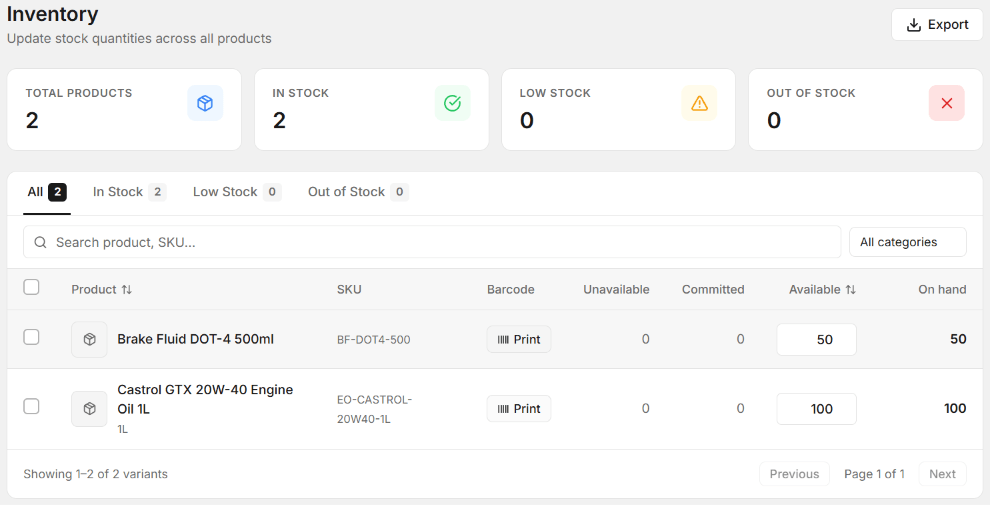
Even when repairs are performed correctly, low-quality replacement parts can fail prematurely.
Choose trusted OEM or high-quality aftermarket components whenever possible. Maintaining reliable supplier relationships also reduces warranty issues and customer dissatisfaction.
Quality parts contribute directly to How to Reduce Vehicle Comebacks and improve long-term customer trust.
4. Introduce a Final Quality Inspection
Never hand over a vehicle immediately after completing repairs.
Every repair should undergo a final quality control process that includes:
- Road test.
- Torque verification.
- Fluid level checks.
- Warning light inspection.
- Verification that the original complaint has been resolved.
Many successful workshops use mandatory QC checklists because they dramatically reduce repeat repairs.

5. Improve Technician Communication
Technicians, service advisors, and customers should remain connected throughout the repair process.
Whenever additional faults are discovered:
- Capture photos.
- Explain repair recommendations.
- Obtain customer approval.
- Document declined work.
- Update repair notes.
Good communication plays a major role in How to Reduce Vehicle Comebacks because customers clearly understand what was—and wasn’t—repaired.
6. Standardize Repair Procedures
Every technician should follow consistent repair processes instead of relying solely on personal habits.
- Manufacturer repair procedures.
- Workshop repair checklists.
- Digital Job Cards.
- Inspection forms.
- Quality verification steps.
Standardized workflows reduce human error and improve consistency across every repair.
7. Invest in Technician Training
Vehicle technology continues evolving rapidly, especially with EVs, ADAS systems, hybrids, and connected vehicles.
Regular technical training helps technicians diagnose problems accurately while reducing unnecessary part replacement and repeat repairs.
Continuous learning remains one of the smartest investments for How to Reduce Vehicle Comebacks.
8. Track Every Comeback and Learn From It
Instead of simply fixing repeat repairs, identify why they occurred.
Track every comeback using categories such as:
- Diagnosis error.
- Installation error.
- Parts failure.
- Communication issue.
- Quality inspection missed.
- Customer misunderstanding.
Reviewing these trends monthly helps eliminate recurring problems and improve workshop performance over time.
How Autodots Helps Reduce Vehicle Comebacks
Autodots helps garages build consistent repair processes through Digital Job Cards, inspection checklists, repair documentation, workflow tracking, customer approvals, invoicing, and complete vehicle service history.
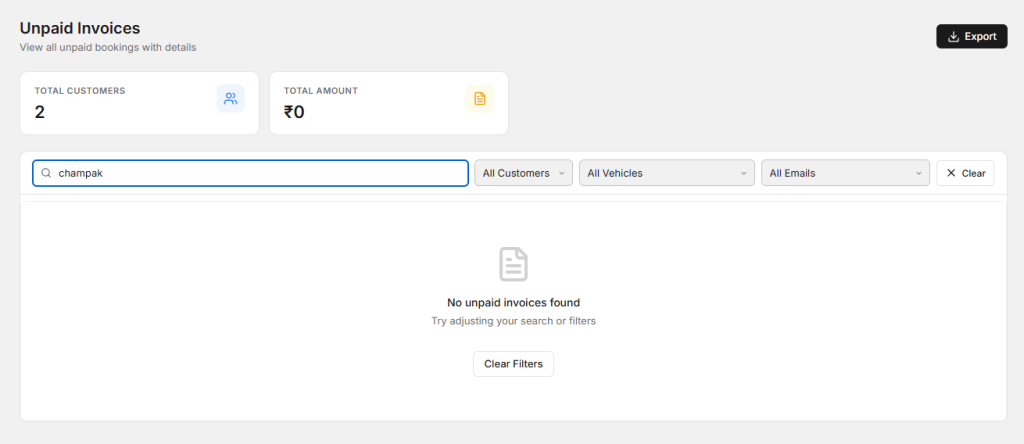
With SMS, WhatsApp, and email communication, service advisors can keep customers informed throughout the repair process while maintaining complete digital records for every vehicle. Better documentation and structured workflows reduce misunderstandings and improve repair quality.
Build a Long-Term Quality Culture
Successfully learning How to Reduce Vehicle Comebacks is not about implementing a single process—it’s about creating a quality-focused culture throughout your workshop. When every technician, service advisor, and manager follows standardized procedures, communicates effectively, and prioritizes repair accuracy, vehicle comebacks naturally decrease. Continuous improvement, regular training, and digital workflow management ensure your garage consistently delivers reliable repairs and builds long-term customer trust.
Grow Your Workshop with Autodots
Running a successful workshop requires more than skilled technicians—it also requires excellent customer experience and strong online visibility.
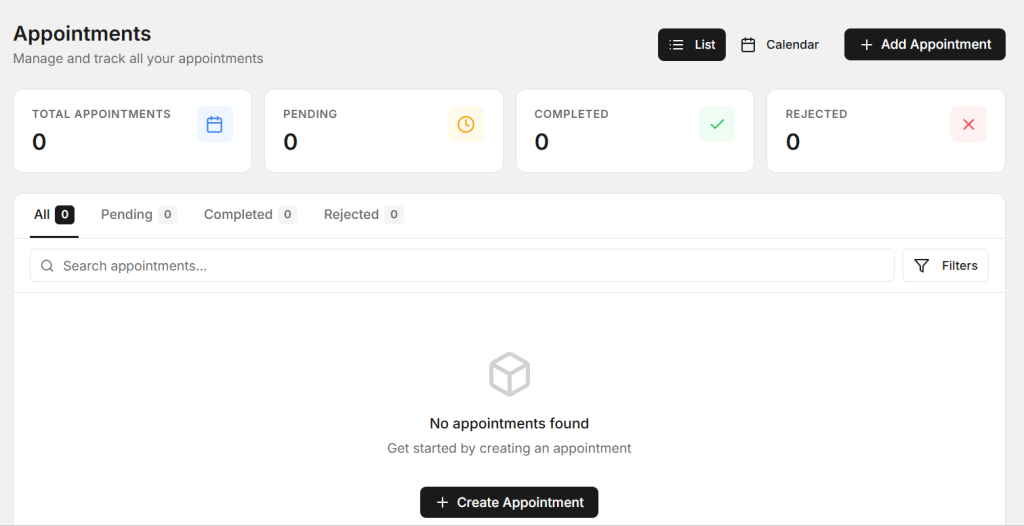
By joining the Autodots Partner Program, your workshop gets a verified business profile, online appointment booking, customer reviews, and visibility on the Autodots marketplace. Vehicle owners can easily discover your garage, schedule services online, and build confidence through verified customer feedback.
Additional Best Practices
- Schedule technician quality audits.
- Use digital inspection reports.
- Verify repair history before starting work.
- Maintain organized inventory.
- Follow manufacturer torque specifications.
- Perform final customer walkthroughs.
- Request customer feedback after delivery.
- Review workshop KPIs monthly.
Frequently Asked Questions
What is a vehicle comeback?
A vehicle comeback occurs when a customer returns with the same issue after a repair, requiring additional work that is usually completed at no extra charge.
What is a good comeback rate for an auto repair shop?
Most industry experts consider a comeback rate below 2–3% of total repair orders to be a strong benchmark.
What causes most vehicle comebacks?
Incorrect diagnosis, skipped quality inspections, poor documentation, low-quality parts, and communication gaps are among the most common causes.
Can digital software reduce vehicle comebacks?
Yes. Digital Job Cards, inspection checklists, repair history, and workflow management software help improve repair accuracy and documentation.
Why should workshops track comeback data?
Tracking root causes helps identify recurring issues, improve technician performance, and reduce repeat repairs over time.
Conclusion
Understanding How to Reduce Vehicle Comebacks is essential for every modern auto repair shop. By focusing on accurate diagnosis, quality parts, standardized workflows, technician training, clear communication, and thorough final inspections, garages can significantly reduce repeat repairs while improving customer satisfaction and profitability. With digital solutions like Autodots supporting every stage of the repair process, workshops can deliver higher-quality service, build stronger customer relationships, and achieve long-term business growth.
For additional workshop technology insights and automotive industry updates, visit the Autodots Blog.