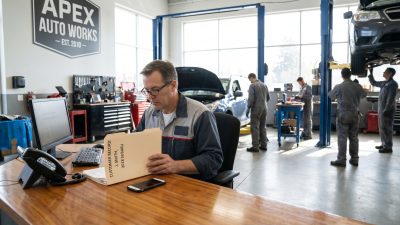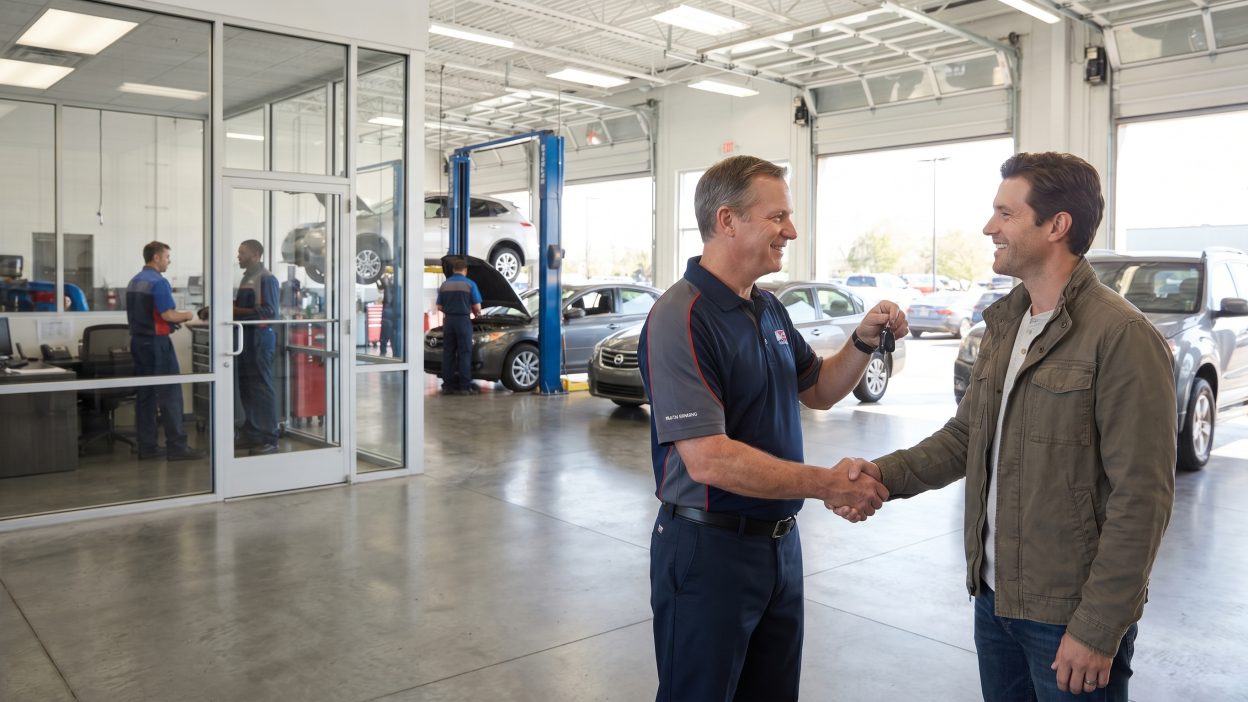
Modern garages face increasing pressure to deliver faster service, maintain accurate records, and provide a better customer experience. Traditional paper-based processes often create delays, miscommunication, and unnecessary administrative work. This is why Digital Job Cards are becoming an essential part of successful workshop operations.
As vehicle service volumes grow, workshop owners need a reliable way to organize jobs, track progress, and keep customers informed. A digital workflow helps eliminate paperwork while ensuring that important information is accessible to service advisors, technicians, and management teams in real time.
The automotive industry is rapidly embracing technology, and workshops that modernize their processes are often better positioned to improve efficiency, reduce errors, and increase customer satisfaction. Implementing smarter systems can create measurable improvements across every area of a garage operation.
Table of Contents
Why Garages Are Adopting Digital Job Cards
One of the primary reasons workshops invest in Digital Job Cards is the ability to centralize information and improve workflow visibility. Instead of relying on handwritten notes and physical paperwork, service information can be stored securely within a digital platform that is easy to access and update.
This streamlined approach helps reduce confusion between departments while ensuring that every team member has access to accurate and up-to-date information. As a result, jobs move through the workshop more efficiently and customers receive a smoother service experience.
1. Faster Job Creation and Assignment
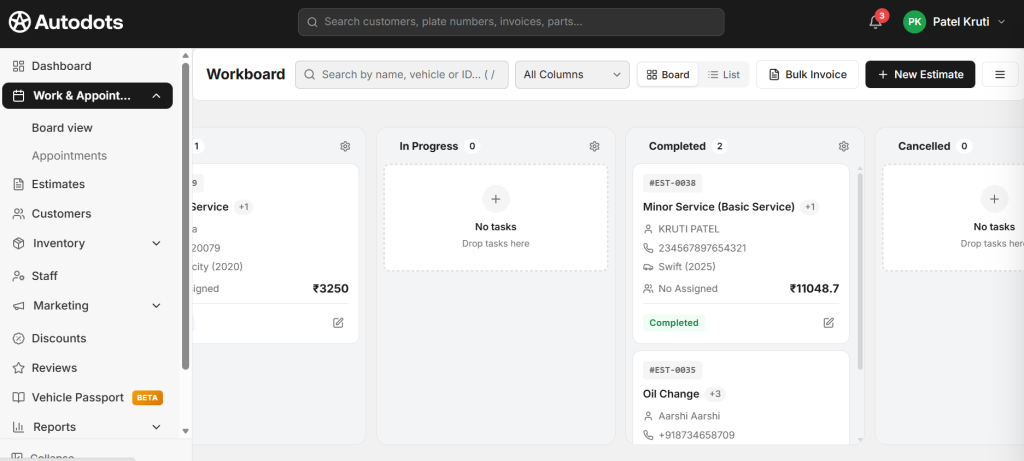
Creating and managing repair orders manually can consume valuable time during busy periods. With Digital Job Cards, service advisors can quickly create work orders, assign technicians, and record customer information without dealing with stacks of paperwork.
Job details can be entered once and shared instantly across the workshop. This reduces administrative effort while allowing staff to focus more on delivering quality service. Faster job allocation also helps improve workshop productivity and minimize delays.
2. Improved Communication Between Teams
Effective communication is critical for workshop efficiency. Digital Job Cards provide a centralized location where technicians, service advisors, and managers can access important updates regarding ongoing repairs and maintenance work.
Rather than relying on verbal communication or handwritten notes, teams can review detailed job information within the system. This reduces misunderstandings and helps ensure that work is completed according to customer requirements.
Better communication also leads to fewer errors, improved accountability, and more consistent service quality throughout the workshop.
3. Enhanced Customer Service Experience
Customer expectations have changed significantly in recent years. Many vehicle owners want transparency throughout the repair process. By using Digital Job Cards, workshops can provide accurate updates and maintain clear communication with customers.
Service advisors can quickly review repair progress, estimated completion times, and technician notes when responding to customer inquiries. This level of transparency helps build trust and confidence in the workshop’s services.
Customers who feel informed throughout the process are more likely to return for future maintenance and recommend the business to others.
4. Better Tracking of Repair Progress
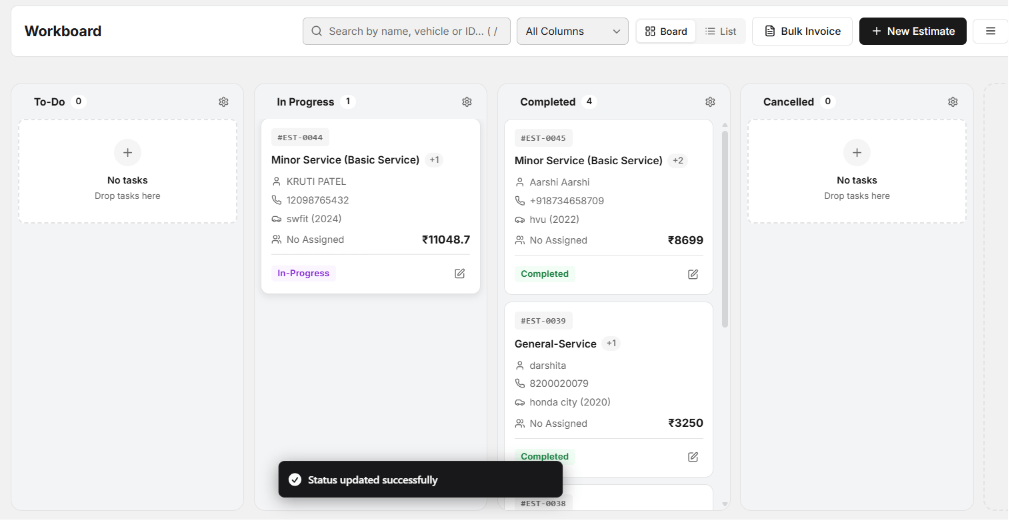
Tracking multiple vehicles simultaneously can become challenging as service demand increases. Digital Job Cards allow workshop managers to monitor the status of every repair job from a single platform.

Managers can identify bottlenecks, prioritize urgent repairs, and ensure technicians have the information needed to complete work efficiently. Real-time visibility helps workshops maintain productivity while delivering vehicles on schedule.
Improved tracking capabilities also help reduce missed tasks and incomplete documentation, contributing to a more organized operation.
5. Increased Accuracy and Reduced Errors
Manual paperwork often leads to mistakes caused by illegible handwriting, missing information, or misplaced documents. Digital Job Cards help minimize these issues by ensuring information is recorded and stored accurately.
Standardized digital forms encourage consistency across all service records. This not only improves internal efficiency but also creates a more professional experience for customers.
Accurate records are particularly valuable when reviewing service history, handling warranty claims, or resolving customer concerns.
Additional Benefits for Growing Workshops
Beyond improving daily operations, modern workshop management systems offer several advantages that support long-term business growth:
- Reduced dependence on paper-based processes.
- Improved access to vehicle service history.
- Enhanced technician productivity.
- More efficient appointment management.
- Better workflow visibility for management teams.
- Stronger compliance with record-keeping requirements.
- Improved customer communication and transparency.
- Faster access to operational data and reporting.
These improvements create a more organized and scalable environment that allows workshops to handle increasing service volumes without sacrificing quality.
How Digital Systems Support Business Growth
Technology plays a critical role in helping workshops remain competitive. As customer expectations evolve, garages must find ways to improve both operational efficiency and service quality.
Digital workflows make it easier to manage higher workloads while maintaining consistency across departments. Information can be shared instantly, reducing delays and enabling faster decision-making.
Growing businesses often discover that investing in technology provides benefits beyond productivity improvements. Better organization, enhanced customer experiences, and stronger operational control can all contribute to increased profitability over time.
Supporting Data-Driven Decision Making
Modern workshop platforms provide valuable insights into business performance. Managers can review repair volumes, technician productivity, service trends, and customer activity to identify opportunities for improvement.
Having access to accurate information allows workshop owners to make informed decisions rather than relying on assumptions. This can lead to better resource allocation, improved efficiency, and stronger financial performance.
Data visibility becomes increasingly important as workshops expand and operational complexity increases.
Choosing the Right Platform
When evaluating workshop technology, it is important to look for solutions that support Digital Job Cards while also providing scheduling, workflow management, customer communication, and reporting capabilities.
The ideal platform should be easy to use, scalable, and capable of adapting to future business requirements. User adoption is also critical, so selecting a system with an intuitive interface can help maximize long-term success.
Before making a decision, workshop owners should identify their current operational challenges and determine which features will provide the greatest value.
The Future of Workshop Operations
The automotive service industry continues to evolve, and workshops that embrace innovation are often better prepared for future challenges. Digital Job Cards are part of a broader shift toward connected, data-driven workshop management.
As more businesses adopt digital solutions, customers will increasingly expect faster communication, improved transparency, and seamless service experiences. Garages that modernize their processes today can build a stronger foundation for sustainable growth tomorrow.
Technology is no longer simply a convenience; it has become a strategic tool that helps workshops improve efficiency, strengthen customer relationships, and remain competitive in changing markets.
Call to Action
If your workshop wants to reduce paperwork, improve communication, and increase operational efficiency, implementing Digital Job Cards can be a valuable step toward modernization. A well-designed digital workflow helps create a smoother experience for both employees and customers while supporting long-term business growth.
For more workshop growth strategies and automotive technology insights, visit the Autodots Blog.
Businesses interested in expanding their industry network and exploring collaboration opportunities can visit the Autodots Partner Program.
Frequently Asked Questions
What are digital job card systems?
Digital job card systems replace traditional paper-based repair orders with electronic records that can be updated, tracked, and shared in real time throughout a workshop.
How do digital workflows improve efficiency?
Digital workflows reduce administrative tasks, improve communication, provide real-time visibility, and help ensure that repair information remains accurate and accessible.
Can small garages benefit from digital solutions?
Yes. Small workshops often experience significant improvements in organization, productivity, and customer communication after adopting modern management tools.
Do digital records help with customer service?
Absolutely. Accurate service histories and real-time updates allow staff to provide better information and faster responses to customer inquiries.
Are digital workshop platforms scalable?
Most modern solutions are designed to support business growth, making them suitable for both independent garages and multi-location workshop operations.
Conclusion
In a competitive automotive industry, efficiency and customer satisfaction are essential for success. Digital Job Cards help garages streamline workflows, improve communication, reduce errors, and provide a more professional customer experience. By embracing digital processes, workshops can strengthen daily operations, support future growth, and build lasting relationships with their customers.