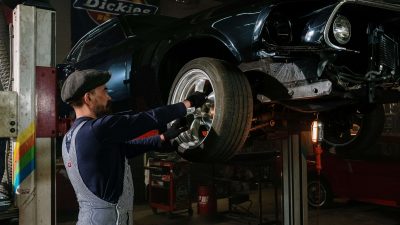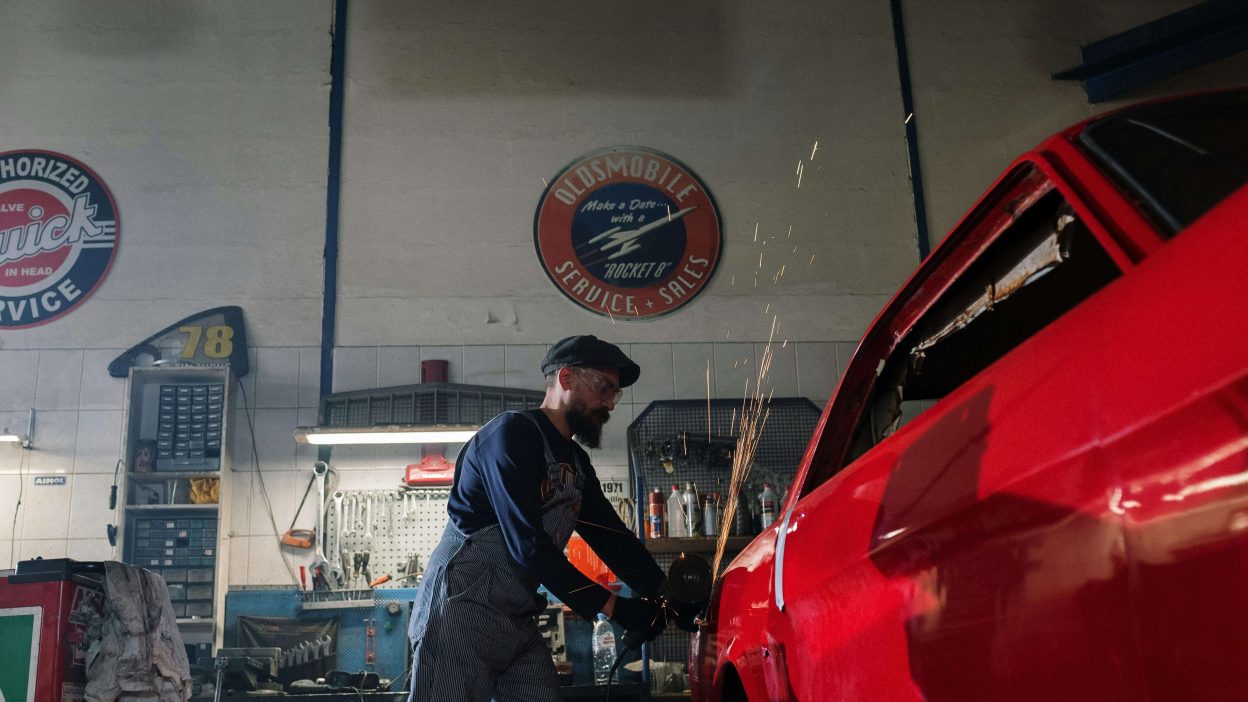
A few years ago, Rajesh owned a small neighborhood garage that operated much like many traditional workshops. Service records were kept on paper, appointments were managed through phone calls, and technicians relied heavily on manual processes to track repairs. While the workshop had a loyal customer base, growth was slow, daily operations were often chaotic, and administrative tasks consumed valuable time.
Today, that same business is a thriving tech-driven workshop that serves more customers, operates more efficiently, and delivers a better customer experience. By embracing digital tools and modern processes, Rajesh transformed his garage from a traditional repair shop into a modern automotive business.
This success story demonstrates how becoming a tech-driven workshop can help garage owners improve productivity, increase profitability, and prepare for the future of automotive repair.
Table of Contents
The Challenges of Running a Traditional Garage
Like many workshop owners, Rajesh faced several operational challenges that limited growth and affected customer satisfaction.
- Paper-based job cards
- Missed customer follow-ups
- Difficulty tracking repair status
- Inefficient appointment scheduling
- Limited visibility into daily operations
- Communication gaps between staff and customers
Although the workshop generated consistent business, these challenges prevented the garage from reaching its full potential. Rajesh realized that continuing with outdated systems would make it difficult to compete in an increasingly digital industry.
The Decision to Become a Tech-Driven Workshop
The turning point came when customer expectations began changing. Vehicle owners wanted faster updates, digital communication, transparent service records, and more convenient booking experiences.
At the same time, newer competitors were adopting technology to streamline operations. Rather than falling behind, Rajesh decided to invest in becoming a tech-driven workshop.
His goal was simple:
- Reduce administrative workload
- Improve customer communication
- Increase technician productivity
- Deliver a more professional experience
- Create a scalable business model
Step 1: Replacing Paper with Digital Records
The first major change involved eliminating paper-based processes. Job cards, customer histories, and service records were moved into a digital system.
This transition immediately improved organization and accessibility. Instead of searching through filing cabinets, staff could access vehicle information within seconds.
For any tech-driven workshop, digital records serve as the foundation for operational efficiency.
Results
- Faster information retrieval
- Reduced paperwork
- Improved record accuracy
- Better service history tracking
Step 2: Improving Customer Communication
One of the biggest customer frustrations involved limited communication during repairs. Customers often had to call the workshop repeatedly to check vehicle status.
To address this issue, the workshop introduced digital communication processes that kept customers informed throughout the repair journey.
As a result, the tech-driven workshop provided a more transparent and customer-friendly experience.
Benefits
- Fewer customer inquiries
- Improved trust
- Higher customer satisfaction
- Better service transparency
Step 3: Streamlining Workflow Management
Before adopting digital tools, technicians often experienced delays due to incomplete information and unclear job priorities.
Workflow tracking systems helped organize daily operations and ensure that repairs moved efficiently through each stage of the process.
The transformation into a tech-driven workshop allowed managers to monitor progress in real time and identify bottlenecks before they became serious problems.
Step 4: Optimizing Appointment Scheduling
The workshop also modernized its scheduling process. Previously, appointments were recorded manually, leading to occasional conflicts and inefficient workload distribution.
Digital scheduling improved resource allocation and helped the tech-driven workshop maintain a more balanced daily workload.
Results
- Reduced scheduling conflicts
- Better technician utilization
- Improved customer convenience
- Higher daily productivity
Step 5: Using Data to Improve Decision-Making
One of the most valuable benefits of becoming a tech-driven workshop was access to operational insights.
Instead of relying on assumptions, Rajesh could review performance data and identify opportunities for improvement.
Key metrics included:
- Vehicle turnaround times
- Technician productivity
- Customer retention rates
- Service volume trends
- Workflow efficiency
These insights supported smarter business decisions and continuous improvement.
The Results After One Year
The transformation delivered measurable improvements across the business.
- Higher workshop productivity
- Faster service completion
- Improved customer satisfaction
- Stronger customer retention
- Better operational visibility
- Increased profitability
Most importantly, the tech-driven workshop gained a reputation for professionalism, efficiency, and customer-focused service.
How Autodots Helped Support the Transformation
A key factor in the workshop’s success was implementing modern management solutions such as Autodots.
Through features including digital job cards, customer management, workflow tracking, service histories, reporting, and appointment management, the workshop was able to streamline operations and improve visibility across every stage of the repair process.
For businesses aiming to become a tech-driven workshop, adopting integrated digital solutions can accelerate transformation while reducing operational complexity.
You can explore more workshop growth strategies on the Autodots Blog.
Lessons Other Garage Owners Can Learn
Rajesh’s journey demonstrates that digital transformation does not require a massive investment or a complete business overhaul overnight.
Small, strategic improvements can create significant long-term results.
- Start with digital records
- Improve customer communication
- Automate repetitive tasks
- Monitor operational performance
- Invest in workflow visibility
- Adopt scalable technologies
These steps can help any garage evolve into a successful tech-driven workshop.
Frequently Asked Questions (FAQs)
What is a tech-driven workshop?
A tech-driven workshop uses digital tools and modern technologies to improve efficiency, customer service, and business performance.
Can small garages benefit from digital transformation?
Yes. Even small workshops can improve productivity and customer satisfaction through digital solutions.
Why are digital records important?
Digital records improve organization, accessibility, accuracy, and workflow efficiency.
How does technology improve customer experience?
Technology enables faster communication, greater transparency, and more convenient service interactions.
Does workflow tracking improve productivity?
Yes. Workflow tracking helps reduce delays, improve coordination, and increase operational efficiency.
How can workshops begin their digital transformation journey?
Start by identifying operational challenges and implementing solutions that address communication, scheduling, record management, and workflow visibility.
Conclusion
The automotive industry is becoming increasingly digital, and customer expectations continue to evolve. Rajesh’s story shows that a traditional garage can successfully transition into a tech-driven workshop through strategic technology adoption and process improvement.
By embracing digital tools, improving communication, and streamlining operations, workshop owners can create more efficient businesses that are better prepared for future growth.
To start your own transformation journey, explore Autodots Garage Management Solutions and discover how technology can help your workshop thrive in 2026 and beyond.