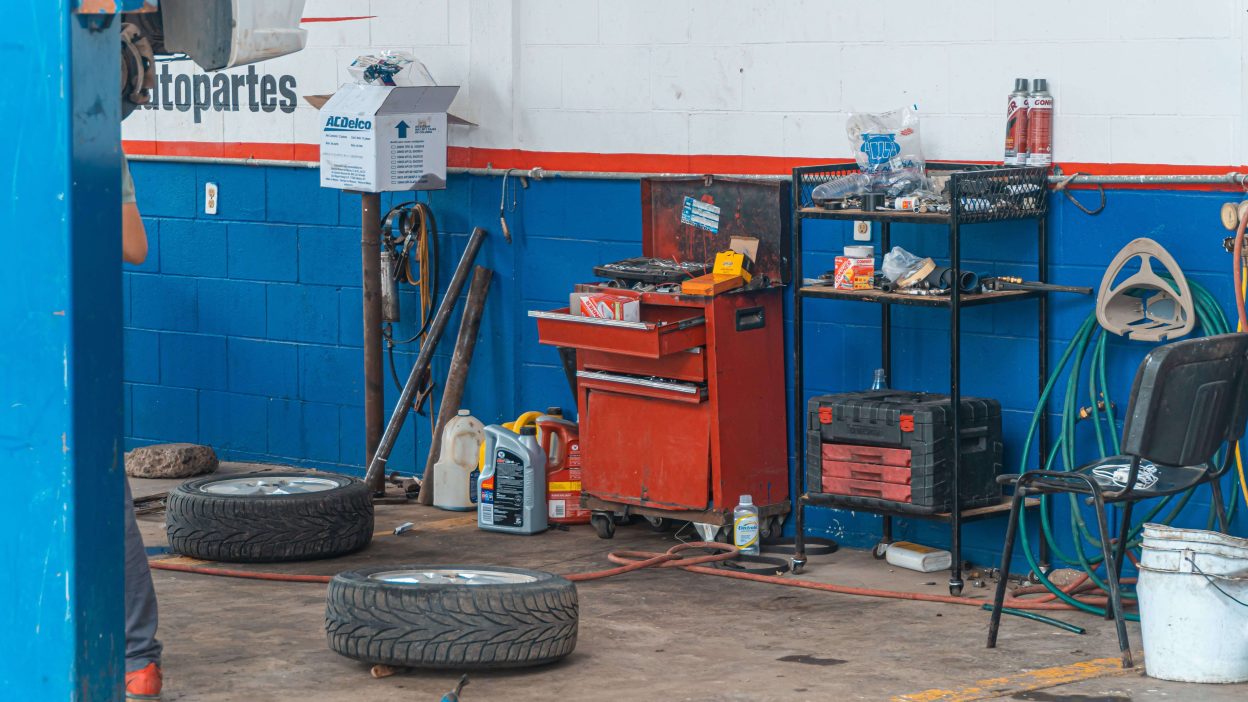
Managing spare parts and workshop supplies is an important task for every auto garage. A busy workshop may handle filters, brake parts, engine components, oils, batteries, bulbs, belts, tyres, and many other items every day. Without a clear stock control process, parts can run out, get misplaced, or remain unused for a long time.
A Garage Inventory Management System helps workshops organize their spare parts and keep better control of stock. It can make it easier to know what is available, what has been used, what needs to be purchased, and which items are moving slowly.
In this blog, we will discuss six easy ways to improve stock control in your garage. These methods can help small garages and growing workshops reduce inventory problems, save time, and keep repair jobs moving smoothly.
Table of Contents
What Is a Garage Inventory Management System?
A Garage Inventory Management System is a digital solution that helps an auto workshop manage spare parts, supplies, and stock movement. It can store details such as part names, part numbers, quantities, suppliers, prices, and stock levels.
When a part is received, used, returned, or adjusted, the inventory record can be updated. This gives workshop staff a clearer view of current stock without depending only on paper registers or separate spreadsheets.
A good inventory system can also connect parts with repair jobs. This helps the workshop understand which parts were used for a particular vehicle and can make job costing easier.

Why Stock Control Is Important for Garages
Stock problems can affect the complete repair process. If a required part is not available, a vehicle may have to stay in the garage until the part arrives. On the other hand, buying too many parts can tie up money and take up valuable storage space.
A Garage Inventory Management System can help your team get better visibility into stock and make more informed decisions.
- Know which parts are currently available.
- Reduce unexpected stock shortages.
- Track parts used for repair jobs.
- Reduce manual inventory work.
- Identify slow-moving stock.
- Make purchasing easier to manage.
- Keep workshop storage more organized.
6 Easy Ways to Improve Garage Inventory Management System
1. Keep All Spare Parts in One Place
The first step to better stock control is creating one organized record for all important parts. Instead of keeping information across notebooks, spreadsheets, and different files, keep it in one central system.
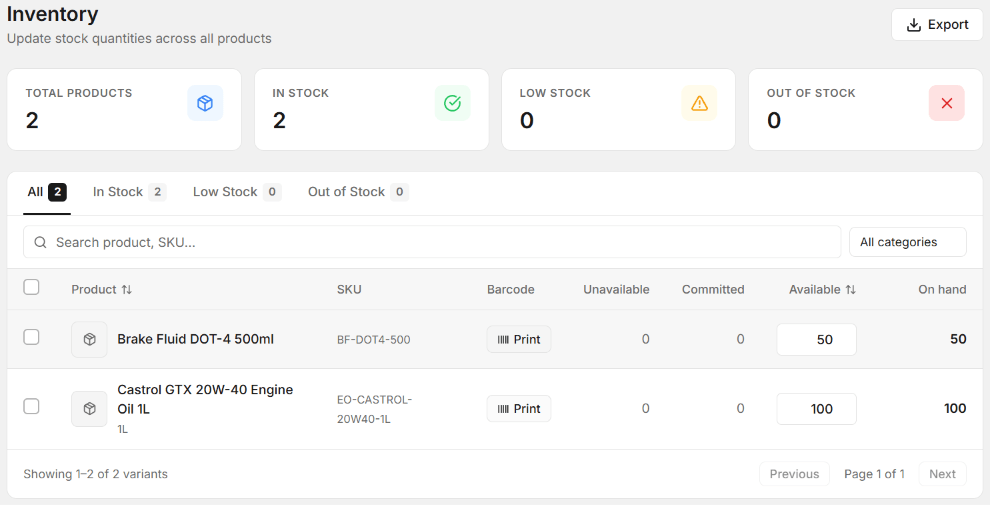
For each part, record useful information such as the part name, part number, category, current quantity, supplier, and price. Clear records make it easier for staff to find the right information when they need it.
With a Garage Inventory Management System, your team can quickly check whether a part is available before starting or promising a repair job.
This can save time for service advisors and technicians and reduce the need to search through shelves just to confirm stock.
2. Update Stock When Parts Arrive
Inventory control should start when new parts arrive at the garage. Check the received items and make sure the quantities match the purchase order or supplier invoice.
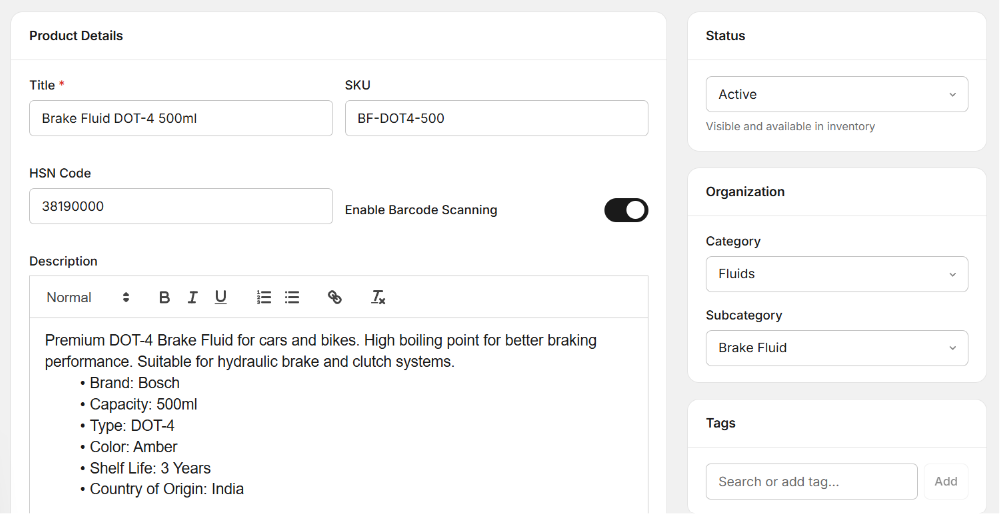
For example, if your workshop orders 20 oil filters and receives 20, the stock record should be updated with the correct quantity. If only 18 arrive, the system should show 18 rather than 20.
Recording parts as soon as they arrive helps prevent incorrect stock information. It also gives your team a better idea of what is ready for use.
3. Track Parts Used in Repair Jobs
Parts should be removed from inventory records when they are used for a repair. This may include engine oil, filters, brake pads, spark plugs, batteries, belts, or other components.
Connecting parts with individual repair jobs can make this process easier. Your team can see which parts were used on a vehicle and update stock based on actual usage.
A Garage Inventory Management System can help connect inventory activity with repair work. This creates a clearer record of where parts are going and can also help with calculating repair costs.
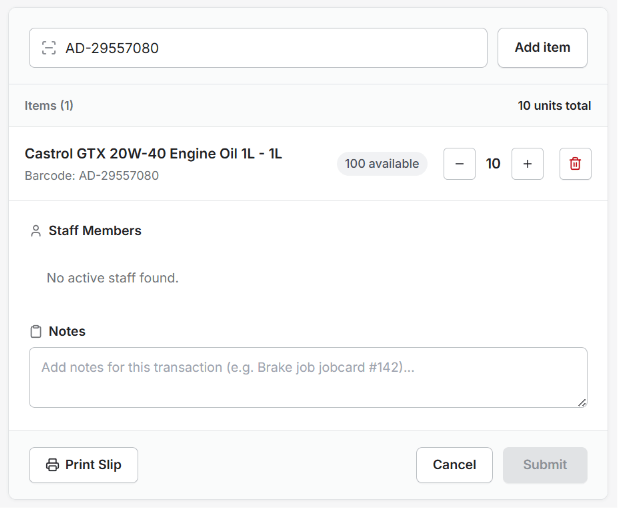
When stock usage is updated regularly, your inventory quantity is more likely to match the actual items on your shelves.
4. Set Minimum Stock Levels
Some parts are used every day, while others may only be needed occasionally. Running out of a frequently used part can delay several repair jobs.
Set minimum stock levels for important and fast-moving items. When the quantity reaches the minimum level, your team can plan a new purchase before the item runs out completely.
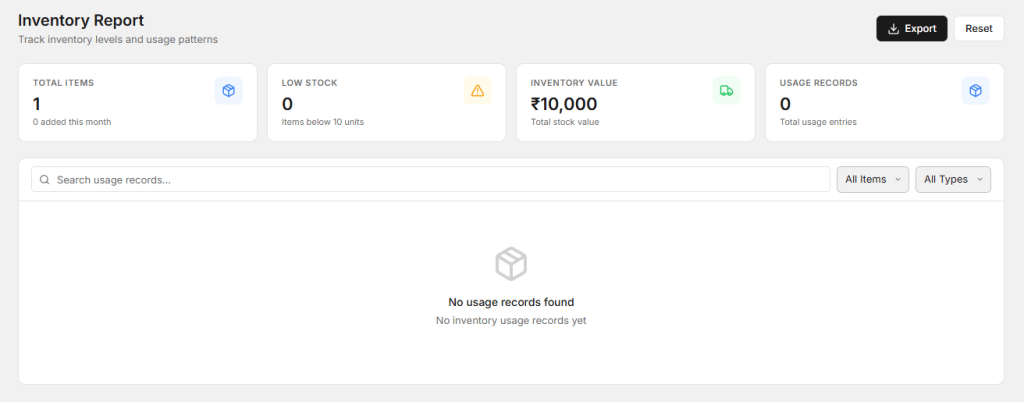
For example, common filters, engine oils, bulbs, wiper blades, brake components, and other regular service items may need closer monitoring than rarely used parts.
This simple method can help your garage avoid last-minute purchases and unnecessary repair delays.
5. Identify Slow-Moving Stock
Not every part in your garage will sell or get used at the same speed. Some items may be used frequently, while others can remain on a shelf for months.
Review your inventory regularly to identify slow-moving parts. These items can take up storage space and keep money tied up in stock that is not being used often.
With a Garage Inventory Management System, managers can review stock information and understand which items need more attention.

This information can help you make better purchasing decisions. Instead of ordering large quantities without checking previous usage, you can consider actual workshop demand.
6. Perform Regular Physical Stock Checks
Even when you use a digital inventory system, physical stock checks are important. Parts can sometimes be misplaced, damaged, returned, or used without being recorded correctly.
Compare the physical quantity on your shelves with the quantity shown in your system. If there is a difference, find out why and correct the record.
Regular checks can help identify inventory issues early. They can also improve confidence in your stock information when service advisors and technicians check part availability.
How Better Inventory Control Helps Your Workshop
Good inventory management can improve more than stock records. It can support the complete workshop workflow.
Technicians can find required parts more easily. Service advisors can provide better information about repair timelines. Managers can make better purchasing decisions based on current stock and previous usage.
Better stock control can also reduce unnecessary purchases. When your team knows what is already available, there is less chance of ordering a part that is already sitting in the garage.
- Better stock visibility.
- Fewer unexpected shortages.
- Less unnecessary purchasing.
- Better parts cost tracking.
- More organized storage.
- Faster access to commonly used items.
- Better control over workshop expenses.
How Inventory Control Can Reduce Repair Delays
Parts availability can have a direct effect on repair time. When a technician has completed the inspection but a required part is missing, the vehicle may have to wait.
Good Garage Inventory Management System practices help your team know what is available before or during the repair process. This makes it easier to identify parts that need to be ordered.
If a part is unavailable, the service advisor can inform the customer early. Clear communication can help customers understand why a repair may take longer than expected.
Better stock visibility can therefore support both workshop efficiency and customer service.
Make Your Inventory Process Simple
Your inventory process should be simple enough for every employee to follow. A complicated process can lead to missing or incorrect stock updates.
Start with a basic workflow:
- Record parts when they arrive.
- Use clear names and part numbers.
- Store items in labeled locations.
- Update stock when parts are used.
- Connect parts with repair jobs.
- Review low and slow-moving stock.
- Perform regular physical stock checks.
Once these steps become part of the daily routine, your team can manage inventory with less confusion.
How AutoDots Can Help Your Workshop
AutoDots provides digital tools that can help automotive businesses manage important workshop activities. A connected workflow can help organize customers, vehicles, repair jobs, technicians, parts, invoices, and other daily operations.
Using a Garage Inventory Management System can make it easier to keep inventory information connected with repair activities. Your team can have a clearer view of stock and reduce the need for scattered manual records.
If you want to explore more opportunities for your automotive business, visit the AutoDots partner program. For more workshop tips, automotive guides, and business ideas, visit the AutoDots automotive blog.
Common Garage Inventory Mistakes to Avoid
One common mistake is not updating stock when parts are used. Even a few missing updates can make your inventory records inaccurate over time.
Another mistake is ordering too many parts without checking previous usage. Slow-moving items can occupy valuable space and keep money tied up in unused stock.
Garages should also avoid using unclear labels or duplicate part names. Consistent naming and part numbers make it easier for employees to find the correct item.
Finally, do not depend only on digital records. Regular physical checks can help find misplaced, damaged, or incorrectly recorded parts.
Frequently Asked Questions
What is Garage Inventory Management System?
Garage inventory management is the process of recording, storing, tracking, purchasing, and using spare parts and workshop supplies in an organized way.
How can an inventory system help an auto garage?
It can help track stock quantities, record parts received and used, monitor low-stock items, connect parts with repair jobs, and make purchasing decisions easier.
Why should parts be connected to repair jobs?
Connecting parts with repair jobs helps your team understand which items were used on each vehicle. It can also make repair cost tracking and stock updates easier.
What are slow-moving parts?
Slow-moving parts are items that are used or sold less frequently. Monitoring these items can help workshops avoid keeping more stock than they need.
How often should a garage check physical inventory?
The right schedule depends on the size and activity of the garage. Regular checks can help identify differences between actual stock and recorded stock.
Conclusion
Good stock control is an important part of running an efficient auto garage. Poor inventory management can lead to missing parts, unnecessary purchases, repair delays, and extra costs.
A Garage Inventory Management System can help your team organize spare parts, track stock movement, monitor minimum levels, identify slow-moving items, and connect inventory with repair jobs.
The key is to keep the process simple and consistent. Record parts correctly, update stock whenever items move, review your inventory regularly, and use actual workshop data to guide purchasing decisions. With better stock control, your garage can keep the right parts available while reducing unnecessary inventory costs.