Managing several vehicles at the same time can be difficult for a busy auto workshop. Cars may be waiting for inspection, repair, parts, approval, testing, or final delivery. If your team does not know where each vehicle is in the repair process, delays and customer complaints can quickly increase.
Garage Vehicle Tracking Software helps workshops keep a clear view of vehicles and repair jobs from check-in to delivery. Instead of depending on paper notes, phone calls, or memory, your team can track important job details in one organized system.
In this blog, we will look at nine smart ways to track repair jobs more effectively. These methods can help workshops improve organization, reduce delays, keep customers informed, and make daily operations easier.
Table of Contents
What Is Garage Vehicle Tracking Software?
Garage Vehicle Tracking Software is a digital solution that helps an auto workshop monitor vehicles during the repair process. It can help staff know which vehicle has arrived, what work is required, who is working on it, what stage the repair has reached, and whether the vehicle is ready for collection.
For example, a vehicle can move through simple stages such as vehicle received, inspection, estimate prepared, customer approval, repair in progress, quality check, and ready for delivery. Having these stages clearly recorded makes it easier for everyone to understand the current status.
This is especially useful when a garage handles many vehicles every day. A clear tracking process reduces confusion and helps staff focus on completing work instead of searching for information.

Why Vehicle Tracking Matters in a Garage
Every vehicle repair job has several moving parts. A technician may need to inspect the vehicle, another staff member may need to order parts, and the service advisor may need to speak with the customer. If these activities are not connected, a small delay can affect the whole job.
Garage Vehicle Tracking Software gives workshop teams better visibility into ongoing jobs. Staff can quickly check which vehicles are waiting, which repairs are active, and which jobs need attention.
- Reduce confusion between workshop staff.
- Track repair progress more clearly.
- Identify vehicles waiting for parts or approval.
- Improve communication with customers.
- Reduce missed repair tasks.
- Make vehicle delivery planning easier.
9 Smart Ways to Track Repair Jobs
1. Create a Digital Vehicle Check-In
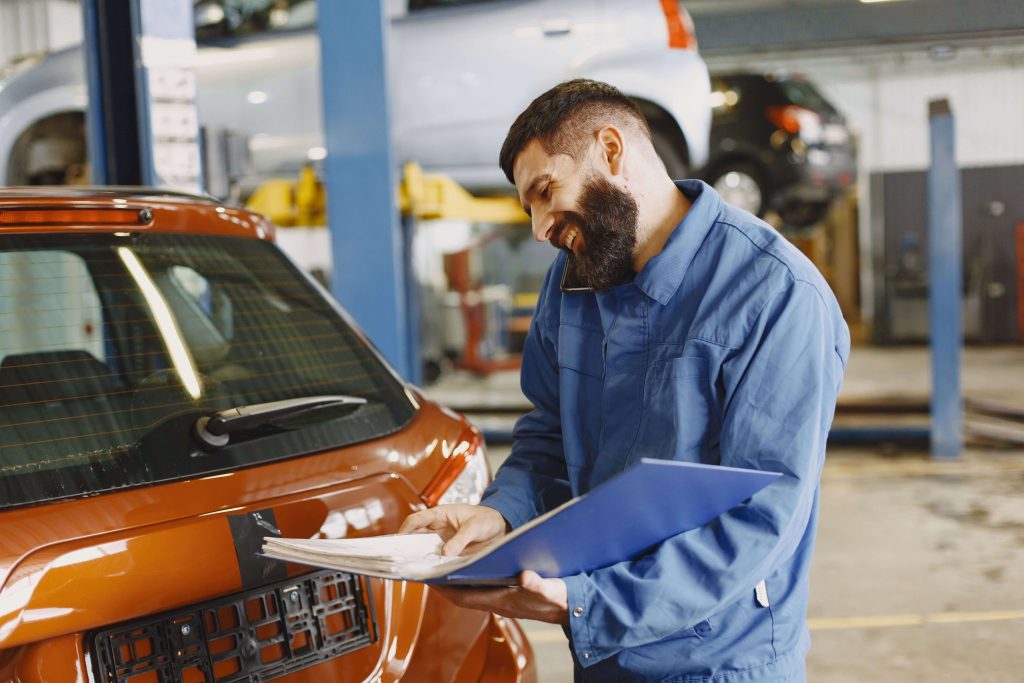
The tracking process should start as soon as a vehicle arrives at the workshop. Record the customer’s details, vehicle information, mileage, reported problem, arrival time, and required service.
A digital check-in gives your team a starting point for every repair job. Instead of writing information on different papers, staff can keep the important details connected to the vehicle record.
With Garage Vehicle Tracking Software, the service advisor can create a job and move it into the next stage after the vehicle has been inspected. This creates a simple record that can be followed throughout the repair.
2. Use Clear Repair Job Statuses
One of the easiest ways to improve vehicle tracking is to use clear job statuses. Every team member should be able to understand the current stage without asking another employee.
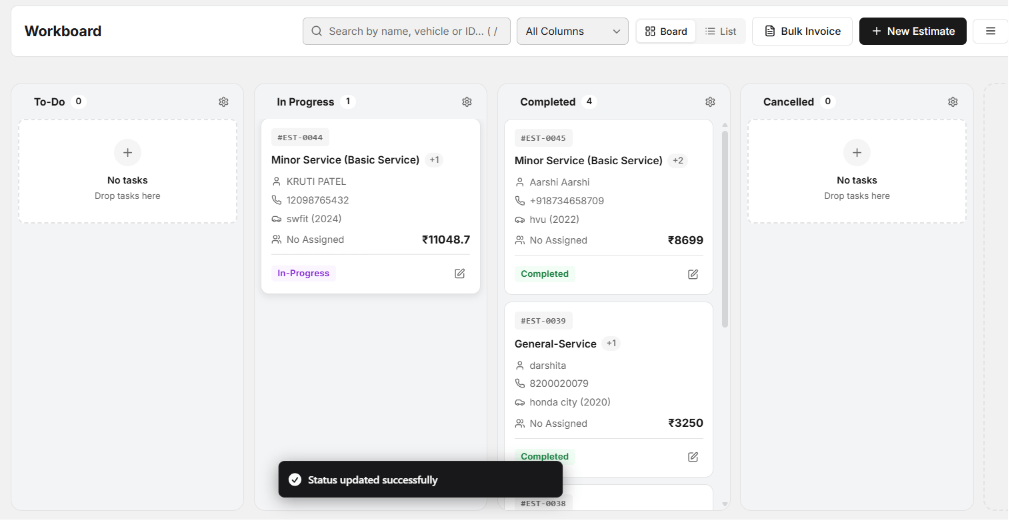
Useful statuses can include:
- Vehicle Received
- Waiting for Inspection
- Inspection Completed
- Waiting for Customer Approval
- Waiting for Parts
- Repair in Progress
- Quality Check
- Ready for Collection
- Vehicle Delivered
These simple stages make it easier to find vehicles that may be stuck at one point in the process.
3. Assign Jobs to the Right Technician
Knowing where a vehicle is located is useful, but knowing who is responsible for the repair is also important. A repair job should have a clear technician or team assigned to it.
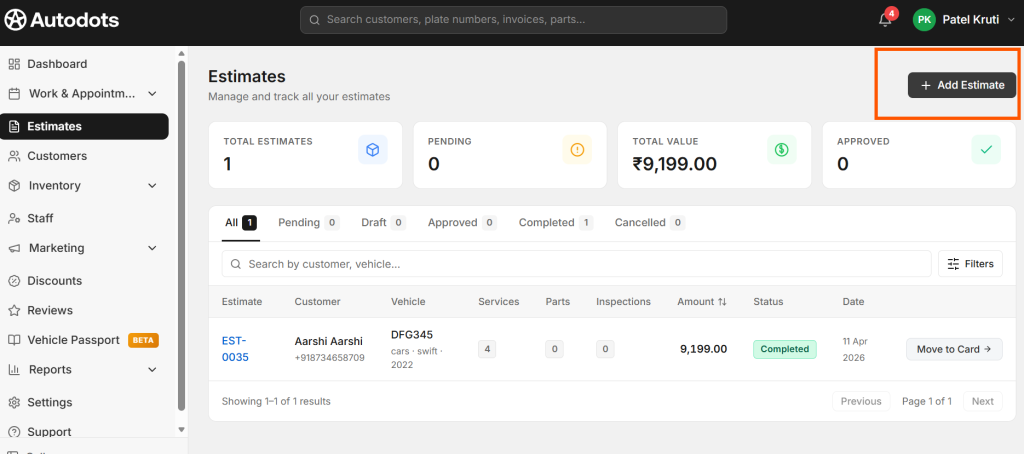
This helps service advisors understand who is working on the vehicle and whether the job has started. Managers can also see technician workloads and avoid assigning too many jobs to one person while another technician has available time.
Using Garage Vehicle Tracking Software for technician assignment can make responsibility clearer and reduce unnecessary questions on the workshop floor.
4. Track Parts and Repair Delays
Parts are a common reason why vehicle repairs take longer than expected. A vehicle may be inspected and approved, but the repair cannot continue because a required part has not arrived.
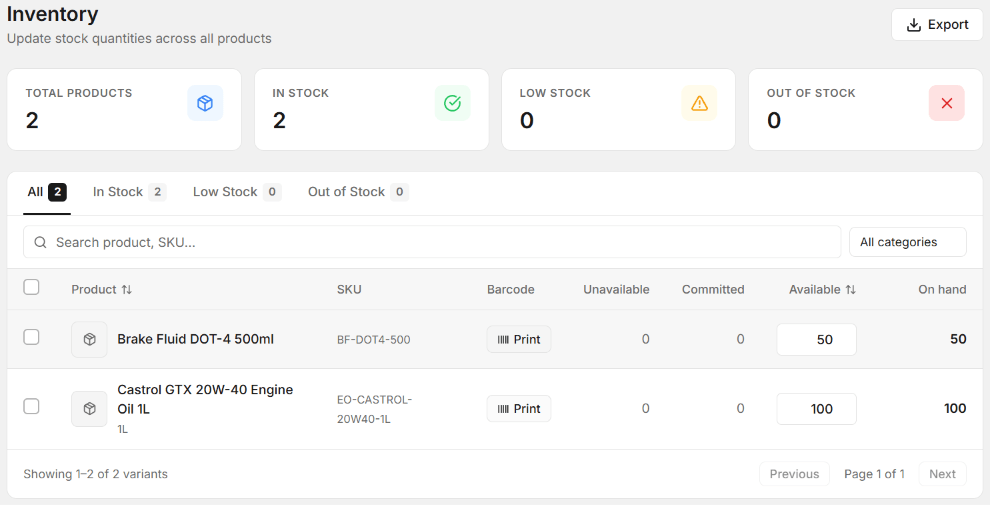
Track this information as part of the repair job. When a vehicle is waiting for parts, the status should clearly show that reason. This helps staff avoid treating the job as if it is actively being repaired.
It also gives your service team a better reason to update the customer. Instead of saying that the repair is simply delayed, they can explain that the workshop is waiting for a specific part and provide the latest expected update.
5. Record Inspection and Repair Details
Good vehicle tracking is not only about knowing whether a car is inside the garage. Your team should also know what has been checked and what work has been completed.
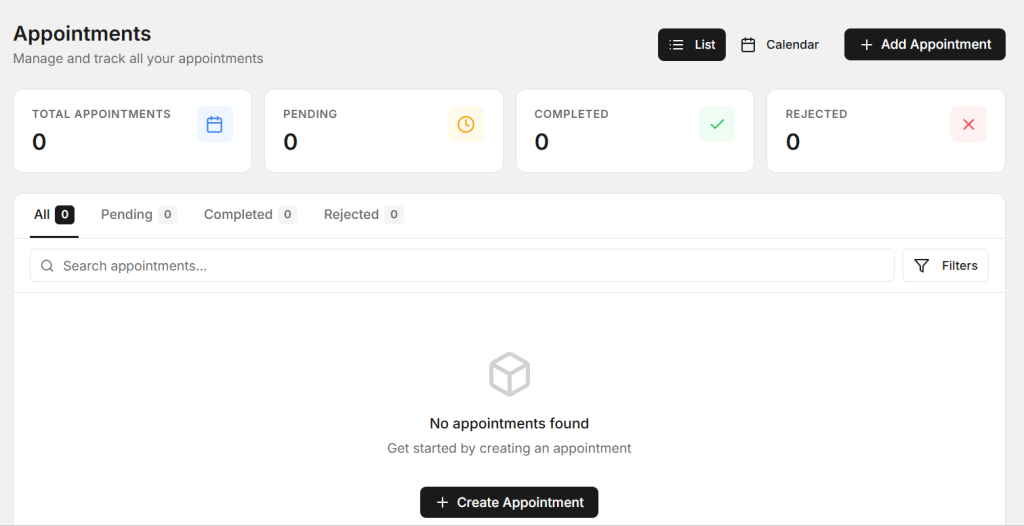
Technicians can record inspection findings, repair tasks, replaced parts, notes, and other important job information. This creates a useful history for the current repair and future visits.
Digital records can also reduce the risk of losing handwritten notes. When information is easy to find, service advisors can give customers clearer updates about the work being performed.
6. Track Customer Approval Before Extra Work
During an inspection, technicians may find additional problems that were not included in the original request. The customer may need to approve extra work before the repair can continue.
Make this approval stage visible in the repair workflow. If a vehicle is waiting for customer approval, the service advisor can quickly identify it and contact the customer.
Garage Vehicle Tracking Software can help make these waiting stages easier to monitor. This can prevent vehicles from sitting unused simply because an approval request was forgotten.
7. Keep Customers Updated
Customers usually want to know what is happening with their vehicle. Long periods without communication can make them feel uncertain, even when the repair team is working normally.
Use your repair tracking process to provide useful updates. Let customers know when the inspection is complete, when repairs have started, when extra work is needed, or when the vehicle is ready.
Clear communication can improve trust. Customers may also be more understanding about delays when they receive an honest explanation instead of having to call the workshop repeatedly.
8. Add a Final Quality Check
A vehicle should not be marked as ready simply because the main repair is complete. A final quality check can help the workshop confirm that the requested work has been completed properly.
Create a final stage in the repair workflow for inspection and testing. Staff can check that the repair tasks are complete, required parts have been fitted, tools have been removed, and the vehicle is ready for customer collection.
This step also helps separate vehicles that are truly ready from vehicles that still need attention.
9. Monitor Completed and Delayed Jobs
Tracking becomes more useful when managers can review completed and delayed jobs. Look for vehicles that stayed in the workshop longer than expected and identify the reason.
Common causes may include waiting for parts, delayed customer approval, technician availability, additional repair work, or poor scheduling. Once you understand the reason, you can improve the process.
Using Garage Vehicle Tracking Software can make it easier to review job progress and spot areas where your workshop can improve its daily workflow.
Benefits of a Better Vehicle Tracking Process
A clear vehicle tracking system can provide benefits across the whole workshop. Service advisors can find job information faster, technicians can understand their assigned work, and managers can get a better view of the workshop workload.
Customers also benefit because they receive clearer information about their vehicles. When everyone has access to the same job status, there is less chance of giving customers conflicting information.
- Better workshop organization.
- Faster access to repair information.
- Clearer technician responsibility.
- Better control over delayed jobs.
- Improved customer communication.
- More organized vehicle delivery.
How to Make Vehicle Tracking Simple for Your Team
Do not make your tracking process too complicated. If staff need to enter too much information for every small update, they may stop using the system correctly.
Start with the information that matters most. Record the vehicle, customer, repair request, technician, job status, required parts, customer approval, and final completion details. As your team becomes comfortable, you can add more useful information.
Train staff to update job statuses as soon as there is a meaningful change. A tracking system is only useful when the information stays current.
How AutoDots Can Help Your Workshop
AutoDots can help automotive businesses organize important workshop activities in a digital environment. A connected workflow can make it easier to manage customers, vehicles, repair jobs, technicians, job cards, invoices, and other daily workshop tasks.
With Garage Vehicle Tracking Software, your team can move away from scattered notes and create a clearer process for following vehicles through different repair stages.
If you are interested in growing your automotive business or connecting with more opportunities, explore the AutoDots partner program. You can also find more automotive guides and workshop tips on the AutoDots automotive blog.
Common Vehicle Tracking Mistakes to Avoid
Even with a digital system, poor processes can create problems. One common mistake is failing to update a job status after work is completed. If the status is not updated, other team members may think the vehicle is still waiting.
Another mistake is not recording why a vehicle is delayed. A simple note such as waiting for customer approval or waiting for a part can help the whole team understand the situation.
Workshops should also avoid keeping customer communication separate from repair information. The service team needs access to the latest job details so that customer updates are accurate.
Finally, avoid creating too many job stages. Keep the process simple enough that every employee can follow it without confusion.
Frequently Asked Questions
What is vehicle tracking in an auto workshop?
Vehicle tracking means monitoring each vehicle through the repair process, from arrival and inspection to repair, quality check, and final delivery.
Why is repair job tracking important?
Repair job tracking helps workshops understand what is happening with each vehicle. It can reduce confusion, improve communication, and make it easier to identify delayed jobs.
Can vehicle tracking help improve customer service?
Yes. When staff know the current repair status, they can provide customers with clearer and more accurate updates about their vehicles.
Can small garages use digital vehicle tracking?
Yes. Small garages can also benefit from digital tracking. A simple workflow can help organize vehicles, customer details, repair tasks, and job statuses without creating unnecessary complexity.
What should a garage track during a repair?
A garage can track vehicle details, customer information, repair requests, inspection results, technician assignments, parts, customer approvals, repair progress, quality checks, and delivery status.
Conclusion
Managing vehicles properly is an important part of running an efficient auto workshop. When several repair jobs are active at the same time, it can be difficult to remember every detail without a clear system.
Garage Vehicle Tracking Software can help your workshop create a simple and organized way to follow every vehicle from check-in to delivery. By using digital check-ins, clear job statuses, technician assignments, parts tracking, customer approvals, regular updates, quality checks, and job reports, your team can work with better visibility.
The goal is not to make your workshop process complicated. The goal is to make every vehicle’s current status easy to understand. A simple and consistent tracking process can help reduce delays, improve communication, and create a better experience for both workshop staff and customers.